- Company Articles
- Products and Technology
- Installation And Maintenance
- Parallel Lean Pipe Joint Maintenance: Tips for Long-Term Durability

Parallel Lean Pipe Joint Maintenance: Tips for Long-Term Durability
Related Product
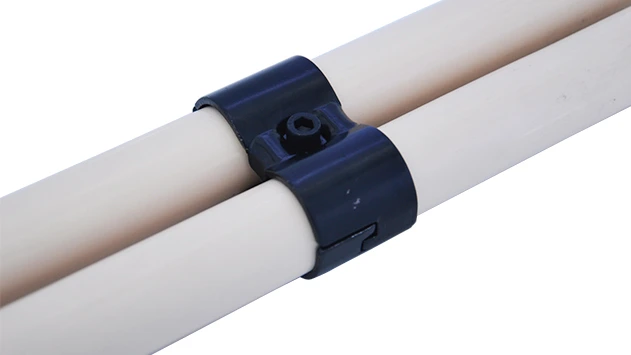
Parallel Lean Pipe Joint
Parallel lean pipe joint used for 2 pcs 28MM lean pipe connection in parallel direction to enhance frame structure, usually for heavy payload requirement for workbench. flow rack, hand trolley.
In the fast-paced world of manufacturing and production, efficiency isn't just a buzzword—it's the backbone of success. At the heart of many lean systems lies a humble yet critical component: the parallel lean pipe joint. These unassuming connectors hold together everything from workbenches and material racks to conveyor systems and turnover trolleys, ensuring that workflows run smoothly and operations stay on track. But like any hardworking part of your setup, parallel lean pipe joints need care to keep performing at their best. Neglecting maintenance can lead to wobbly structures, unexpected downtime, and even safety hazards. In this guide, we'll walk through practical, actionable tips to help you maintain your parallel lean pipe joints for long-term durability, keeping your lean system strong and your productivity high.
Understanding Parallel Lean Pipe Joints: The Unsung Heroes of Your Lean System
Before diving into maintenance, let's take a moment to appreciate what parallel lean pipe joints actually do. These components are designed to connect two or more lean pipes (often aluminum, steel, or PE-coated) in parallel, creating stable, rigid structures that can support weight, withstand movement, and adapt to changing needs. Unlike fixed joints, parallel lean pipe joints often allow for some adjustability, making them ideal for custom setups—think of a workbench that needs to be reconfigured for a new project or a material rack that must accommodate larger items.
Most parallel lean pipe joints are made from durable materials like zinc-plated steel or aluminum, with internal mechanisms (like bolts, clips, or rotating sleeves) that grip the pipes tightly. Over time, though, the constant stress of holding heavy loads, vibrations from nearby machinery, and even the occasional bump from a caster wheel can take a toll. That's why regular maintenance isn't just about extending the life of the joints themselves—it's about protecting the entire lean system they support.
Common Threats to Parallel Lean Pipe Joint Durability
To keep your joints in top shape, it helps to know what you're up against. Here are the most common issues that can shorten their lifespan:
- Loosening Over Time: The most frequent problem. Every time your workbench is used, or a trolley is moved, the joints experience small amounts of stress. Over weeks or months, this can cause bolts to loosen, reducing the joint's grip on the pipes.
- Corrosion: If your facility is humid, or if joints are exposed to moisture (from spills, cleaning, or outdoor storage), rust or corrosion can eat away at metal components. This is especially true for steel joints—aluminum options are more resistant but not immune.
- Wear and Tear: Moving parts within the joint (like rotating sleeves or adjustable clips) can wear down from friction, making it harder to tighten or adjust the joint over time.
- Overloading: Pushing a joint beyond its weight capacity—say, stacking too many heavy boxes on a material rack—can bend or warp the joint, weakening its structural integrity.
- Misalignment: If pipes are not perfectly parallel when the joint is installed, uneven stress can cause the joint to loosen or crack prematurely. This often happens when setting up a new structure in a hurry.

The Ultimate Maintenance Routine: Daily, Weekly, and Monthly Tasks
The key to long-lasting parallel lean pipe joints is consistency. By incorporating simple checks and tasks into your regular workflow, you can catch issues early and prevent costly breakdowns. Below is a breakdown of what to do, how often, and why it matters—plus a handy table to keep you organized.
| Maintenance Task | Frequency | Tools Needed | Key Steps |
|---|---|---|---|
| Visual Inspection | Daily | None (just your eyes!) | Check for visible looseness, cracks, or rust. Wiggle the structure gently to feel for wobbling. |
| Tightening Loose Joints | Weekly | Hex key, torque wrench (optional) | Use a hex key to snug up any loose bolts. Avoid over-tightening—stop when you feel resistance. |
| Cleaning | Weekly | Microfiber cloth, mild detergent, water | Wipe joints with a damp cloth to remove dust, grease, or debris. Dry thoroughly to prevent moisture buildup. |
| Lubrication | Monthly | Dry lubricant spray (e.g., graphite) or light machine oil | Apply a small amount of lubricant to moving parts (e.g., adjustable sleeves). Wipe away excess to avoid attracting dust. |
| Deep Inspection | Monthly | Flashlight, magnifying glass (optional) | Check for signs of corrosion, cracks, or excessive wear. Pay extra attention to joints near caster wheels (high vibration areas). |
| Anti-Corrosion Treatment | Quarterly | Anti-rust spray (e.g., WD-40 Specialist Long-Term Corrosion Inhibitor) | Apply a light coat to steel joints. Avoid over-spraying on aluminum (it's not necessary but won't harm). |
Daily Visual Checks: Quick and Effective
You don't need to spend hours each day maintaining joints—just a few minutes of visual inspection can go a long way. Start by walking around your workbench, material rack, or conveyor system and giving the structure a gentle shake. If it wobbles, that's a sign a joint might be loose. Look closely at the parallel lean pipe joints: Are there any gaps between the joint and the pipe? Is there rust or discoloration? Are bolts sticking out or looking bent? These are all red flags to note for later tightening or repair.
Pro tip: Assign this task to the team member who uses the structure most (e.g., the operator at a workbench). They'll notice subtle changes—like a slight wobble when placing tools—that others might miss.
Weekly Tightening and Cleaning: Keeping Things Snug and Shiny
Once a week, grab a hex key and go through each parallel lean pipe joint, giving the bolts a gentle turn to tighten them. Loose joints are often the root cause of bigger problems, so nipping this in the bud prevents stress from spreading to other parts of the structure. Be careful not to over-tighten—stripping a bolt is worse than leaving it slightly loose! A good rule of thumb: tighten until you feel resistance, then stop.
After tightening, take a microfiber cloth and wipe down the joints to remove dust, oil, or grime. If there's heavy grease, mix a little mild detergent with water and dampen the cloth (avoid soaking the joint). Dry thoroughly to prevent moisture from seeping into crevices and causing rust.
Monthly Deep Dive: Catching Small Issues Before They Grow
Once a month, set aside time for a more thorough inspection. Use a flashlight to check for cracks in the joint housing or bent bolts—these are signs of structural damage that tightening alone can't fix. For adjustable joints, test how easily they move; if they're stiff or stuck, a little lubricant might help. Pay special attention to joints near caster wheels: the constant movement of the wheels can create vibrations that loosen bolts faster than in stationary structures.
If you spot corrosion, don't panic. For light rust, gently scrub the area with a wire brush (be careful not to scratch the pipe) and then apply a rust converter. For severe cases, though, it's better to replace the joint—corroded metal weakens the entire structure, and patching it is only a temporary fix.

Lubrication: The Secret to Smooth-Moving Joints
Lubrication might seem like a small detail, but it's crucial for keeping parallel lean pipe joints adjustable and easy to maintain. Over time, the metal-on-metal contact in moving parts can cause friction, making joints hard to tighten or loosen. A little lubricant reduces this friction, extending the life of the joint and making adjustments a breeze.
Choosing the Right Lubricant
Not all lubricants are created equal. For parallel lean pipe joints, we recommend either a dry lubricant (like graphite spray) or a light machine oil. Dry lubricants are great for joints that might attract dust, as they don't leave a sticky residue. Oil-based lubricants work well for joints that need more protection against moisture, but be sure to wipe away excess to avoid gunk buildup.
Avoid heavy greases—they can trap dirt and make joints harder to clean later. Also, steer clear of WD-40 as a long-term lubricant (it's a great cleaner and rust preventer, but not designed to stay in place as a lubricant). Opt for a dedicated machine oil or graphite spray instead.
How to Apply Lubricant
Applying lubricant is simple: just spray or (dī jǐ dī – drop a few drops) directly onto the moving parts of the joint (e.g., the threads of a bolt, the rotating sleeve of an adjustable joint). Let it sit for a minute, then move the joint back and forth to work the lubricant into the crevices. Wipe away any excess with a clean cloth to prevent dust from sticking.
Pro tip: If you're lubricating a joint that's been stuck for a while, spray a little lubricant and let it sit overnight. The longer it soaks, the easier it will be to loosen the joint the next day.
When to replace: Knowing When a Joint Has Had Enough
Even with the best maintenance, parallel lean pipe joints won't last forever. Knowing when to replace a joint is just as important as keeping it clean and tight. Here are the signs it's time for a new one:
- Stripped Bolts or Threads: If a bolt spins freely without tightening, or the threads in the joint are worn down, the joint can't grip the pipe properly. replace it immediately—this is a safety hazard.
- Cracks or Deformation: Any visible cracks in the joint housing, or bending/warping of the metal, means the joint has lost structural integrity. Don't risk it—swap it out.
- Persistent Corrosion: If rust or corrosion has eaten through more than a small surface area, the joint is weakened. Cleaning and anti-corrosion treatment might slow it down, but replacement is the only permanent fix.
- Inability to Adjust: If an adjustable joint is stuck and won't move even after lubrication, the internal parts are likely worn out. A new joint will save you frustration and ensure a proper fit.
When replacing a joint, always choose a high-quality replacement from a reputable lean pipe supplier. Cheaper, low-quality joints might save money upfront, but they'll wear out faster and could compromise the safety of your entire structure. Match the new joint to the material of your pipes (e.g., aluminum joints for aluminum pipes) to ensure compatibility and prevent galvanic corrosion (a reaction between dissimilar metals).
Final Thoughts: Invest in Maintenance, Reap the Rewards
Maintaining parallel lean pipe joints might not be the most glamorous part of running a production floor, but it's one of the most impactful. By taking a few minutes each day, week, and month to inspect, clean, tighten, and lubricate these hardworking components, you'll keep your lean system running smoothly, reduce downtime, and extend the life of your equipment. Remember: a little care today prevents big headaches tomorrow.
Whether you're managing a small workshop or a large manufacturing plant, the principles are the same: stay proactive, catch issues early, and treat your parallel lean pipe joints like the critical assets they are. Your workbench will stay stable, your material racks will hold strong, and your team will stay productive—all thanks to the unsung heroes of your lean system: well-maintained parallel lean pipe joints.