- Company Articles
- Products and Technology
- Product knowledge
- Parallel Lean Pipe Joint Materials: Why Aluminum Stands Out for Manufacturing

Parallel Lean Pipe Joint Materials: Why Aluminum Stands Out for Manufacturing
Related Product
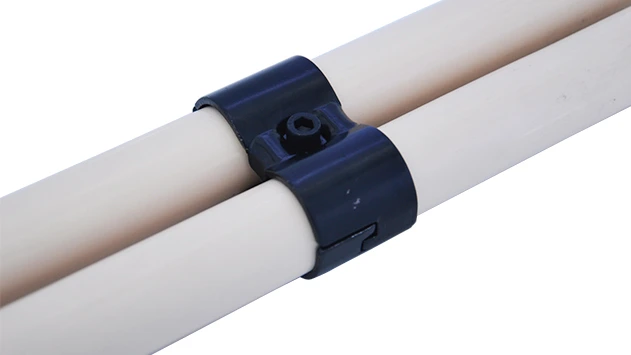
Parallel Lean Pipe Joint
Parallel lean pipe joint used for 2 pcs 28MM lean pipe connection in parallel direction to enhance frame structure, usually for heavy payload requirement for workbench. flow rack, hand trolley.
In the fast-paced world of manufacturing, where efficiency and adaptability can make or break a production line, every component matters—especially the ones that hold everything together. Parallel lean pipe joints are the unsung heroes of modern lean systems, quietly enabling the flexible workbenches, flow racks, and conveyor systems that keep factories running smoothly. But here's the thing: not all joint materials are created equal. While steel and plastic have long been go-to options, aluminum has emerged as a game-changer, offering a unique blend of strength, flexibility, and practicality that's hard to beat. Let's dive into why aluminum is becoming the material of choice for parallel lean pipe joints, and how it's transforming the way manufacturers build, adapt, and thrive.
The Critical Role of Parallel Lean Pipe Joints in Lean Manufacturing
First, let's clarify what parallel lean pipe joints are and why they matter. In lean manufacturing, the goal is to eliminate waste—whether that's wasted time, space, or effort. Parallel lean pipe joints are the modular connectors that allow teams to build custom, reconfigurable structures using lean pipes (think of them as the "building blocks" of your production floor). From workbenches where assembly happens to flow racks that move materials seamlessly, these joints turn simple pipes into dynamic, functional systems.
The magic of parallel lean pipe joints lies in their ability to adapt. A factory producing smartphones today might need to shift to tablets tomorrow, or a automotive plant might retool for a new model mid-quarter. With traditional fixed structures, this kind of agility is nearly impossible—you'd be stuck tearing down and rebuilding from scratch. But with the right joints, you can reconfigure a workbench in an hour, adjust a flow rack to fit new parts, or even repurpose a conveyor system to handle different products. That flexibility is why parallel lean pipe joints are the backbone of lean systems worldwide.
Material Face-Off: Steel, Plastic, and Aluminum in the Ring
To understand why aluminum stands out, let's first look at the alternatives. For decades, steel was the default for industrial joints. It's strong, no doubt—steel joints can handle heavy loads, which is why they're still used in some high-weight applications. But steel has a big downside: it's heavy. A single steel joint might not seem like much, but when you're building a multi-level material rack or a long conveyor, those pounds add up. Moving or reconfiguring steel-based systems often requires multiple workers or even machinery, slowing down changeovers and increasing the risk of worker fatigue.
Then there's plastic. Lightweight and cheap upfront, plastic joints gained popularity for low-load applications like small parts storage. But plastic has its own issues. It's not nearly as durable as metal—exposure to heat, chemicals, or even just daily wear and tear can cause plastic to crack or warp over time. And when it comes to load capacity? Forget about supporting heavy tools or bulk materials. Plastic joints might save money on day one, but they'll cost you in replacements and downtime later.
Enter aluminum. It's like the Goldilocks of materials: strong enough to handle industrial loads, light enough to make reconfiguration a one-person job, and durable enough to stand up to the chaos of a factory floor. But aluminum's benefits go beyond just being "good enough"—it's actively solving the pain points that steel and plastic leave unaddressed. Let's break down its advantages.
| Feature | Steel Joints | Plastic Joints | Aluminum Joints |
|---|---|---|---|
| Weight | Heavy (hard to handle/reconfigure) | Light (easy to move) | Lightweight (strength-to-weight ratio 3x steel) |
| Durability | High, but prone to rust/corrosion | Low (cracks/warps under stress/heat) | High (resistant to rust, dents, and wear) |
| Load Capacity | Very high (up to 500+ lbs per joint) | Low (often under 100 lbs per joint) | High (200-400 lbs per joint, depending on design) |
| Reconfigurability | Hard (requires tools, heavy lifting) | Easy (but weakens with repeated use) | Very easy (quick-connect designs, no heavy tools) |
| ESD Compatibility | Possible (with coatings, but adds cost) | Poor (generates static electricity) | Excellent (naturally conductive, can be treated for ESD) |
| Total Cost of Ownership | High (maintenance, replacement, labor) | High (frequent replacements) | Low (long lifespan, minimal maintenance) |

Why Aluminum Parallel Lean Pipe Joints Outshine the Rest
1. Lightweight but Surprisingly Strong—The Best of Both Worlds
Aluminum's claim to fame is its strength-to-weight ratio. Pound for pound, it's about three times stronger than steel, which means aluminum joints can handle heavy loads without weighing down the system. Imagine a worker needing to adjust a flow rack to accommodate a new batch of parts: with steel joints, they might need a coworker to help lift the structure; with aluminum, they can reposition it alone, saving time and reducing the risk of injury. This lightweight nature also makes shipping and installation cheaper—no need for special equipment to move aluminum pipes and joints around the factory floor.
Take workbenches, for example. A typical aluminum workbench (like the "workbench e (single deck-without caster)" model) can support 300+ pounds of tools and materials, yet weighs less than 50 pounds empty. That means when a team needs to rearrange the production line for a new project, two people can pick up the workbench and move it—no forklift required. For manufacturers, that's a huge win for agility.
2. Corrosion Resistance—Built to Last in Tough Environments
Factories are messy places. Coolants, oils, humidity, and even cleaning chemicals can take a toll on metal components. Steel joints, unless heavily coated, rust quickly in these conditions—rust weakens the joint, creates debris that can contaminate products, and eventually leads to failure. Plastic joints might avoid rust, but they degrade when exposed to harsh chemicals or extreme temperatures (common in automotive or food processing plants).
Aluminum, on the other hand, forms a natural oxide layer when exposed to air—a thin, protective barrier that prevents rust and corrosion. This layer is self-healing, too: if the surface gets scratched, the aluminum reacts with oxygen to reform the barrier. That means aluminum parallel lean pipe joints can withstand spills, humidity, and even occasional exposure to chemicals without breaking down. In environments like electronics manufacturing, where cleanliness is critical, this resistance to corrosion ensures joints stay smooth and debris-free, reducing the risk of product defects.
3. Unmatched Flexibility—Build What You Need, When You Need It
One of the biggest frustrations with traditional joints is how hard they are to adjust. Steel joints often require wrenches, bolts, or welding to change angles or add new pipes, which takes time and skill. Plastic joints might twist easily, but they lose their grip after a few reconfigurations, leaving structures wobbly and unsafe. Aluminum joints? They're designed for flexibility from the ground up.
Many aluminum parallel lean pipe joints, like the "internal rotatary aluminum joint," feature 360-degree rotation, letting you adjust angles on the fly without tools. Others, such as the "90° aluminum pipe joint inside connection," snap into place with T-slot mechanisms, making it easy to add or remove pipes in seconds. Pair these joints with aluminum profile accessories—like guide rails, caster wheels, or roller track connectors—and you've got a system that can adapt to almost any task. Need a material rack with 3 rows and 3 floors today? Build it. Tomorrow, take it apart and turn it into a turnover trolley. Aluminum joints make it possible, without the hassle of traditional tools or permanent connections.
This flexibility is a game-changer for small-batch production or industries with frequent product changes. A medical device manufacturer, for instance, might need different workbenches for assembling syringes one week and surgical tools the next. With aluminum joints, they can reconfigure their lean system overnight, instead of waiting weeks for custom-built structures.
4. ESD Compatibility—Safe for Sensitive Electronics
Static electricity is a silent killer in electronics manufacturing. A single static discharge can fry a circuit board, ruining hours of work and costing thousands of dollars. That's why ESD (electrostatic discharge) protection is non-negotiable in industries like semiconductor or consumer electronics production. Here's where aluminum shines again: unlike plastic, which tends to generate static, aluminum is naturally conductive. When treated with ESD-safe coatings, aluminum parallel lean pipe joints create a grounded path for static electricity, directing it away from sensitive components.
ESD workbenches and ESD workstations built with aluminum joints don't just protect products—they also keep workers safe. By preventing static buildup, these joints reduce the risk of shocks, making the workspace more comfortable and productive. For manufacturers who deal with electronics, this isn't just a nice-to-have; it's a requirement. Aluminum makes compliance easy, without adding extra steps or costs.
5. Cost-Effective Over Time—Invest Now, Save Later
Let's talk about money. At first glance, aluminum joints might seem pricier than plastic or even some steel options. But here's the truth: they're an investment that pays off fast. Let's break down the numbers. Steel joints require regular maintenance—painting to prevent rust, replacing corroded bolts, or hiring contractors to weld modifications. Plastic joints need to be replaced every few months, especially in high-use areas. Aluminum joints? They rarely need maintenance. Their corrosion resistance means no painting, and their durable design means they'll last for years—even with frequent reconfigurations.
Then there's labor cost. Installing steel structures often requires skilled workers with tools, while aluminum joints can be assembled by anyone on the team with minimal training. A recent study by a manufacturing consulting firm found that factories using aluminum lean systems reduced setup time for new production lines by 40% compared to steel-based systems. Over a year, that adds up to hundreds of hours saved—time that can be spent on more valuable tasks, like improving product quality or training workers.
6. Sustainability—Good for the Planet, Good for Your Brand
Sustainability isn't just a buzzword anymore; it's a business imperative. Customers, investors, and regulators are increasingly demanding eco-friendly practices, and manufacturing is under pressure to reduce its carbon footprint. Aluminum aligns with these goals beautifully. Unlike steel, which requires massive amounts of energy to mine and refine, aluminum is 100% recyclable, and recycling it uses just 5% of the energy needed to produce new aluminum. That means when an aluminum joint finally reaches the end of its life (which could be decades from now), it can be melted down and turned into new joints, with almost no loss of quality.
For manufacturers looking to showcase their commitment to sustainability, using aluminum parallel lean pipe joints is a tangible step. It reduces reliance on virgin materials, cuts down on waste from frequent replacements, and lowers energy use during production. In an era where consumers care as much about how products are made as the products themselves, this commitment can be a powerful differentiator for your brand.

Real-World Impact: How Aluminum Joints Are Changing Factories
Let's put this all into context with a real example. Imagine a mid-sized automotive parts manufacturer that produces custom brackets for electric vehicles. Their production line has to handle dozens of bracket designs, each with different sizes and assembly steps. In the past, they used steel-based workbenches and flow racks, which took days to reconfigure for new designs. Workers often struggled to move heavy steel structures, leading to delays and occasional injuries. Static electricity from plastic roller tracks was also causing defects in sensitive electronic brackets, costing them $10,000+ per month in scrap.
Then they switched to aluminum parallel lean pipe joints. Here's what happened: First, their workbenches—now built with aluminum joints and "workbench e (single deck-without caster)" frames—were light enough for two workers to reconfigure in under an hour. They added "38 aluminum roller track black ESD with side guide" to their flow racks, eliminating static issues and cutting scrap by 90%. The "material rack b (3 row and 3 floor)" they built with aluminum joints could now hold more parts without bending, and the internal rotatary joints let them adjust shelf heights to fit different bracket sizes. Within six months, they'd reduced setup time by 60%, cut maintenance costs by 40%, and even lowered worker compensation claims related to lifting injuries. All because they chose aluminum.
Choosing the Right Aluminum Parallel Lean Pipe Joints for Your Needs
Of course, not all aluminum joints are the same. To get the most out of your lean system, you'll need to pick the right joints and accessories for your specific application. Here are a few key considerations:
- Load Capacity: If you're building a workbench for heavy tools, look for joints rated for 300+ lbs (like the "parallel fixation aluminum pipe joint"). For lighter tasks, like small parts assembly, a standard internal rotatary joint might be enough.
- Environment: In humid or chemical-heavy areas, opt for joints with extra corrosion resistance, like those made from anodized aluminum.
- ESD Needs: For electronics manufacturing, choose ESD-rated joints and accessories, such as "38 aluminum roller track black ESD with wheel flange."
- Mobility: If you need structures that move, pair joints with "caster wheels" and "caster accessories" designed for aluminum pipes—look for swivel casters with brakes for stability.
Don't forget about aluminum profile accessories, either. Guide rails (like "aluminum guide rail a" or "plastic roller track guide rail yellow") help materials slide smoothly, while "roller track placon mount connector" ensure roller tracks stay aligned. These small components might seem minor, but they make a big difference in how well your lean system performs.
The Future of Manufacturing: Aluminum at the Forefront
As manufacturing continues to evolve—with trends like Industry 4.0, automation, and small-batch production—flexibility and efficiency will only grow more important. Aluminum parallel lean pipe joints are perfectly positioned to meet these needs, offering the strength, adaptability, and sustainability that modern factories demand. They're not just a better material choice; they're a strategic investment in your ability to compete, innovate, and grow.
So, if you're still using steel or plastic joints and feeling stuck with rigid, hard-to-change systems, it might be time to make the switch. Aluminum parallel lean pipe joints aren't just about connecting pipes—they're about connecting your team to a more efficient, adaptable, and successful future. And in manufacturing, that's the most valuable connection of all.