- Company Articles
- Products and Technology
- Product knowledge
- Parallel Lean Pipe Joint One Side Rotatory: A Guide for Small Manufacturing Facilities

Parallel Lean Pipe Joint One Side Rotatory: A Guide for Small Manufacturing Facilities
Related Product
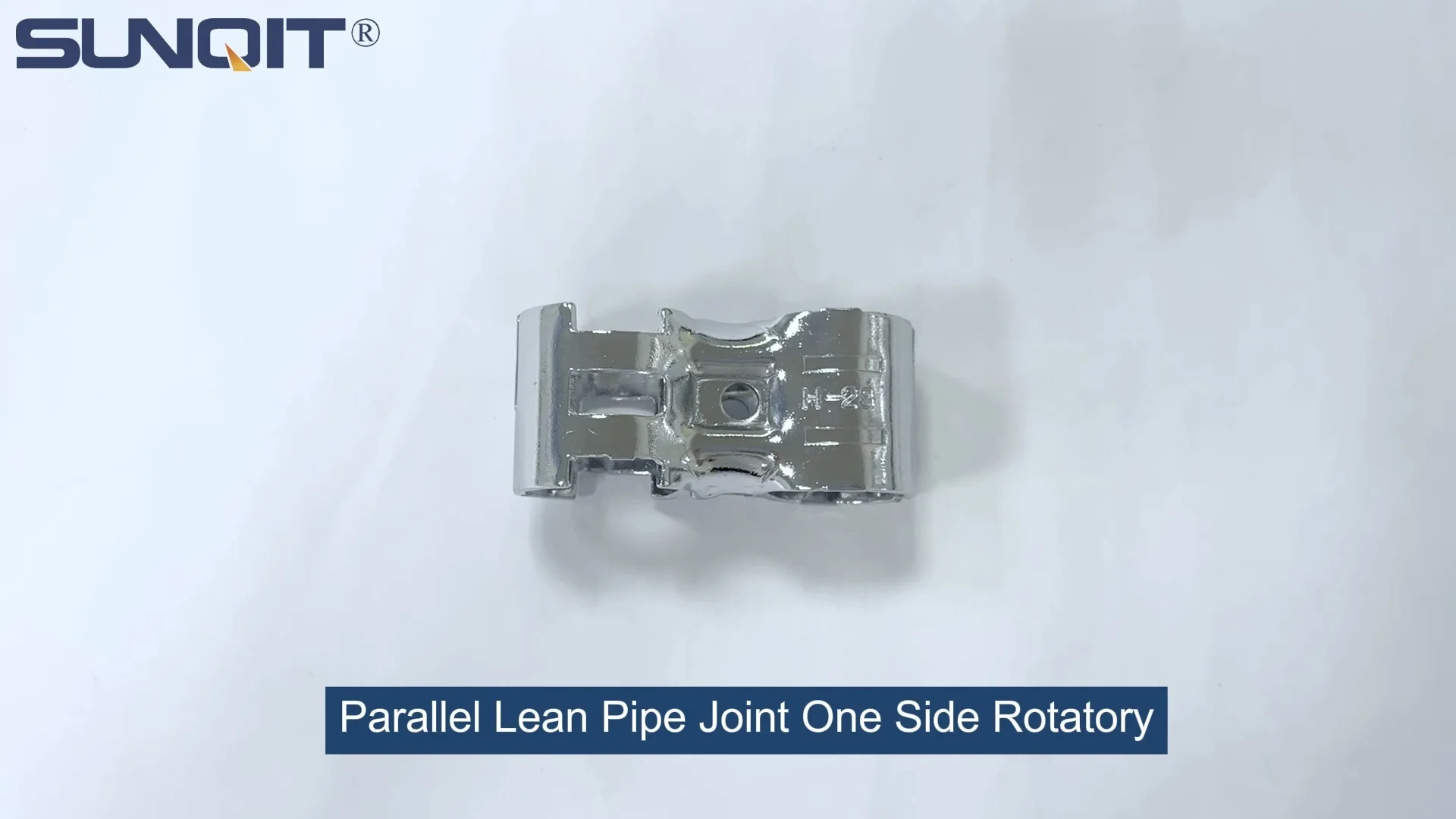
Parallel Lean Pipe Joint One Side Rotatory
Parallel rotatory lean pipe joint, for 2 pcs 28mm pipe conenction in parallel direction with one side rotatory function.
Running a small manufacturing facility often feels like solving a perpetual puzzle: tight budgets, limited floor space, and the constant need to adapt to shifting production demands. Unlike large factories with dedicated teams and sprawling layouts, small shops thrive on efficiency—every tool, every inch of space, and every minute of labor has to pull its weight. That's where lean systems come in, and at the heart of many of these systems are modular components designed for flexibility. Today, we're focusing on a unsung hero of lean setups: the parallel lean pipe joint one side rotatory . This small but mighty connector might not grab headlines, but it can transform how your team builds, adapts, and uses workspaces—without breaking the bank.
Why Lean Systems Matter for Small Manufacturers
First, let's ground ourselves in why lean thinking is non-negotiable for small shops. Lean manufacturing, at its core, is about eliminating waste—whether that's wasted space, time, or materials. For small facilities, waste isn't just inefficiency; it's a threat to survival. If your workbench can't adjust when you switch to a new product line, if your material racks take hours to reconfigure, or if your turnover trolleys can't adapt to different load sizes, you're not just slow—you're losing opportunities.
Modular lean systems, built with components like lean pipe , aluminum profiles, and versatile joints, solve this. Unlike fixed metal workbenches or welded racks, these systems are designed to be assembled, disassembled, and reimagined on the fly. They're lightweight, cost-effective, and scalable—perfect for shops where "good enough for now" needs to become "good enough for whatever comes next."
Meet the Star: Parallel Lean Pipe Joint One Side Rotatory
So, what exactly is a parallel lean pipe joint one side rotatory? Let's break it down. At its simplest, it's a connector that joins two lean pipes (or aluminum profiles) in a parallel setup, with one side featuring a rotating mechanism. Think of it as a hinge for your lean structures: one pipe stays fixed, while the other can pivot, fold, or adjust angles—all without tools, welding, or complicated disassembly.
Most of these joints are made from durable materials like zinc-plated steel or high-strength plastic, built to withstand the daily grind of a manufacturing floor. They typically use a simple clamping mechanism to attach to lean pipes (common sizes include 1.2mm or 1.5mm PE-coated lean pipe) and a smooth rotating hinge that lets the connected pipe swivel up to 180 degrees. Some models even lock into place at specific angles, so you don't have to worry about accidental movement during use.
What Makes It Different? A Quick Comparison
To understand why this joint is a game-changer, let's compare it to traditional fixed joints. The table below highlights the key differences:
| Feature | Traditional Fixed Joint | Parallel One Side Rotatory Joint |
|---|---|---|
| Flexibility | Rigid; pipes stay in fixed position | Adjustable; one pipe rotates 0-180° |
| Assembly/Reconfiguration Time | 30+ minutes (may require tools) | 5-10 minutes (tool-free, hand-tightened) |
| Reusability | Limited; hard to repurpose for new setups | High; easily adapted to new structures |
| Best For | Static, long-term structures (e.g., permanent shelving) | Dynamic workspaces (e.g., adjustable workbenches, mobile trolleys) |

5 Ways This Joint Transforms Small Shop Workflows
Enough theory—let's get practical. How does the parallel lean pipe joint one side rotatory actually make life easier for small manufacturers? Here are five real-world applications:
1. Adjustable Workbenches That Grow With You
Most small shops start with basic workbenches —sturdy, but static. When you need to add a shelf for tools, or lower a section for a shorter team member, or even fold part of it away to make space for a large order, a fixed workbench becomes a liability. Enter the parallel rotatory joint.
Imagine building a workbench with a fold-down side shelf attached via these joints. During regular assembly work, the shelf stays up, holding screws, widgets, or instruction manuals. When you need to wheel a large component onto the bench, simply rotate the shelf down, tucking it under the main surface to free up space. No disassembly, no extra tools—just a quick flip. For shops that alternate between small-part assembly and bulk packaging, this flexibility alone can save hours of rearranging each week.
2. Turnover Trolleys That Adapt to Loads
Turnover trolley and rack systems are the backbone of material transport in small facilities. But a one-size-fits-all trolley often means either wasted space (when carrying small loads) or strained muscles (when forcing oversized items into a too-small frame). The parallel rotatory joint solves this by letting you adjust the trolley's sides or dividers on the fly.
For example, a trolley used to transport fragile circuit boards might have rotating side guards. During transport, the guards stay upright, keeping boards from sliding off. When unloading at the assembly line, flip the guards down—suddenly, the trolley becomes a flat surface, making it easy to slide boards onto the workbench. No more fumbling with latches or removing entire sides; just a quick rotation, and you're done. It's small tweaks like this that turn a frustrating chore into a seamless part of the workflow.
3. Material Racks That Maximize Vertical Space
Small shops can't afford to waste vertical space, but traditional material racks often force you to choose between "tall enough to store everything" and "short enough to reach." With rotatory joints, you can have both. Picture a three-tier material rack where the top shelf is attached with these joints. Normally, it sits at a fixed height for storing rarely used items. When you need to grab something from the top, simply rotate the shelf down to a comfortable height, grab the item, and swing it back up. No stepstools, no stretching, no risk of knocking over the shelf above.
Even better, if you switch to bulkier materials later, you can rotate the entire shelf out of the way, turning a three-tier rack into a two-tier one with extra vertical clearance. It's like having a custom rack for every project, without buying a new rack each time.
4. Collaborative Workstations for Shifting Teams
Small teams often wear multiple hats: one day, you're assembling widgets; the next, you're packaging orders; the next, you're troubleshooting a machine. Fixed workstations lock you into one workflow, but with rotatory joints, you can reconfigure a single space for multiple tasks.
For instance, a workstation built with lean pipe and aluminum profiles could have rotating tool panels. When assembling, the panels face the worker, holding screwdrivers, pliers, and meters. When packaging, rotate the panels 180 degrees to face the wall, turning the workstation into a clean, open surface for packing boxes. It's a simple change, but it eliminates the need to build separate "assembly" and "packaging" stations—saving precious floor space.
5. Temporary Structures for Seasonal Spikes
Many small manufacturers face seasonal demand—holiday rushes, back-to-school spikes, or industry-specific busy seasons. During these times, you need extra workbenches, extra storage, or extra transport trolleys—but you don't want to invest in permanent structures that gather dust for 10 months of the year.
The parallel rotatory joint shines here because it lets you build temporary structures that are sturdy enough for the busy season and easy to disassemble afterward. For example, a temporary packing station can be built in an afternoon using lean pipe, rotatory joints, and a plywood top. When the rush ends, disassemble the station, fold the pipes flat (thanks to the rotating joints), and store them in a closet. No permanent footprint, no wasted money—just flexibility when you need it most.

Choosing the Right Components: Lean Pipe, Aluminum Profile, and More
The parallel rotatory joint is powerful, but it's only as good as the components it's paired with. To get the most out of your setup, you'll want to choose high-quality lean pipe, aluminum profile (if you need extra rigidity), and compatible accessories. Here's a quick checklist:
- Lean Pipe: Opt for 1.5mm PE-coated lean pipe for most applications—it's strong enough to handle typical loads (up to 50kg per linear foot) and resistant to scratches and corrosion. Thinner 1.2mm pipe works for lighter setups like tool holders.
- Aluminum Profile: For heavier workbenches or permanent structures, aluminum extrusion profiles add rigidity without the weight of steel. Look for profiles with T-slots, which make it easy to attach accessories like shelves or hooks.
- Casters: If building mobile structures (like trolleys), pair your joints with lockable casters. This lets you move the entire setup around the shop, then lock it in place for stable work.
- End Caps: Don't overlook the small stuff! Plastic end caps for lean pipe prevent snags on clothing or materials and give your setup a polished look.
When shopping, look for a supplier that offers all these components in one place—it ensures compatibility and saves you the hassle of mixing and matching parts from different brands.

Real-World Impact: A Small Electronics Shop's Success Story
To put this all into perspective, let's look at a real example. A 10-person electronics assembly shop in Ohio was struggling with space constraints. They built their initial workbenches and trolleys using fixed lean pipe joints, but as they added new product lines, the rigid setups became a bottleneck. Workers were wasting 2-3 hours per week rearranging workbenches to fit new circuit board sizes, and material trolleys often had to make multiple trips because they couldn't adjust to different load heights.
After switching to parallel lean pipe joint one side rotatory components, they saw immediate changes. They reconfigured their main workbench with fold-down side shelves, cutting setup time for new products by 40%. Their material trolleys got rotating dividers, letting them carry three different component types in one trip instead of two. Even better, during their annual inventory count, they folded down half their workbenches, freeing up space to bring in extra shelving—all without hiring contractors or buying new furniture.
The shop owner estimated the switch saved them roughly 15 hours of labor per week and reduced material transport errors by 25%. "It's not just about the joints," he said. "It's about giving our team the tools to adapt without asking 'permission' from the equipment. If someone has an idea to make their station better, they can just grab a joint and try it—no waiting for me to approve a purchase order."
Maintenance Tips to Keep Your Joints Working Like New
Like any tool, your parallel rotatory joints will last longer with a little care. Here are simple maintenance steps to follow:
- Tighten Regularly: Vibration from daily use can loosen the joint's clamping screws. A quick once-over with a hex key (or even just hand-tightening) every week will keep pipes secure.
- Clean Debris: If your shop uses metal shavings, sawdust, or grease, wipe down the rotating hinge occasionally with a damp cloth. Built-up debris can make rotation stiff or uneven.
- Avoid Overloading: Most joints are rated for 30-50kg of load. Check the manufacturer's specs, and don't exceed them—overloading can bend the hinge or strip the clamping mechanism.
- Store Smart: If storing extra joints, keep them in a dry, cool place. Metal joints can rust in humid environments, while plastic joints may become brittle in extreme heat.
Final Thoughts: Small Parts, Big Impact
For small manufacturing facilities, success isn't about having the fanciest equipment—it's about making the most of what you have. The parallel lean pipe joint one side rotatory might seem like a small component, but it's a powerful tool for unlocking flexibility, saving time, and maximizing space. Whether you're building a workbench, a trolley, or a temporary storage rack, this joint ensures your setup can grow, change, and adapt as your business does.
So, the next time you're staring at a rigid, frustrating workspace, remember: sometimes, the solution isn't a bigger budget or a larger shop. It's a smarter connector. And in the world of small manufacturing, smart wins every time.