- Company Articles
- Products and Technology
- Installation And Maintenance
- Parallel Lean Pipe Joint One Side Rotatory: Step-by-Step Maintenance Checklist

Parallel Lean Pipe Joint One Side Rotatory: Step-by-Step Maintenance Checklist
Related Product
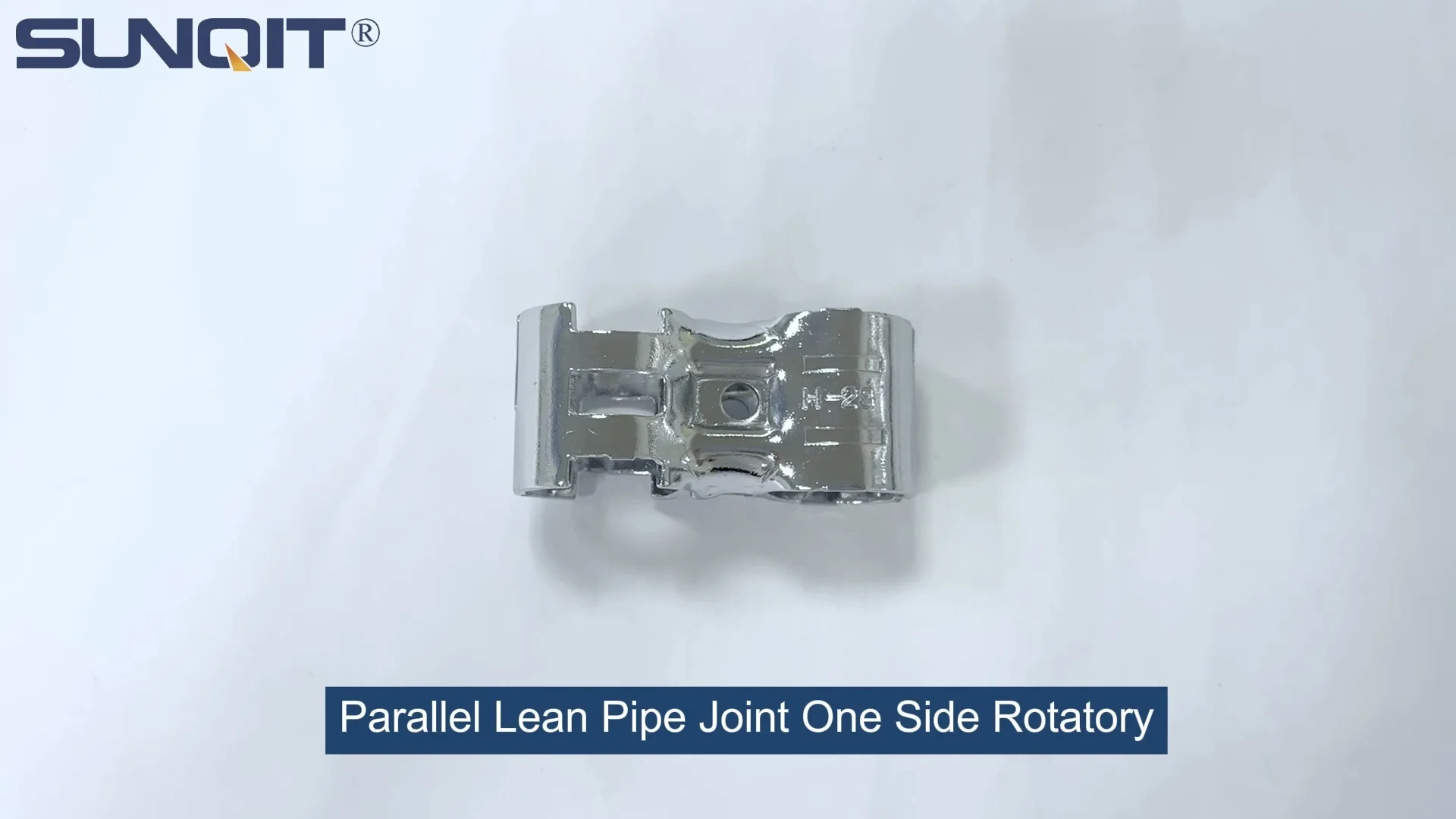
Parallel Lean Pipe Joint One Side Rotatory
Parallel rotatory lean pipe joint, for 2 pcs 28mm pipe conenction in parallel direction with one side rotatory function.
In the fast-paced world of manufacturing and assembly, every component on the factory floor plays a quiet but critical role in keeping operations running smoothly. Among these unsung heroes is the parallel lean pipe joint one side rotatory—a small yet mighty part that forms the backbone of countless workbenches, roller tracks, and material handling systems. Whether you're overseeing a bustling production line or managing a lean workspace, understanding how to maintain this joint isn't just about preserving equipment; it's about safeguarding efficiency, reducing downtime, and ensuring your team can work without unnecessary hurdles.
Think about a typical workbench in your facility. Chances are, it's built with lean pipe—a lightweight, versatile material that's become a staple in lean manufacturing setups. The parallel lean pipe joint one side rotatory is what allows that workbench to adjust, rotate, and adapt to different tasks. Maybe it's holding a tool rack that needs to swivel for easy access, or supporting a section of roller track that moves parts from one station to the next. When this joint works well, it's invisible. But when it starts to stick, rust, or loosen? Suddenly, that invisibility turns into frustration: a worker straining to adjust the bench, parts getting stuck on a misaligned roller track, or worse, a wobbly structure that risks damage or injury.
That's where regular maintenance comes in. This guide isn't just a list of tasks—it's a roadmap to keeping your lean system components, from workbenches to roller tracks, in top shape. We'll walk through why maintenance matters, break down a step-by-step checklist, troubleshoot common issues, and share best practices to make sure your parallel lean pipe joint one side rotatory (and the systems it supports) keeps up with your team's demands. Let's dive in.
Why Maintain Your Parallel Lean Pipe Joint One Side Rotatory?
Before we get into the "how," let's talk about the "why." You might be thinking, "It's just a joint—how much trouble can it really cause?" The answer: more than you might expect. Here's why staying on top of maintenance matters:
1. Avoid Costly Downtime: A seized or broken joint can bring a section of your production line to a halt. If a workbench can't adjust, or a roller track jams, tasks slow down. Over time, those delays add up—minutes turn into hours, and hours turn into lost revenue. Regular checks catch small issues (like a little rust or a loose bolt) before they become big problems (like a joint failure mid-shift).
2. Protect Worker Safety: A wobbly joint isn't just inefficient—it's a hazard. If a workbench leg or roller track support gives way, tools, parts, or even the structure itself could fall. By keeping joints tight, lubricated, and corrosion-free, you're ensuring the structures your team relies on stay stable and secure.
3. Extend Equipment Lifespan: Lean pipe systems are designed to be durable, but they're not indestructible. Without maintenance, joints wear out faster. A little lubrication here, a bolt tightening there, and a quick cleaning regularly can add years to the life of your workbenches, trolleys, and roller tracks—saving you the cost of replacing entire systems prematurely.
4. Keep Lean Principles in Action: Lean manufacturing is all about efficiency, waste reduction, and continuous improvement. A poorly maintained joint creates waste: wasted time, wasted effort, and wasted resources. By keeping your joints in shape, you're living those lean principles—making sure every part of your operation works as hard as your team does.
Understanding Your Parallel Lean Pipe Joint One Side Rotatory
To maintain something well, you need to know how it works. Let's start with the basics: What exactly is a parallel lean pipe joint one side rotatory, and where does it fit in your setup?
At its core, this joint is a connecting piece that links two sections of lean pipe (or aluminum pipe, another common material in modern lean systems) while allowing one side to rotate. Unlike fixed joints, which hold pipes rigidly in place, this rotatory joint adds flexibility. For example, on a workbench, it might let a shelf swing out for better access, or on a roller track, it could allow a section to pivot to align with different conveyor heights.
Most of these joints are made from metal (often steel or aluminum) with a rotating mechanism inside—usually a bearing or bushing that lets the joint spin smoothly. They're designed to handle the daily wear and tear of a factory environment: vibrations from machinery, exposure to dust and debris, and the occasional bump from carts or tools. But even the toughest components need care.
Common applications include:
- Workbenches: Adjusting heights, angles, or shelf positions to fit worker needs.
- Roller Tracks: Pivoting sections to redirect parts or align with other material handling equipment.
- Turnover Trolleys: Swiveling racks or shelves to make loading/unloading easier.
- Tool Racks: Rotating arms to bring tools within reach without straining.
Now that you know what it does and where it's used, let's get into the maintenance itself.

Step-by-Step Maintenance Checklist
This checklist is designed to be simple, actionable, and adaptable to your schedule. We'll break it down into frequency (daily, weekly, monthly) and walk through each task with clear instructions. Keep in mind: If your joint is in a high-use area (like a 24/7 production line), you might need to check it more often. Adjust based on your environment.
| Maintenance Task | Frequency | Tools Needed | Notes |
|---|---|---|---|
| Visual Inspection for Damage | Daily (quick check); Weekly (detailed) | Flashlight, gloves | Look for cracks, dents, rust, or bent parts. Pay attention to the rotating mechanism—any signs of misalignment? |
| Clean Debris and Dust | Weekly | Soft brush, dry cloth, compressed air (optional) | Wipe away dust, dirt, or loose particles. Use compressed air to blow out debris from the rotating joint. |
| Lubricate Rotating Mechanism | Monthly (or as needed if rotation feels stiff) | Light machine oil (e.g., 3-in-1 oil), lubricant spray (silicone-based for metal-on-metal) | Apply a few drops of oil to the joint's pivot point. Wipe away excess to avoid attracting more dust. |
| Check Tightness of Bolts/Screws | Monthly | Hex key (Allen wrench), screwdriver (depending on fasteners) | Tighten any loose bolts or screws. Don't over-tighten—this can strip threads or damage the joint. |
| Test Rotation and Stability | Weekly | Your hands (gloves recommended) | Rotate the joint through its full range of motion. It should move smoothly, no sticking or grinding. Check for wobble when pressure is applied. |
| Inspect for Corrosion | Monthly (more often in humid/damp environments) | Wire brush (soft), rust remover (e.g., vinegar or commercial rust dissolver), protective coating (paint or anti-rust spray) | Remove light rust with a wire brush. For heavier corrosion, use rust remover, then apply a protective coating to prevent future rust. |
| Check Compatibility with Connected Parts | Quarterly | Measuring tape (optional) | Ensure the joint is still properly aligned with the lean pipe, roller track, or workbench it's connected to. Misalignment can cause extra stress on the joint. |
Deep Dive: Each Maintenance Step Explained
1. Visual Inspection for Damage
Start with the basics: look at the joint. Walk around the workbench, roller track, or trolley and examine the joint from all angles. Are there any cracks in the metal? Dents from impacts? Bent parts that might be throwing off rotation? Check the rotating mechanism itself—if it's exposed, look for signs of wear, like chipped bearings or a misaligned pivot point. Even small cracks can grow over time, so note any damage and address it immediately.
2. Clean Debris and Dust
Factories are dusty places, and dust loves to settle in moving parts. Over time, a layer of dust and debris can gum up the joint's rotation, making it stiff or noisy. Use a soft brush (like a paintbrush or toothbrush) to sweep away loose dirt from the joint and its surrounding area. Wipe the surface with a dry cloth—avoid wet cloths unless the joint is very dirty (and if you do use water, dry it thoroughly afterward to prevent rust). For hard-to-reach spots (like the gap between the rotating and fixed parts), use compressed air to blow out debris. Just be careful not to blast air too close—you don't want to push dirt deeper into the mechanism.
3. Lubricate Rotating Mechanism
Lubrication is the lifeblood of moving parts. Without it, metal rubs against metal, causing friction, heat, and wear. For your parallel lean pipe joint one side rotatory, use a light machine oil (like 3-in-1) or a silicone-based lubricant spray (good for metal-on-metal contact). Apply a few drops directly to the pivot point—where the rotating part meets the fixed part. If the joint has a seal or cap covering the mechanism, check if it can be removed to access the bearing (some joints are designed for easy lubrication). After applying, rotate the joint a few times to spread the oil evenly. Wipe away any excess—oily surfaces attract more dust, which can undo your hard work.
4. Check Tightness of Bolts/Screws
Vibrations from machinery, repeated use, and even temperature changes can loosen the bolts or screws holding the joint in place. A loose joint isn't just unstable—it can also cause uneven wear on the rotating mechanism. Grab your hex key or screwdriver and gently tighten any loose fasteners. The goal is "snug," not "cranked down." Over-tightening can strip the threads in the lean pipe or joint, making it harder to repair later. If a bolt is stripped (spins without tightening), replace it immediately—don't wait for it to fail.
5. Test Rotation and Stability
After cleaning and lubricating, it's time to put the joint through its paces. Put on gloves (to protect your hands and get a better grip) and rotate the joint slowly through its full range of motion. It should move smoothly, with no sticking, grinding, or "catching" sensations. If it feels stiff, you might need more lubrication—or there could be debris still trapped inside. Next, apply gentle pressure (like pushing or pulling on the connected lean pipe) to check for wobble. A stable joint shouldn't move side-to-side or up-and-down when pressure is applied. If it wobbles, check for loose bolts or a damaged rotating mechanism.
6. Inspect for Corrosion
Rust is the enemy of metal components, especially in humid workshops or facilities near water. Even stainless steel or aluminum joints can corrode if exposed to salt, chemicals, or constant moisture. Monthly, check for signs of rust: orange/brown spots, flaking metal, or a rough texture. For light rust, use a soft wire brush to scrub it away—be gentle to avoid scratching the metal. For heavier rust, apply a rust remover (vinegar works for mild cases; commercial products are better for tough spots) and let it sit according to the product instructions, then scrub. Once the rust is gone, dry the joint thoroughly and apply a protective coating: a thin layer of oil, anti-rust spray, or even a touch of paint (if the joint is painted) to keep moisture out.
7. Check Compatibility with Connected Parts
Over time, the lean pipe, roller track, or workbench components connected to your joint might shift or wear, throwing off alignment. Every quarter, take a step back and check if the joint is still properly aligned with the rest of the system. For example, if the joint connects a roller track to a conveyor, are they still at the same height? If it's part of a workbench, is the shelf level when the joint is rotated? Misalignment can put extra stress on the joint, causing it to wear faster. Adjust the connected parts as needed, or replace worn components to keep everything in sync.

Troubleshooting Common Issues
Even with regular maintenance, you might run into problems. Here's how to diagnose and fix the most common issues with parallel lean pipe joint one side rotatory:
Issue 1: Joint is Stiff or Won't Rotate
Possible Causes: Dust/debris trapped in the rotating mechanism, lack of lubrication, rust, or a damaged bearing.
Fix:
- Start with cleaning: Use compressed air to blow out debris, then wipe with a dry cloth.
- Apply lubricant (more than usual) and work the joint back and forth to loosen it.
- If rust is the culprit, remove it with a wire brush and rust remover, then lubricate.
- If it still won't move, the bearing might be damaged. In that case, replace the joint—bearings are often not repairable in small joints.
Issue 2: Joint Wobbles or Feels Loose
Possible Causes: Loose bolts/screws, worn-out rotating mechanism, or stripped threads in the lean pipe.
Fix:
- Tighten all bolts and screws. If they won't stay tight, check for stripped threads—if the lean pipe threads are stripped, you may need to replace the pipe section.
- If the rotating mechanism itself is loose (e.g., the joint spins but also moves side-to-side), the internal bearing or bushing is likely worn. replace the joint.
Issue 3: Grinding or Noisy Rotation
Possible Causes: Debris in the mechanism, dry lubrication, or metal-on-metal contact due to a damaged bearing.
Fix:
- Clean the joint thoroughly with compressed air and a brush to remove debris.
- Lubricate generously and rotate to spread the oil.
- If the noise continues, the bearing may be damaged (e.g., a ball bearing with a cracked race). replace the joint.
Issue 4: Corrosion Despite Maintenance
Possible Causes: High humidity, exposure to chemicals/salt, or inadequate protective coating.
Fix:
- Move the joint (if possible) to a drier area, or use a dehumidifier in the workshop.
- Apply a thicker protective coating: anti-rust paint, wax, or a silicone-based sealant.
- Consider replacing the joint with a corrosion-resistant material (e.g., stainless steel or aluminum) if the environment is particularly harsh.

Best Practices for Long-Term Maintenance
Maintenance isn't just about checking boxes—it's about building habits that keep your lean system running smoothly for years. Here are some pro tips to make maintenance easier and more effective:
1. Create a Maintenance Schedule (and Stick to It)
Set calendar reminders for daily, weekly, and monthly tasks. Assign responsibility to specific team members—if everyone thinks "someone else will do it," tasks get skipped. Even a simple checklist posted near the workbench or roller track can help keep everyone on track.
2. Keep Spare Parts on Hand
Nothing derails maintenance like having to wait for a replacement bolt or joint. Stock up on common spares: bolts, screws, lubricant, and even a few extra parallel lean pipe joints. This way, if a joint fails, you can replace it immediately instead of waiting for an order to arrive.
3. Train Your Team to Spot Issues Early
The people using the workbenches and roller tracks every day are the first to notice when something's off—a stiff joint, a wobbly shelf, or a noisy rotation. Train your team to report issues as soon as they see them, and encourage them to do quick daily checks (like testing rotation) before starting work. A 30-second check each morning can prevent hours of downtime later.
4. Clean as You Go
Don't wait for weekly cleaning—make it a habit to wipe down joints and lean pipe surfaces at the end of each shift. A quick wipe with a dry cloth removes dust before it builds up, making deep cleaning faster and easier.
5. Document Maintenance Tasks
Keep a log of when you performed maintenance, what you did, and any issues you found. Over time, this log will help you spot patterns: Do joints near the washing station corrode faster? Does a certain workbench joint need lubrication more often? Use this data to adjust your maintenance schedule and address root causes (like adding a dehumidifier near the washing station).
6. Invest in Quality Tools
A cheap hex key can strip bolts; a stiff wire brush can scratch metal. Invest in basic tools: a set of quality hex keys, a soft wire brush, a can of compressed air, and a good lubricant. Your joints (and your sanity) will thank you.
Conclusion: Small Efforts, Big Results
Maintaining your parallel lean pipe joint one side rotatory might seem like a small task, but it's the kind of small task that makes a big difference. By taking 10-15 minutes each week to inspect, clean, and lubricate, you're not just preserving a component—you're protecting your team's efficiency, safety, and the overall health of your lean system.
Remember: A well-maintained joint is a quiet joint. It does its job without fanfare, letting your team focus on what matters—producing quality work, meeting deadlines, and keeping your operation running like a well-oiled machine (pun intended). So grab your lubricant, your brush, and your checklist, and give your joints the care they deserve. Your future self (and your bottom line) will be glad you did.