- Company Articles
- Products and Technology
- Product knowledge
- Parallel Lean Pipe Joint Surface Treatment: Anodization vs. Powder Coating

Parallel Lean Pipe Joint Surface Treatment: Anodization vs. Powder Coating
Related Product
Parallel Lean Pipe Joint
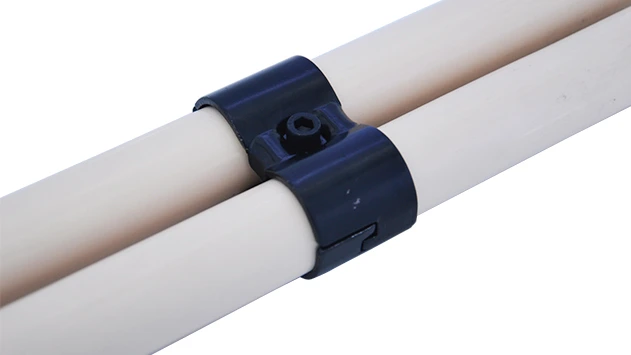
Parallel lean pipe joint used for 2 pcs 28MM lean pipe connection in parallel direction to enhance frame structure, usually for heavy payload requirement for workbench. flow rack, hand trolley.
The Backbone of Lean Systems—Why Parallel Lean Pipe Joints Matter
In the world of manufacturing and assembly, efficiency isn't just a buzzword—it's the lifeblood of operations. Lean systems, designed to minimize waste and maximize productivity, rely on components that are both durable and flexible. Enter the parallel lean pipe joint: a small but mighty part that holds together everything from workbenches and flow racks to turnover trolleys. These joints are the unsung heroes of modular lean setups, allowing teams to reconfigure workspaces on the fly, adapt to new production needs, and keep operations running like well-oiled machines.
But here's the thing: even the sturdiest lean pipe joint can fall short if its surface isn't properly treated. Whether it's resisting corrosion in a humid factory, standing up to constant wear from daily use, or maintaining a clean, professional look in a customer-facing facility, the right surface treatment can make or break a joint's performance. That's why today, we're diving deep into two of the most popular options: anodization and powder coating. By the end, you'll understand how each process works, which one fits different scenarios, and how to choose the best treatment for your parallel lean pipe joints.
What Are Parallel Lean Pipe Joints, Anyway?
Before we jump into surface treatments, let's make sure we're all on the same page about the star of the show: the parallel lean pipe joint. These components are the connectors that link aluminum lean pipes (or sometimes steel or plastic pipes) together, forming the framework of lean structures. Unlike fixed joints, parallel lean pipe joints are designed to create stable, parallel connections between pipes—think of them as the "elbows" or "T-joints" that keep racks, workbenches, and conveyors from wobbling or collapsing under load.
What makes them so valuable? Their modularity. A single parallel lean pipe joint can be combined with different lengths of aluminum lean pipe and accessories to build everything from a simple material rack to a complex assembly line workstation. They're the reason lean systems are so adaptable—when production needs change, you don't have to tear down and rebuild from scratch; you just reposition the joints and pipes. But for this flexibility to last, the joints themselves need to stand up to the demands of the job. That's where surface treatment comes in.

The Basics of Surface Treatment: Why It's Non-Negotiable
Imagine a parallel lean pipe joint fresh off the production line—raw aluminum, no coating, just bare metal. Now, picture that joint in a typical factory setting: exposed to moisture from cleaning sprays, scraped by tools or parts being moved around, and maybe even exposed to chemicals or oils. Without protection, that joint would start to corrode, weaken, or look worn in a matter of months. Surface treatment acts as a shield, but it's not just about protection. It also affects grip (important for assembly workers handling parts), aesthetics (critical in facilities where clients or auditors visit), and even functionality (like ESD protection in electronics manufacturing).
Two treatments dominate the industry for aluminum lean pipe joints: anodization and powder coating. Both aim to protect the metal, but they do it in very different ways, with unique pros and cons. Let's break them down.

Anodization: The Science of Building a Protective Shield
Anodization isn't just a coating—it's a transformation. This electrochemical process converts the surface of the aluminum into a hard, porous oxide layer, essentially turning the metal into its own armor. Here's how it works: the aluminum joint is submerged in an electrolyte solution (usually sulfuric acid), and an electric current is passed through it. The current causes oxygen ions to bond with the aluminum atoms on the surface, forming aluminum oxide (Al₂O₃). This oxide layer is integrated with the base metal, so it won't chip or peel off like a painted coating.
The result? A finish that's incredibly durable and resistant to corrosion. Anodized surfaces are also naturally non-conductive (unless sealed with a conductive coating), making them a good choice for ESD-sensitive environments—though we'll touch more on that later. Plus, the porous nature of the oxide layer means it can be dyed in a range of colors, from classic silver to deep blacks or blues, without compromising the finish's integrity.
But anodization isn't perfect. The process is more time-consuming and costly than powder coating, especially for small batches. The oxide layer is also thinner than most powder coatings (typically 5-20 microns, compared to 50-100 microns for powder), which means it's less resistant to heavy impacts or deep scratches. And while it's great at resisting corrosion from water and mild chemicals, it can still be damaged by strong acids or alkalis.
Powder Coating: The Art of Durable Color and Protection
If anodization is about integrating protection into the metal, powder coating is about wrapping it in a tough, colorful blanket. Powder coating uses finely ground particles of resin and pigment, electrostatically charged and sprayed onto the aluminum joint. The coated joint is then baked in an oven, where the powder melts and cures into a hard, uniform layer. Unlike anodization, which changes the metal's surface, powder coating is a separate layer bonded to the aluminum.
One of the biggest draws of powder coating is its versatility. It comes in virtually any color, texture (matte, gloss, textured), or finish (metallic, hammered, even fluorescent). This makes it ideal for facilities that want to color-code workstations (e.g., red for hazardous areas, green for assembly zones) or match brand colors. It's also thicker than anodization, so it offers superior impact resistance—great for joints that might get bumped by carts or tools.
Cost is another advantage. Powder coating is generally faster and more affordable for large batches, as the process can be automated and overspray is recyclable. However, it's not without downsides. The coating is a separate layer, so if it's scratched deeply enough to reach the aluminum, the exposed metal can start to corrode. Color consistency can also be tricky—different batches might have slight variations in shade. And while it's durable, powder coating can chip if hit with enough force, unlike anodized layers that are part of the metal itself.
Head-to-Head: Anodization vs. Powder Coating for Parallel Lean Pipe Joints
To really understand how these treatments stack up, let's compare them side by side. The table below breaks down key factors like durability, cost, and aesthetics to help you see which treatment fits different needs.
| Factor | Anodization | Powder Coating |
|---|---|---|
| Protection Type | Integrated oxide layer (part of the metal) | External polymer coating (bonded to metal) |
| Thickness | 5-20 microns (thinner) | 50-100 microns (thicker) |
| Corrosion Resistance | Excellent (resists water, mild chemicals) | Good (but scratches can lead to corrosion) |
| Impact Resistance | Moderate (can scratch, but oxide layer won't peel) | High (thicker layer absorbs impacts better) |
| Color Options | Limited (dyed oxides; typically silver, black, gold, blue) | Virtually unlimited (any color, texture, or finish) |
| Cost (Per Unit) | Higher (especially for small batches) | Lower (more cost-effective for large volumes) |
| Maintenance | Easy (mild soap and water; no touch-up needed for small scratches) | Requires touch-up for deep scratches (to prevent corrosion) |
| ESD Compatibility | Good (natural oxide layer is non-conductive; can be sealed for ESD) | Possible (special ESD powder coatings available, but adds cost) |
Real-World Applications: When to Choose Which Treatment
Numbers and tables are helpful, but nothing beats real-world scenarios. Let's walk through a few common situations where one treatment might outshine the other.
Scenario 1: High-Moisture or Corrosive Environments (e.g., Food Processing, Pharmaceutical Labs)
In facilities where daily washdowns with water or mild chemicals are routine, corrosion resistance is king. Anodization's oxide layer is naturally resistant to water and many cleaning agents, making it a better choice here. For example, a parallel lean pipe joint used in a food packaging line, where sanitizing sprays are used multiple times a day, would hold up far longer with anodization than powder coating, which could start to bubble or peel if moisture seeps through a scratch.
Scenario 2: Heavy-Duty Assembly Lines with Frequent Impact (e.g., Automotive Manufacturing)
Automotive plants are tough on equipment—carts are rolled into workbenches, tools are dropped, and parts are moved quickly. Here, impact resistance matters most. Powder coating's thicker layer can absorb bumps and scrapes that would scratch anodized aluminum. A parallel lean pipe joint on a material rack in an auto assembly line, for instance, would benefit from powder coating to withstand the daily wear and tear without chipping or weakening.
Scenario 3: Cleanrooms or Aesthetic-Focused Facilities (e.g., Electronics Manufacturing, Client Showrooms)
In cleanrooms or facilities where appearance is critical (like a tech company's assembly line that clients tour), a sleek, uniform finish is key. Anodization offers a smooth, matte or satin look that's consistent and professional. Powder coating can look great too, but slight color variations between batches might be noticeable in a high-visibility area. Plus, anodized surfaces are easier to keep clean—no texture for dust or debris to hide in—making them ideal for cleanroom environments.
Scenario 4: Cost-Sensitive Projects with High Volume (e.g., Mass-Produced Workbenches for Warehouses)
When you're producing hundreds or thousands of parallel lean pipe joints for a large warehouse project, budget becomes a major factor. Powder coating is faster to apply and more cost-effective at scale, making it the go-to choice here. A lean pipe supplier fulfilling a bulk order for basic material racks, for example, would likely recommend powder coating to keep costs down while still providing adequate protection for a dry, low-impact warehouse environment.
Beyond the Coating: Maintenance and Longevity
Choosing the right treatment is just the first step—how you maintain the joints affects their lifespan too. Anodized joints are low-maintenance: a quick wipe with mild soap and water is usually enough to keep them clean. If they do get scratched, the damage is cosmetic; the underlying oxide layer is still intact, so corrosion isn't a risk. Powder-coated joints need a bit more care: avoid using abrasive cleaners (which can strip the coating), and if a scratch goes through to the aluminum, touch it up with a matching paint pen to prevent rust. With proper care, both treatments can last 5-10 years in typical factory conditions, but anodization may edge out powder coating in harsh environments.
Making the Right Choice: Key Considerations for Manufacturers and Suppliers
As a lean pipe supplier or manufacturer, the goal is to offer solutions that meet your clients' unique needs. Here are the key questions to ask when recommending a surface treatment for parallel lean pipe joints:
1. What's the environment like? Is it humid, dry, corrosive, or clean? Anodization for moisture or chemicals, powder coating for impact.
2. What's the budget? High-volume, cost-sensitive projects lean toward powder coating; premium or small-batch jobs may justify anodization.
3. Aesthetics matter? If color consistency or a sleek finish is key, anodization is better. For bold colors or texture, powder coating wins.
4. Any special requirements? ESD protection, FDA compliance (for food contact), or specific industry standards? Anodization is easier to adapt for ESD, while powder coating can meet FDA requirements with the right formulation.
The best lean pipe suppliers often offer both treatments, giving clients the flexibility to choose based on their project. For example, a supplier might recommend anodized joints for a pharmaceutical client's cleanroom and powder-coated joints for a local manufacturer's budget-friendly assembly line.
Conclusion: Elevating Lean Systems Through Smart Surface Treatment
Parallel lean pipe joints might be small, but their impact on lean systems is huge. The choice between anodization and powder coating isn't just about looks—it's about ensuring those joints can keep up with the demands of your facility, protect your investment, and support efficient operations for years to come. Anodization offers unbeatable corrosion resistance and a sleek finish, making it ideal for harsh or clean environments. Powder coating shines in high-impact, cost-sensitive, or color-critical applications. By understanding the strengths of each treatment and matching them to your project's needs, you can build lean systems that are not just efficient, but built to last.
At the end of the day, the best surface treatment is the one that aligns with your goals—whether that's durability, cost, aesthetics, or compliance. And with the right lean pipe supplier by your side, you can rest easy knowing your parallel lean pipe joints are protected, functional, and ready to support your team's success.