- Company Articles
- Products and Technology
- Product knowledge
- Parallel Lean Pipe Joints & Lean Accessories: Creating Cohesive Systems

Parallel Lean Pipe Joints & Lean Accessories: Creating Cohesive Systems
Related Product
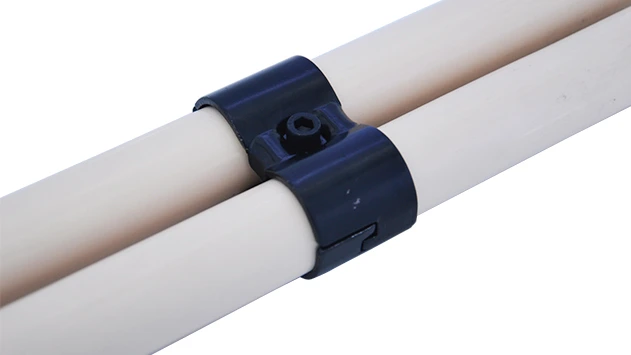
Parallel Lean Pipe Joint
Parallel lean pipe joint used for 2 pcs 28MM lean pipe connection in parallel direction to enhance frame structure, usually for heavy payload requirement for workbench. flow rack, hand trolley.
The Heart of Lean Manufacturing – Cohesive Systems
Walk into any well-run manufacturing facility, and you'll notice something immediately: order. Not the rigid, inflexible kind that feels more like a museum exhibit than a workspace, but a dynamic, purposeful flow where every tool, every workstation, and every piece of material has a clear role. This isn't just good housekeeping—it's the result of a cohesive lean system. At its core, lean manufacturing is about eliminating waste, optimizing efficiency, and creating value for customers. But none of that happens by accident. It requires systems that work together seamlessly, where each component supports the next, and adaptability is built in from the start.
Imagine a production line where a workbench is too tall for operators, forcing them to stretch and slow down. Or a material rack that's awkwardly placed, making it a hassle to retrieve parts. These small inefficiencies add up—wasted time, increased fatigue, and bottlenecks that grind productivity to a halt. The solution? Cohesive systems built on modular, flexible components that can be tailored to your unique workflow. And at the center of these systems lie two unsung heroes: parallel lean pipe joints and lean accessories. Together, they're the building blocks that turn disjointed workspaces into synchronized hubs of productivity.
Understanding Parallel Lean Pipe Joints: The Unsung Heroes of Flexibility
If lean systems were a language, parallel lean pipe joints would be the grammar—they hold everything together, ensuring clarity and structure. But what exactly are these joints, and why do they matter so much? Let's start with the basics. Parallel lean pipe joints are connectors designed to link lean pipes (hollow tubes, often made of steel, aluminum, or plastic-coated materials) into stable, modular structures. Unlike fixed welding or permanent fasteners, these joints allow for quick assembly, disassembly, and reconfiguration—key traits for a lean environment where change is constant.
What sets parallel lean pipe joints apart is their design. As the name suggests, they're engineered to connect pipes in parallel arrangements, creating sturdy frameworks for everything from workbenches to material racks. But their versatility doesn't stop there. Many models feature rotating or swiveling components, allowing pipes to be adjusted at different angles or heights without replacing the joint itself. This flexibility is a game-changer for manufacturers. Need to raise a workbench by a few inches to accommodate taller operators? Swap out a joint, adjust the pipes, and you're done. Launching a new product that requires a wider material rack? Add a few extra pipes and joints, and the system adapts in hours, not days.
Material Matters: Choosing the Right Joint for Your Needs
Parallel lean pipe joints come in a range of materials, each suited to different environments and load requirements. Steel joints, for example, are known for their durability and high weight capacity—ideal for heavy-duty applications like automotive assembly lines, where racks might hold hundreds of pounds of parts. Aluminum joints, on the other hand, are lighter and resistant to corrosion, making them perfect for cleanrooms or food processing facilities where hygiene and weight matter. Even plastic-coated joints have their place, offering a cost-effective option for lighter loads or temporary setups.
| Joint Type | Material | Key Features | Best For |
|---|---|---|---|
| Parallel Fixed Joint | Steel | High load capacity (up to 500kg), non-rotating | Heavy workbenches, static material racks |
| Parallel Rotatory Joint | Aluminum | 360° rotation, lightweight, corrosion-resistant | Adjustable workstations, mobile trolleys |
| Plastic-Coated Parallel Joint | Steel core with plastic coating | Cost-effective, non-slip grip, ESD-safe options | Electronics assembly, temporary setups |
But it's not just about material—design matter too. Look for joints with secure locking mechanisms, like cam levers or set screws, that hold pipes firmly in place without slipping. Some joints even feature built-in cable management channels, keeping wires and hoses organized and out of the way. These small touches might seem minor, but they're what turn a basic structure into a truly efficient system.

Lean Accessories: The Details That Make the System Click
If parallel lean pipe joints are the grammar of lean systems, lean accessories are the vocabulary—they add nuance, specificity, and functionality. You could have the sturdiest pipes and joints, but without the right accessories, your system will feel incomplete. From caster wheels that let workbenches roll to flow rack components that move materials effortlessly, these accessories are the details that transform a basic frame into a tool that works with your team, not against them.
Caster Wheels: Mobility Without Compromise
Let's start with one of the most essential accessories: caster wheels. In a lean environment, mobility is key. Whether you're moving a workbench to a new production line, transporting parts from storage to assembly, or reconfiguring a workspace for a rush order, caster wheels turn static structures into dynamic assets. But not all caster wheels are created equal. The right wheel depends on your floor type, load size, and how often the structure will move.
Swivel caster wheels, for example, offer 360° rotation, making it easy to maneuver tight corners or navigate around obstacles. They're perfect for workbenches that need to be positioned precisely next to assembly lines. Fixed caster wheels, on the other hand, only roll forward and backward, providing stability for heavier loads like material racks that don't need frequent repositioning. And for added safety, many caster wheels come with brake mechanisms—simple levers that lock the wheel in place, preventing accidental movement during use.
Material matters here too. Rubber caster wheels are gentle on hardwood or tile floors, reducing noise and preventing scratches. Nylon wheels, meanwhile, are durable and heat-resistant, making them ideal for warehouses with concrete floors or high-temperature environments. Even the size plays a role: larger wheels (4-6 inches) roll more easily over uneven surfaces, while smaller wheels (2-3 inches) are better for tight spaces where precision is key.
Flow Rack Components: Keeping Materials Moving
Another critical category of lean accessories is flow rack components. Flow racks are designed to store materials in a way that minimizes picking time—typically using gravity to feed parts forward as they're used. But without the right accessories, a flow rack is just a shelf. Roller tracks, for example, are the backbone of any flow rack. These tracks consist of small, rotating rollers that let boxes or bins glide smoothly from the back to the front of the rack, ensuring the next part is always within reach. They come in various materials: plastic rollers for lightweight items like electronics components, steel rollers for heavier loads like automotive parts, and even ESD-safe options for sensitive equipment.
Guides and dividers are another must-have. These accessories keep materials organized, preventing bins from tipping or sliding into adjacent lanes. Plastic guide rails, often yellow or grey for visibility, snap onto roller tracks to create clear boundaries. For taller items, vertical dividers can be added to separate different SKUs, making it easy for operators to quickly identify and retrieve what they need. Even small details like end stops—plastic or metal barriers at the front of the rack—play a role, preventing bins from sliding off the track entirely.

Building Blocks in Action: Lean Pipe Workbench & Flow Rack Integration
Now that we've explored the components, let's see how they come together in real-world systems. Take the lean pipe workbench, for example—a staple in assembly lines, labs, and workshops. At first glance, it might look like a simple table, but under the surface, it's a masterclass in modular design. The frame is built using lean pipes and parallel lean pipe joints, creating a sturdy base that can be adjusted for height (thanks to rotatory joints) or width (by adding extra pipes). The top surface might be a wooden, metal, or anti-static composite panel, depending on the application. And with caster wheels attached to the base, the entire workbench can be rolled to wherever it's needed—no heavy lifting required.
But the magic is in the accessories. A typical lean pipe workbench might include a pegboard on the back for hanging tools, a small flow rack attachment on the side for storing frequently used parts, and even a keyboard tray that slides out and tucks away. Need to add a monitor arm for digital work instructions? Just attach it to the frame using a compatible joint. Want to include a bin for scrap materials? Screw a bracket to the side and slide the bin in. This level of customization means the workbench grows with your needs, not the other way around.
Flow Racks: From Storage to Production, Seamlessly
Now pair that workbench with a flow rack, and you've got a system that minimizes waste at every turn. Imagine an electronics assembly line where operators build circuit boards. The flow rack is positioned behind the workbench, loaded with bins of resistors, capacitors, and diodes. Each bin sits on a roller track, so when an operator takes the last component from the front bin, the next bin slides forward automatically. No more walking to a distant storage room or rummaging through disorganized shelves—parts are always within arm's reach.
But it's not just about proximity. Flow racks are also designed with FIFO (First-In, First-Out) in mind, ensuring older inventory is used first, reducing waste from expired or obsolete parts. And because they're built with the same lean pipes and parallel joints as the workbench, the flow rack can be adjusted to match the workbench's height, creating a seamless transition from storage to assembly. Need to add more lanes to the flow rack during a busy season? Just attach extra roller tracks and dividers. Downsize during slower periods? Disassemble and store the components for later use. It's flexibility at its finest.
| System Component | Key Accessories | Benefits | Example Workflow |
|---|---|---|---|
| Lean Pipe Workbench | Caster wheels, pegboard, keyboard tray | Mobile, customizable, ergonomic | Operator assembles product; tools hang on pegboard, parts retrieved from adjacent flow rack |
| Flow Rack | Roller tracks, plastic guides, end stops | FIFO inventory, reduced picking time | Bins of components slide forward as used; operator grabs next bin without leaving workstation |
| Turnover Trolley | Swivel caster wheels, fold-down sides | Easy material transport, space-saving storage | Trolley loaded with finished products is rolled to packaging area; sides fold down when empty for stacking |
Creating Cohesion: How Components Work as One
To truly appreciate the power of these systems, let's walk through a day in the life of a small manufacturing facility before and after implementing parallel lean pipe joints and accessories. Before the upgrade, the facility had a typical setup: fixed wooden workbenches bolted to the floor, metal shelves for storage, and plastic bins scattered haphazardly. Operators spent 15-20 minutes each hour walking to retrieve parts from the shelves, which were located 50 feet from the assembly line. Workbenches were a one-size-fits-all height, leading to complaints of back pain. And when a new product line was introduced, the team had to build custom shelves from scratch, a process that took two weeks and required outside contractors.
After the upgrade, everything changed. The fixed workbenches were replaced with lean pipe workbenches on caster wheels, adjusted to each operator's height using parallel rotatory joints. A flow rack was installed directly behind the workbenches, loaded with roller tracks and plastic guide rails. Now, parts roll forward as they're used, and operators can reach everything they need without leaving their stations. The old metal shelves were repurposed into a secondary storage area, using lean pipe joints to add extra levels and dividers, doubling its capacity.
The results? Picking time dropped by 75%, freeing up operators to focus on assembly. Back pain complaints decreased by 90%, thanks to ergonomically adjusted workbenches. And when the new product line launched, the team reconfigured the flow rack and workbenches in a single day—no contractors needed. Cohesion had transformed their workflow from a series of disconnected tasks into a smooth, efficient process where every component supported the next.
Choosing the Right Components: Material, Supplier, and Customization
Building a cohesive lean system isn't just about buying any parallel lean pipe joints or accessories—it's about choosing the right ones for your needs. With so many options on the market, it can be overwhelming, but breaking it down into three key factors—material, supplier, and customization—makes the process manageable.
Material Selection: Matching Components to Your Environment
Start with materials. As we discussed earlier, steel is ideal for heavy loads and durability, but it's heavier and prone to rust in environments. Aluminum is lightweight and corrosion-resistant, making it great for cleanrooms or outdoor use, but it has a lower load capacity than steel. Plastic-coated lean pipes and joints offer a middle ground—affordable, easy to clean, and available in ESD-safe options for electronics manufacturing. Consider your workspace: Is it a dry warehouse, a humid food processing plant, or a sterile lab? Answering that question will narrow down your material choices.
Selecting a Reliable Supplier
Next, choose a supplier you can trust. A good lean pipe supplier should offer more than just products—they should be a partner in your lean journey. Look for suppliers with a wide range of components, from parallel lean pipe joints to caster wheels to flow rack accessories, so you can source everything from a single vendor (reducing lead times and simplifying logistics). Check their quality control processes: Do they test joints for load capacity? Are their caster wheels certified for safety standards? Read reviews from other customers, and ask for case studies or references—real-world examples of how their products have improved efficiency.
Customer support is another red flag. A reliable supplier should have a team of experts who can help you design your system, recommend the right components, and troubleshoot issues if they arise. Avoid suppliers who push one-size-fits-all solutions—your workflow is unique, and your components should be too.
Customization: Tailoring to Your Workflow
Finally, don't underestimate the power of customization. Many suppliers offer made-to-order options, from custom-length lean pipes to specialized joints for unique configurations. For example, if you need a workbench with a curved edge to fit into a corner, a supplier should be able to cut the pipes and provide the right joints to make that happen. If your flow rack needs to accommodate extra-wide bins, they should offer extended roller tracks or adjustable dividers. The goal is to build a system that fits your workflow, not the other way around.
The Future of Cohesive Lean Systems: Innovation and Sustainability
As manufacturing evolves, so too do the components that power lean systems. Innovation is driving new materials and designs that make cohesive systems even more efficient. Take aluminum lean pipe, for example. Once considered a niche option, aluminum is gaining popularity thanks to its lightweight properties and recyclability. New alloys are making it stronger than ever, closing the gap with steel in load capacity while remaining corrosion-resistant. Even aluminum pipe accessories are getting upgrades, with quick-connect joints that require no tools—just a simple twist to lock pipes in place.
Sustainability is another growing trend. Manufacturers are increasingly looking for ways to reduce waste, and modular lean systems align perfectly with that goal. Unlike fixed structures that end up in landfills when they're no longer needed, lean pipes and joints can be disassembled, reconfigured, and reused for new projects. Many suppliers now offer take-back programs for old components, recycling them into new pipes or joints. Even accessories like caster wheels are being designed with sustainability in mind, using recycled plastics or biodegradable lubricants.
Technology is also playing a role. Smart lean accessories, like sensor-equipped roller tracks that monitor inventory levels and send alerts when bins are low, are starting to emerge. Imagine a flow rack that automatically notifies your warehouse team when a part is running out, preventing stockouts before they happen. Or caster wheels with built-in tracking chips that help managers optimize workstation layouts by analyzing movement patterns. These innovations aren't just futuristic—they're already being tested in forward-thinking facilities, and they promise to take cohesive lean systems to the next level.
Conclusion: Investing in Cohesion for Long-Term Success
At the end of the day, cohesive lean systems are more than just a collection of pipes, joints, and accessories—they're an investment in your team, your productivity, and your bottom line. By choosing parallel lean pipe joints that offer flexibility, lean accessories that add functionality, and integrating components like lean pipe workbenches and flow racks, you're creating a workspace that adapts to change, minimizes waste, and empowers your operators to do their best work.
The benefits are clear: reduced downtime, increased efficiency, and a culture of continuous improvement. Whether you're a small workshop just starting your lean journey or a large manufacturer looking to optimize existing systems, the key is to focus on cohesion. Every component should work with the others, creating a seamless flow that turns chaos into order, inefficiency into productivity, and challenges into opportunities.
So, take a look at your current workspace. Are your workbenches fixed in place, or can they be adjusted? Are materials easy to reach, or do operators waste time retrieving them? Could parallel lean pipe joints and lean accessories transform your workflow? The answers might surprise you. Cohesive systems aren't just for "other" manufacturers—they're for anyone who wants to work smarter, not harder. And with the right components, the possibilities are endless.