- Company Articles
- Products and Technology
- Product knowledge
- Parallel Lean Pipe Joints in Packaging Lines: Stability for High-Speed Operations

Parallel Lean Pipe Joints in Packaging Lines: Stability for High-Speed Operations
Related Product
Parallel Lean Pipe Joint
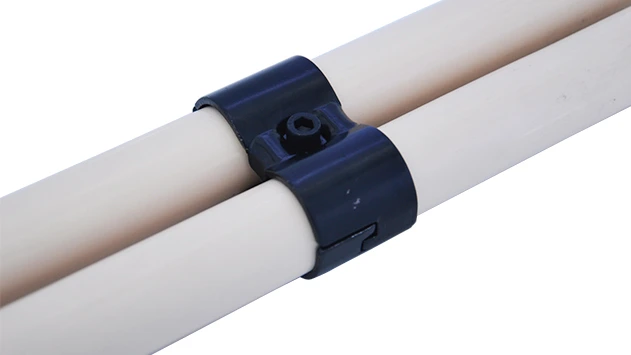
Parallel lean pipe joint used for 2 pcs 28MM lean pipe connection in parallel direction to enhance frame structure, usually for heavy payload requirement for workbench. flow rack, hand trolley.
In the fast-paced world of manufacturing, packaging lines are the unsung heroes that bridge production and delivery. These lines hum with activity, moving products at speeds that demand precision, reliability, and—above all—stability. A single misalignment, a loose connection, or a wobbly structure can bring an entire line to a halt, leading to missed deadlines, damaged goods, and frustrated teams. Yet, amid the buzz of conveyor belts and the clatter of machinery, there's a component that often goes unnoticed but plays a critical role in keeping everything running smoothly: the parallel lean pipe joint. These unassuming connectors are the backbone of stable, high-performance packaging systems, ensuring that even at top speeds, your operation remains steady, efficient, and resilient.
What Are Parallel Lean Pipe Joints?
Before diving into their impact, let's start with the basics: what exactly are parallel lean pipe joints? At their core, these are specialized connectors designed to link lean pipes—hollow tubes commonly made of aluminum, steel, or plastic—in parallel configurations. Unlike fixed 90-degree joints or swivel connectors, parallel lean pipe joints are engineered to maintain alignment between two or more pipes running alongside each other, creating rigid, load-bearing structures that resist lateral movement and vibration. Think of them as the "glue" that holds together workbenches, flow racks, conveyors, and material trolleys in packaging lines, ensuring these structures can withstand the constant stress of high-speed operations.
Most parallel lean pipe joints are made from durable materials like die-cast aluminum or stainless steel, chosen for their strength-to-weight ratio and resistance to corrosion. They typically feature a clamp-style design, with screws or bolts that secure the joint tightly to the pipes, eliminating play and reducing the risk of loosening over time. Some models even include rubberized gaskets or anti-slip coatings to further enhance grip, ensuring the joint stays firm even when exposed to oils, moisture, or temperature fluctuations common in manufacturing environments.
The Critical Role of Stability in High-Speed Packaging Lines
Stability might sound like a given, but in high-speed packaging lines, it's nothing short of make-or-break. Consider this: a typical food packaging line can process 1,000+ items per minute. At that pace, even a minor vibration can cause products to shift, leading to jams in flow racks or misalignment on conveyors. Over time, these issues compound: a loose joint might start as a small wobble, then grow into a full-blown sag, forcing operators to stop the line for repairs. The cost of downtime here is staggering—industry estimates suggest that unplanned can cost manufacturers up to $22,000 per minute in some sectors. Add in the expense of damaged goods, rework, and labor hours lost to troubleshooting, and it's clear: stability isn't just a nicety; it's a financial imperative.
But stability isn't just about avoiding disasters—it's about optimizing performance. A stable packaging line runs smoother, with fewer interruptions, allowing for consistent output and higher throughput. It also reduces wear and tear on equipment: when structures are rigid and aligned, conveyors, rollers, and motors don't have to work overtime to compensate for misalignment, extending their lifespan and lowering maintenance costs. Perhaps most importantly, stability enhances safety. Loose joints or wobbly workbenches pose trip hazards or risk collapsing under heavy loads, endangering operators and leading to costly workplace incidents. In short, stability is the foundation upon which all other efficiency gains are built.

Parallel Lean Pipe Joints in Action: Key Applications in Packaging Lines
Now that we understand why stability matters, let's explore where parallel lean pipe joints shine in packaging operations. From flow racks that feed products to conveyors to workbenches where teams assemble packages, these joints are everywhere—quietly ensuring each component works in harmony.
1. Flow Racks: Keeping Products Moving Smoothly
Flow racks are a staple in packaging lines, using gravity to slide products from loading to picking zones. They're designed for speed, but speed means nothing if products get stuck halfway down the rack. This is where parallel lean pipe joints prove their worth. Flow racks rely on parallel rails (often made of lean pipe) to guide products, and even a tiny gap or tilt between these rails can cause jams. Parallel lean pipe joints secure the rails in perfect alignment, ensuring the slope is consistent across the entire rack. Whether you're moving lightweight cartons or heavy bottles, the joints distribute weight evenly, preventing sagging in the middle of the rack and keeping products gliding smoothly toward their destination.
Take, for example, a beverage packaging plant that upgraded to parallel lean pipe joints in its flow racks. Previously, the plant struggled with frequent jams as plastic bottles—top-heavy and prone to tipping—would catch on misaligned rails. After installing aluminum parallel joints, the racks maintained a steady slope, reducing jams by 40% and cutting downtime by 15 hours per week. The result? A 20% boost in throughput and a significant drop in product damage.
2. Conveyors: Stability for Continuous Motion
Conveyors are the arteries of packaging lines, moving products between stations—from filling to capping to labeling to boxing. These systems operate 24/7 in many facilities, subjecting their structures to constant vibration and dynamic loads. A conveyor frame that flexes or shifts can throw off belt alignment, leading to uneven wear, frayed edges, or even belt slippage. Parallel lean pipe joints address this by reinforcing the conveyor's support structure. By connecting the frame's side rails in parallel, these joints create a rigid backbone that resists twisting, even when heavy loads (like pallets of packaged goods) pass over. This stability ensures the conveyor belt stays centered, reducing friction and extending its lifespan while minimizing the need for frequent adjustments.
Consider a cosmetics manufacturer that was struggling with belt misalignment on its main packaging conveyor. The culprit? Loose, outdated joints that allowed the conveyor's side rails to shift under the weight of glass jars. After switching to stainless steel parallel lean pipe joints, the rails stayed perfectly aligned, and belt adjustments dropped from once per shift to once per month. The team also noticed a reduction in noise—another bonus of a stable system—making the workspace more comfortable for operators.
3. Workbenches: A Solid Foundation for Precision Tasks
Packaging isn't just about moving products—it's about preparing them for shipment. Workbenches are where operators inspect goods, apply labels, or assemble custom packages, tasks that require steady hands and a stable surface. A wobbly workbench can lead to mistakes: a misapplied barcode, a smudged label, or even a dropped product. Parallel lean pipe joints solve this by creating sturdy, level work surfaces. When paired with aluminum or steel lean pipes, these joints form a frame that can support heavy tools, laptops, and materials without flexing. Many workbenches also include overhead shelves or side racks (for storing boxes or tape dispensers), and parallel joints ensure these add-ons stay secure, preventing items from falling onto the workspace below.
A pharmaceutical packaging facility learned this lesson firsthand when it upgraded its inspection workbenches. Previously, the benches—held together with basic plastic joints—would shake when operators leaned on them, making it hard to read small print on medication labels. By retrofitting the frames with parallel aluminum lean pipe joints, the benches became rock-solid. Inspectors reported fewer eye strains and faster task completion, and the facility saw a 12% drop in labeling errors within the first month.

Why Parallel Lean Pipe Joints Outperform Traditional Connectors
You might be wondering: can't other types of joints do the same job? The short answer is no. Traditional connectors—like fixed 90-degree joints or friction-fit plastic clamps—are designed for specific angles or light loads, not the demands of parallel alignment in high-speed environments. Let's break down the key advantages that make parallel lean pipe joints the superior choice:
| Feature | Parallel Lean Pipe Joints | Traditional Fixed Joints | Plastic Friction Clamps |
|---|---|---|---|
| Alignment | Maintains parallel pipe alignment, even under load | Fixed at 90 degrees; no parallel support | Prone to shifting; relies on friction alone |
| Load Capacity | Supports 200+ kg per joint (aluminum/steel models) | Limited to 100-150 kg; may bend under stress | Low (50-80 kg); deforms over time |
| Vibration Resistance | Secure clamp design reduces loosening from vibration | Screws may back out; requires frequent retightening | Slips easily; high maintenance |
| Durability | Aluminum/stainless steel construction; resists corrosion | Often made of mild steel; prone to rust | Plastic degrades with heat/oils; short lifespan |
Another advantage is flexibility. Unlike welded structures, which are permanent and hard to modify, parallel lean pipe joints allow for quick reconfiguration. If your packaging line needs to adapt to a new product size or layout, you can loosen the joints, adjust the pipes, and retighten—no cutting or welding required. This agility is invaluable in today's manufacturing landscape, where product lines change frequently and downtime for retooling is costly.
Choosing the Right Parallel Lean Pipe Joints for Your Line
Not all parallel lean pipe joints are created equal, and selecting the right ones for your packaging line requires careful consideration. Here are a few key factors to keep in mind:
Material: Aluminum joints are lightweight and corrosion-resistant, making them ideal for clean environments like food or pharmaceutical packaging. Stainless steel joints offer extra strength for heavy-duty applications, such as automotive or industrial packaging. Avoid plastic joints for high-speed lines—they lack the durability to withstand constant vibration.
Load Capacity: Check the joint's weight rating to ensure it can handle your typical product loads. If you're using the joint in a flow rack that holds 50kg boxes, opt for a joint rated for at least 75kg to account for dynamic stress (e.g., boxes sliding onto the rack).
Compatibility: Ensure the joint fits your existing lean pipes. Most joints are designed for standard pipe diameters (e.g., 28mm for aluminum lean pipe), but double-check measurements to avoid mismatches. A reputable lean pipe supplier can help you confirm compatibility.
Environmental Resistance: If your line is exposed to moisture, chemicals, or extreme temperatures, choose joints with protective coatings (like zinc plating for steel) or materials (like stainless steel) that resist degradation.
Installation and Maintenance Tips for Long-Lasting Stability
Even the best parallel lean pipe joints won't perform well if installed incorrectly. Follow these tips to ensure your joints deliver maximum stability:
Pre-Installation Prep: Clean the ends of your lean pipes to remove dirt, oil, or rust—this ensures the joint clamps tightly. Use a level to mark parallel lines on your work surface before assembling, so pipes start aligned from the get-go.
Tighten Properly: Use a torque wrench to tighten joint screws to the manufacturer's recommended setting. Over-tightening can strip threads; under-tightening leaves room for movement. Most aluminum joints require 15-20 Nm of torque, while steel joints may need 25-30 Nm.
Regular Inspections: Add joint checks to your preventive maintenance schedule. Look for loose screws, bent components, or signs of wear (like cracks in the clamp). Tighten or replace joints as needed—catching issues early prevents bigger problems later.
Lubrication: For joints with moving parts (e.g., adjustable clamps), apply a small amount of machine oil every 6 months to keep them operating smoothly. Avoid over-lubricating, as excess oil can attract dust and debris.
The Bottom Line: Stability Drives Success
In the race to meet production targets, it's easy to focus on flashy upgrades like faster conveyors or automated pickers. But as any seasoned plant manager will tell you, the real efficiency gains come from the basics—like stable, reliable infrastructure. Parallel lean pipe joints might not grab headlines, but they deliver tangible results: fewer line stops, less product damage, lower maintenance costs, and happier, more productive teams. By investing in quality joints and pairing them with a thoughtful installation and maintenance plan, you're not just building a better packaging line—you're building a more resilient, profitable operation.
So the next time you walk past your packaging line, take a moment to look at those unassuming connectors holding it all together. They're not just joints—they're the quiet champions keeping your business moving forward, one stable step at a time.