- Company Articles
- Products and Technology
- Product knowledge
- Parallel Lean Pipe Joints with One Side Rotatory: Environmental Benefits of Reusable Design

Parallel Lean Pipe Joints with One Side Rotatory: Environmental Benefits of Reusable Design
Related Product
Parallel Lean Pipe Joint
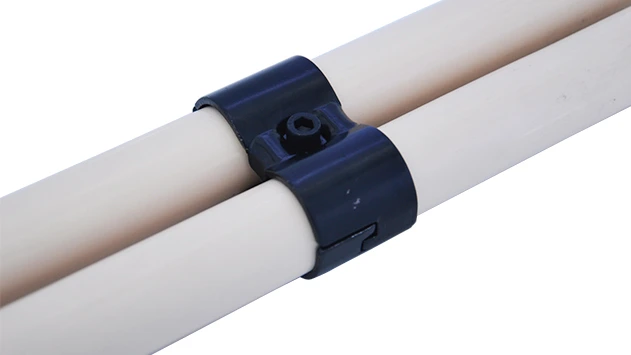
Parallel lean pipe joint used for 2 pcs 28MM lean pipe connection in parallel direction to enhance frame structure, usually for heavy payload requirement for workbench. flow rack, hand trolley.
Walk into any manufacturing facility today, and you'll likely notice a quiet revolution unfolding. It's not in the flashy new robots or high-tech software—though those have their place. No, this revolution is quieter, more intentional, and rooted in a simple question: How can we do more with less, while leaving a lighter footprint on our planet? For decades, factories have grappled with waste—of materials, time, and resources. Outdated production lines, rigid workbenches bolted to the floor, and fixed storage racks that become obsolete the moment a product design changes—these are the hidden costs of traditional manufacturing setups. But what if there was a way to build systems that adapt, evolve, and even get a second life? Enter lean pipe systems, and at their heart, a small but mighty component: the parallel lean pipe joint with one side rotatory.
In this article, we're going to dive deep into how this unassuming joint is reshaping sustainability in manufacturing. We'll explore its design, its role in creating reusable lean systems, and the tangible environmental benefits it brings—from reducing landfill waste to cutting carbon emissions. Whether you're a plant manager looking to streamline operations, a sustainability officer tracking your company's eco-footprint, or simply curious about how small innovations drive big change, this is a story about how reusability is becoming the cornerstone of modern manufacturing.
Lean Pipe Systems: More Than Just Pipes and Joints
Before we zoom in on the parallel lean pipe joint, let's take a step back and understand the bigger picture: lean pipe systems. If you've ever visited a workshop or assembly line, you've probably seen them—modular structures made from lightweight pipes and connectors, forming workbenches, flow racks, conveyor systems, or material trolleys. But these aren't just any pipes. Lean pipes, often made from aluminum, stainless steel, or plastic-coated steel, are designed with one goal in mind: flexibility. And flexibility, as it turns out, is the first step toward sustainability.
Traditional manufacturing setups are built to last— too last, in fact. A welded steel workbench might serve its purpose for five years, but when the product line shifts, that bench becomes dead weight. You can't take it apart, reconfigure it, or repurpose it. So, it ends up in a landfill, and you buy a new one. That's a cycle of waste that lean pipe systems were created to break. By using modular components—pipes, joints, and accessories—these systems can be assembled, disassembled, and reassembled in endless configurations, adapting to changing needs without scrapping the entire structure.
Among the materials used for lean pipes, aluminum lean pipe has emerged as a standout for sustainability. Aluminum is not only lightweight and durable but also highly recyclable. Unlike plastic, which degrades over time, or steel, which is heavier and requires more energy to transport, aluminum lean pipe strikes a balance between strength and eco-friendliness. And when paired with the right joints—like the parallel lean pipe joint with one side rotatory—it becomes a powerhouse for reusability.
The Star of the Show: Parallel Lean Pipe Joints with One Side Rotatory
Now, let's meet the hero of our story: the parallel lean pipe joint with one side rotatory. At first glance, it might look like just another connector—a small, often metallic piece with holes for pipes and a mechanism that allows rotation. But its design is deceptively clever. Unlike fixed joints, which lock pipes into a rigid angle, this joint has a rotating side that lets pipes pivot, adjust, and reposition without being unscrewed or replaced. Imagine building a shelving unit where you can adjust the height of a shelf by simply rotating a joint, rather than taking the entire unit apart. That's the magic of the one-side rotatory feature.
But what makes it "parallel"? In lean systems, pipes often run parallel to each other—think of the horizontal bars on a workbench or the rails on a flow rack. A parallel joint is specifically designed to connect these parallel pipes while maintaining stability, even as they're adjusted. The one-side rotatory function adds a layer of adaptability: if you need to angle a section of the rack to accommodate a new material size, or lower a workbench surface for a different operator, you don't need new parts—just a quick twist of the joint. It's like having a toolkit that bends to your needs, not the other way around.
To truly appreciate this design, let's compare it to a common alternative: fixed plastic or welded steel joints. Fixed joints are cheap and easy to install, but they're one-and-done. Once you lock two pipes together at a 90-degree angle, that's it. If you later need a 45-degree angle, or if a pipe gets damaged, you have to cut the joint off, buy a new one, and start over. That's not just time-consuming—it's wasteful. The parallel lean pipe joint with one side rotatory, on the other hand, is built to be reused. Its durable construction (often made from aluminum or high-grade plastic) withstands repeated adjustments, and its modular design means you can swap out pipes or reposition the joint without damaging either component.

Reusability: The Environmental Game-Changer
At this point, you might be thinking, "Okay, modular systems sound convenient, but how does that translate to environmental benefits?" The answer lies in reusability—and reusability is the single most effective way to reduce manufacturing's environmental impact. Let's break it down.
Every time a traditional fixed structure is scrapped, it contributes to two types of waste: material waste and embodied carbon waste. Material waste is obvious—the steel, plastic, or wood that ends up in a landfill. Embodied carbon waste is less visible but equally critical: the energy used to mine, process, and transport those materials in the first place. For example, producing a ton of steel emits around 1.8 tons of CO2. If that steel is only used for five years before being discarded, that's a huge carbon investment for a short lifespan. Reusability extends the lifespan of materials, spreading that carbon cost over decades instead of years.
This is where the parallel lean pipe joint with one side rotatory shines. By enabling easy reconfiguration, it turns a single lean pipe system into a multi-purpose tool that can adapt to changing needs. Let's say a electronics manufacturer uses a lean pipe workbench for assembling smartphones. After two years, they shift to tablets, which require a wider workspace. With traditional fixed joints, they'd need a new workbench. But with parallel rotatory joints, they can disassemble the existing bench, add a few extra aluminum lean pipes, and reconfigure it into a wider bench—no new materials needed. Later, when they launch a smaller wearable device, they can take apart that bench and build a compact testing station instead. That original set of pipes and joints might serve three different purposes over 10 years, slashing the need for new materials and the carbon emissions that come with them.
To put this in perspective, let's look at a real-world comparison. A study by the Lean Manufacturing Association found that companies using modular lean pipe systems reduced their material waste by an average of 40% compared to those using traditional fixed structures. Why? Because 80% of the components in their lean systems were reused or repurposed when production lines changed. The parallel lean pipe joint was cited as a key factor, as its rotatory design made reconfiguration quick and easy—often taking hours instead of days, and requiring no special tools or expertise.

Traditional vs. Rotatory: A Closer Look at the Numbers
Sometimes, seeing data side by side makes the impact clearer. Let's compare traditional fixed joints with parallel lean pipe joints with one side rotatory across key sustainability metrics. This table draws on industry data from lean pipe suppliers and environmental impact assessments:
| Feature | Traditional Fixed Joints | Parallel Lean Pipe Joints with One Side Rotatory |
|---|---|---|
| Reusability | Low: Once installed, joints are permanently fixed. Disassembly often damages components, making reuse unlikely. | High: Designed for repeated assembly/disassembly. Joints and pipes remain intact, enabling reuse in new configurations. |
| Material Waste per Reconfiguration | High: 70-90% of components are scrapped and replaced with new materials. | Low: 5-10% of components may need replacement (e.g., worn casters), but pipes and joints are reused. |
| Carbon Footprint Over 10 Years* | High: Requires 3-4 replacements, leading to 3-4x the embodied carbon emissions. | Low: Single initial carbon investment, spread over 10+ years of use. |
| Installation/Reconfiguration Time | Long: Welding, drilling, or bolting takes 8-16 hours for a typical workbench. | Short: Tool-free assembly; reconfiguration takes 1-3 hours for the same workbench. |
| Long-Term Cost (10 Years) | Higher: Includes costs of multiple replacements, disposal fees, and downtime. | Lower: Single purchase, minimal replacements, and reduced downtime. |
*Based on embodied carbon data for steel and aluminum, assuming a typical workbench setup.
Beyond Reusability: Other Environmental Perks
While reusability is the star benefit, the environmental advantages of parallel lean pipe joints with one side rotatory don't stop there. Let's explore a few more ways they contribute to greener manufacturing:
1. Lightweight Materials = Lower Transportation Emissions Many parallel lean pipe joints are made from aluminum lean pipe or aluminum alloys, which are significantly lighter than steel. A typical aluminum lean pipe weighs about 30% less than a steel pipe of the same size. When you multiply that by hundreds of pipes in a factory, the difference in transportation weight adds up. Less weight means fewer trucks on the road, lower fuel consumption, and reduced CO2 emissions during shipping. For lean pipe suppliers, this also means lower logistics costs—a win-win for both the planet and the bottom line.
2. Reduced Energy Use in Production Aluminum isn't just lightweight; it's also easier to produce than steel, especially when recycled. Recycling aluminum uses 95% less energy than producing it from raw bauxite ore. Many lean pipe suppliers now offer aluminum lean pipes made from recycled materials, further cutting the carbon footprint. Since parallel rotatory joints extend the lifespan of these pipes, they reduce the need for new aluminum production, keeping that 95% energy savings in play.
3. Less Waste in Manufacturing Traditional fixed joints often require custom fabrication—cutting steel to specific lengths, welding pieces together, or drilling precise holes. This process generates a lot of scrap material (think metal shavings, off-cuts, or misdrilled parts). Modular lean pipe joints, by contrast, are mass-produced to standard sizes, minimizing scrap during manufacturing. And because they're designed to fit standard pipes, there's no need for custom cutting on-site, reducing waste even further.
4. Improved Energy Efficiency on the Factory Floor Flexibility isn't just good for materials—it's good for energy use, too. A reconfigurable lean system can be optimized for workflow, reducing the distance workers and materials travel. For example, a flow rack built with parallel rotatory joints can be positioned closer to the assembly line, cutting down on the need for material trolleys to make long trips. Over time, this reduces energy use from forklifts or conveyor systems, lowering the factory's overall carbon footprint.
The Role of Lean Pipe Suppliers in Driving Change
None of this would be possible without forward-thinking lean pipe suppliers. These companies aren't just selling parts—they're selling a vision of sustainable manufacturing. The best suppliers understand that their role extends beyond providing pipes and joints; they're partners in helping factories reduce waste and meet their environmental goals. How do they do this?
First, by prioritizing eco-friendly materials. Many leading lean pipe suppliers now offer aluminum lean pipes made from 100% recycled aluminum, as well as joints and accessories made from recycled plastics or biodegradable materials. They also invest in sustainable packaging, using minimal or recyclable materials to ship their products—no more excessive plastic wrap or non-recyclable foam.
Second, by designing for longevity. A parallel lean pipe joint that breaks after a few reconfigurations isn't helpful for sustainability. Top suppliers engineer their joints with high-quality materials and rigorous testing, ensuring they can withstand hundreds of adjustments without wearing out. Some even offer warranties of 5-10 years on their components, a testament to their durability.
Third, by providing guidance. Switching to lean pipe systems can be daunting for factories used to traditional setups. The best suppliers offer design support, helping customers plan modular systems that can evolve with their needs. They might suggest specific configurations using parallel rotatory joints to maximize reusability, or show how existing components can be repurposed instead of replaced. This consultative approach ensures that customers get the most out of their investment—both financially and environmentally.
One such supplier, a leading name in aluminum lean pipe systems, shared a story that illustrates this perfectly. A automotive parts manufacturer approached them needing to rebuild their assembly line for a new electric vehicle model. Instead of selling them all new components, the supplier audited their existing lean systems and found that 70% of the pipes and joints could be reused—including dozens of parallel rotatory joints. By reconfiguring those components and adding a few new aluminum lean pipes, they saved the manufacturer $45,000 in material costs and prevented 12 tons of steel from going to landfills. That's the kind of impact suppliers can drive when sustainability is at the core of their mission.
The Future: Smarter, Greener, More Adaptable
As manufacturing continues to evolve, so too will lean pipe systems and the components that power them. What does the future hold for parallel lean pipe joints with one side rotatory? Industry experts predict a few key trends:
1. Smart Joints with IoT Integration Imagine a joint that can track how many times it's been reconfigured, or alert maintenance when it's showing signs of wear. Some lean pipe suppliers are experimenting with embedded sensors in rotatory joints, enabling predictive maintenance and further extending component lifespans. This data could also help factories optimize their reconfiguration processes, reducing downtime even more.
2. Bio-Based Materials While aluminum and recycled plastics are already eco-friendly, researchers are exploring bio-based polymers for joint components. These materials, made from renewable resources like cornstarch or sugarcane, could further reduce the carbon footprint of lean pipe systems, especially for non-load-bearing joints.
3. Circular Economy Models The most innovative suppliers are moving beyond selling components to offering "lease and return" programs. Factories could lease lean pipe systems, and when they're no longer needed, return the components to the supplier, who then refurbishes and resells them. This closed-loop model ensures that even components that can't be reused on-site get a second life elsewhere, minimizing waste entirely.
Wrapping Up: Small Joints, Big Impact
In the grand scheme of manufacturing, the parallel lean pipe joint with one side rotatory might seem like a small player. But as we've explored, small changes can lead to big ripple effects. By enabling reusability, this unassuming component reduces material waste, cuts carbon emissions, lowers costs, and makes factories more adaptable to change. It's a reminder that sustainability in manufacturing isn't just about grand gestures—it's about rethinking the smallest parts of the process.
As more factories embrace lean pipe systems and prioritize reusable components like the parallel rotatory joint, we're moving closer to a future where manufacturing is circular, not linear. A future where materials are kept in use for as long as possible, and waste is the exception, not the rule. And in that future, the parallel lean pipe joint won't just be a tool for efficiency—it will be a symbol of how innovation and sustainability can go hand in hand.
So, the next time you walk through a factory and see a modular workbench or a flow rack, take a closer look at the joints holding it together. Chances are, you'll spot a parallel lean pipe joint with one side rotatory—and now you'll know: that small component is doing its part to build a greener world, one reconfiguration at a time.