- Company Articles
- Products and Technology
- Product knowledge
- Parallel Rotatory Lean Pipe Joint Chrome: A Must-Have for Lean Manufacturing

Parallel Rotatory Lean Pipe Joint Chrome: A Must-Have for Lean Manufacturing
Related Product
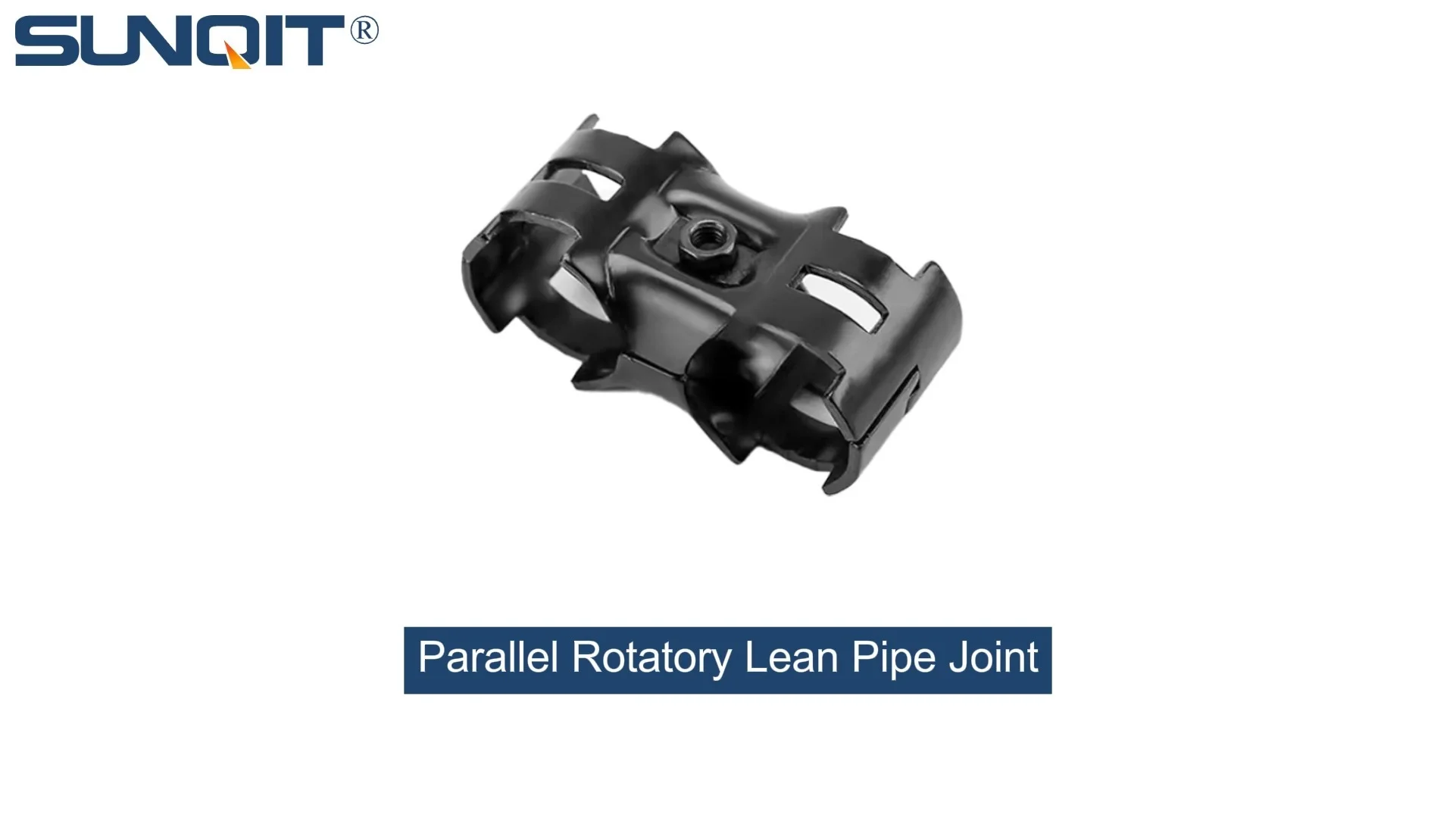
Parallel Rotatory Lean Pipe Joint
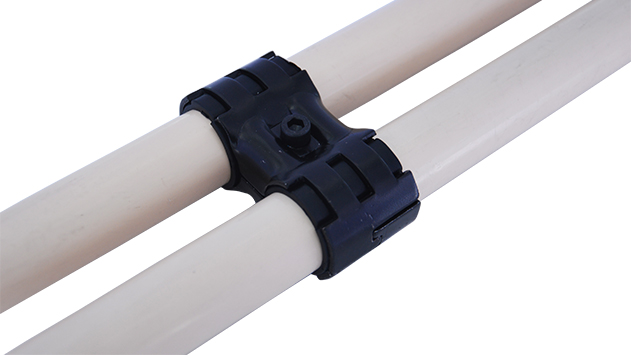
Parallel rotatory lean pipe joint, for 2 pcs pipe conenction in parallel direction with rotatory function.
In the fast-paced world of manufacturing, where every second counts and efficiency is the name of the game, lean principles have become more than just a buzzword—they're the backbone of successful operations. Lean manufacturing is all about minimizing waste, streamlining workflows, and maximizing value for customers. But here's the thing: even the best lean strategies can fall flat if the tools and equipment supporting them are rigid, outdated, or just plain cumbersome. That's where the unsung heroes of the lean factory floor come into play—components like the Parallel Rotatory Lean Pipe Joint Chrome . It might sound like a mouthful, but this small but mighty part could be the missing link between your current production setup and the agile, adaptable workspace you've been striving for.
Imagine walking into a factory where assembly lines can be reconfigured in hours instead of days, where workbenches adjust to fit both tall and short workers with a simple twist, and where material racks adapt seamlessly to new product sizes without requiring a complete overhaul. Sounds like a dream, right? Well, with the right components—like the Parallel Rotatory Lean Pipe Joint Chrome—this dream can become a reality. In this article, we're going to dive deep into why this joint is more than just a hardware piece; it's a catalyst for lean transformation. We'll explore its features, its benefits, how it integrates with other key components like lean pipe workbenches and roller tracks , and why it's quickly becoming a must-have for manufacturers committed to staying competitive in today's dynamic market.
What Exactly Is the Parallel Rotatory Lean Pipe Joint Chrome?
Let's start with the basics. The Parallel Rotatory Lean Pipe Joint Chrome is a specialized connector designed to join lean pipes (also known as or "lean tubes") in a way that offers unmatched flexibility. Unlike traditional fixed joints that lock pipes into static angles, this chrome-plated wonder allows for smooth, 360-degree rotation along its axis, as well as tilting in parallel directions. Think of it as a universal joint for your lean system—one that lets you adjust, pivot, and reposition pipes and structures with minimal effort.
Crafted from high-quality steel with a chrome plating, it's built to withstand the rigors of factory environments. The chrome finish isn't just for looks, though— it adds a layer of corrosion resistance, ensuring the joint holds up even in settings where moisture or chemicals might be present. But what really sets it apart is its design: a precision-engineered mechanism that allows pipes to rotate smoothly without slipping, even under heavy loads. Whether you're building a lightweight material rack or a sturdy assembly workstation, this joint provides the stability you need while keeping adaptability at the forefront.
Key Features: Why This Joint Stands Out
To understand why the Parallel Rotatory Lean Pipe Joint Chrome is a game-changer, let's break down its standout features:
- Smooth 360-Degree Rotation: Unlike fixed joints that lock pipes into 90-degree or 45-degree angles, this joint lets you rotate connected pipes a full 360 degrees. Need to tilt a workbench surface for better ergonomics? Rotate a material rack to access items from a new angle? No problem. The rotation is fluid and controlled, thanks to internal bearings that minimize friction.
- Chrome-Plated Durability: The chrome plating isn't just aesthetic—it's a protective barrier. In busy factories, where tools get dropped, materials scrape against surfaces, and spills happen, durability matters. Chrome resists scratches, rust, and wear, ensuring the joint maintains its functionality (and looks) for years.
- High Load Capacity: Don't let its small size fool you. This joint is built tough, with a load capacity of up to 50kg per joint (depending on pipe diameter and setup). That means it can handle heavy tools, bulky materials, and the day-to-day weight of a busy production line without bending or breaking.
- Tool-Free Adjustment: One of the biggest pain points in traditional lean setups is the time it takes to reconfigure structures. With fixed joints, you often need wrenches, screwdrivers, or even power tools to make changes. The Parallel Rotatory Lean Pipe Joint Chrome, however, is designed for tool-free adjustment. A simple twist or lever release lets you reposition pipes in seconds, cutting downtime and keeping your team focused on value-adding tasks.
- Compatibility with Standard Lean Pipes: No need to overhaul your entire system to use this joint. It works seamlessly with standard 28mm lean pipes (the most common size in lean manufacturing), as well as many aluminum profile systems. This compatibility makes it easy to retrofit existing workbenches, racks, and lines without starting from scratch.
The Benefits: More Than Just Flexibility
Flexibility is great, but the Parallel Rotatory Lean Pipe Joint Chrome offers benefits that go far beyond just being able to twist and turn pipes. Let's explore how it directly contributes to lean manufacturing goals:
1. Reduced Setup and Changeover Time: In today's manufacturing landscape, product lifecycles are shorter than ever. Factories often switch between product models multiple times a week, if not a day. Each changeover means reconfiguring workstations, adjusting material flow, and adapting tools. With traditional fixed joints, this can take hours—time that could be spent producing goods. The Parallel Rotatory Lean Pipe Joint Chrome slashes that time. Need to adjust a lean pipe workbench for a new product's assembly steps? Rotate the joints, lock them in place, and you're done. What used to take a team of technicians half a day now takes one person 15 minutes. That's a game-changer for productivity.
2. Minimized Waste (Yes, Even in Hardware): Lean manufacturing categorizes waste into eight types, and one of the most insidious is "unnecessary inventory"—including extra tools, spare parts, and even entire structures that become obsolete when production needs change. With a flexible joint like this, you won't need to stockpile different fixed joints for every possible angle or setup. One joint can replace multiple fixed ones, reducing inventory costs and storage space. Plus, since you can reconfigure existing structures instead of building new ones, you'll cut down on material waste, too.
3. Improved Ergonomics for Workers: Happy workers are productive workers, and ergonomics play a huge role in workplace satisfaction. A one-size-fits-all workbench might work for some employees, but for others, it can lead to strain, fatigue, and even injury. The Parallel Rotatory Lean Pipe Joint Chrome lets you adjust workbench heights, angles, and positions to fit each worker's needs. A taller employee can raise their workstation; someone with a shoulder injury can tilt a material rack to avoid reaching overhead. This not only reduces the risk of workplace injuries but also boosts morale and focus—two key drivers of lean success.
4. Enhanced Adaptability for Small-Batch Production: Small-batch and custom manufacturing are on the rise, and these operations thrive on adaptability. If you're producing 10 units of Product A in the morning and 5 units of Product B in the afternoon, your setup needs to keep up. The Parallel Rotatory Lean Pipe Joint Chrome makes small-batch production feasible by allowing you to quickly retool workstations, adjust roller tracks for material flow, and even create temporary structures for specialized tasks. No more being locked into a "one-product-fits-all" layout.
5. Long-Term Cost Savings: At first glance, a premium joint like this might seem more expensive than a basic fixed joint. But when you factor in the long-term savings—reduced downtime, lower inventory costs, fewer replacement parts, and increased productivity—it's an investment that pays for itself. For example, a factory that reconfigures its assembly line once a week could save hundreds of labor hours per year with faster changeovers. Multiply that by the average hourly wage, and the savings add up quickly.

How Does It Compare to Other Joints? Let's Break It Down
To truly appreciate the value of the Parallel Rotatory Lean Pipe Joint Chrome, it helps to see how it stacks up against other common joint types. Below is a comparison table highlighting key differences:
| Feature | Parallel Rotatory Lean Pipe Joint Chrome | Standard Fixed Lean Pipe Joint | Plastic Rotatory Joint |
|---|---|---|---|
| Rotation Range | 360° continuous rotation + tilt | Fixed (90°, 45°, or static) | Limited (usually 180° max) |
| Material & Durability | Chrome-plated steel; high corrosion/wear resistance | Steel or plastic; prone to rust (if unplated) or cracking | Plastic; low heat/impact resistance |
| Load Capacity | Up to 50kg per joint | Up to 40kg (steel) or 20kg (plastic) | Up to 15kg |
| Tool-Free Adjustment | Yes | No (requires tools for assembly/disassembly) | Sometimes, but prone to slipping |
| Best For | Dynamic setups, frequent reconfigurations, heavy loads | Static structures, low-change environments | Lightweight, temporary setups |
| Long-Term Cost Efficiency | High (reduces downtime and replacement needs) | Medium (cheaper upfront, but higher long-term costs) | Low (needs frequent replacement) |
As you can see, while standard fixed joints are cheaper upfront, they lack the flexibility and durability needed for modern lean environments. Plastic rotatory joints might offer some adjustability, but they can't handle heavy loads or harsh factory conditions. The Parallel Rotatory Lean Pipe Joint Chrome strikes the perfect balance: it's tough enough for daily use, flexible enough for constant change, and efficient enough to keep your operations running smoothly.

Real-World Applications: Where It Shines
Theory is great, but let's get practical. Where exactly does the Parallel Rotatory Lean Pipe Joint Chrome make the biggest impact on the factory floor? Here are a few key applications:
1. Lean Pipe Workbenches: The Heart of the Factory
Workbenches are where the magic happens—assembly, testing, packaging, you name it. But a static workbench can be a productivity killer. Imagine a line worker hunched over a bench that's too low, or straining to reach tools on a shelf that's fixed in place. With the Parallel Rotatory Lean Pipe Joint Chrome, workbenches become adaptable. You can:
- Tilt the work surface to a comfortable angle for detailed assembly work.
- Raise or lower shelves to keep frequently used tools within arm's reach.
- Rotate side extensions to create extra workspace when needed, then fold them away when not in use.
- Attach roller tracks to the bench edge, adjusting their angle to feed materials directly into the worker's hands instead of forcing them to reach across the bench.
A electronics manufacturer in Guangdong, for example, recently upgraded their assembly workbenches with these joints. They reported a 25% reduction in worker fatigue (measured via ergonomic assessments) and a 15% increase in units assembled per hour—all because the workbenches could finally adapt to the workers, not the other way around.
2. Material Racks and Flow Systems
Material handling is a cornerstone of lean manufacturing. Parts need to flow smoothly from storage to assembly to shipping, with minimal manual lifting or transportation. The Parallel Rotatory Lean Pipe Joint Chrome transforms static material racks into dynamic flow systems. For instance:
- Adjust the angle of roller tracks on a flow rack to control the speed of materials—faster for lightweight parts, slower for fragile items.
- Tilt entire shelves to "first-in, first-out" (FIFO) orientation, ensuring older inventory is used first and reducing waste from expired or obsolete parts.
- Reposition dividers on a rack to accommodate different part sizes—no need for separate racks for small, medium, and large components.
A automotive parts supplier in Michigan used these joints to revamp their kitting area. Previously, they had separate racks for each car model's parts, which took up valuable floor space. By installing adjustable racks with Parallel Rotatory joints, they consolidated three racks into one, freeing up 200 square feet of space and reducing the time workers spent walking between racks by 30%.
3. Assembly Lines and Production Cells
Assembly lines are where lean principles are put to the ultimate test. Even small inefficiencies—like a workstation that's slightly out of alignment or a tool that's just out of reach—can add up to big losses over time. The Parallel Rotatory Lean Pipe Joint Chrome lets you fine-tune assembly lines on the fly:
- Adjust the height of conveyor rails to match the height of adjacent workstations, eliminating awkward transfers.
- Pivot tool holders to keep tools exactly where workers need them, reducing motion waste (one of the eight wastes of lean).
- Create temporary "pop-up" workstations for bottleneck tasks, then disassemble them just as quickly when the bottleneck shifts.
Success Story: How One Factory Boosted Productivity with a Simple Joint Upgrade
Let's take a closer look at a real-world example (with names changed for privacy). PrecisionTech, a contract manufacturer specializing in medical device components, was struggling with a common lean challenge: frequent product changes. Their factory produced over 50 different part types, each requiring slightly different assembly setups. With traditional fixed joints, reconfiguring their production cells took 4–6 hours per changeover, eating into valuable production time.
The team at PrecisionTech had heard about lean pipe systems but was hesitant to invest, worried that the upfront cost wouldn't justify the benefits. Then they discovered the Parallel Rotatory Lean Pipe Joint Chrome. They decided to test it on one assembly cell, focusing on their highest-changeover product line.
The results were staggering: Changeover time dropped from 6 hours to just 45 minutes. Workers could now adjust lean pipe workbench heights, reposition roller tracks , and reconfigure tool holders without tools—all while the previous product was still being assembled on the other side of the cell. Within three months, PrecisionTech had rolled out the joints to all their cells. The total investment in joints and new lean pipes was recouped in under a year, thanks to:
- 30% more production time per week (no more lost hours to changeovers).
- 25% reduction in overtime costs (fewer late nights to meet deadlines).
- 50% fewer workplace injuries (ergonomic adjustments reduced strain).
Today, PrecisionTech's plant manager, Sarah Lopez, calls the Parallel Rotatory Lean Pipe Joint Chrome "the best $5000 we ever spent." "It's not just about the time saved," she says. "It's about giving our team the power to improve their own workspaces. When they can adjust a bench or a rack to make their job easier, they take more ownership. And that's priceless for lean culture."
Integrating with Other Lean Components: A System, Not Just a Part
The Parallel Rotatory Lean Pipe Joint Chrome is powerful on its own, but its true potential shines when combined with other lean components. Here's how it plays well with others:
Aluminum Profiles: Strength Meets Flexibility
While lean pipes are great for lightweight, flexible structures, aluminum profiles offer unmatched rigidity and strength for heavier applications. The good news? The Parallel Rotatory Lean Pipe Joint Chrome is compatible with many aluminum profile systems (with the right adapters). This means you can build hybrid structures: aluminum frames for stability, lean pipes with rotatory joints for adjustability. For example, a heavy-duty assembly table might use aluminum profiles for the base (to support the weight) and lean pipes with rotatory joints for the tool rails (to allow easy adjustment of tool positions).
Roller Tracks: Smooth Material Flow, Customized
Roller tracks are essential for gravity-fed material flow, but their angle and alignment are critical. Too steep, and parts might slide too fast; too shallow, and they might get stuck. The Parallel Rotatory Lean Pipe Joint Chrome lets you (fine-tune) the angle of roller tracks with precision. Attach the tracks to rotatory joints, and you can tilt them incrementally until the flow is just right. Plus, you can pivot tracks to redirect materials—say, from a main line to a secondary workstation—without rebuilding the entire track system.
Casters and Mobile Bases: Flexibility on the Move
Add casters to a structure built with Parallel Rotatory Lean Pipe Joints, and you've got a mobile workstation or material cart that can go anywhere and adapt to any space. Need to move a testing station to the assembly line? Roll it over, adjust the workbench height with the joints, and you're ready. No more fixed "islands" of productivity—your entire factory becomes a flexible, interconnected system.
Why It's a Must-Have for Modern Lean Manufacturing
So, we've covered the features, the benefits, the applications, and even a success story. But let's circle back to the big question: Why is the Parallel Rotatory Lean Pipe Joint Chrome a "must-have" and not just a "nice-to-have"?
The answer lies in the future of manufacturing. Today's factories aren't just producing goods—they're producing change . Customer demands shift, product designs evolve, and new technologies emerge. To keep up, manufacturers need systems that can evolve with them. Rigid, fixed structures belong to a bygone era of mass production, where one product ruled for decades. In 2025 and beyond, agility is everything.
The Parallel Rotatory Lean Pipe Joint Chrome isn't just a joint—it's a commitment to agility. It says, "We're ready for whatever comes next." It empowers workers to take ownership of their spaces, reduces waste in all its forms, and turns your factory floor into a canvas for continuous improvement. And in lean manufacturing, continuous improvement isn't just a goal—it's the journey.
Plus, let's not forget the human element. At the end of the day, factories are run by people. When workers have tools that make their jobs easier, safer, and more efficient, they're more engaged, more productive, and more likely to stay. The Parallel Rotatory Lean Pipe Joint Chrome might be a small part, but it sends a big message: "We care about your work, and we're investing in making it better." That's the kind of culture that drives lean success.
Conclusion: Your Lean Journey Deserves the Best Tools
Lean manufacturing isn't about cutting corners or doing more with less—it's about doing more value with less waste. And to do that, you need tools that support your goals, not hinder them. The Parallel Rotatory Lean Pipe Joint Chrome is more than just a hardware component; it's a tool for transformation. It turns static structures into dynamic systems, wasted time into productive hours, and frustrated workers into empowered problem-solvers.
Whether you're building a new lean system from scratch or upgrading an existing one, don't overlook the power of the right joint. The Parallel Rotatory Lean Pipe Joint Chrome might be small, but its impact is huge. It's time to stop working around rigid hardware and start building a factory that works for you. After all, in the world of lean manufacturing, flexibility isn't just an advantage—it's survival.
So, are you ready to take your lean system to the next level? Your factory floor (and your bottom line) will thank you.