- Company Articles
- Products and Technology
- Product knowledge
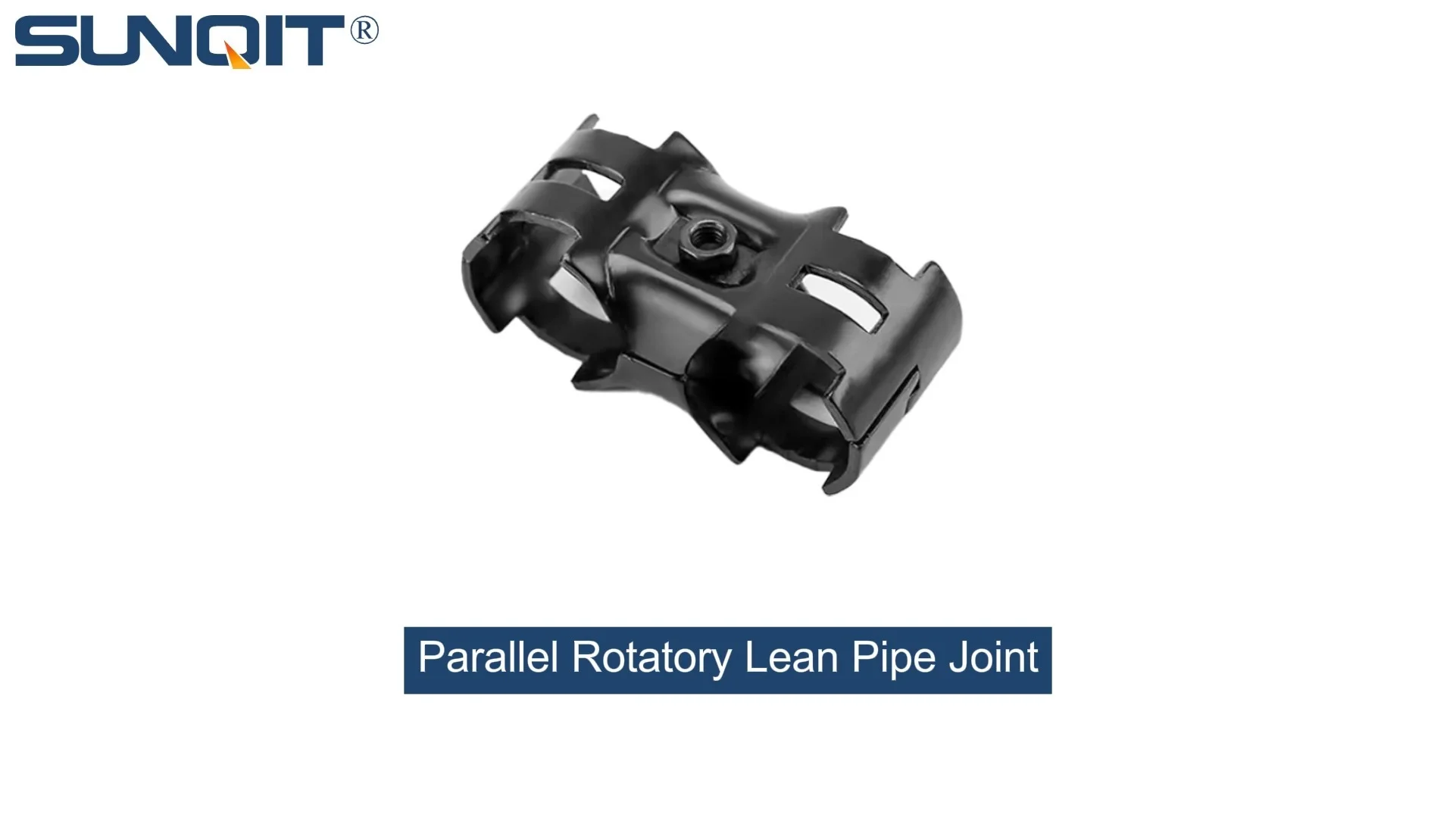
- Parallel Rotatory Lean Pipe Joint Chrome Compatibility: Works with Which Lean Pipes?

Parallel Rotatory Lean Pipe Joint Chrome Compatibility: Works with Which Lean Pipes?
Related Product
Parallel Rotatory Lean Pipe Joint
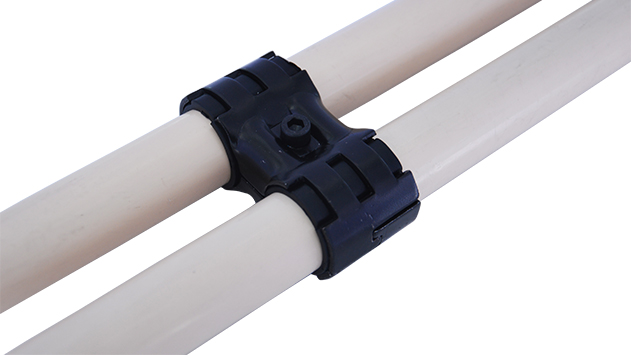
Parallel rotatory lean pipe joint, for 2 pcs pipe conenction in parallel direction with rotatory function.
Walk into any modern factory or workshop, and you'll likely spot a common challenge: production lines that feel rigid, setups that take hours to reconfigure, and parts that just… don't quite fit. For anyone knee-deep in lean manufacturing, these aren't just minor annoyances—they're roadblocks. Downtime from swapping out incompatible components, the frustration of a workstation that can't adapt to a new task, or the cost of replacing entire systems because a single joint failed: these are the daily headaches that eat into efficiency and morale.
But what if there was a component that could turn those rigid setups into flexible, adaptable workspaces? Enter the parallel rotatory lean pipe joint chrome —a small but mighty part that's quietly revolutionizing how teams build and reconfigure their lean systems. If you've ever stared at a pile of pipes and joints, wondering which ones will actually work together, you're not alone. In this guide, we're breaking down exactly which lean pipes pair best with this game-changing joint, why compatibility matters, and how it can transform your workflow from clunky to seamless.
What Makes the Parallel Rotatory Lean Pipe Joint Chrome Stand Out?
Before we dive into compatibility, let's talk about why this joint has become a favorite among manufacturers, warehouse managers, and lean coordinators. At first glance, it might look like just another metal connector—but its design holds the key to its popularity.
1. Rotatory Flexibility
Unlike fixed joints that lock pipes into a single angle, the parallel rotatory joint lets you adjust the angle of connected pipes with a simple twist. Need to tilt a workbench surface for better ergonomics? Rotate the joint. Want to reposition a material rack to feed parts to a new machine? No tools required—just adjust and lock. This rotational freedom turns static setups into dynamic workspaces that adapt as your needs change.
2. Chrome Plating for Durability
Chrome isn't just for shine—it's a protective layer that stands up to the wear and tear of busy production floors. Scratches, corrosion from oils or coolants, even the occasional bump from a forklift: the chrome plating keeps the joint looking (and functioning) like new, its lifespan far beyond uncoated alternatives. For environments where hygiene matters (think food processing or medical device manufacturing), that resistance to rust is a non-negotiable bonus.
3. Universal Design (But Not Too Universal)
While no joint works with every pipe under the sun, this one was engineered with versatility in mind. It's designed to play well with the most common lean pipe materials and sizes—so you don't have to overhaul your entire system to start using it. That said, "compatible" doesn't mean "one-size-fits-all." Let's break down which pipes work best, and why.
The Compatibility Breakdown: Which Lean Pipes Work with This Joint?
Not all lean pipes are created equal. From material to diameter to coating, even small differences can mean the difference between a snug, secure fit and a wobbly, unreliable connection. Let's walk through the most common pipe types and how they pair with the parallel rotatory lean pipe joint chrome.
| Lean Pipe Type | Compatibility Level | Why It Works (or Doesn't) | Best For |
|---|---|---|---|
| PE Coated Lean Pipe (1.2mm–2.0mm) | Excellent | The standard diameter (usually 28mm) and smooth PE coating create a tight, non-slip fit with the joint's inner grip. The coating also prevents metal-on-metal friction, reducing wear. | General assembly lines, workbenches, lightweight material racks |
| Aluminum Lean Pipe | Excellent | Aluminum's lightweight yet rigid nature pairs perfectly with the joint's rotational design. Most aluminum lean pipes match the 28mm diameter, and their smooth surface ensures easy rotation without sticking. | Cleanrooms, ESD-sensitive environments, modular workstations |
| Stainless Steel Pipe Series (1.5mm–2.0mm) | Very Good | Stainless steel's thickness (often 304 or 316 grade) provides extra strength, but the smooth surface may require a slightly tighter clamp. Chrome-plated joint resists corrosion, making this a durable combo. | Food/beverage production, outdoor use, heavy-duty racks |
| Basic Aluminum Tube (Thin-Walled) | Fair | Thinner walls (e.g., 1.0mm) may not hold the joint's grip as securely under heavy loads. Risk of bending if over-tightened. | Light-duty shelving, temporary displays, non-critical setups |
| Non-Standard Diameter Pipes (e.g., 20mm or 40mm) | Poor | The joint is designed for 28mm pipes. Smaller diameters slip; larger ones won't fit. Always check diameter before pairing. | Not recommended—use size-specific joints instead |
Diving Deeper: Why Diameter and Material Matter
You might notice that the table emphasizes 28mm diameter —and for good reason. Most lean pipe systems, whether PE coated, aluminum, or stainless steel, stick to this standard size. The parallel rotatory joint's inner sleeve is precision-engineered to grip 28mm pipes tightly, using a combination of friction and, in some models, set screws for extra security. If you're working with a pipe that's even 1mm smaller (like 27mm), the joint will slip; 1mm larger (29mm), and it won't fit at all.
Material thickness also plays a role. Take PE coated lean pipe , for example: a 1.2mm wall thickness (common in lightweight setups) works fine for tasks like holding tools or small parts, but if you're building a heavy-duty material rack, you'll want 2.0mm walls to prevent bending. The joint can handle both, but pairing a thick-walled pipe with the joint ensures the connection stays rigid under pressure—even when rotated repeatedly.
For aluminum lean pipe , the key advantage is weight. Aluminum is roughly 30% lighter than steel, which means you can build taller racks or more complex workstations without worrying about the structure sagging. The parallel rotatory joint's chrome plating resists the slight oxidation that aluminum develops, so you won't get that "sticky" feeling when rotating the joint over time—unlike uncoated steel joints, which can seize up if aluminum oxide builds up.
Real-World Scenarios: How Compatibility Solves Common Problems
Let's ground this in a story we've heard from countless clients: A small electronics manufacturer was using a mix of old steel pipes and cheap plastic joints for their assembly line. Every time they launched a new product, they'd spend days dismantling and rebuilding workstations—only to find that half the joints didn't fit the new pipes, or the old steel pipes had rusted, making rotation impossible. Downtime cost them thousands, and employees were frustrated with the constant rework.
After switching to aluminum lean pipe and parallel rotatory lean pipe joint chrome, their workflow transformed. Now, when a new product comes in, they adjust the workbench height in minutes by rotating the joints, swap out roller tracks (paired with the joint's smooth rotation) to feed parts from a different angle, and even add casters to make the entire setup mobile. No more downtime, no more wasted parts—and employees? They're now suggesting new ways to optimize the line, because the tools finally let them be creative.
Another Example: ESD Workstations in a Semiconductor Lab
In environments where static electricity can ruin sensitive components (like semiconductors), ESD workstations are a must. These setups require non-conductive materials, but they also need to be adjustable—scientists and technicians often need to reposition microscopes, tool holders, or component trays throughout the day.
Here, aluminum lean pipe (which can be treated for ESD) and the parallel rotatory joint shine. The joint's chrome plating, while conductive, is isolated from the aluminum pipe via a thin ESD-safe gasket in some models, preventing static buildup. Technicians can rotate the pipe to angle a component tray closer without worrying about shocking the parts, and the lightweight aluminum keeps the workstation easy to adjust—even when loaded with equipment.

Beyond the Joint: Accessories That Enhance Compatibility
A joint is only as useful as the accessories that complement it. To get the most out of your parallel rotatory lean pipe joint chrome, consider pairing it with these compatible add-ons:
- Caster Wheels and Accessories : Add casters to the base of your setup, and the joint's rotation lets you angle the workstation as you move it—no more struggling to maneuver around corners.
- Roller Track and Accessories : Attach roller tracks to pipes connected by the joint, and you can tilt the track to control the flow of parts (e.g., slowing them down for inspection or speeding them up for assembly).
- Workbench Tops : Pair the joint with a wooden or aluminum honeycomb workbench top, and you can rotate the pipe supports to adjust the height or angle of the surface for ergonomic comfort.
- Turnover Trolleys : Use the joint to connect the trolley's frame, and you can fold or rotate sections when not in use, saving storage space.
The beauty of these accessories is that they're designed to work with the same 28mm pipes as the joint, creating a fully integrated system. For example, a roller track placon mount for aluminum profile (used to attach roller tracks to aluminum pipes) will slide right onto the same aluminum lean pipe that's connected to your parallel rotatory joint—no extra adapters needed.

Why Compatibility Isn't Just About Parts—It's About Lean Principles
At its core, lean manufacturing is about eliminating waste—whether that's time, materials, or effort. Incompatible pipes and joints are a hidden source of waste: the time spent searching for the right parts, the money wasted on unused components, the energy drained from teams forced to work around rigid setups.
The parallel rotatory lean pipe joint chrome, when paired with compatible pipes like PE coated lean pipe or aluminum lean pipe , directly addresses this waste. It turns "one-time use" setups into reusable systems: that workbench you built for Product A can be reconfigured in an hour for Product B, using the same pipes and joints. It reduces downtime, because you're not waiting for new parts to arrive—you're reusing what you already have.
And let's not forget about employee engagement. When teams can adjust their workspaces to fit their needs—whether that's raising a shelf to avoid bending or rotating a tool holder to reduce reaching—they feel valued. They're more likely to take ownership of their stations, suggest improvements, and stay focused on the task at hand, rather than fighting with the equipment.
Final Thoughts: Choosing the Right Pipes for Your Joint
So, to wrap it up: The parallel rotatory lean pipe joint chrome is a versatile, durable component that works best with 28mm diameter pipes—specifically PE coated lean pipe (1.2mm–2.0mm), aluminum lean pipe , and stainless steel pipe series (1.5mm–2.0mm). By sticking to these compatible options, you'll avoid the headaches of mismatched parts and unlock the full potential of a flexible, adaptable lean system.
Remember, the goal of lean manufacturing isn't just to save money—it's to create a workspace that grows with your business. Whether you're a small shop launching your first product line or a large manufacturer scaling up to meet demand, the right tools make all the difference. And sometimes, that tool is as simple as a joint that lets you rotate, adjust, and adapt—without breaking a sweat.
So, the next time you're staring at that pile of pipes and joints, take a breath. With the parallel rotatory lean pipe joint chrome and the right compatible pipes, you're not just building a workstation—you're building a system that works for you.