- Company Articles
- Products and Technology
- Product knowledge
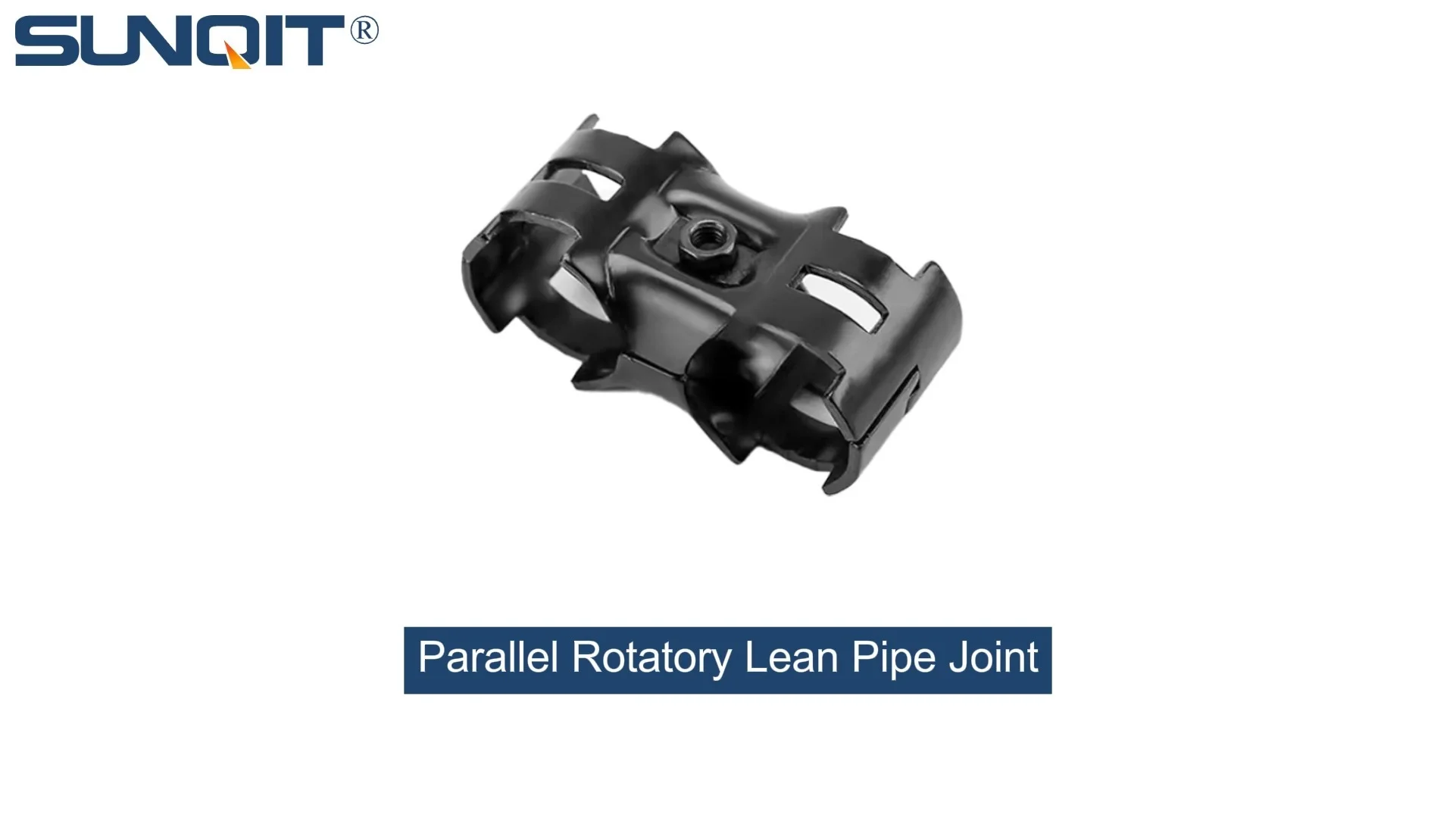
- Parallel Rotatory Lean Pipe Joint Chrome for Automotive Parts Assembly Lines

Parallel Rotatory Lean Pipe Joint Chrome for Automotive Parts Assembly Lines
Related Product
Parallel Rotatory Lean Pipe Joint
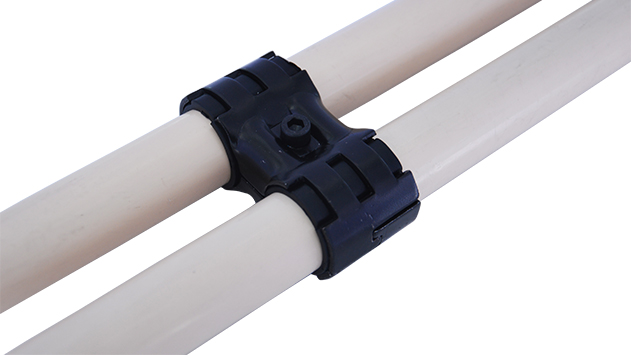
Parallel rotatory lean pipe joint, for 2 pcs pipe conenction in parallel direction with rotatory function.
How a Small Component Drives Big Efficiency in Modern Manufacturing
The Unsung Hero of Assembly Line Flow
Walk into any automotive manufacturing plant today, and you'll be met with a symphony of precision: robots whirring, conveyors humming, and teams of workers moving in sync to piece together everything from engine components to dashboard panels. But behind this orchestrated chaos lies a critical truth: the most efficient assembly lines aren't just about high-tech machinery—they're built on the backbone of smart, adaptable infrastructure. And that's where components like the parallel rotatory lean pipe joint chrome come into play.
For decades, automotive manufacturers have chased two seemingly conflicting goals: maximizing speed and ensuring flexibility. As production demands shift—whether due to new model launches, design tweaks, or seasonal fluctuations—assembly lines need to pivot quickly without sacrificing efficiency. Rigid, one-size-fits-all setups simply don't cut it anymore. Enter lean manufacturing principles, which prioritize eliminating waste, streamlining workflows, and empowering teams to adapt on the fly. At the heart of this philosophy are modular systems, and the parallel rotatory lean pipe joint chrome is a star player in that modular toolkit.
But what makes this joint so special? Why has it become a go-to for automotive plants worldwide? Let's dive into the world of lean pipe systems, explore the unique benefits of this chrome-plated workhorse, and see how it integrates with other components like lean pipe workbenches, roller tracks, and aluminum profiles to transform assembly line productivity.
What Exactly Is a Parallel Rotatory Lean Pipe Joint Chrome?
At first glance, you might mistake it for just another metal connector—and in a way, that's what it is. But the parallel rotatory lean pipe joint chrome is far more than a simple fastener. It's a precision-engineered component designed to connect lean pipes (hollow tubes used in modular structures) while allowing for controlled rotation and parallel alignment. Think of it as the "elbow" that lets assembly line structures bend, twist, and adjust without needing to be completely rebuilt.
Constructed from high-grade steel with a chrome plating, this joint is built to withstand the harsh conditions of automotive plants: constant vibration, heavy loads, and exposure to oils, coolants, and cleaning agents. The chrome finish isn't just for looks, though that glossy sheen does add a professional touch to work areas. It's a protective barrier, too, resisting corrosion and wear over time—critical for components that need to last through years of daily use.
But the real magic is in the "parallel rotatory" feature. Unlike fixed joints that lock pipes into a static position, this joint allows for 360-degree rotation along one axis while keeping connected pipes parallel to each other. This means workers can adjust the angle of a shelf, reposition a material rack, or tweak the height of a workstation without reaching for tools or disrupting the entire line. It's this flexibility that makes it indispensable in environments where change is the only constant.
Key Features That Drive Automotive Efficiency
To understand why automotive manufacturers swear by the parallel rotatory lean pipe joint chrome, let's break down its standout features. These aren't just specs on a datasheet—they're solutions to real-world problems faced by assembly line teams every day.
| Feature | What It Does | Impact on Automotive Assembly |
|---|---|---|
| 360-Degree Parallel Rotation | Allows connected pipes to rotate while staying parallel, enabling angle adjustments without disassembly. | Workstations can be reconfigured in minutes to accommodate different part sizes or assembly steps, reducing downtime during model changes. |
| Chrome-Plated Steel Construction | High-strength steel core with corrosion-resistant chrome coating. | Withstands heavy loads (up to 50kg per joint) and harsh plant environments, reducing replacement costs and maintenance. |
| Tool-Free Adjustment | Quick-release lever or thumb screw design lets workers adjust rotation on the fly. | Eliminates the need for wrenches or screwdrivers, empowering line operators to make tweaks without waiting for maintenance teams. |
| Universal Compatibility | Fits standard lean pipe diameters (28mm, 30mm) and works with aluminum profiles, roller tracks, and other modular components. | Seamlessly integrates with existing lean systems, avoiding the need for costly overhauls. |
Take, for example, a typical automotive parts assembly line where workers assemble brake components. The line might need to switch between small calipers and larger rotors—parts with very different dimensions. With fixed joints, the material racks holding these parts would need to be swapped out, taking hours of downtime. But with parallel rotatory joints, workers can simply rotate the rack arms, adjust the height, and lock them in place—all in under five minutes. That's the difference between a line that stalls and one that keeps moving.
Or consider the tool-free adjustment feature. In a fast-paced plant, every second counts. If a worker notices that a roller track is misaligned, causing parts to jam, they can grab the joint, twist it into place, and get the line back on track—no need to hunt down a maintenance tech or wait for a scheduled repair. This autonomy doesn't just save time; it boosts morale, too. When workers have the power to solve small problems themselves, they feel more invested in the line's success.

Synergy with Other Lean Components: Building a Complete System
A single joint, no matter how clever, can't transform an assembly line on its own. The real power of the parallel rotatory lean pipe joint chrome lies in how it plays well with others. Let's look at three key components it often partners with to create seamless, adaptable workspaces: lean pipe workbenches, roller tracks, and aluminum profiles.
1. Lean Pipe Workbenches: The Heart of the Workstation
Every assembly line has workbenches where the actual building happens—whether it's wiring a harness or attaching sensors to a door panel. A well-designed workbench needs to be sturdy, adjustable, and tailored to the task at hand. That's where lean pipe workbenches shine, and the parallel rotatory joint is what makes them adjustable.
Imagine a workbench used for assembling both small electronic modules and larger mechanical parts. The height needs to change to keep workers comfortable (ergonomics is a big deal in preventing fatigue and injuries). With fixed joints, the legs would be set in stone. But with parallel rotatory joints, the legs can rotate to raise or lower sections of the bench, or the shelf above can pivot to hold tools at just the right angle. Some workbenches even use these joints to add fold-down extensions—extra space when needed, folded away when not. It's customization without the custom price tag.
2. Roller Tracks: Keeping Parts Moving Smoothly
Material flow is the lifeblood of automotive assembly. Parts need to glide from storage to the line, from one station to the next, without getting stuck or damaged. Roller tracks—those lines of small wheels that let bins and trays slide effortlessly—are critical here, and they rely on stable, adjustable supports to stay aligned.
Parallel rotatory lean pipe joints are often used to mount roller tracks to frames or overhead structures. Let's say a roller track feeding parts to the line starts to slope too steeply, causing bins to slide too fast and risk damaging components. Instead of rebuilding the entire track, workers can use the joint to rotate the mounting arm, (fine-tuning) the angle until the speed is just right. Or, if the line reconfigures to a U-shape, the joint allows the roller track to bend with the new layout, keeping parts flowing without interruption.
3. Aluminum Profiles: Strength Meets Lightweight Design
While lean pipes are great for flexibility, aluminum profiles offer superior strength and rigidity for heavier loads—think of the frames that hold up overhead conveyors or large material racks. The parallel rotatory joint bridges the gap between these two systems, connecting lean pipes to aluminum profiles to create hybrid structures that are both strong and adaptable.
For example, an automotive plant might use aluminum profiles for the main frame of a material storage rack (to handle the weight of heavy engine blocks) and lean pipes for the adjustable shelving (to accommodate different part sizes). The parallel rotatory joint connects the lean pipe shelves to the aluminum frame, letting workers rotate the shelves to access parts from multiple angles. It's the best of both worlds: the durability of aluminum and the adjustability of lean pipes.

Real-World Impact: A Day in the Life of an Automotive Plant
To truly grasp the value of the parallel rotatory lean pipe joint chrome, let's step into the shoes of Maria, a line supervisor at a mid-sized automotive parts manufacturer. It's a Tuesday morning, and Maria's team is in the middle of a transition: they're shifting from assembling door handles for the company's compact sedan to a new SUV model with larger, heavier handles. The changeover was supposed to take four hours, but with a tight production deadline, Maria needs to cut that time in half.
"First, the material racks," Maria thinks. The old racks, with fixed shelves, are too short for the new SUV handles. In the past, this would mean calling in the maintenance crew to swap out the racks—at least two hours of downtime. But today, her team walks over to the racks, grabs the parallel rotatory joints connecting the shelves to the frame, and twists. The joints rotate smoothly, allowing the shelves to swing up to the new height. Ten minutes later, the racks are ready. "That's one win," Maria smiles.
Next, the workbenches. The SUV handles require more tools, so the team needs extra space on the bench tops. Maria's workers flip down the fold-out extensions on the lean pipe workbenches—extensions held in place by, you guessed it, parallel rotatory joints. A quick adjustment of the joint angle, and the extensions lock into place, giving each worker an extra 18 inches of workspace. Another 15 minutes saved.
Finally, the roller track feeding parts to the line. The new handles come in bulkier bins, which are catching on the track's current angle. Maria sends a line operator to adjust the parallel rotatory joints mounting the track to the frame. A few twists, a test slide with an empty bin, and the angle is perfect—smooth, steady movement without jams. Total time for the changeover? 1 hour and 45 minutes. The line is back up, and Maria's team is on track to meet the deadline.
"Before these joints, we'd lose half a day on changeovers," Maria later tells her manager. "Now? We barely skip a beat. It's not just about the time saved—it's about the confidence the team has. They know they can adapt, and that makes them more proactive. They're not just following orders; they're solving problems."
Stories like Maria's are why the parallel rotatory lean pipe joint chrome has become a staple in automotive manufacturing. It's not just a component; it's a tool that empowers workers, reduces stress, and turns rigid assembly lines into dynamic, responsive systems.
Why Chrome? The Finish That Adds Value Beyond Looks
We've mentioned the chrome plating a few times, but it's worth diving deeper into why this finish matters—especially in automotive environments. At first thought, you might assume it's purely aesthetic. And yes, that shiny, silver surface does make workbenches and racks look more professional (important for plant tours or client visits). But the real benefits are functional.
Automotive plants are tough on equipment. Oils, lubricants, and cleaning chemicals are everywhere, and metal components can quickly rust or corrode if unprotected. Chrome plating acts as a barrier, preventing moisture and chemicals from reaching the steel core of the joint. This means less rust, fewer stuck moving parts, and a longer lifespan. In fact, chrome-plated joints typically last 3-5 times longer than unplated steel joints in the same environment—translating to lower replacement costs and less downtime for repairs.
Chrome also offers excellent wear resistance. Every time a worker adjusts the joint, there's friction between moving parts. Over time, that friction can wear down unplated steel, leading to looseness or play in the joint. Chrome's hard, smooth surface reduces that friction, keeping the joint tight and precise even after thousands of adjustments. For a component that's meant to be adjusted repeatedly, this durability is non-negotiable.
And let's not overlook hygiene. Automotive manufacturing, especially for parts like airbags or electronics, requires clean work environments. Chrome is easy to wipe down and sanitize, unlike porous finishes that can trap dirt and bacteria. A quick wipe with a disinfectant cloth, and the joint is clean—critical for maintaining quality standards and avoiding contamination.
Future-Proofing Assembly Lines: Adaptability for Tomorrow's Challenges
The automotive industry is changing faster than ever. Electric vehicles, autonomous driving technology, and shifting consumer demands are pushing manufacturers to innovate at a breakneck pace. What does that mean for assembly lines? They need to be ready for the unknown—new part sizes, new processes, new technologies.
Modular systems built with components like the parallel rotatory lean pipe joint chrome are the key to future-proofing. Unlike fixed, custom-built infrastructure, modular systems can evolve. When a plant starts producing electric vehicle batteries (which are larger and heavier than traditional engines), the same lean pipes and joints can be reconfigured to build new workbenches and material racks. When collaborative robots (cobots) are introduced to work alongside humans, the joints can adjust workbench heights to create safe, ergonomic shared spaces.
Even sustainability plays a role. The automotive industry is under increasing pressure to reduce waste and carbon footprints. Modular systems reduce waste by reusing components instead of scrapping entire structures during reconfigurations. The parallel rotatory joint, with its long lifespan and compatibility with multiple systems, is a sustainable choice—less material in landfills, fewer resources used in manufacturing replacements.
Looking ahead, we might see even smarter versions of this joint—ones with built-in sensors to monitor wear, or Bluetooth connectivity to alert maintenance teams when adjustments are needed. But even in its current form, the parallel rotatory lean pipe joint chrome is a bridge between today's needs and tomorrow's possibilities.
Conclusion: Small Component, Big Difference
In the grand scheme of automotive manufacturing, with its towering robots and high-tech conveyors, the parallel rotatory lean pipe joint chrome might seem. But as we've explored, it's the small, adaptable components that often make the biggest difference in efficiency, flexibility, and worker satisfaction.
From enabling quick changeovers between part models to reducing downtime for adjustments, from integrating with lean pipe workbenches and roller tracks to standing up to the harsh conditions of the plant floor, this joint is a testament to the power of smart, user-centric design. It's not just about connecting pipes—it's about connecting people to their work, giving them the tools to adapt, and building assembly lines that can keep up with the ever-changing demands of the automotive industry.
So the next time you see a smooth-running assembly line, take a closer look. Chances are, there's a parallel rotatory lean pipe joint chrome hard at work—quietly, reliably, and tirelessly driving the efficiency that puts cars on the road, keeps workers productive, and helps manufacturers thrive in a competitive world.