- Company Articles
- Products and Technology
- Product knowledge
- Parallel Rotatory Lean Pipe Joint Chrome for Small-Scale Manufacturing: Cost Guide

Parallel Rotatory Lean Pipe Joint Chrome for Small-Scale Manufacturing: Cost Guide
Related Product
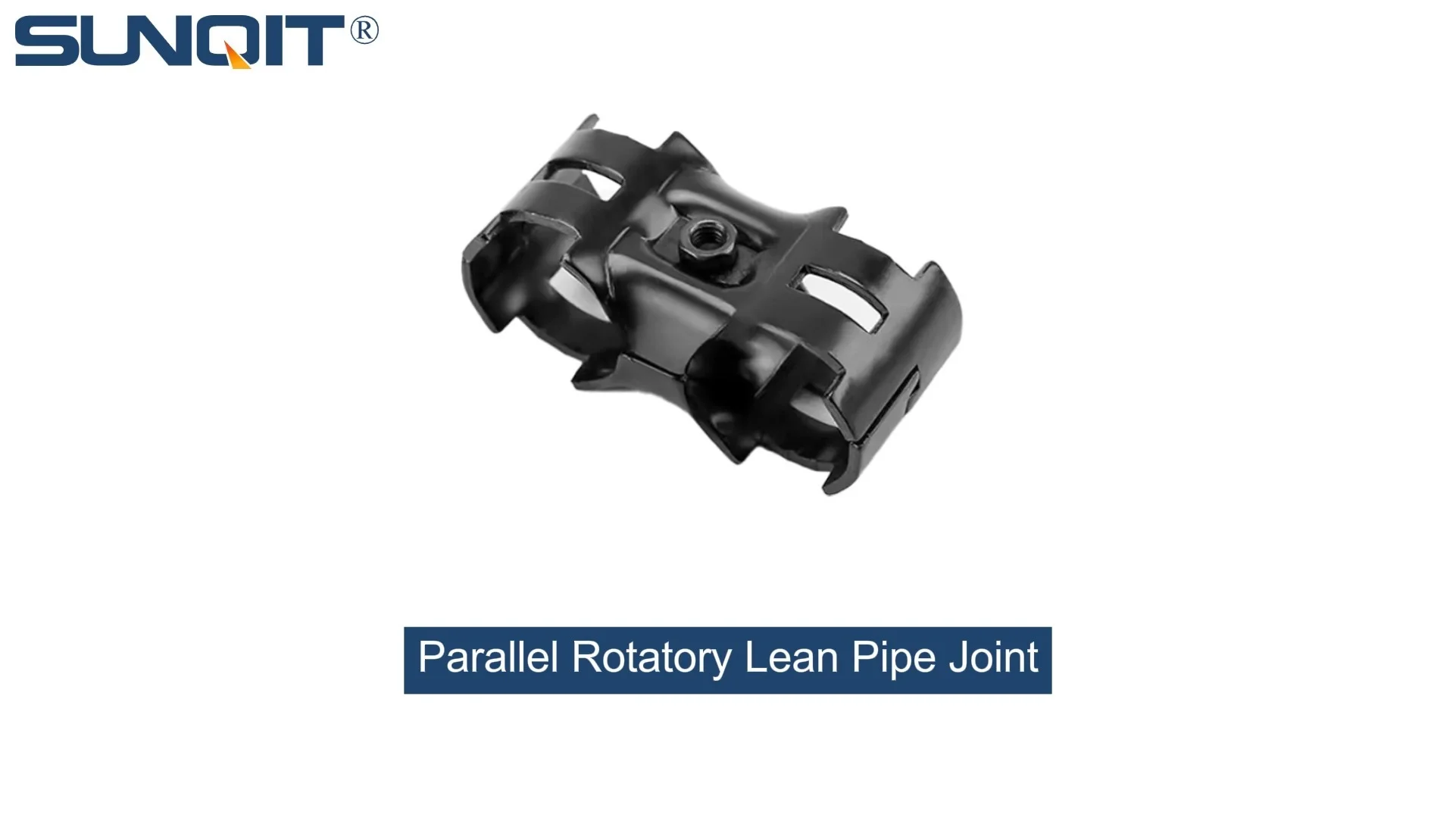
Parallel Rotatory Lean Pipe Joint
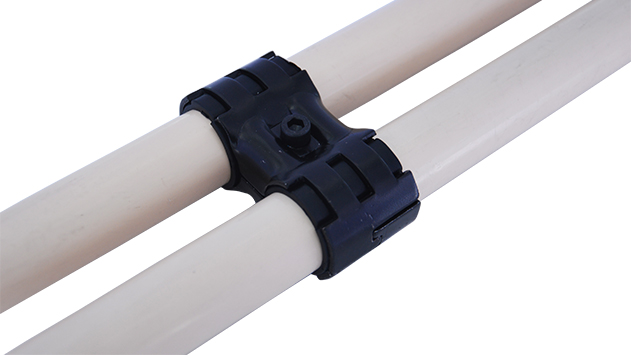
Parallel rotatory lean pipe joint, for 2 pcs pipe conenction in parallel direction with rotatory function.
Small-scale manufacturing is a balancing act. You're juggling tight budgets, limited floor space, and the need to stay agile enough to pivot with customer demands. In this world, "lean" isn't just a buzzword—it's survival. Lean systems, built on flexible, reusable components, let you do more with less. But here's the thing: the success of your lean setup hinges on the small parts, like the joints that hold your workbenches, flow racks, and material trolleys together. Today, we're diving into one such component that's a secret weapon for small manufacturers: the parallel rotatory lean pipe joint chrome. We'll break down what it is, why it matters, and most importantly, how much it costs—so you can make smart, cost-effective choices for your shop.
Why Parallel Rotatory Joints Are a Must for Small Manufacturers
Let's start with the obvious: small manufacturers can't afford to waste money on one-size-fits-all equipment. A fixed workbench that only works for one product line? A flow rack that becomes obsolete when your parts get larger? That's throwing cash away. What you need is flexibility—and that's where the parallel rotatory lean pipe joint chrome shines.
Unlike rigid, fixed-angle joints, these chrome-plated connectors let you rotate connected lean pipes slightly, adjusting angles and heights without having to disassemble the entire structure. Need to lower a shelf on your lean pipe workbench to fit a taller component? Rotate the joint. Want to tilt a section of your flow rack to speed up material flow? The rotation feature makes it possible. For shops where space is at a premium, this means you can repurpose the same setup for multiple tasks, cutting down on the need to buy new equipment.
And let's talk durability. Chrome plating isn't just for looks—it adds a layer of protection against rust, scratches, and daily wear and tear. In a busy shop where oil, coolant, or humidity are part of the environment, a chrome finish ensures your joints last longer, so you're not replacing them every few months. For small teams with limited maintenance time, that's one less headache.
What Exactly Is a Parallel Rotatory Lean Pipe Joint Chrome?
If you're new to lean manufacturing components, let's demystify this joint. At its core, it's a metal connector designed to join two lean pipes (usually 28mm in diameter, the industry standard) in a parallel configuration. The "rotatory" part means one end of the joint can pivot slightly—typically 15–30 degrees—relative to the other, giving you adjustability. The "chrome" finish is a thin layer of chromium applied to the steel base, which boosts corrosion resistance and makes cleaning easier (a quick wipe with a cloth removes grease or dust).
Picture this: You're building a workbench using lean pipes and aluminum profile. The top shelf needs to slope slightly to prevent tools from sliding off. With a fixed joint, you'd have to cut the pipes at an angle, which is time-consuming and permanent. With a parallel rotatory joint? Just tighten the joint at the desired angle, and you're done. Later, if you need the shelf flat again, loosen the joint, rotate it back, and retighten. No cutting, no welding, no waste.
These joints are also compatible with most standard lean system accessories, like casters, roller tracks, and plastic end caps. So whether you're building a mobile turnover trolley, a static material rack, or a custom assembly station, they integrate seamlessly into your existing setup.
Breaking Down the Costs: How Much Will You Pay?
Now, the question you're here for: how much does a parallel rotatory lean pipe joint chrome cost? The short answer: between $5 and $15 per unit, depending on a few key factors. Let's unpack those factors so you can estimate your budget accurately.
1. Material Quality and Chrome Finish
Not all joints are created equal. Cheaper options might use thin steel or skip the full chrome plating, leaving them prone to bending or rusting. A high-quality joint, though, is made from thick, cold-rolled steel with a full electroplated chrome layer (at least 0.0005 inches thick). This ensures it can handle the weight of tools, parts, and daily use without deforming. Expect to pay $8–$15 per unit for these premium joints when buying in small quantities (10–50 units).
Avoid the temptation to go for the $3–$5 "budget" joints. We've seen small manufacturers regret it: a bent joint can collapse a shelf, damaging parts or even causing injuries. Spending a little more upfront saves you from costly replacements and downtime later.
2. Supplier and Sourcing: Wholesale vs. Retail
Where you buy matters as much as what you buy. Sourcing directly from a lean pipe supplier (rather than a general hardware store) can slash costs by 30–40%. Lean pipe suppliers specialize in these components and often sell wholesale, even to small businesses. For example, a supplier that stocks everything from lean pipe workbenches to roller tracks will offer better pricing on joints because they're moving large volumes.
Pro tip: Ask about "small-batch wholesale" options. Many suppliers will offer bulk pricing for orders of 50+ joints, even if you're not a huge manufacturer. A quick email to a few suppliers—like reaching out to a local lean pipe supplier or a reputable online wholesaler—can help you compare quotes and find the best deal.
3. Order Quantity: The Power of Bulk
Quantity discounts are your friend here. The more joints you buy at once, the lower the per-unit cost. Let's look at real numbers to illustrate:
| Order Quantity | Average Cost Per Joint (USD) | Total Cost for Order (USD) |
|---|---|---|
| 1–10 units (retail) | $12–$15 | $120–$150 |
| 25–50 units (small wholesale) | $9–$12 | $225–$600 |
| 100+ units (bulk wholesale) | $5–$9 | $500–$900 |
Even if you only need 20 joints today, buying 50 might save you money in the long run. Store the extras in a bin—you'll need them when you expand your flow rack or repair a workbench next quarter, and you'll avoid paying retail prices later.
4. Extras: Accessories and Compatibility
Don't forget to budget for the little things. A joint is useless without lean pipes to connect, and you might need other accessories to complete your setup. For example:
- Lean pipes: Standard 28mm steel or aluminum lean pipe costs $2–$5 per foot. For a small workbench, you'll need 10–15 feet.
- Casters: If building a mobile trolley, swivel caster wheels with brakes add $8–$15 each (budget 4 per trolley).
- End caps: Plastic or rubber caps to cover pipe ends (prevents snags) cost $0.50–$1 each.
These add-ons typically account for 15–20% of your total joint budget. So if you're buying 50 joints at $10 each ($500), set aside an extra $75–$100 for pipes, casters, and caps.
Real-World Example: How One Small Manufacturer Saved $1,200 with Chrome Joints
Let's put this into context with a real story. Meet "Mega Mini Motors," a small shop in Ohio that builds custom mini electric scooters (12 employees, 2,000 sq. ft. space). Last year, they were struggling with fixed workbenches that couldn't adjust to their new, larger battery packs. Their options: buy 4 new workbenches for $350 each ($1,400 total) or upgrade their existing setups with parallel rotatory joints.
They chose the latter. Here's how it broke down:
- 50 parallel rotatory lean pipe joint chrome ($10 each): $500
- 20 ft. extra lean pipe ($3/ft): $60
- 8 caster wheels (to make two workbenches mobile): $100
- Tools and labor: 2 hours of an employee's time ($25/hour): $50
Total cost: $710. By reconfiguring their existing workbenches instead of buying new ones, they saved $690 upfront. But the long-term savings were even bigger: six months later, they launched a smaller scooter model and used the same joints to adjust the workbenches again—no extra cost. For a small shop, that's money that went straight to their bottom line.

How to Get the Best Deal on Chrome Rotatory Joints
Now that you know the costs, let's talk about getting the most bang for your buck. Here are four tips to ensure you're not overpaying:
1. Buy from a Reputable Lean Pipe Supplier
Not all suppliers are created equal. Avoid generic online marketplaces where quality is hit-or-miss. Instead, seek out suppliers that specialize in lean system components—they'll have better quality control and often offer technical support (like help designing your workbench). Look for suppliers with ISO 9001 certification (a sign of consistent quality) and positive reviews from other small manufacturers.
2. Ask for Samples First
Before placing a bulk order, order 2–3 sample joints. Test them: twist them, apply weight, check if the rotation is smooth. A good supplier will send samples for free or at a small cost (which they'll refund if you place a larger order). This avoids the nightmare of receiving 100 joints only to find they're too flimsy for your needs.
3. Bundle with Other Components
If you're already buying lean pipe, flow rack components, or aluminum profile, ask if you can bundle your joint order. Many suppliers offer discounts when you buy multiple products. For example, ordering 50 joints + 100 ft. of lean pipe might get you 5–10% off the total order.
4. Plan for the Future
Small manufacturers often underestimate how much they'll grow. If you're expanding your product line next year, buy extra joints now while you're getting bulk pricing. Storing 20–30 extra joints in a bin costs nothing and saves you from paying retail prices later.

Final Thoughts: Investing in Value, Not Just Cost
At the end of the day, the parallel rotatory lean pipe joint chrome isn't just a part—it's an investment in your shop's flexibility and durability. For small manufacturers, that investment pays off in saved equipment costs, reduced downtime, and the ability to adapt quickly. While $5–$15 per joint might seem like a lot upfront, remember: a well-made chrome joint will outlast cheaper alternatives by 3–5 years, and its adjustability means you'll reuse it for countless projects.
So, take the time to compare suppliers, buy in bulk, and test samples. Your future self—running a leaner, more efficient shop—will thank you.