- Company Articles
- Products and Technology
- Product knowledge
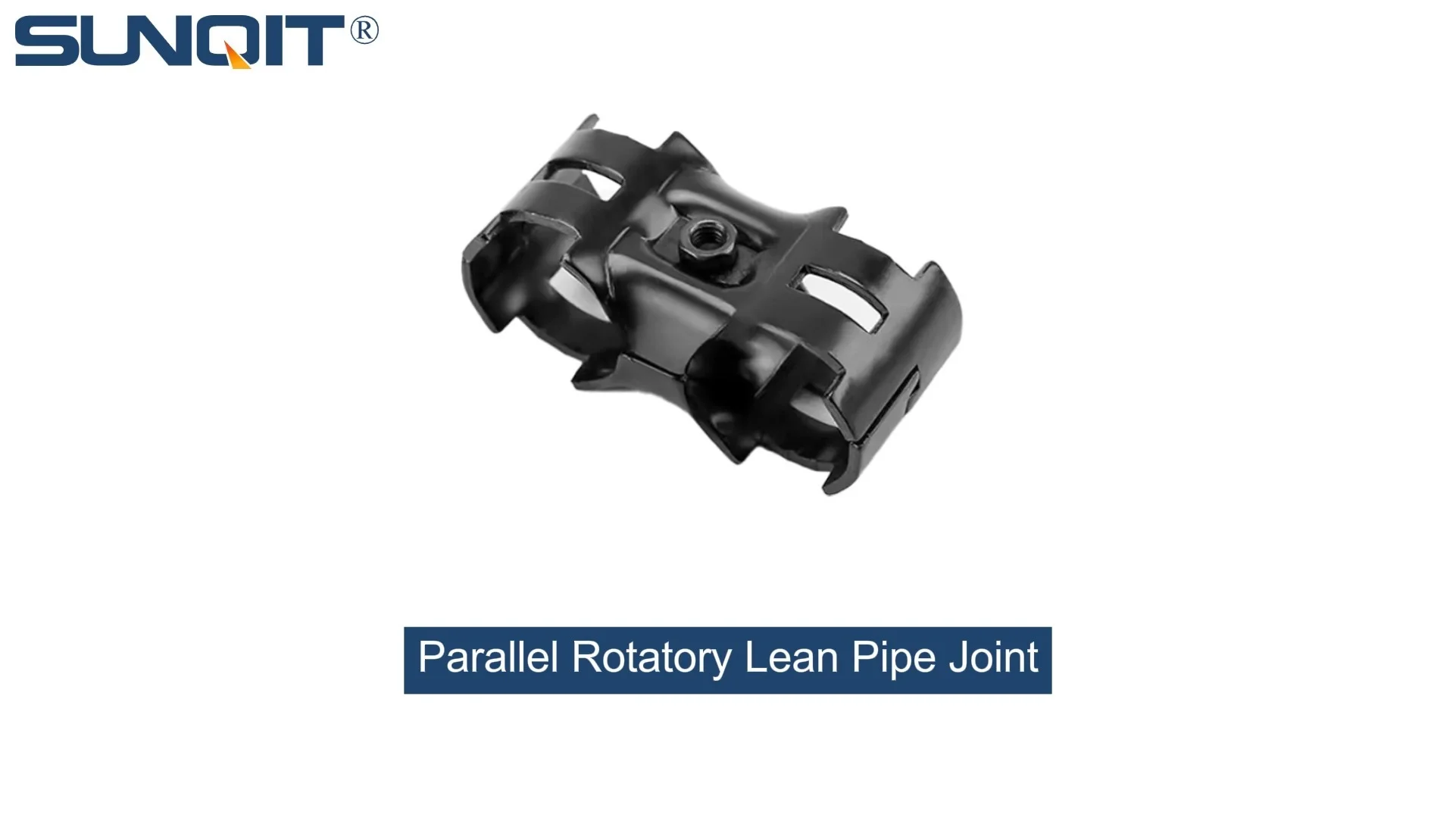
- Parallel Rotatory Lean Pipe Joint Chrome for Turnover Carts: Mobility Enhancement

Parallel Rotatory Lean Pipe Joint Chrome for Turnover Carts: Mobility Enhancement
Related Product
Parallel Rotatory Lean Pipe Joint
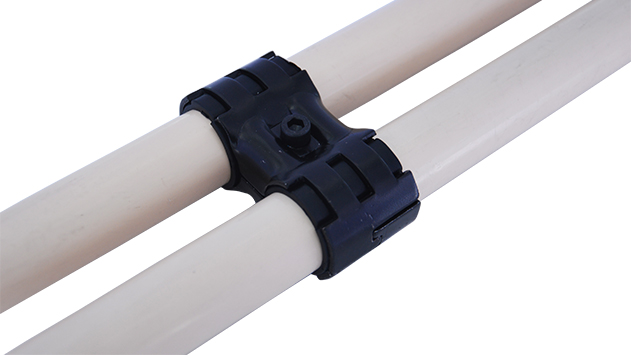
Parallel rotatory lean pipe joint, for 2 pcs pipe conenction in parallel direction with rotatory function.
How a small component is revolutionizing how factories move, adapt, and thrive
The Heartbeat of Production – Why Mobility Matters More Than You Think
Walk into any busy factory, and you'll hear it before you see it: the hum of machines, the clink of tools, and the steady roll of carts moving materials from one station to the next. These carts—turnover trolleys, as they're often called—are the unsung heroes of production lines. They carry everything from circuit boards in electronics plants to engine parts in automotive factories, and their ability to move smoothly, quickly, and safely can make or break a team's efficiency.
But here's the thing: not all turnover carts are created equal. Ask any floor worker, and they'll tell you stories of rigid, clunky trolleys that get stuck in doorways, tip over when loaded unevenly, or require two people to maneuver around corners. "We used to spend 20 minutes just wrestling a cart from the warehouse to the assembly line," says Maria, a production supervisor at a mid-sized electronics manufacturer in Ohio. "By the time we got there, the parts were delayed, and the team was waiting. It felt like we were fighting the tools instead of using them."
That's where mobility comes in. In lean manufacturing—where the goal is to eliminate waste and streamline every step—how materials move is just as important as how they're made. A cart that can pivot, adjust, and glide with minimal effort doesn't just save time; it reduces worker fatigue, cuts down on accidents, and keeps the entire production flow in rhythm. And at the center of this mobility revolution? A small but mighty component: the parallel rotatory lean pipe joint chrome.
Meet the Star: What is a Parallel Rotatory Lean Pipe Joint Chrome?
If you're not familiar with lean pipe systems, let's start with the basics. Lean pipe—also known as "flexible pipe" or "kitchen pipe" in some circles—is a modular building material used to create everything from workbenches to material racks. It's lightweight, durable, and infinitely customizable, thanks to a system of joints that connect pipes at various angles. Think of it as the industrial version of building blocks, but for grown-ups.
Now, within this system, joints are the glue that holds everything together. Most traditional joints are fixed: they lock pipes into place at 90-degree or 45-degree angles, which is great for stability but terrible for flexibility. That's where the parallel rotatory lean pipe joint chrome stands out. Unlike its rigid cousins, this joint is designed to rotate—up to 180 degrees in some cases—while keeping the connected pipes parallel. Imagine a hinge that lets two pipes swing side by side without bending or breaking. That's the magic here.
"It's Like Giving the Cart a Spine That Can Bend"
Jake, a line worker at an automotive plant in Michigan, remembers the first time his team tested a cart with these rotatory joints. "We'd been using a fixed-joint cart for years. It was sturdy, but if you tried to push it around a tight corner, the whole thing would lurch. One day, the maintenance team swapped out the joints for these chrome ones. I thought, 'What's the big deal?' Then I pushed it. It glided. When I turned, the cart almost moved by itself—like it was following my hand. I even took it through the narrow hallway by the break room, which we used to avoid because the old cart would scrape the walls. Now? No problem. It's like giving the cart a spine that can bend, instead of a rigid stick."
Design & Materials: Why Chrome Makes All the Difference
Let's talk about the "chrome" in the name. The parallel rotatory lean pipe joint isn't just functional—it's built to last. The chrome plating isn't for show; it's a protective layer that resists rust, corrosion, and wear. In factories where oil, coolant, or moisture is common, this is a game-changer. Traditional steel joints might start to rust after a few months of exposure, but a chrome finish creates a barrier that keeps the metal underneath intact. "We used to replace joints every six months because they'd get sticky from rust," Maria says. "With the chrome ones? We've had the same set for over two years, and they still spin as smoothly as day one."
Under the chrome, the joint is typically made from high-grade steel or aluminum alloy, depending on the load capacity. For most turnover carts, which carry 200-500 pounds, steel is the go-to for strength, while aluminum is favored for lighter applications where weight matters (like in medical device manufacturing, where carts need to be easy to lift). Either way, the design focuses on two things: smooth rotation and a tight, wobble-free connection to the lean pipe.
Turnover Trolleys Reimagined: A Perfect Partnership
Turnover trolleys (or "turnover carts," as they're sometimes called) are designed to transport materials between workstations, but their effectiveness depends entirely on how they interact with the environment. A typical trolley has a frame made of lean pipe, shelves or racks for holding parts, and caster wheels for movement. The problem? Traditional fixed joints lock the frame into a rigid rectangle, which means the trolley can't adapt to uneven floors, tight spaces, or shifting loads.
The Frustration of Fixed Joints: A Common Factory Headache
Let's paint a picture. You're pushing a turnover trolley loaded with plastic bins full of small parts. The path from the warehouse to the assembly line has a slight bump near the loading dock—a common issue in older factories. With fixed joints, the trolley's frame is rigid, so when one wheel hits the bump, the entire cart jolts. If the load is top-heavy, this can cause parts to spill. Or imagine trying to navigate a 90-degree corner in a narrow aisle. A fixed-joint cart has a wide turning radius, so you either have to back up and try again or risk scraping the walls (and damaging the cart in the process).
"We had a cart that was so rigid, we nicknamed it 'The Tank,'" Jake laughs. "One time, we were moving a load of brake calipers, and it got stuck between two workbenches. We had to unload half the cart, drag it through, then reload. That 10-minute task turned into a 45-minute ordeal. The team was frustrated, and I ended up with a sore back from lifting."
How the Parallel Rotatory Joint Transforms Movement
Enter the parallel rotatory lean pipe joint chrome. By allowing the trolley's frame to flex and rotate, this joint turns "The Tank" into a nimble, adaptable tool. Here's how it works: when the cart hits a bump, the rotatory joints absorb the shock by rotating slightly, keeping the load stable. When navigating a corner, the joints let the frame "bend" (while keeping the shelves level), reducing the turning radius. It's like upgrading from a stiff, old bicycle to a modern mountain bike with suspension—suddenly, rough terrain feels smooth.
But the real genius is in how it integrates with caster wheels. Caster wheels are the "feet" of the cart, responsible for rolling smoothly. But even the best caster wheels struggle if the cart frame is rigid. When the frame can rotate, the caster wheels can pivot independently, distributing weight evenly and preventing them from getting stuck. "We paired the rotatory joints with heavy-duty swivel caster wheels, and it was like night and day," Maria says. "Now, even when the cart is fully loaded, I can push it with one hand. The wheels turn where they need to, and the joints keep everything steady. It's almost effortless."
| Feature | Traditional Fixed Joint Trolley | Parallel Rotatory Lean Pipe Joint Chrome Trolley |
|---|---|---|
| Turning Radius | Wide (requires 6+ feet of clearance for 90° turns) | Narrow (4 feet or less for 90° turns) |
| Shock Absorption | Poor (jolts transfer directly to load) | Excellent (rotatory motion absorbs bumps) |
| Worker Effort | High (requires 2+ people for heavy loads) | Low (one person can push fully loaded carts) |
| Durability in Wet/Harsh Environments | Low (prone to rust and corrosion) | High (chrome finish resists rust) |
| Flexibility for Customization | Low (fixed angles limit design changes) | High (rotatory joints allow on-the-fly adjustments) |

Beyond Mobility: The Hidden Benefits of the Chrome Rotatory Joint
Mobility is the headline benefit, but the parallel rotatory lean pipe joint chrome offers more than just smoother movement. Let's dig into the perks that factory managers and workers alike are raving about.
Durability That Saves Money (and Headaches)
In manufacturing, equipment costs add up fast. Replacing bent pipes, broken joints, or damaged carts can eat into a budget—and disrupt production. The chrome finish on these joints isn't just about shine; it's a shield against the wear and tear of daily use. Unlike painted or bare steel joints, chrome resists scratches, dents, and chemical spills. "We had a cart tip over once—don't ask how—and the only damage was a small scratch on the joint," Jake recalls. "A traditional joint would've bent or cracked. This one just kept going. We sanded the scratch, and it was good as new."
And because the joints are made from high-quality steel, they can handle heavy loads without warping. Most models are rated for 500+ pounds per joint, which means even fully loaded trolleys won't strain them. Over time, this durability translates to fewer replacements, lower maintenance costs, and less downtime.
Flexibility to Adapt to Changing Needs
Factories don't stay the same forever. Product lines change, order volumes fluctuate, and new machinery is added. A rigid trolley system can't keep up—but a lean pipe system with rotatory joints can. Because the joints are modular, you can reconfigure the trolley frame in minutes. Need to add a shelf? Swap out a short pipe for a longer one. Need to make the cart narrower to fit through a new doorway? Adjust the joints to angle the pipes inward. "Last year, we switched from assembling small circuit boards to larger displays," Maria says. "Instead of buying new carts, we just took apart the old ones, rearranged the pipes with the rotatory joints, and had wider carts ready in an hour. It saved us thousands of dollars."
This flexibility also extends to compatibility with other lean manufacturing tools, like aluminum profiles. Aluminum profiles are another modular building material, often used for workbenches and material racks. The parallel rotatory joints can connect lean pipe to aluminum profiles seamlessly, letting you mix and match materials for the perfect setup. "We built a hybrid cart: lean pipe frame with aluminum profile shelves," Jake explains. "The joints held everything together, and it was strong enough to hold the heavy displays but light enough to move easily. It's like having a Swiss Army knife for material handling."
Pro Tip: Mixing Lean Pipe and Aluminum Profiles
When combining lean pipe and aluminum profiles, use adapter sleeves (available from most lean pipe suppliers) to ensure a tight fit. The parallel rotatory joints will handle the rotation, while the sleeves keep the connection secure. This is a great way to add rigidity where you need it (aluminum profiles) and flexibility where you don't (lean pipe with rotatory joints).
Safety First: Reducing Accidents and Fatigue
At the end of the day, the most important benefit is safety. Clunky, hard-to-move carts are a leading cause of workplace injuries: strains from lifting, trips from carts tipping over, and collisions from poor maneuverability. The parallel rotatory joint addresses all three.
First, by reducing the effort needed to push carts, it cuts down on back and shoulder strains. "I used to come home with a sore back after a long day pushing carts," Jake says. "Now, my back feels fine. It's the little things, like not having to heave a cart over a threshold, that make a big difference." Second, the stable, level shelves (thanks to the rotatory joints) prevent loads from shifting and tipping. And third, the smaller turning radius means fewer collisions with walls, machinery, or other workers.
"We haven't had a single cart-related injury since we switched to these joints," Maria adds. "That's not just good for morale—it's good for our bottom line. Workers' comp claims are down, and attendance is up because people aren't calling out with sore muscles. It's a win-win."

Real-World Impact: Stories from the Factory Floor
Numbers and features are great, but nothing tells the story like real people. Let's look at two factories that upgraded to parallel rotatory lean pipe joint chrome trolleys and the difference it made.
Case Study 1: Automotive Assembly Line – From Bottlenecks to Flow
A large automotive plant in Texas was struggling with a bottleneck in their engine assembly line. The line used traditional fixed-joint trolleys to transport engine blocks from the machining area to the assembly stations. These trolleys were heavy, hard to maneuver, and often delayed the line when they got stuck. "We were losing 30-45 minutes every day just waiting for carts," says Tom, the plant manager. "The workers were frustrated, and the production numbers were slipping."
The plant invested in 20 new trolleys equipped with parallel rotatory lean pipe joint chrome and heavy-duty caster wheels. The results were immediate. "Within the first week, the delay time dropped to 5 minutes a day," Tom says. "The carts could navigate the tight space between the machining centers and the assembly line, and one worker could push a trolley loaded with two engine blocks. We're now assembling 15% more engines per shift, and the team's morale is through the roof. They feel like we're investing in their success, not just the machines."
Case Study 2: Electronics Manufacturing – Safety and Speed
A California-based electronics manufacturer was dealing with frequent small-part spills from their turnover trolleys. The fixed-joint carts would jolt when rolling over the factory's uneven concrete floor, causing resistors, capacitors, and other tiny parts to fall off the shelves. "We were losing hundreds of dollars in parts every month, not to mention the time spent cleaning up and reordering," says Lisa, the operations director. "Plus, workers were slipping on the spilled parts—we had two near-misses in three months."
After switching to rotatory joint trolleys, the spills stopped. "The rotatory joints absorb the bumps, so the shelves stay level even on rough floors," Lisa explains. "We also added non-slip mats to the shelves, and now parts stay put. The workers no longer have to stop and clean up, so they're more productive. And best of all, we haven't had a single slip incident since. It's amazing how a small change can fix such a big problem."
Choosing the Right Supplier: What to Look For
Now that you're convinced the parallel rotatory lean pipe joint chrome is a game-changer, how do you find the right one? Not all suppliers are created equal, and choosing a low-quality joint can lead to frustration, downtime, and even safety risks. Here's what to look for:
1. Material Quality: The joint should be made from high-grade steel (or aluminum for light loads) with a thick chrome plating (at least 0.0005 inches). Ask for material certifications to ensure it meets industry standards for strength and corrosion resistance.
2. Rotation Smoothness: A good joint should rotate smoothly without sticking or wobbling. Ask for a sample and test it—twist it back and forth. It should feel fluid, not gritty. If it sticks, it will wear out quickly and cause frustration.
3. Load Capacity: Check the load rating. Most turnover trolleys need joints rated for 300-500 pounds. If you're carrying heavier loads (like engine parts), look for joints rated for 1000+ pounds.
4. Compatibility: Make sure the joint fits your existing lean pipe (most are designed for 28mm or 30mm pipes, the industry standard). If you plan to mix with aluminum profiles, ask if the supplier offers adapters.
5. Customer Support: A good supplier will help you choose the right joint for your needs, offer installation tips, and stand behind their product with a warranty. "Our supplier sent a technician to our factory to show us how to assemble the carts with the joints," Maria says. "They even helped us design a custom cart for our displays. That kind of support makes all the difference."
Conclusion: Small Component, Big Impact
In the grand scheme of manufacturing, a lean pipe joint might seem insignificant. It's small, often overlooked, and rarely gets the spotlight. But as we've seen, it's the small components that often have the biggest impact. The parallel rotatory lean pipe joint chrome isn't just a "part"—it's a tool that empowers workers, streamlines production, and turns frustrating, time-consuming tasks into effortless, efficient ones.
Whether you're struggling with clunky trolleys, looking to cut costs, or simply want to make your team's day-to-day work easier, this joint is worth considering. It's a reminder that in lean manufacturing, the goal isn't just to make better products—it's to make better processes. And sometimes, all it takes is a little rotation to set everything in motion.
So the next time you walk through a factory and hear the smooth roll of a turnover cart, take a closer look. Chances are, there's a parallel rotatory lean pipe joint chrome hard at work, keeping the heartbeat of production strong, steady, and ready for whatever comes next.