- Company Articles
- Products and Technology
- Product knowledge
- Parallel Rotatory Lean Pipe Joint Chrome: Ideal for Flexible Production Lines

Parallel Rotatory Lean Pipe Joint Chrome: Ideal for Flexible Production Lines
Related Product
Parallel Rotatory Lean Pipe Joint
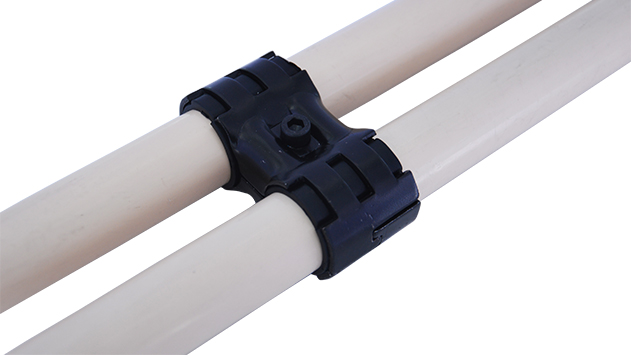
Parallel rotatory lean pipe joint, for 2 pcs pipe conenction in parallel direction with rotatory function.
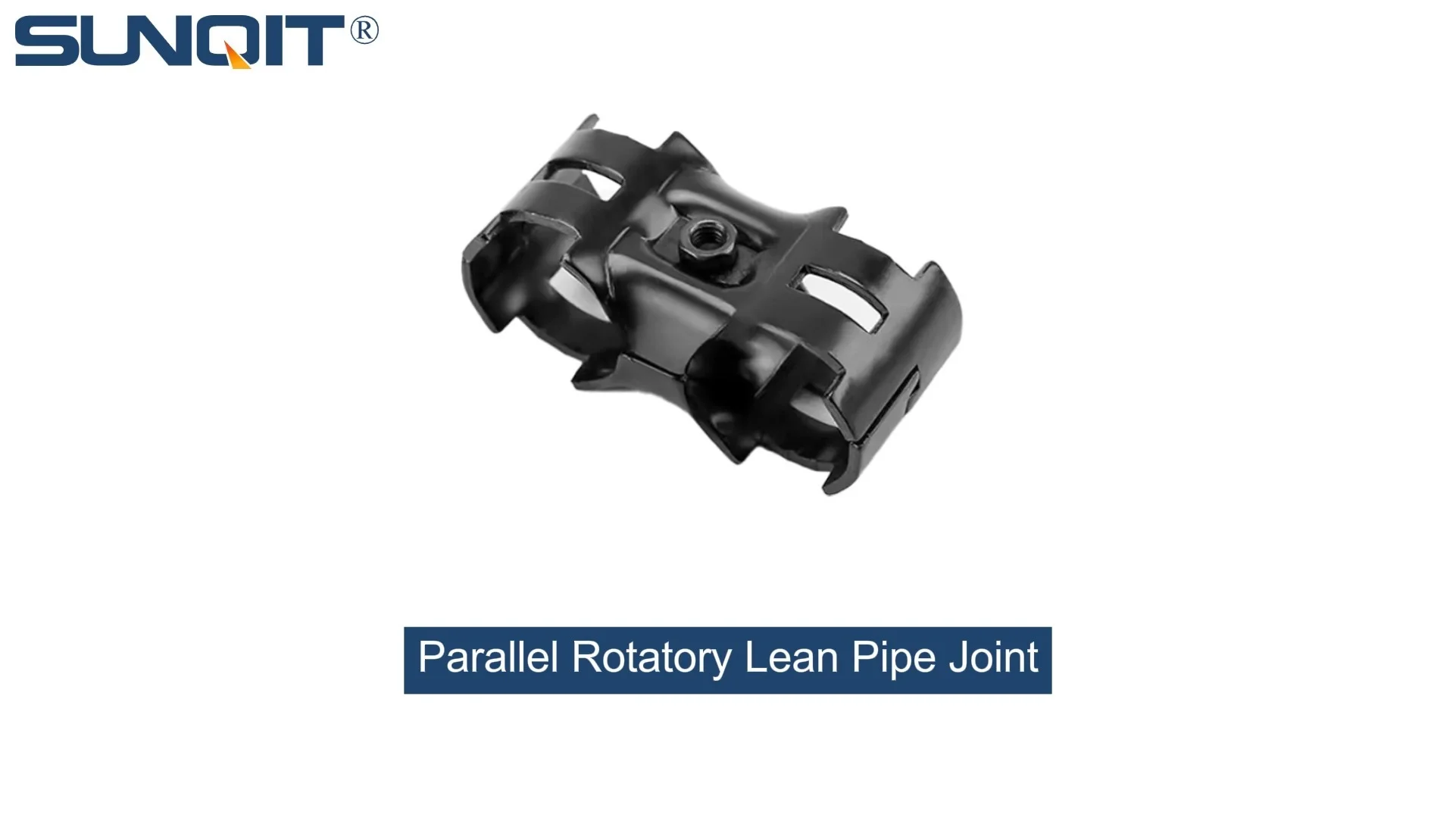
In today's fast-paced manufacturing world, the ability to adapt is everything. Whether you're producing electronics, automotive parts, or consumer goods, rigid production setups can quickly become a liability. Downtime spent reconfiguring workstations, bottlenecks caused by inflexible material flow, and the high cost of replacing fixed structures—these are the daily headaches that keep plant managers up at night. But what if there was a component that could turn your production line from a static system into a dynamic, shape-shifting tool? Enter the parallel rotatory lean pipe joint chrome —a small but mighty innovation that's quietly revolutionizing how lean manufacturing systems are built and adapted.
Lean manufacturing isn't just a buzzword; it's a philosophy centered on eliminating waste, optimizing flow, and responding swiftly to change. At the heart of any lean system are the physical components that bring it to life: pipes, joints, workbenches, and racks. Among these, joints are the unsung heroes—they hold everything together, but their design directly impacts how easily your system can evolve. Traditional fixed joints lock you into a single configuration, while basic rotatory joints often lack the precision or durability needed for heavy industrial use. The parallel rotatory lean pipe joint chrome, however, bridges this gap, offering both flexibility and strength. Let's dive into why this component has become a go-to for manufacturers aiming to build truly agile production lines.
What Exactly Is a Parallel Rotatory Lean Pipe Joint Chrome?
Before we explore its benefits, let's break down what this joint is and how it works. At its core, a parallel rotatory lean pipe joint chrome is a connector designed to link lean pipes (also known as or "lean tubes") in a way that allows controlled, parallel rotation. Unlike fixed joints, which keep pipes at a rigid angle, or standard rotatory joints that may only pivot in one direction, this chrome-plated variant is engineered for smooth, 360-degree rotation along a parallel axis. This means when you connect two pipes with it, you can adjust their angle relative to each other without disconnecting them—think of it like a hinge that lets you swing sections of your workstation or rack into new positions with minimal effort.
The "chrome" in its name isn't just for show. Chrome plating adds a layer of protection, making the joint resistant to corrosion, scratches, and the wear and tear of daily industrial use. In environments where oils, coolants, or moisture are present (common in automotive or machining shops), this durability is a game-changer. Unlike plastic or uncoated metal joints that might rust or degrade over time, a chrome-plated joint maintains its integrity, ensuring your lean system stays stable and reliable for years.
But what truly sets it apart is its "parallel" rotation mechanism. Imagine building a lean pipe workbench where the height of the shelf needs to be adjusted for different operators or tasks. With a fixed joint, you'd have to disassemble the entire section, re-drill holes, and reassemble—a process that could take hours. With a parallel rotatory joint, you simply loosen the locking mechanism, rotate the shelf to the desired height, and tighten it back down. The rotation is smooth and controlled, allowing for precise adjustments, and the chrome finish ensures that even after repeated use, the joint won't seize up or become difficult to move.
Key Features That Make It Indispensable
To understand why this joint has become a staple in modern manufacturing, let's look at its standout features. These aren't just technical specs—they're solutions to real-world problems faced by production teams every day.
1. Chrome Plating: Durability That Stands Up to Industrial Chaos
Manufacturing floors are tough places. Pipes get bumped, tools get dropped, and chemicals or moisture can eat away at unprotected metal. The chrome plating on this joint acts as a shield. It's not just about shine (though it does give the joint a clean, professional look); chrome is naturally resistant to corrosion and abrasion. This means even in busy factories where the joint is exposed to coolant spills, dust, or frequent contact, it won't rust, pit, or degrade. For companies that rely on their lean systems 24/7, this longevity translates to lower replacement costs and less downtime spent on maintenance.
2. Parallel Rotation: Flexibility Without Compromise
The term "parallel rotation" might sound technical, but its impact is practical. When you rotate the joint, the two connected pipes move in a way that keeps their axes parallel to each other. This is crucial for maintaining stability in structures like flow racks or workbenches. For example, if you're adjusting the angle of a roller track on a flow rack to speed up or slow down material flow, parallel rotation ensures the track remains level and aligned, preventing products from jamming or tipping. Unlike some rotatory joints that can cause pipes to "wobble" or lose alignment, this design keeps everything steady—even when handling heavy loads.
3. Universal Compatibility: Works Seamlessly with Your Existing Setup
One of the biggest barriers to adopting new components is compatibility. No manufacturer wants to replace their entire lean pipe system just to use a new joint. The good news? Parallel rotatory lean pipe joints chrome are designed to work with standard lean pipes (typically 28mm or 30mm diameter), as well as common accessories like roller tracks , casters, and aluminum profiles. Whether your current setup uses steel, aluminum, or plastic-coated lean pipes, this joint can integrate without a hitch. This compatibility makes it easy to upgrade specific sections of your line—like a problematic workbench or a slow-moving flow rack—without overhauling everything.
4. High Load Capacity: Built for Heavy-Duty Use
Flexibility is useless if a joint can't support the weight of your materials. This chrome joint is engineered to handle industrial-level loads, with most models supporting up to 50kg per joint (depending on pipe thickness and installation). That means it's more than capable of holding tools, components, or finished products on a workbench, or supporting the weight of boxes and parts as they slide down a flow rack. The secret lies in its reinforced internal structure—precision-machined metal components that distribute weight evenly, preventing bending or breakage even under constant use.
5. Tool-Free Adjustment: Save Time on Reconfiguration
In a busy production environment, every minute counts. Traditional joints often require wrenches, screwdrivers, or even welding to adjust, which eats into valuable production time. The parallel rotatory lean pipe joint chrome, however, features a quick-lock mechanism (usually a hex key or thumb screw) that lets operators make adjustments in seconds. Loosen the lock, rotate the joint to the desired angle, and tighten it back down—no special tools needed. This is a game-changer for teams that need to switch between product runs or reconfigure workstations multiple times a day. For example, an electronics manufacturer producing both smartphones and tablets can adjust their lean pipe workbench height or shelf angles in minutes, rather than hours, keeping production on track.
How It Works with Other Lean Components
A great component doesn't work in isolation—it enhances the systems around it. The parallel rotatory lean pipe joint chrome shines when paired with other lean staples like lean pipe workbenches , flow racks , and roller tracks . Let's look at how these combinations create a more agile production line.
Pairing with Lean Pipe Workbenches: Custom Ergonomics for Every Operator
Workbenches are the heart of any assembly line, and one size rarely fits all. An operator assembling small circuit boards might need a lower work surface, while someone handling larger components could benefit from a higher bench. With fixed joints, you're stuck with a single height, leading to ergonomic issues like back strain or reduced productivity. By using parallel rotatory joints in the workbench frame, you can adjust the height of the tabletop, the angle of tool racks, or the position of storage shelves to fit each operator's needs. For example, adding a rotatory joint to the side of the bench lets you swing a tool holder into reach when needed and tuck it away when not in use, keeping the workspace clutter-free.
Case in point: A medical device manufacturer we worked with recently was struggling with high turnover due to operator fatigue. Their fixed-height workbenches forced operators to hunch over for hours, leading to complaints and missed deadlines. After retrofitting the benches with parallel rotatory joints, they could adjust the height by up to 30cm, and operators could tilt the work surface slightly to reduce glare on small parts. Within a month, error rates dropped by 15%, and operator satisfaction scores rose significantly. All from a simple change in joints.
Boosting Flow Racks: Smoother Material Movement
Flow racks are essential for keeping materials moving from storage to assembly, but their efficiency depends on the angle of the roller tracks. Too steep, and parts slide too fast, risking damage; too shallow, and they get stuck, causing bottlenecks. Traditional flow racks use fixed-angle roller tracks, which means you're stuck with a single slope—great for one product, but problematic when you switch to something heavier or lighter. By using parallel rotatory joints to mount the roller tracks, you can adjust the slope on the fly. Need to move heavier boxes? Increase the angle slightly. Switching to delicate electronics? Flatten it out. This adaptability ensures consistent flow, no matter what you're producing.
A furniture manufacturer we partnered with faced this exact issue. They produced both small chairs (lightweight) and large dining tables (heavy), and their fixed-angle flow racks struggled with both: chairs would get stuck, while tables would slide too quickly and scratch. By installing parallel rotatory joints on the rack's side supports, they could adjust the roller track angle from 5° to 15°, matching it to the product weight. Material jams dropped by 80%, and product damage decreased by 90%—all without replacing the entire rack.
Enhancing Roller Tracks: Precision Alignment for Varied Loads
Roller tracks are the arteries of a flow system, moving parts from one station to the next. But even a slight misalignment can cause jams, especially with irregularly shaped items. Parallel rotatory joints help here by allowing micro-adjustments to the track's angle or height. For example, if a section of track starts to sag in the middle (a common issue with heavy loads), you can use a rotatory joint to raise one end slightly, ensuring the track remains level. Or, if parts tend to veer to one side, rotating the joint to angle the track slightly can guide them back to center. This level of precision is hard to achieve with fixed joints, which often require shims or complete disassembly to adjust.

A Closer Look: Comparing Lean Pipe Joints
To truly appreciate the value of the parallel rotatory lean pipe joint chrome, it helps to see how it stacks up against other common joint types. Below is a comparison table highlighting key differences in flexibility, durability, and use cases:
| Joint Type | Rotation Capability | Material | Load Capacity (Per Joint) | Best For | Reconfiguration Time |
|---|---|---|---|---|---|
| Fixed Lean Pipe Joint | None (rigid angle) | Plastic or uncoated steel | 30-40kg | Static systems with no reconfiguration needs | 1-2 hours (requires disassembly) |
| Standard Rotatory Joint | 90° pivot (single direction) | Plastic or aluminum | 20-30kg | Simple adjustments (e.g., folding shelves) | 30-60 minutes (needs tools) |
| Aluminum Rotatory Joint | 180° rotation (limited parallel movement) | Aluminum | 35-45kg | Light to medium loads, clean environments | 15-30 minutes (some tools needed) |
| Parallel Rotatory Lean Pipe Joint Chrome | 360° parallel rotation | Chrome-plated steel | 40-50kg | Dynamic systems, heavy loads, frequent reconfiguration | 1-2 minutes (tool-free adjustment) |
As the table shows, the parallel rotatory chrome joint outperforms others in flexibility, load capacity, and reconfiguration speed—key factors for modern, agile production lines. Its chrome plating also gives it an edge in durability, making it suitable for harsh industrial environments where aluminum or plastic joints might fail.

Real-World Impact: Case Studies from the Factory Floor
Numbers and specs tell part of the story, but real-world results speak louder. Let's look at two manufacturers that integrated parallel rotatory lean pipe joints chrome into their systems and the impact it had on their operations.
Case Study 1: Automotive Parts Supplier Cuts Setup Time by 70%
A mid-sized automotive parts supplier was struggling to keep up with demand for custom components. They produced parts for multiple car models, each requiring different assembly setups. Their existing production line used fixed joints, meaning reconfiguring flow racks and workbenches took 4-6 hours per changeover. This led to frequent delays, as they could only complete 2-3 changeovers per day.
After retrofitting their line with parallel rotatory lean pipe joints chrome, the team saw immediate results. Adjusting flow rack angles, workbench heights, and roller track slopes now took just 30-45 minutes per changeover. This allowed them to increase changeovers to 6-8 per day, boosting overall production capacity by 40%. Additionally, the chrome joints' durability reduced maintenance costs—they replaced 80% fewer joints in the first year compared to their old plastic models. "It's like night and day," said the plant manager. "We used to dread changeovers; now we barely notice them."
Case Study 2: Electronics Manufacturer Improves Ergonomics and Quality
An electronics manufacturer producing smart home devices was facing two issues: high operator turnover due to ergonomic complaints and rising defect rates from awkward workbench setups. Their fixed-height workbenches forced operators to either hunch over or stretch to reach components, leading to fatigue and mistakes.
By installing parallel rotatory joints on the workbench legs and tool racks, the manufacturer enabled height and angle adjustments. Operators could now set their work surface to elbow height and tilt tool holders toward them, reducing strain. Within three months, defect rates dropped by 22%, and operator turnover fell by 35%. "Our team feels valued because we're investing in their comfort," noted the operations director. "And when your operators are happy, quality and productivity follow."
Installation and Maintenance Tips
To get the most out of your parallel rotatory lean pipe joint chrome, proper installation and maintenance are key. Here are some practical tips to ensure longevity and performance:
Installation Best Practices
- Clean the pipes first: Dirt, oil, or debris on the lean pipes can prevent the joint from gripping properly. Wipe pipes with a clean cloth before installation.
- Don't overtighten: While the joint needs to be secure, overtightening the lock can damage the threads or make future adjustments harder. Tighten until snug, then give it a quarter-turn more.
- Align pipes parallel during setup: When first installing the joint, ensure the connected pipes are parallel to avoid putting stress on the rotation mechanism. This prevents premature wear.
- Test rotation before loading: After installation, rotate the joint through its full range of motion to ensure it moves smoothly. If it sticks, check for misalignment or debris in the mechanism.
Maintenance Tips
- Clean regularly: Wipe the joint with a damp cloth weekly to remove dust and grime, especially in the rotation mechanism. This prevents buildup that can cause sticking.
- Lubricate sparingly: If the rotation starts to feel stiff, apply a small amount of silicone lubricant (avoid oil-based lubes, which attract dust) to the joint's pivot points. Wipe away excess to prevent gunk buildup.
- Check locks monthly: Over time, vibration from production can loosen the lock mechanism. Do a quick check monthly to ensure all joints are tight and secure.
- replace worn parts promptly: If the lock mechanism fails or the rotation becomes uneven, replace the joint immediately. Using a damaged joint can compromise the stability of your entire system.
Why Chrome? The Advantages of Chrome Plating
You might be wondering: Why chrome? There are plenty of other finishes, like powder coating or zinc plating. Chrome plating offers unique benefits that make it ideal for industrial use:
- Corrosion resistance: Chrome forms a protective oxide layer that resists rust and corrosion, even in humid or chemical-exposed environments. This is critical for joints used near coolants, cleaning agents, or in outdoor storage areas.
- Scratch resistance: Chrome is harder than most other finishes, so it stands up to bumps, scrapes, and tool contact without showing wear. This keeps the joint looking professional and functioning smoothly longer.
- Easy to clean: Chrome's smooth, non-porous surface doesn't trap dirt or bacteria, making it easy to sanitize—a must for industries like food processing or pharmaceuticals where cleanliness is regulated.
- Heat resistance: Unlike plastic or some painted finishes, chrome can withstand high temperatures (up to 200°C), making it suitable for use near welding stations or heat-treated parts.
The Future of Lean Manufacturing: Why Flexibility Matters More Than Ever
The manufacturing landscape is changing faster than ever. Consumer demand for customization, shorter product lifecycles, and global supply chain disruptions are forcing companies to build systems that can pivot at a moment's notice. Rigid production lines, once the norm, are becoming obsolete—they simply can't keep up with the need for agility.
In this context, components like the parallel rotatory lean pipe joint chrome aren't just "nice to have"—they're essential. They represent a shift from "build it once and forget it" to "build it to evolve." By investing in flexible components, manufacturers are future-proofing their operations, ensuring they can adapt to new products, new processes, and new challenges without overhauling their entire infrastructure.
Looking ahead, we'll likely see even more innovation in lean components—smart joints with sensors that alert operators when adjustments are needed, or self-locking mechanisms that automatically secure the joint after rotation. But for now, the parallel rotatory lean pipe joint chrome remains a cornerstone of flexible manufacturing, offering a simple, cost-effective way to build systems that grow with your business.
Final Thoughts: Is It Right for Your Production Line?
If your manufacturing line struggles with any of these issues—long reconfiguration times, ergonomic complaints, frequent joint failures, or rigid setups that can't adapt to new products—the parallel rotatory lean pipe joint chrome is worth considering. It's not just a joint; it's an investment in agility, durability, and operator satisfaction.
Whether you're building a new lean system from scratch or upgrading an existing one, this component delivers tangible benefits: faster changeovers, lower maintenance costs, improved ergonomics, and a production line that can keep up with whatever the market throws at it. And with its compatibility with standard lean pipes and accessories, you don't have to start over—just start adapting.
In the end, manufacturing success isn't about having the most advanced machines; it's about having the most adaptable ones. The parallel rotatory lean pipe joint chrome helps you build that adaptability into the very structure of your production line. So why wait? Start rotating toward a more flexible future today.