- Company Articles
- Products and Technology
- Product knowledge
- Parallel Rotatory Lean Pipe Joint Chrome in Automated Conveyor Systems

Parallel Rotatory Lean Pipe Joint Chrome in Automated Conveyor Systems
Related Product
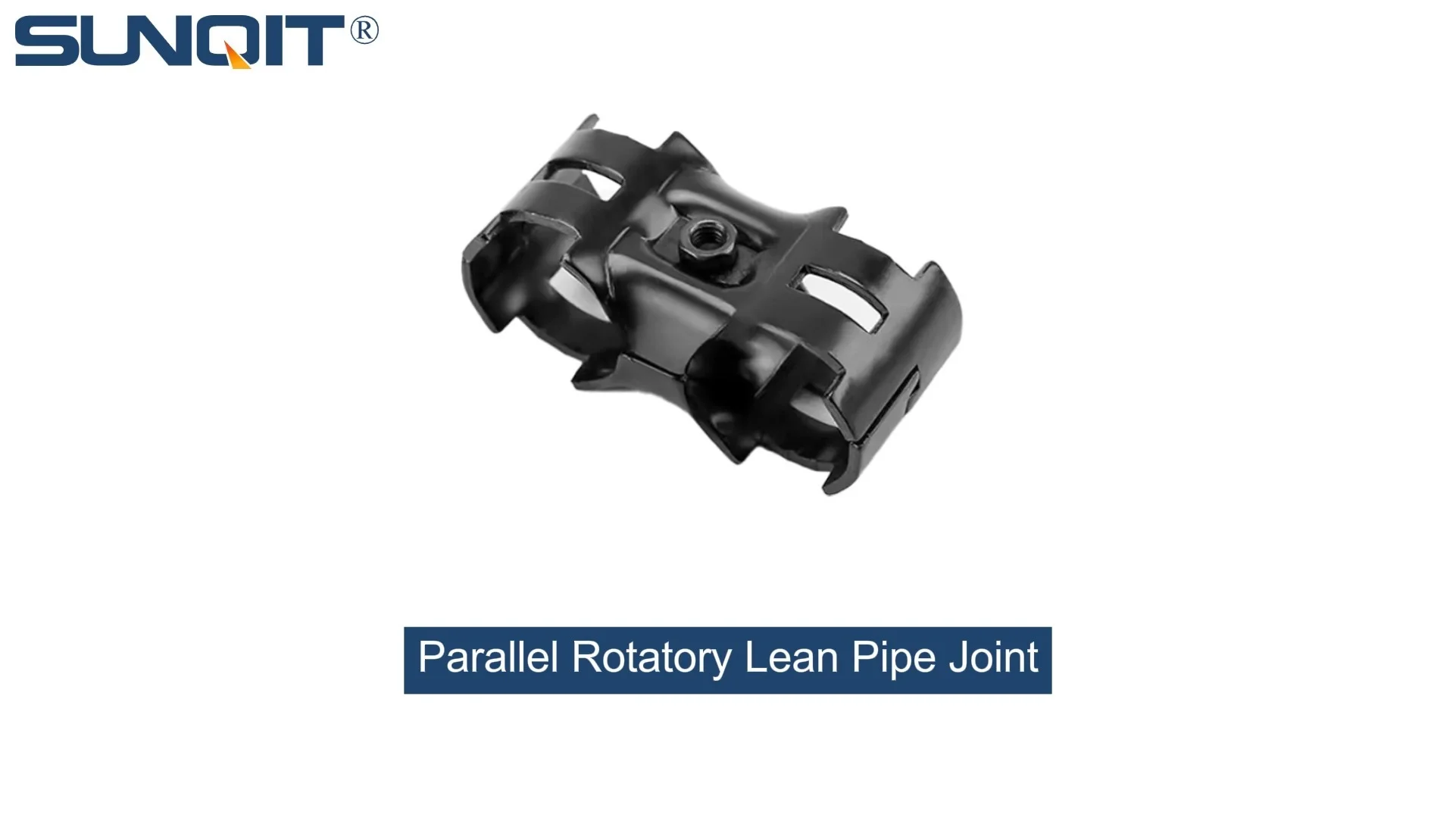
Parallel Rotatory Lean Pipe Joint
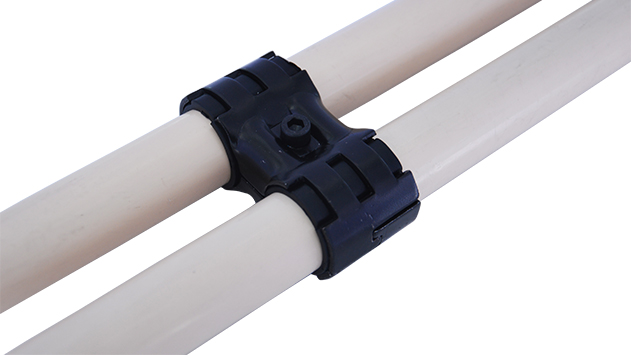
Parallel rotatory lean pipe joint, for 2 pcs pipe conenction in parallel direction with rotatory function.
Walk into any modern manufacturing facility, and you'll likely be greeted by the hum of machinery, the rhythmic movement of products, and the seamless flow of materials from one station to the next. At the heart of this orchestration lies a critical component: the automated conveyor system. These systems are the circulatory system of manufacturing, ensuring that parts, components, and finished goods move efficiently—whether it's in automotive plants assembling engines, electronics factories building circuit boards, or e-commerce warehouses sorting packages for next-day delivery. But what makes these conveyors so adaptable, durable, and easy to reconfigure? Often, it's the small, unassuming parts that hold everything together. Today, we're shining a light on one such unsung hero: the parallel rotatory lean pipe joint chrome .
In the world of lean manufacturing, where efficiency and flexibility are king, lean pipe systems have become a cornerstone. These modular systems, built from pipes, joints, and accessories, allow businesses to design custom workbenches, material racks, and—you guessed it—conveyor systems tailored to their unique needs. And at the center of this modularity are lean pipe joints. Among the many types of joints available, the parallel rotatory lean pipe joint chrome stands out for its ability to add dynamic movement and adaptability to conveyor setups. In this article, we'll explore what makes this joint special, how it works with other components like roller tracks and aluminum profiles , and why it's become a go-to choice for manufacturers aiming to build smarter, more responsive conveyor systems.
The Backbone of Lean Systems: Understanding Lean Pipe Joints
Before diving into the specifics of the parallel rotatory lean pipe joint chrome, let's take a step back and understand the role of lean pipe joints in general. At their core, lean pipe joints are the connectors that transform simple pipes into complex, functional structures. Think of them as the "Lego blocks" of manufacturing: they allow you to snap together pipes (often made of steel, aluminum, or plastic) to create everything from workbenches to conveyor frames. Unlike traditional welded structures, lean pipe systems are modular—meaning you can easily disassemble, reconfigure, or expand them as your needs change. This flexibility is why they're a favorite in industries where production lines evolve rapidly, such as electronics or consumer goods manufacturing.
Lean pipe joints come in dozens of designs, each engineered for a specific purpose. There are fixed joints that lock pipes at 90° or 45° angles, swivel joints that allow 360° rotation, and telescopic joints that adjust pipe length. But for conveyor systems—where materials need to flow smoothly, often around corners or up inclines—joints that offer controlled movement are critical. This is where rotatory joints, especially parallel rotatory ones, shine. They enable conveyor components like roller tracks to tilt, pivot, or adjust angles, ensuring that products move efficiently regardless of their size, weight, or shape.
Spotlight on Parallel Rotatory Lean Pipe Joint Chrome: Design, Material, and Mechanics
So, what exactly is a parallel rotatory lean pipe joint chrome? Let's break it down. "Parallel rotatory" refers to its ability to rotate along a parallel axis—imagine two pipes connected side by side, and the joint allows one to pivot relative to the other while staying in the same plane. This is different from a swivel joint, which rotates around a central axis (like a wheel on an axle). The "chrome" in its name refers to its finish: the joint is typically made of steel with a chrome plating, which adds a layer of protection and enhances performance.
Design and Mechanics: How It All Moves
The parallel rotatory lean pipe joint chrome is designed with precision in mind. At its core is a steel housing with internal bearings or bushings that allow smooth rotation. On either end are connection points for lean pipes—usually threaded or with a clamping mechanism that grips the pipe securely. What sets it apart is the rotation range: most models offer 360° rotation along the parallel axis, though some are limited to 180° for stability. This rotation is controlled but not loose; the joint often includes a locking mechanism (like a set screw or lever) that lets operators fix the angle once it's set, preventing unwanted movement during operation.
For example, imagine a section of roller track —a series of small wheels mounted on a frame—that's part of a conveyor system. The roller track needs to slope slightly downward to let gravity move products along. But if you're switching from lightweight boxes to heavier metal parts, you might need a steeper slope. With a parallel rotatory joint, you can simply loosen the locking mechanism, adjust the angle of the roller track, and retighten. No welding, no cutting, no waiting for a maintenance crew. This adjustability is a game-changer for facilities that handle diverse products.
Chrome Finish: More Than Just Shiny—Durability and Performance
The chrome plating on these joints isn't just for aesthetics (though it does give conveyor systems a clean, professional look). Chrome is prized for its hardness and resistance to corrosion, two critical properties in manufacturing environments. Conveyor systems are often exposed to dust, moisture, oils, and even chemicals—all of which can wear down unprotected steel over time. Chrome acts as a barrier, preventing rust and reducing friction during rotation. This means the joint moves more smoothly, requires less lubrication, and lasts longer than unplated or painted alternatives.
The thickness of the chrome layer matters too. High-quality parallel rotatory joints typically have a chrome plating of 0.001–0.003 inches (25–75 microns), which balances durability with flexibility (too thick, and the chrome might crack during rotation). This attention to detail ensures the joint can withstand the daily wear and tear of a busy factory—whether it's adjusting roller track angles multiple times a day or supporting heavy loads for years on end.
Working in Harmony: Synergy with Roller Tracks, Aluminum Profiles, and Workbenches
A single joint is just one piece of the puzzle. To understand its full impact, we need to look at how it works with other conveyor components. Let's explore three key partnerships: with roller tracks, aluminum profiles, and workbenches.
Roller Tracks: The Conveyor's "Moving Surface"
Roller tracks are the workhorses of conveyor systems. They consist of a frame (often made of aluminum or steel) with evenly spaced rollers that spin as products pass over them, reducing friction and making movement effortless. But roller tracks don't work in isolation—they need to be mounted on a stable structure, and their angle needs to be adjustable for different products. This is where parallel rotatory lean pipe joints chrome come in.
The joint connects the roller track frame to the supporting lean pipes of the conveyor system. By rotating the joint, operators can tilt the roller track upward, downward, or sideways, fine-tuning the flow rate. For example, in a food packaging plant, lightweight cereal boxes might need a gentle 5° slope to move slowly and avoid damage, while heavier canned goods could require a 10° slope to keep up with production speeds. With a parallel rotatory joint, switching between these settings takes minutes, not hours.
Aluminum Profiles: Strength and Lightweight Support
While lean pipes provide the "bones" of a conveyor system, aluminum profiles often provide the "muscle." Aluminum profiles are extruded metal beams with T-slots (longitudinal grooves) that make it easy to attach accessories like brackets, shelves, or—you guessed it—lean pipe joints. They're lightweight yet strong, resistant to corrosion, and compatible with a wide range of fasteners.
The parallel rotatory lean pipe joint chrome pairs exceptionally well with aluminum profiles. The joint's clamping mechanism can grip onto the T-slots of the profile, creating a secure connection that still allows rotation. This combination is ideal for conveyor systems that need both stability and adjustability. For instance, a conveyor that feeds parts to an assembly workbench might use aluminum profiles as the main frame, with lean pipes (connected via parallel rotatory joints) supporting the roller track. If the workbench needs to be repositioned (to accommodate a new machine, say), the joints can be loosened, the roller track adjusted, and the system locked back in place—all without modifying the aluminum profile frame.
Workbenches: Bridging Conveyors and Assembly
Workbenches are where the magic happens in manufacturing—where workers assemble, inspect, or package products. Often, these workbenches are integrated directly with conveyor systems, so parts arrive at the bench via roller tracks, and finished products are sent out via another conveyor. The parallel rotatory lean pipe joint chrome plays a key role here by connecting the conveyor's roller track to the workbench's frame.
For example, a technician assembling circuit boards might need the incoming roller track to be at waist height for easy access. If the next shift is handling larger components, the track might need to be lower. With a parallel rotatory joint, the track can be tilted or raised to match the technician's needs, reducing strain and improving ergonomics. This adaptability isn't just about comfort—it's about productivity. When workers don't have to bend, stretch, or reach awkwardly, they're faster and less likely to make mistakes.

Why Manufacturers Choose Parallel Rotatory Lean Pipe Joint Chrome: The Practical Benefits
By now, it's clear that the parallel rotatory lean pipe joint chrome is more than just a fancy connector. But what tangible benefits does it deliver to manufacturers? Let's break it down into three key areas: flexibility, durability, and cost-effectiveness.
Flexibility: Adapt to Change Without Overhauling Systems
In today's fast-paced manufacturing world, change is constant. New products are launched, production volumes spike, and customer demands shift. A conveyor system that works perfectly for one product might be inefficient for the next. Traditional fixed conveyor systems require expensive and time-consuming modifications (like cutting steel or welding new supports) to adapt. With parallel rotatory lean pipe joints, reconfiguration is as simple as loosening a few screws, adjusting the angle of the roller track, and retightening. This flexibility reduces downtime and allows manufacturers to respond quickly to market changes. For example, a toy manufacturer gearing up for the holiday season can easily reconfigure its conveyor system to handle larger batches of popular toys—no need to shut down production for days.
Durability: Built to Last in Tough Environments
Manufacturing facilities are harsh environments. Conveyor systems run 24/7, supporting heavy loads, and are exposed to dust, moisture, and occasional impacts. The parallel rotatory lean pipe joint chrome is built to withstand these conditions. The chrome plating resists rust and corrosion, even in humid or oily environments (common in automotive or machining shops). The steel core provides strength, with most models supporting loads of 50–100 kg per joint (depending on size). And because the rotation mechanism uses high-quality bearings, the joint moves smoothly even after years of use, reducing the need for frequent replacements.
Cost-Effectiveness: Save Money Over the Long Haul
At first glance, a chrome-plated rotatory joint might cost more than a basic fixed joint. But when you factor in its lifespan, flexibility, and low maintenance, it's often the more cost-effective choice. Here's why:
- Reduced installation costs: No welding or specialized tools needed—assembly is done with basic hand tools, cutting labor costs.
- Lower maintenance costs: Chrome plating reduces wear and tear, and the simple design means fewer parts to break or replace.
- Longer system lifespan: Because the joint allows for reconfiguration, manufacturers can keep using the same conveyor system for years, even as needs change, instead of buying new systems.

How Does It Stack Up? Comparing Lean Pipe Joints
To truly appreciate the value of the parallel rotatory lean pipe joint chrome, let's compare it to other common lean pipe joints. The table below highlights key differences in rotation capability, material, load capacity, and best use cases.
| Joint Type | Rotation Capability | Material | Load Capacity (kg) | Best For | Compatibility |
|---|---|---|---|---|---|
| Fixed 90° Lean Pipe Joint | 0° (fixed angle) | Zinc-plated steel | 80–120 | Static structures (shelves, fixed workbenches) | Basic lean pipes, plastic accessories |
| Parallel Fixed Lean Pipe Joint | 0° (parallel, no rotation) | Steel (painted) | 60–90 | Straight conveyor sections, lightweight loads | Lean pipes, basic roller tracks |
| Parallel Rotatory Lean Pipe Joint Chrome | 360° parallel rotation | Chrome-plated steel | 80–150 | Adjustable roller tracks, dynamic conveyor sections | Roller tracks, aluminum profiles, workbenches |
| Swivel Lean Pipe Joint | 360° (central axis) | Aluminum alloy | 40–70 | Lightweight, multi-directional systems (e.g., sorting chutes) | Plastic roller tracks, small-diameter lean pipes |
As the table shows, the parallel rotatory lean pipe joint chrome offers the best balance of rotation capability, load capacity, and compatibility—making it ideal for dynamic conveyor systems that need to adapt to changing conditions.
Real-World Impact: Applications Across Industries
To put this all into context, let's look at how the parallel rotatory lean pipe joint chrome is used in two very different industries: automotive manufacturing and e-commerce fulfillment.
Automotive Manufacturing: Precision and Adaptability on the Assembly Line
Automotive plants are a masterclass in conveyor system complexity. They move everything from small bolts to heavy engine blocks, with each component requiring precise handling. One critical area is the "sub-assembly" line, where workers build components like door panels or dashboard clusters before they're installed in the car. These lines often use roller track conveyors to feed parts to workbenches.
A major automotive manufacturer in Michigan recently upgraded its door panel sub-assembly line with parallel rotatory lean pipe joint chrome. Previously, the line used fixed-angle roller tracks, which meant workers had to reach across the conveyor to grab heavier panels—a common source of fatigue and slowdowns. By installing rotatory joints, the plant was able to adjust the roller track angle so panels slid gently toward the workers, reducing strain. During model changes (when door panel sizes change), the joints allowed the team to reconfigure the track angles in under an hour, compared to the full day it took with the old fixed system. The result? A 15% increase in productivity and a 20% reduction in worker complaints about fatigue.
E-commerce Fulfillment: Speed and Scalability During Peak Seasons
E-commerce fulfillment centers face a different challenge: extreme variability in order volume. During peak seasons (like Black Friday or the holidays), they need to process 2–3 times more packages than usual. This requires conveyor systems that can handle sudden surges and adapt to new sorting routes.
A leading e-commerce company in California uses parallel rotatory lean pipe joint chrome in its "sortation" conveyors—systems that direct packages to different shipping lanes based on destination. During peak season, the company adds temporary conveyor branches to handle more packages. With fixed joints, this would require building new frames from scratch. Instead, workers use rotatory joints to pivot existing roller track sections into new configurations, effectively "growing" the conveyor system as needed. Once peak season ends, the joints allow the system to be scaled back down, freeing up floor space for other operations. This flexibility has saved the company millions in equipment costs and reduced setup time for peak season by 40%.
Looking Ahead: The Future of Lean Pipe Joints and Conveyor Systems
As manufacturing and logistics continue to evolve, so too will the technology that powers conveyor systems. What does the future hold for lean pipe joints like the parallel rotatory chrome model? Here are a few trends to watch:
Smart Joints: IoT Integration for Predictive Maintenance
The rise of Industry 4.0 (smart manufacturing) is bringing sensors and connectivity to even the smallest components. Future lean pipe joints could include embedded sensors that monitor rotation smoothness, temperature, and vibration. This data could be sent to a central system, alerting maintenance teams to potential issues (like a bearing wearing out) before they cause downtime. Imagine a conveyor system that "tells" you when a parallel rotatory joint needs lubrication—preventing a breakdown during a busy shift.
Lightweight, High-Strength Materials
While chrome-plated steel is durable, manufacturers are always looking for ways to reduce weight without sacrificing strength. We may see more joints made from advanced alloys (like titanium or carbon fiber composites) that offer the same load capacity as steel but weigh 30–50% less. This would make conveyor systems easier to reconfigure and reduce energy costs for motorized conveyors (since lighter systems require less power to move).
Sustainability: Eco-Friendly Finishes and Recyclable Materials
As companies prioritize sustainability, we'll likely see more eco-friendly options for lean pipe joints. This could include chrome alternatives (like nickel plating, which uses less toxic chemicals) or joints made from recycled steel or aluminum. Some manufacturers are already experimenting with "self-healing" coatings that repair minor scratches, extending the joint's lifespan and reducing waste.
Conclusion: Small Joints, Big Impact
The parallel rotatory lean pipe joint chrome may be small in size, but its impact on automated conveyor systems is huge. By combining flexibility, durability, and ease of use, it empowers manufacturers to build conveyor systems that adapt to change, reduce downtime, and improve worker efficiency. Whether it's adjusting roller track angles in an automotive plant or reconfiguring a sorting line in an e-commerce warehouse, this unassuming joint plays a critical role in keeping modern manufacturing and logistics operations running smoothly.
As we look to the future, with smart sensors and advanced materials on the horizon, the parallel rotatory lean pipe joint chrome is poised to become even more integral to the factories and warehouses of tomorrow. So the next time you see a conveyor system in action, take a moment to appreciate the small, shiny joint that's helping keep everything moving—because in manufacturing, the smallest parts often make the biggest difference.