- Company Articles
- Products and Technology
- Product knowledge
- Parallel Rotatory Lean Pipe Joint Chrome in Communication Equipment Assembly

Parallel Rotatory Lean Pipe Joint Chrome in Communication Equipment Assembly
Related Product
Parallel Rotatory Lean Pipe Joint
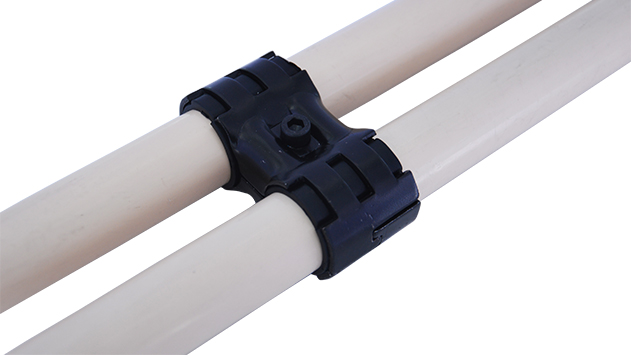
Parallel rotatory lean pipe joint, for 2 pcs pipe conenction in parallel direction with rotatory function.
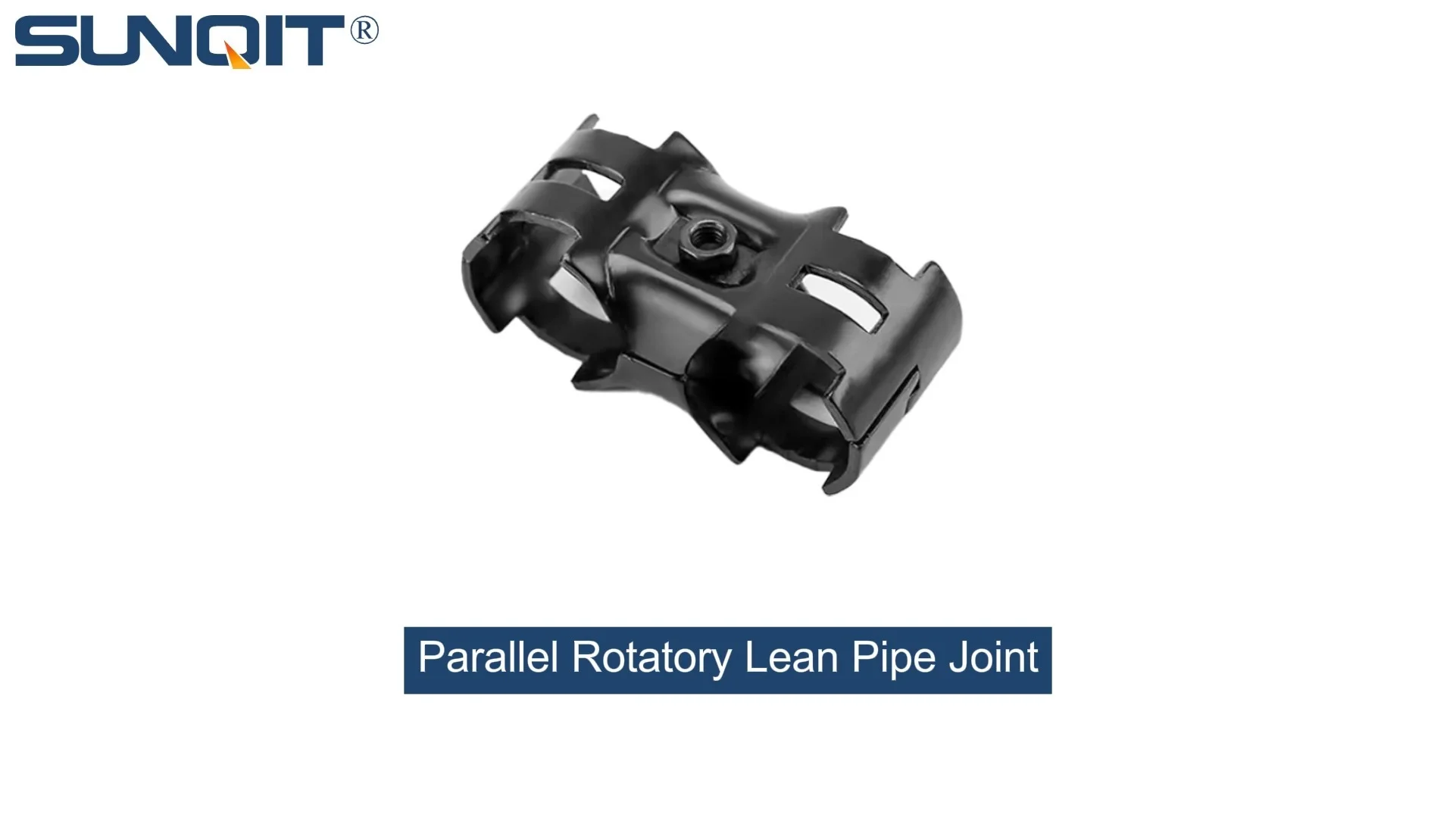
In the fast-paced world of communication equipment assembly, where precision meets productivity, the difference between a smooth operation and a bottleneck often lies in the tools and systems that power the workflow. Imagine a production floor where circuit boards, routers, and fiber-optic modules move seamlessly from station to station, where workbenches adapt to technicians' needs in seconds, and where reconfiguring a line for a new product model takes hours instead of days. This isn't just a vision of efficiency—it's the reality made possible by lean manufacturing systems, and at the heart of these systems lies a small but mighty component: the Parallel Rotatory Lean Pipe Joint Chrome .
Communication equipment assembly is a unique beast. Unlike mass-produced consumer goods, these devices demand meticulous precision—think microchips smaller than a fingernail, delicate wiring that can't tolerate even minor kinks, and strict ESD (Electrostatic Discharge) protocols to protect sensitive components. At the same time, the industry moves at breakneck speed: new 5G modules, IoT sensors, and satellite communication parts roll out quarterly, requiring assembly lines to pivot quickly. Rigid, one-size-fits-all workspaces simply can't keep up. This is where lean pipe systems shine, and why the right joints—like the parallel rotatory chrome joint—are not just accessories, but critical enablers of agility and accuracy.
Understanding Lean Pipe Systems: The Backbone of Modern Assembly
Before diving into the specifics of the parallel rotatory joint, let's take a step back to understand the role of lean pipe systems in communication assembly. Lean pipe systems—often called "flexible pipe systems"—are modular frameworks built from lightweight metal pipes (typically steel, aluminum, or stainless steel) and connectors. They're designed to create custom workbenches, flow racks, conveyors, and material handling trolleys that can be easily adjusted, disassembled, or reconfigured as needs change. The philosophy? Minimize waste, maximize adaptability, and put control of the workspace back into the hands of the people who use it.
In communication assembly, where product specs can shift overnight, this flexibility is gold. A single line might assemble a basic router one week and a high-end satellite transceiver the next. With lean pipe systems, instead of investing in new fixed machinery, teams can modify existing workbenches, reposition flow racks to accommodate larger components, or adjust conveyor heights to align with new testing stations. And while the pipes themselves provide the structure, it's the joints that make the magic happen—connecting pipes, enabling movement, and ensuring stability even as the system evolves.
Why Joints Matter: The Unsung Heroes of Flexibility
If lean pipes are the bones of the system, joints are the joints (pun intended) that allow movement and adaptation. Not all joints are created equal, though. Fixed joints, for example, lock pipes into rigid angles—great for stability but useless when you need to tilt a workbench surface for better access to a circuit board. Internal rotatory joints offer some movement but often lack the precision needed for repetitive tasks. Enter the Parallel Rotatory Lean Pipe Joint Chrome : a component engineered to balance three critical needs in communication assembly: durability, adjustability, and stability.
Parallel Rotatory Lean Pipe Joint Chrome: Design and Functionality
At first glance, the parallel rotatory lean pipe joint chrome might seem like a simple piece of hardware, but its design is a masterclass in practical engineering. Let's break it down:
Chrome Plating for Longevity: The "chrome" in the name isn't just for show. Communication assembly floors are busy places—oils from tools, occasional spills, and constant handling can take a toll on metal components. Chrome plating adds a hard, corrosion-resistant layer that stands up to daily wear and tear, ensuring the joint doesn't rust or degrade even in high-humidity environments (common in facilities with strict temperature control for sensitive electronics).
Parallel Rotation Mechanism: The "parallel" part is key. Unlike some rotatory joints that allow 360-degree swiveling (which can make structures wobbly), this joint is designed to rotate around a fixed axis while keeping the connected pipes parallel to each other. Imagine two pipes connected by this joint: as you rotate one, the other stays aligned in the same plane, preventing the kind of skewing that could throw off a workbench's level or a flow rack's angle. This is critical for tasks like soldering, where a tilted circuit board might cause solder to pool unevenly, or for flow racks where components must glide smoothly along a consistent incline.
Tool-Free Adjustment: In a hurry to reconfigure a line? The parallel rotatory joint often features a quick-lock mechanism—twist a knob or flip a lever, adjust the angle, and lock it back in place. No wrenches, no downtime, no frustration. For technicians juggling multiple tasks, this means less time fumbling with tools and more time focusing on precise assembly work.
Compatibility with Standard Lean Pipes: Communication assembly facilities rarely use one-off components, so the joint is designed to fit standard lean pipe diameters (typically 28mm or 30mm), making it easy to integrate with existing systems. Whether your facility uses steel lean pipes, aluminum lean pipes, or even stainless steel for ESD-sensitive areas, this joint plays well with others.
A Closer Look: How It Works in Action
Let's say a technician is assembling a 5G antenna module on a lean pipe workbench . The module has a complex wiring harness that needs to be routed through a small opening, and the technician needs to tilt the work surface 15 degrees to get a clear view. With a fixed joint, they'd have to loosen bolts, adjust the angle, and retighten—wasting 10 minutes. With a parallel rotatory chrome joint? They twist the lock, tilt the surface to the perfect angle, lock it, and get back to work in 30 seconds. The joint's parallel rotation ensures the workbench legs stay stable, so the surface doesn't wobble as they maneuver the wiring harness. It's a small change, but multiplied across a shift, those saved minutes add up to faster production and less technician fatigue.
Benefits of the Parallel Rotatory Joint in Communication Assembly
So, why has this joint become a staple in top communication assembly facilities? Let's unpack its real-world benefits:
1. Reduced Downtime During Line Reconfigurations
Communication equipment manufacturers often run small-batch productions—especially for specialized components like military-grade transceivers or custom IoT gateways. This means frequent line changes. With traditional fixed joints, reconfiguring a flow rack to hold larger component bins or adjusting a conveyor to feed parts to a new testing station could take hours. The parallel rotatory joint cuts that time by 70% or more. For example, a facility assembling smart home routers might need to switch from a 4-inch to a 6-inch component bin on their flow rack. With the joint's quick-adjust feature, operators can tilt the rack's roller tracks to the steeper angle needed for the heavier bins in minutes, not hours.
2. Improved Ergonomics for Technicians
Repetitive strain injuries (RSIs) are a silent productivity killer in assembly lines. Technicians hunched over workbenches or reaching awkwardly for components are more likely to make mistakes and take more sick days. The parallel rotatory joint lets workbenches adapt to the technician, not the other way around. Need to lower the surface for a seated task? Rotate the joint to drop the height. Switching to a standing task? Raise it back up. This customization reduces strain on wrists, shoulders, and backs, leading to happier, healthier teams—and fewer errors in delicate work.
3. Enhanced Stability for Precision Tasks
Communication assembly isn't just about speed—it's about precision. A 0.5mm misalignment in a fiber-optic connector can cause signal loss, rendering the entire component useless. The parallel rotatory joint's design ensures that even after adjustment, pipes stay parallel and stable. Unlike some cheaper plastic joints that flex under load, the chrome-plated steel construction can handle the weight of heavy tools, test equipment, or component bins without sagging. This stability is critical when assembling sensitive parts like microprocessors, where even a tiny wobble could lead to a misplaced solder joint.
4. Longevity in Harsh Environments
Many communication assembly facilities maintain strict cleanroom conditions or use ESD-safe coatings on work surfaces. Chrome plating isn't just corrosion-resistant—it also stands up to frequent cleaning with industrial disinfectants or ESD-neutralizing solutions. Unlike unplated steel joints, which might rust after repeated wipe-downs, the chrome finish stays smooth and functional for years, reducing replacement costs.
5. Compatibility with Other Lean Components
The best lean systems are ecosystems, and the parallel rotatory joint plays well with others. It pairs seamlessly with aluminum profiles for heavier-duty structures, connects to roller tracks for flow racks, and integrates with conveyor systems to create flexible material flow paths. For example, a facility might use the joint to attach a custom aluminum profile shelf to a lean pipe workbench, then add a roller track (connected via the same joint) to feed small components directly to the technician. The result? A workspace tailored to the task, with every component working in harmony.

Real-World Applications: Case Study
To put these benefits into context, let's look at a case study from a mid-sized communication equipment manufacturer we'll call "CommTech Innovations." CommTech specializes in 5G base station components, and their assembly line was struggling with two pain points: frequent line reconfigurations for small-batch orders and high technician turnover due to ergonomic issues.
Before adopting parallel rotatory chrome joints, CommTech's workbenches and flow racks used fixed steel joints. Reconfiguring a line for a new base station model took 4 hours, and technicians reported neck and shoulder pain from working at fixed angles. In Q1 2024, they replaced 80% of their fixed joints with parallel rotatory chrome joints. The results were striking:
- Line reconfiguration time dropped from 4 hours to 45 minutes , allowing them to run 3 small-batch orders per day instead of 2.
- Technician-reported RSI symptoms decreased by 65% , cutting sick days by 30% and reducing turnover.
- Error rates on soldering tasks fell by 18% , as technicians could adjust workbench angles for better visibility.
"The parallel rotatory joint was a game-changer," said Maria Gonzalez, CommTech's Production Manager. "We used to dread small-batch orders because of the downtime. Now, we can pivot quickly, and the technicians love how the workbenches adapt to them. It's not just about speed—it's about making the line work for our team, not against them."

Comparing Joints: How the Parallel Rotatory Chrome Joint Stacks Up
To truly appreciate the value of the parallel rotatory joint, let's compare it to two common alternatives: fixed lean pipe joints and internal rotatory aluminum joints. The table below highlights key differences:
| Feature | Fixed Lean Pipe Joint | Internal Rotatory Aluminum Joint | Parallel Rotatory Lean Pipe Joint Chrome |
|---|---|---|---|
| Adjustability | None—locks pipes at fixed angles | 360° rotation but limited to 10° tilt | 0-45° tilt with parallel rotation; tool-free adjustment |
| Durability | High (steel construction) but prone to rust without plating | Moderate (aluminum resists corrosion but dents easily) | Very high (chrome-plated steel resists wear, rust, and impact) |
| Stability | Excellent (rigid connection) | Poor (rotation can cause wobble under load) | Excellent (parallel rotation maintains stability during adjustment) |
| Best For | Static structures (e.g., permanent storage racks) | Light-duty, occasional adjustments (e.g., small parts trolleys) | Dynamic assembly lines (e.g., workbenches, flow racks, conveyors) |
| Cost Over Time | High (requires replacement for reconfigurations) | Moderate (needs frequent tightening; aluminum wears quickly) | Low (durable chrome finish; no replacement needed for adjustments) |
As the table shows, the parallel rotatory chrome joint outperforms alternatives in adjustability, durability, and stability—three critical factors in communication assembly. While it may have a slightly higher upfront cost than fixed joints, its longevity and time-saving benefits make it a smarter long-term investment.
Maintenance Tips for Long-Lasting Performance
To get the most out of your parallel rotatory chrome joints, follow these simple maintenance steps:
- Clean the chrome surface monthly: Wipe with a soft cloth and mild detergent to remove oil, dust, and fingerprints. Avoid abrasive cleaners, which can scratch the chrome.
- Lubricate the rotatory mechanism quarterly: Use a dry lubricant (like graphite spray) to keep rotation smooth. Avoid oil-based lubricants, which attract dust.
- Check locks weekly: Ensure the quick-lock mechanism engages fully. If it feels loose, tighten the set screw (usually with a hex key) to restore tension.
- Inspect for corrosion: In humid environments, check for rust spots. If found, gently sand with fine-grit sandpaper and apply a chrome polish to prevent spread.
The Future of Lean Components in Communication Assembly
As communication technology advances—think 6G, AI-driven assembly, and even more miniaturized components—the need for flexible, human-centric workspaces will only grow. The parallel rotatory lean pipe joint chrome is just the beginning. We're already seeing innovations like smart joints with built-in sensors that alert maintenance teams when wear is detected, or joints with ESD-safe coatings for ultra-sensitive electronics. But even as technology evolves, the core principle remains: the best assembly systems are those that adapt to people, not the other way around.
In the end, communication equipment assembly is about connecting people—whether through 5G signals, satellite links, or IoT networks. The tools that build these connections should be just as connected: adaptable, reliable, and designed to bring out the best in the technicians who use them. The Parallel Rotatory Lean Pipe Joint Chrome does exactly that—turning rigid workspaces into flexible, efficient hubs where innovation thrives. And in an industry where the next breakthrough is always just around the corner, that's not just an advantage—it's a necessity.