- Company Articles
- Products and Technology
- Product knowledge
- Parallel Rotatory Lean Pipe Joint Chrome in Consumer Electronics Production

Parallel Rotatory Lean Pipe Joint Chrome in Consumer Electronics Production
Related Product
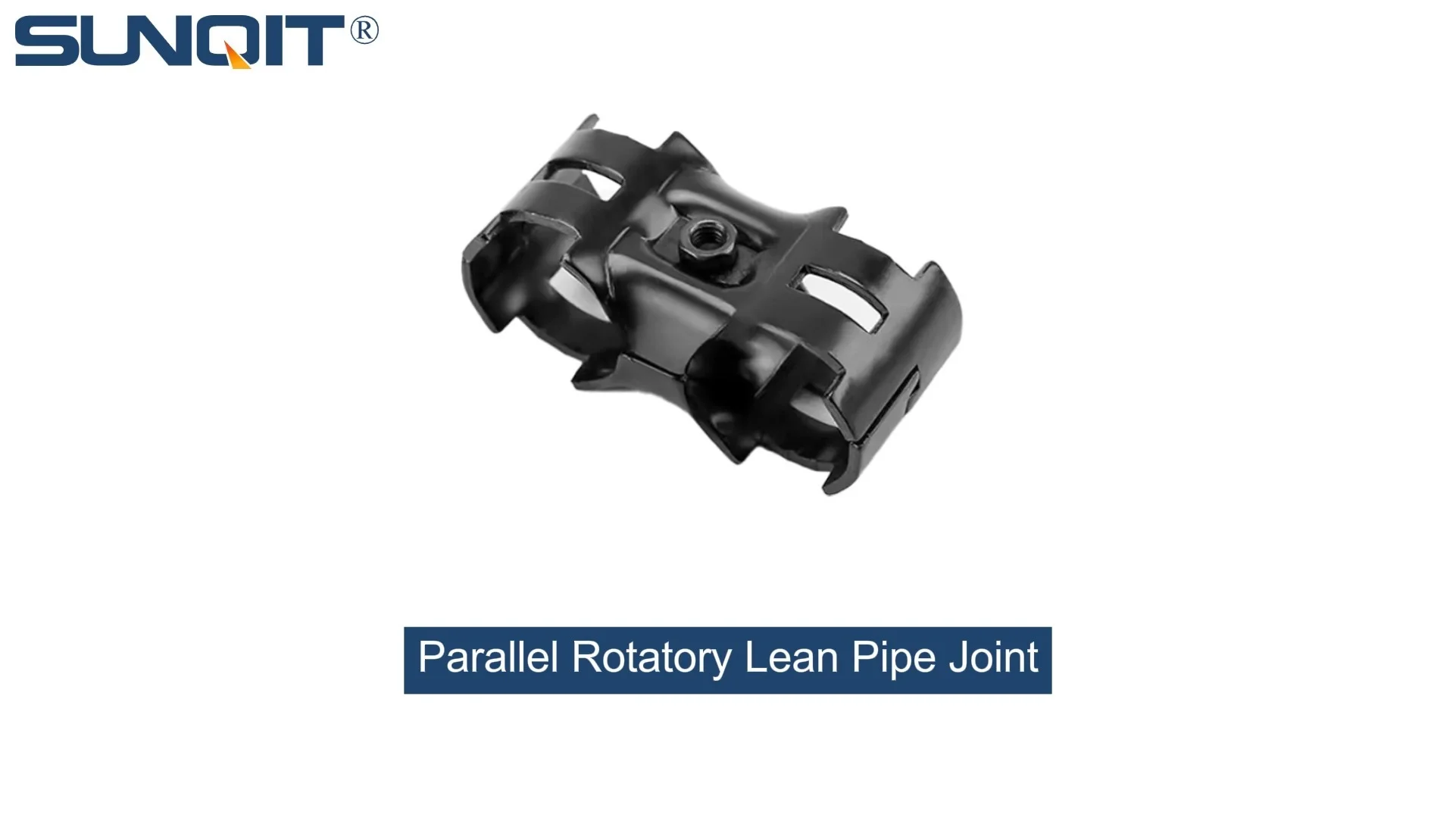
Parallel Rotatory Lean Pipe Joint
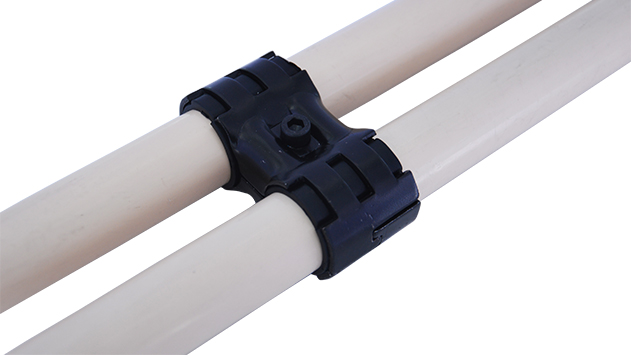
Parallel rotatory lean pipe joint, for 2 pcs pipe conenction in parallel direction with rotatory function.
In the fast-paced world of consumer electronics manufacturing, where precision meets speed and adaptability is non-negotiable, the tools and systems that keep production lines running smoothly are often the unsung heroes of innovation. From smartphones with nanometer-scale components to smart home devices that demand seamless assembly, every step of the manufacturing process relies on infrastructure that can keep up with evolving designs, tightening deadlines, and the need for consistent quality. Among these foundational tools, lean pipe systems have emerged as a cornerstone of efficient production—and at the heart of these systems lies a component that balances flexibility and durability: the Parallel Rotatory Lean Pipe Joint Chrome . In this article, we'll explore how this unassuming yet critical part transforms electronics manufacturing, supporting everything from lean pipe workbenches to flow racks and roller tracks, and why it has become a go-to choice for suppliers and manufacturers alike.
The Role of Lean Systems in Electronics Manufacturing
Consumer electronics manufacturing is a complex dance of precision, speed, and scalability. A single production line might handle hundreds of components—from microchips to circuit boards to delicate touchscreens—each requiring specialized handling, assembly, and testing. Traditional rigid infrastructure, like fixed steel workbenches or inflexible conveyor systems, often falls short here: reconfiguring a line for a new product model could take weeks, and downtime translates directly to lost revenue. This is where lean manufacturing principles step in, emphasizing waste reduction, continuous improvement, and adaptability.
Lean pipe systems, built from modular components like pipes, joints, and accessories, embody these principles. They allow manufacturers to design, build, and reconfigure workstations, material racks, and conveyor systems in days (or even hours) rather than weeks. Unlike fixed infrastructure, lean systems grow and change with production needs—adding a shelf to a flow rack, adjusting the height of a lean pipe workbench, or rerouting a roller track to optimize material flow. For electronics manufacturers, where product lifecycles are shorter than ever (the average smartphone model updates every 12–18 months), this flexibility isn't just a luxury; it's a competitive necessity.
But not all lean components are created equal. The joints that connect pipes and profiles are the "hinges" of these systems, dictating how easily a structure can be adjusted, how much weight it can support, and how long it will last in harsh factory environments (think constant vibration, temperature fluctuations, and exposure to cleaning agents). This is where the Parallel Rotatory Lean Pipe Joint Chrome stands out: designed for smooth rotation and heavy-duty performance, it addresses two critical pain points in electronics manufacturing: adaptability and durability.
Understanding the Parallel Rotatory Lean Pipe Joint Chrome
At first glance, a lean pipe joint might seem like a simple piece of hardware, but its design is the result of careful engineering for industrial use. The Parallel Rotatory Lean Pipe Joint Chrome is no exception. Let's break down its key features:
- Rotatory Functionality: Unlike fixed joints (which lock pipes at a static angle) or basic swivel joints (which offer limited movement), the parallel rotatory joint allows 360-degree rotation along its axis, with smooth, controlled movement. This means pipes can be adjusted horizontally or vertically without disassembling the entire structure—a game-changer for reconfiguring a lean pipe workbench to accommodate a taller operator or tilting a roller track to optimize product flow.
- Chrome-Plated Durability: The joint's chrome plating isn't just for aesthetics. Chrome adds a hard, corrosion-resistant layer to the underlying metal (typically steel or aluminum), protecting it from rust, scratches, and wear caused by frequent adjustments or exposure to factory chemicals. In electronics facilities, where cleanliness is critical (dust and debris can damage sensitive components), corrosion-resistant materials also reduce the risk of flaking or contamination.
- Parallel Alignment: As the name suggests, this joint is designed to keep connected pipes parallel, ensuring stability even when supporting heavy loads (like stacks of circuit boards on a flow rack or a fully loaded turnover trolley). Misalignment in joints can lead to wobbly workstations or jamming roller tracks—both of which slow down production and increase error rates.
- Compatibility: The joint works seamlessly with standard lean pipes (including 28mm diameter steel pipes, aluminum lean pipes, and even stainless steel pipe series), as well as aluminum profile systems. This versatility means manufacturers don't have to overhaul their existing lean infrastructure to upgrade to rotatory joints—they can mix and match components, reducing transition costs.
To put this in context, imagine a production line assembling smartwatch screens. The assembly station's lean pipe workbench must hold a delicate screen fixture at a precise angle for workers to attach adhesive layers. With a fixed joint, adjusting that angle would require loosening bolts, realigning the pipe, and retightening—a process that might take 20 minutes and disrupt the line. With a Parallel Rotatory Lean Pipe Joint Chrome, the operator can simply rotate the joint, lock it in place with a quick twist, and resume work in 30 seconds. Multiply that efficiency across dozens of workstations and hundreds of adjustments per year, and the impact on productivity becomes clear.
Applications in Key Production Stages
The Parallel Rotatory Lean Pipe Joint Chrome isn't limited to one stage of electronics manufacturing—it adds value across the entire production lifecycle, from component storage to final testing. Let's explore its most impactful applications:
1. Assembly: Lean Pipe Workbenches That Adapt to Tasks
Assembly is where electronics take shape, and it's also where worker ergonomics and precision matter most. A lean pipe workbench equipped with Parallel Rotatory Chrome Joints can be customized to fit the task at hand. For example:
- Height Adjustment: Workers of different heights can adjust the bench's surface by rotating the joints to raise or lower sections, reducing strain and fatigue during long shifts.
- Tool Accessibility: Side racks attached to the bench (using rotatory joints) can swing into position for easy access to screwdrivers, tweezers, or soldering tools, then rotate out of the way when not needed—keeping the workspace clutter-free.
- Fixture Flexibility: Jigs and fixtures for holding circuit boards or displays can be mounted on rotatory arms, allowing operators to swivel components for better visibility during soldering or connector attachment.
In high-mix, low-volume production (common in electronics R&D or custom device manufacturing), this adaptability is invaluable. A single workbench can switch from assembling Bluetooth speakers in the morning to testing smartwatch batteries in the afternoon—all with a few twists of the rotatory joints.
2. Material Handling: Flow Racks and Roller Tracks That Keep Pace
Moving components from storage to assembly lines (and finished products to packaging) is a logistics puzzle in electronics factories. Flow racks and roller tracks, which use gravity or manual pushing to move materials, are critical here—but they need to be configurable to avoid bottlenecks. Parallel Rotatory Lean Pipe Joint Chrome enhances these systems in two key ways:
Flow Rack Optimization: Flow racks, which store components in tilted lanes for easy access, often need adjustments to accommodate different box sizes or component weights. With rotatory joints, the angle of the rack's lanes can be (fine-tuned) to control how quickly boxes slide down—preventing fragile items like LCD screens from crashing into the front of the lane or heavy battery packs from getting stuck.
Roller Track Rerouting: Roller tracks connect workstations, allowing operators to slide assemblies from one station to the next. In a dynamic line, rerouting a track to bypass a temporarily down station or to add a new testing step is often necessary. Rotatory joints let maintenance teams pivot sections of the track, aligning them with existing aluminum profile supports without cutting or welding new pipes.
For example, during peak production season, a manufacturer might need to split a single roller track into two parallel lines to double throughput. With fixed joints, this would require building a new track from scratch; with rotatory joints, the existing track can be reconfigured in hours, using the same pipes and accessories.
3. Testing and Quality Control: ESD Workstations That Protect Sensitive Components
Electronics components—especially microchips and semiconductors—are highly sensitive to electrostatic discharge (ESD), which can damage or destroy them. ESD workstations, designed to (ground) static charges, are mandatory in these areas. The Parallel Rotatory Lean Pipe Joint Chrome plays a quiet but critical role here: its chrome plating is conductive, ensuring the entire workstation (pipes, joints, and surfaces) remains grounded. Unlike plastic or unplated joints, which can create static "hot spots," chrome joints maintain a continuous ESD-safe path, protecting components during testing.
Additionally, testing often requires repositioning devices under cameras, microscopes, or probes. A rotatory joint-equipped ESD workstation can adjust the angle of a test fixture, allowing technicians to inspect a device from multiple angles without moving it—reducing the risk of accidental drops or ESD exposure.

Benefits of Parallel Rotatory Lean Pipe Joint Chrome: Why Manufacturers Choose It
For electronics manufacturers and lean pipe suppliers, the decision to invest in Parallel Rotatory Chrome Joints comes down to four key benefits:
1. Unmatched Flexibility
In an industry where product designs change overnight, the ability to reconfigure infrastructure quickly is a competitive edge. Parallel Rotatory Joints eliminate the need for custom fabrication for every new product. A lean pipe workbench or flow rack built with these joints can be adjusted in minutes, not days, allowing manufacturers to respond to market demands faster.
2. Long-Term Durability
Electronics factories are tough environments: constant use, exposure to oils, coolants, and cleaning agents, and the weight of heavy equipment (like testing machines or tool cabinets) all take a toll on infrastructure. Chrome plating resists corrosion and wear, extending the life of joints by 30–50% compared to unplated steel or plastic alternatives. For suppliers, this means fewer replacements and lower long-term costs.
3. Cost-Efficiency
While rotatory chrome joints may have a slightly higher upfront cost than basic fixed joints, their durability and reusability drive long-term savings. A single joint can be reused across multiple configurations (from a workbench to a turnover trolley to a material rack), reducing the need to purchase new components for every line change. For high-volume manufacturers, this translates to 20–30% lower infrastructure costs over 5 years.
4. ESD Compatibility
As mentioned earlier, ESD protection is non-negotiable in electronics manufacturing. Chrome's conductivity ensures that rotatory joints integrate seamlessly with ESD workstations and flow racks, eliminating the risk of static damage to components. This is especially critical for manufacturers of semiconductors or medical devices, where a single damaged component can cost hundreds (or thousands) of dollars.

A Closer Look: How Parallel Rotatory Chrome Joints Compare to Other Options
To understand why Parallel Rotatory Lean Pipe Joint Chrome stands out, let's compare it to common alternatives in the market:
| Joint Type | Movement Range | Material | Best For | Limitations |
|---|---|---|---|---|
| Fixed Steel Joint | 0° (static) | Unplated steel | Permanent structures (e.g., heavy shelving) | No reconfiguration; prone to rust |
| Basic Swivel Joint | 90°–180° (limited) | Plastic or zinc alloy | Light-duty workbenches | Low weight capacity; not ESD-safe |
| Parallel Rotatory Lean Pipe Joint Chrome | 360° (full rotation) | Chrome-plated steel | High-mix production lines, ESD areas, material handling | Slightly higher upfront cost |
| Aluminum Profile Joint | Fixed or limited swivel | Aluminum | Lightweight, corrosion-resistant setups | Less durable for heavy loads; requires compatible aluminum pipes |
The table highlights a clear pattern: while other joints excel in specific niches, the Parallel Rotatory Chrome Joint offers the best balance of movement, durability, and compatibility—making it ideal for the diverse needs of electronics manufacturing.
Case Study: How a Leading Smartphone Manufacturer Cut Downtime by 40%
A major global smartphone manufacturer was struggling with production line reconfiguration time. When launching a new model, the company needed to adjust 12 lean pipe workbenches, 8 flow racks, and 5 roller tracks to accommodate new assembly steps—a process that took 5 days of downtime with fixed joints. After switching to Parallel Rotatory Lean Pipe Joint Chrome, the team reduced reconfiguration time to 2 days: workers rotated joints to adjust workbench heights, tilted flow rack lanes for new component boxes, and pivoted roller track sections to add a new camera-testing station. The result? The manufacturer avoided 3 days of lost production, equivalent to 15,000 additional units—generating over $3 million in extra revenue per launch.
Future Trends: Where Lean Pipe Systems Are Headed
As consumer electronics grow smaller, smarter, and more complex, lean pipe systems will evolve to keep pace. For Parallel Rotatory Lean Pipe Joint Chrome, two trends are particularly noteworthy:
Integration with IoT: Future joints may include sensors to monitor rotation frequency, weight load, and wear, alerting maintenance teams before a joint fails. This predictive maintenance could reduce unplanned downtime in critical production lines.
Lightweight Materials: While chrome-plated steel is durable, suppliers are exploring hybrid joints (e.g., chrome-plated aluminum) to reduce weight without sacrificing strength—making systems easier to reconfigure and lowering shipping costs.
Conclusion: The Joint That Powers Tomorrow's Electronics
In the world of consumer electronics manufacturing, where innovation is measured in milliseconds and adaptability is the key to survival, the Parallel Rotatory Lean Pipe Joint Chrome may not grab headlines—but it's the backbone of efficient, flexible production. By enabling quick reconfigurations of lean pipe workbenches, flow racks, and roller tracks, it helps manufacturers stay ahead of changing product designs and market demands. Its durability and ESD compatibility ensure that even as electronics grow more delicate, production lines remain reliable and safe. For lean pipe suppliers and manufacturers alike, investing in this critical component isn't just about building better infrastructure—it's about building a more agile, resilient future.
As one plant manager at a top electronics firm put it: "We don't think about the joints until we need to change something. With the Parallel Rotatory Chrome Joints, we never worry—they just work, and that's the best tool a manufacturer can ask for."