- Company Articles
- Products and Technology
- Product knowledge
- Parallel Rotatory Lean Pipe Joint Chrome in Warehousing: Optimizing Storage Racks

Parallel Rotatory Lean Pipe Joint Chrome in Warehousing: Optimizing Storage Racks
Related Product
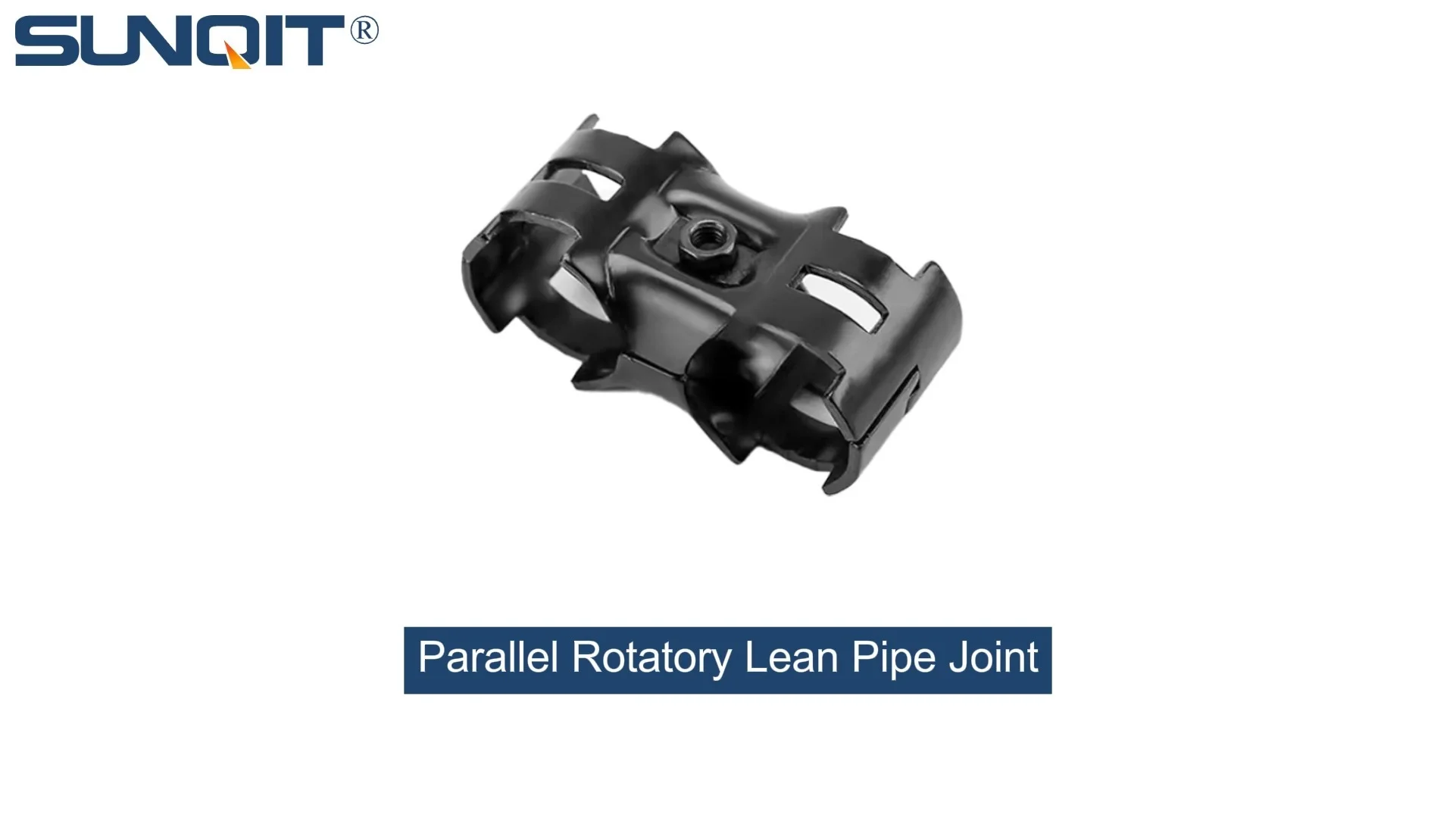
Parallel Rotatory Lean Pipe Joint
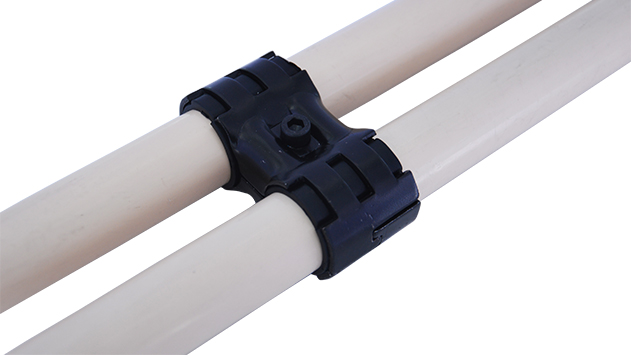
Parallel rotatory lean pipe joint, for 2 pcs pipe conenction in parallel direction with rotatory function.
Walk into any modern warehouse, and you'll immediately sense the rhythm: forklifts gliding between aisles, workers retrieving items with practiced speed, and shelves stacked to the ceiling with products ready to ship. What you might not notice at first glance is the quiet infrastructure holding it all together—specifically, the storage racks that form the backbone of this organized chaos. These racks don't just hold boxes; they dictate how efficiently your team moves, how quickly orders get out the door, and how easily you can adapt when demand shifts. Today, we're shining a light on a small but mighty component that's redefining flexibility in warehousing: the parallel rotatory lean pipe joint chrome. It might not have the flash of a high-tech conveyor system, but once you see how it transforms storage racks, you'll wonder how you ever managed without it.
The Current State of Warehousing: Why "One-Size-Fits-All" Racks No Longer Cut It
Warehouses today face a unique set of challenges. E-commerce booms mean seasonal spikes that can double or triple order volumes overnight. Manufacturing facilities switch between product lines faster than ever, requiring assembly areas and material storage to pivot on a dime. Even traditional retail warehouses now deal with smaller, more frequent shipments to keep up with "just-in-time" inventory models. The problem? Many warehouses are still relying on fixed, rigid storage racks—structures built to last decades but impossible to reconfigure without heavy tools, downtime, and often, a team of contractors.
Consider this scenario: A clothing retailer gears up for back-to-school season, filling racks with backpacks and notebooks. Two months later, it's time for holiday decorations, which come in bulkier boxes and require wider shelving. With fixed racks, the team would either have to leave valuable space unused or spend a weekend disassembling and rebuilding sections. That's lost time, lost money, and a major hit to productivity. What if there was a way to adjust racks on the fly, without halting operations? That's where lean systems come in—and at the heart of those systems are components like the parallel rotatory lean pipe joint chrome.
Lean Systems: The Foundation of Flexible Warehousing
You've probably heard the term "lean systems" thrown around in manufacturing or logistics circles. At its core, lean is all about cutting waste—whether that's wasted space, wasted time, or wasted effort—and building systems that adapt to change. In warehousing, this translates to storage solutions that can grow, shrink, or reconfigure as your needs do. Think of it as a modular approach: instead of building a single, static structure, you use interchangeable parts that snap together to form exactly what you need, when you need it.
Key players in this modular world include lean pipe workbenches (adjustable tables for assembly or packing), flow racks (tilted shelves that let products "flow" forward as items are removed), and conveyors that can be extended or rerouted. But what makes these systems truly flexible isn't the pipes or the shelves themselves—it's the joints that hold them together. A joint might seem like a part, but it's the difference between a rack that's bolted in place and one that can be reimagined in an afternoon. And among all the joints out there, one stands out for its ability to balance durability, flexibility, and ease of use: the parallel rotatory lean pipe joint chrome.
Meet the Star: What Is a Parallel Rotatory Lean Pipe Joint Chrome?
Let's start with the basics. A lean pipe joint is a connector that links lean pipes (hollow tubes, often made of steel or aluminum) to build structures like racks, workbenches, or trolleys. Most joints are fixed—they lock pipes at a set angle (90 degrees, 45 degrees, etc.) and stay put. But the parallel rotatory lean pipe joint chrome is different. As the name suggests, it's designed to rotate, allowing the pipes it connects to pivot around a central axis. And that "chrome" part? That's a protective coating that adds durability and a smooth, low-friction surface, making rotation easier and extending the joint's lifespan.
Picture this: You're assembling a flow rack. With a standard fixed joint, the shelves are set at a permanent angle—great if you always stock the same size boxes, but a headache if you switch to taller items that need a steeper slope. With a parallel rotatory chrome joint, you can simply twist the joint to adjust the shelf angle. Need to lower it by 10 degrees for smaller packages? Done. Want to flatten it completely to use as a static shelf? Just rotate and lock. No tools, no disassembly, no downtime. That's the power of rotation.
But it's not just about movement. These joints are built to last. The chrome coating resists rust and corrosion, even in humid warehouses or areas where spills are common (we're looking at you, food and beverage storage). The internal mechanism is designed to handle repeated rotation without wearing down—so you can adjust, re-adjust, and re-adjust again without worrying about the joint failing. And because they're compatible with standard lean tubes and aluminum profiles, you don't have to invest in a whole new system to start using them. They'll work with the pipes and accessories you already have, making them a cost-effective upgrade.

How It Optimizes Storage Racks: 5 Key Benefits You'll Notice Day One
So, what exactly makes this joint a game-changer for storage racks? Let's break down the benefits you'll see from day one:
1. Unmatched Flexibility for Changing Needs
Warehouses rarely stay the same for long. A toy distributor might need wide, shallow racks in Q4 for bulk holiday orders, then switch to tall, narrow racks in Q1 to store excess inventory. With fixed joints, that means tearing down and rebuilding entire sections—a process that can take days. With parallel rotatory chrome joints, it's a matter of hours. Rotate the joints to adjust shelf heights, angles, or even the direction of flow (left to right vs. right to left). You're not just building racks; you're building a system that evolves with your business.
2. Faster Assembly and Reconfiguration
Anyone who's ever assembled furniture knows the frustration of fumbling with bolts and wrenches. Traditional rack joints often require tools, precise alignment, and a second pair of hands. Not these. Parallel rotatory chrome joints typically use a simple clamp or twist-lock mechanism. Slide the pipe into the joint, twist to tighten, and you're done. When it's time to reconfigure, just loosen, rotate, and retighten. Even a single worker can adjust a full rack in under an hour—no special skills required.
3. Durability That Stands Up to Warehouse Life
Warehouses are tough environments. Pipes get bumped by forklifts, shelves get loaded with heavy boxes, and joints take the brunt of that stress. The chrome coating on these joints isn't just for show—it's a hard, protective layer that resists scratches, dents, and rust. Unlike plastic joints, which can crack under heavy loads, or uncoated steel joints that corrode over time, these chrome joints keep working smoothly year after year. You'll spend less on replacements and more on growing your business.
4. Compatibility with Lean Systems and Aluminum Profiles
The best warehouse solutions play well with others. These joints are designed to work seamlessly with lean pipe systems, aluminum profiles, and even accessories like roller tracks and casters. Need to add a roller track to a rack to speed up product flow? The parallel rotatory joint can angle the track perfectly. Want to mount a shelf on an aluminum profile frame? Just attach the joint and rotate to align. This compatibility means you can mix and match components to create custom solutions without starting from scratch.
5. Improved Safety and Ergonomics
A flexible rack isn't just about efficiency—it's about safety. When shelves are at the wrong angle, products can slide off and cause injuries. When workers have to stretch or bend to reach items, they're at risk of strains. With parallel rotatory joints, you can adjust rack heights and angles to match your team's needs. Lower shelves for heavier items to reduce lifting strain, tilt flow racks to prevent products from jamming, or angle workbench surfaces to reduce wrist fatigue. It's a small change that makes a big difference in keeping your team safe and comfortable.

Real-World Impact: How One Warehouse Cut Downtime by 40% with Rotatory Joints
Let's take a look at a real example to see these benefits in action. A mid-sized e-commerce fulfillment center in the Midwest was struggling with seasonal spikes. Every November, they'd shift from storing small electronics (think phone chargers, headphones) to bulkier holiday items (toys, home decor). With fixed racks, this meant a week-long shutdown to rebuild shelves—losing precious time during their busiest season. In 2023, they switched to lean pipe racks using parallel rotatory chrome joints. The result? What used to take a week now takes two days. Their team can adjust shelf angles and heights overnight, so they never have to pause order fulfillment. By the end of the holiday season, they'd cut downtime by 40% and increased order throughput by 15%. "It's like night and day," their warehouse manager told us. "We used to dread November; now we look forward to it—because we know our racks can keep up."
Another example: A automotive parts manufacturer was using fixed lean pipe workbenches on their assembly line. Each time they switched to a new car model, they'd have to disassemble and rebuild the workbenches to fit different part sizes. With parallel rotatory joints, they can now adjust the workbench height and angle in minutes. Workers no longer waste time waiting for new setups, and errors have dropped because tools and parts are always within easy reach. "The joints let us tailor each workbench to the task," their production supervisor explained. "One day, we're assembling door handles at a 30-degree angle; the next, we're flat-packing wiring harnesses. It's made our line so much more agile."
Comparing Lean Pipe Joints: Why Rotatory Chrome Stands Out
Not all lean pipe joints are created equal. To understand why the parallel rotatory chrome joint is so valuable, let's compare it to other common types. The table below breaks down key features, so you can see how it stacks up:
| Joint Type | Material | Rotation Range | Key Advantage | Ideal For |
|---|---|---|---|---|
| Fixed Lean Pipe Joint | Plastic or Steel | 0° (Locked in Place) | Stability for static structures | Permanent racks/shelves with unchanging loads |
| Swivel Lean Pipe Joint | Steel (Uncoated) | 360° (Full Rotation) | All-direction movement | Temporary structures or light-duty trolleys |
| Parallel Rotatory Lean Pipe Joint Chrome | Steel with Chrome Coating | 0°–180° (Controlled Rotation) | Adjustable angles + durability | Flow racks, workbenches, and racks needing frequent reconfiguration |
| Aluminum Profile Joint | Aluminum | Fixed or Limited Rotation | Lightweight, corrosion-resistant | Cleanroom or lightweight applications |
The parallel rotatory chrome joint's biggest edge? It balances adjustability with durability. Fixed joints are stable but rigid; swivel joints rotate but often lack the strength for heavy loads. Chrome coating gives it the longevity to handle daily use, while controlled rotation (0°–180°) means you can set precise angles without the joint spinning out of control. For warehouses that need both flexibility and reliability, it's the clear winner.
Why Chrome? The Hidden Benefits of the Coating
You might be wondering: Why chrome? Couldn't they just use stainless steel or plastic? Chrome offers three key advantages that make it perfect for this joint:
1. Smooth, Low-Friction Rotation: Chrome has a naturally slippery surface, which means less resistance when you rotate the joint. That makes adjustments easier—even after months of use. No more struggling with stuck or stiff joints; a light twist is all it takes.
2. Corrosion Resistance: Warehouses are often humid, dusty, or exposed to spills. Uncoated steel joints can rust, which not only looks bad but can seize up the rotation mechanism. Chrome acts as a barrier, preventing moisture and debris from damaging the metal underneath. This is especially important in food, beverage, or pharmaceutical warehouses where cleanliness is critical.
3. Easy to Clean: Chrome is non-porous, so dirt and grime wipe off with a damp cloth. No more scrubbing to remove grease or product residue—keeping your joints (and your warehouse) looking professional and well-maintained.
Maintaining Your Joints: Tips for Longevity
Like any warehouse equipment, parallel rotatory chrome joints need a little care to keep performing at their best. Here are simple maintenance tips to extend their lifespan:
- Wipe them down monthly: Use a soft cloth and mild detergent to remove dust and grime. Avoid abrasive cleaners, which can scratch the chrome.
- Lubricate the rotation mechanism twice a year: A drop of light machine oil on the joint's pivot point will keep rotation smooth. Wipe away excess oil to prevent attracting dust.
- Check for loose connections: Tighten the joint's locking mechanism if pipes start to wobble. Over time, vibration can loosen clamps, so a quick check during routine inspections will prevent accidents.
- replace worn parts promptly: If the chrome coating chips or the rotation feels gritty, replace the joint. Damaged joints can compromise the stability of your entire rack system.
Choosing the Right Supplier: Why Quality Matters
Not all parallel rotatory chrome joints are created equal. To get the most out of your investment, it's important to work with a reputable lean pipe supplier. Look for suppliers who:
Test their products: A good supplier will put joints through stress tests—simulating years of rotation, heavy loads, and corrosion—to ensure durability. Ask for test reports if you're unsure.
Offer compatibility guarantees: Make sure the joints work with your existing lean tubes, aluminum profiles, and accessories. A supplier who stocks a range of components (like roller tracks or casters) can help you build a fully integrated system.
Provide clear documentation: Look for assembly guides, maintenance tips, and warranty information. A supplier who stands behind their products will offer a warranty (typically 1–2 years) and responsive customer support.
Conclusion: The Future of Warehousing Is Flexible—And It Starts With the Right Joints
In a world where warehousing demands speed, adaptability, and efficiency, the smallest components often make the biggest difference. The parallel rotatory lean pipe joint chrome might not grab headlines, but it's quietly revolutionizing how warehouses operate. By combining adjustability, durability, and ease of use, it turns static storage racks into dynamic tools that can keep up with changing needs. Whether you're dealing with seasonal spikes, shifting product lines, or simply want to make your team more efficient, these joints offer a cost-effective way to optimize your space.
So, the next time you walk through your warehouse, take a closer look at your racks. Are they holding you back, or are they ready to evolve? With parallel rotatory chrome joints, you're not just building racks—you're building a warehouse that can grow, adapt, and thrive. And in today's fast-paced world, that's the ultimate competitive advantage.