- Company Articles
- Products and Technology
- Product knowledge
- Parallel Rotatory Lean Pipe Joint Chrome Load Limits: What You Need to Know

Parallel Rotatory Lean Pipe Joint Chrome Load Limits: What You Need to Know
Related Product
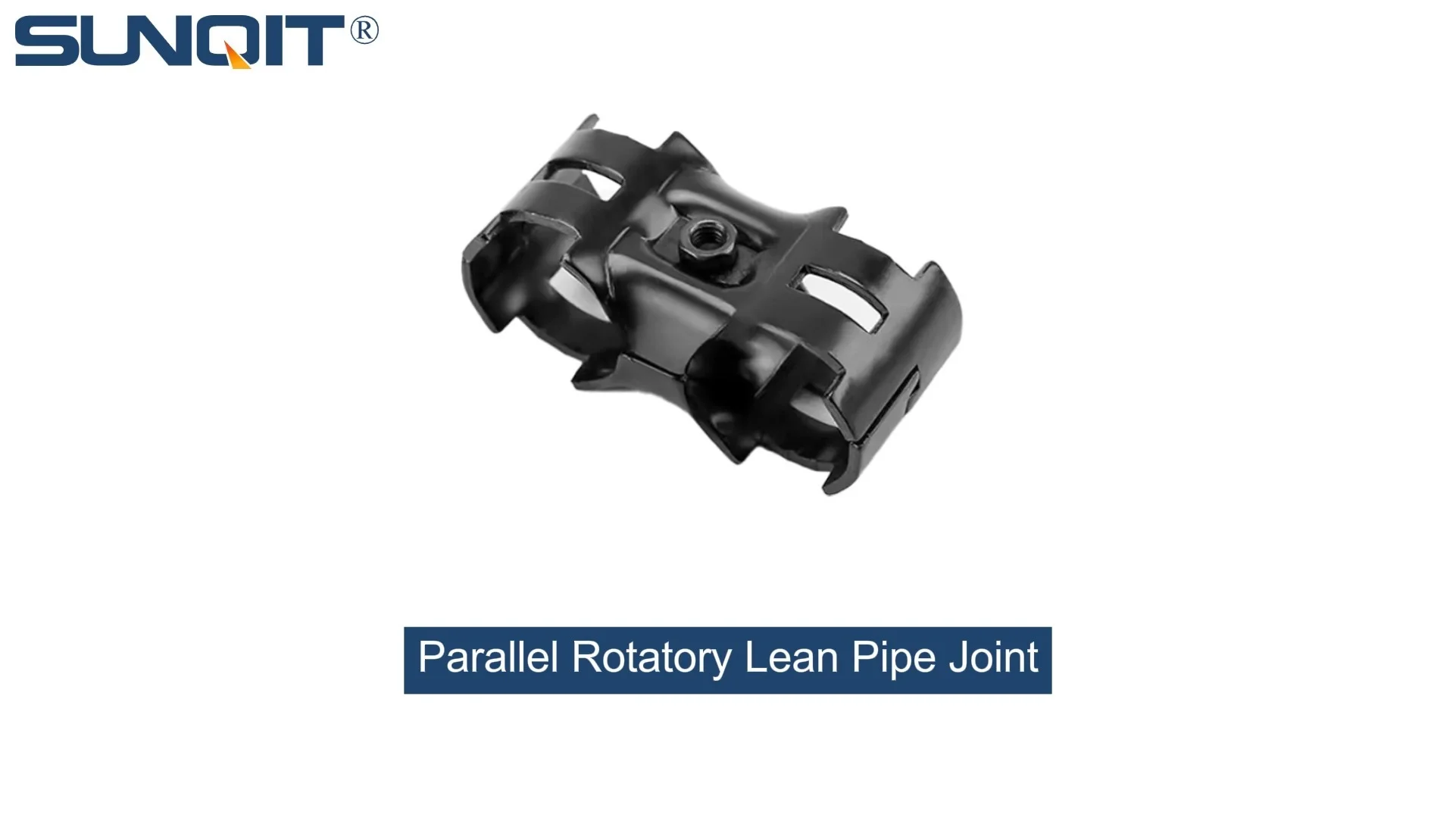
Parallel Rotatory Lean Pipe Joint
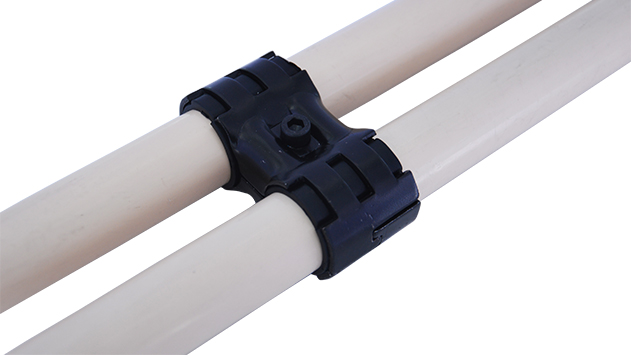
Parallel rotatory lean pipe joint, for 2 pcs pipe conenction in parallel direction with rotatory function.
In the fast-paced world of manufacturing and production, efficiency isn't just a buzzword—it's the backbone of success. Every component in your workflow, no matter how small, plays a role in keeping operations running smoothly. One such unsung hero? The parallel rotatory lean pipe joint chrome. These unassuming connectors are the glue that holds together lean systems, from workbenches to flow racks, enabling the flexibility and adaptability modern factories rely on. But here's the thing: their performance, and ultimately your production line's reliability, hinges on one critical factor—load limits. Let's dive into why these limits matter, how they're determined, and how to ensure you're never caught off guard.
Understanding the Basics: Lean Systems and the Role of Joints
Before we zoom in on the parallel rotatory lean pipe joint chrome, let's take a step back to appreciate the bigger picture: the lean system. At its core, lean manufacturing is about minimizing waste—whether that's time, materials, or space—while maximizing value. Modular systems built with lean pipes, joints, and accessories are the perfect tools for this mission. They're lightweight, customizable, and easy to reconfigure, making them ideal for everything from assembly lines to warehouse storage.
At the heart of these modular setups are the joints. Think of them as the connectors that turn simple pipes into functional workbenches, flow racks, or conveyors. Without reliable joints, even the sturdiest lean pipe would be little more than a metal tube. And among the many types of joints available, the parallel rotatory lean pipe joint chrome stands out for its unique combination of strength and flexibility. Its ability to rotate while maintaining a parallel alignment makes it indispensable for setups where adjustability is key—like workbenches that need to accommodate different tasks or flow racks that handle varying product sizes.
But here's where it gets tricky: not all joints are created equal. The chrome coating isn't just for looks (though it does add a sleek, professional finish). It enhances durability, resists corrosion, and reduces friction during rotation. However, even with these benefits, every joint has a breaking point. That's where load limits come in. Exceeding these limits isn't just a matter of joint failure—it can disrupt production, damage products, and even put workers at risk. So, understanding what these limits mean and how to respect them is non-negotiable.
What Exactly Is a Parallel Rotatory Lean Pipe Joint Chrome?
Let's start with the basics: what defines this specific type of joint? A parallel rotatory lean pipe joint chrome is a mechanical connector designed to join two or more lean pipes (typically steel or aluminum) at a parallel angle while allowing controlled rotation. Unlike fixed joints that lock pipes in place, this joint lets the connected pipes pivot around an axis, giving the structure flexibility without sacrificing stability. The "chrome" in its name refers to the chromium plating applied to the joint's surface, which serves several purposes: it prevents rust, reduces wear from friction, and makes cleaning easier—critical in environments where hygiene or aesthetics matter, like food processing or electronics manufacturing.
To visualize it, imagine a lean pipe workbench where the upper shelf needs to tilt slightly to allow workers to access tools more easily. Or a flow rack where the angle of the roller track needs adjustment to control the speed of product movement. In both cases, a parallel rotatory joint makes this adjustability possible. The rotation isn't unlimited, though—most models have a range (often 0-180 degrees) to prevent over-twisting and maintain structural integrity.
The design of these joints is surprisingly sophisticated. Inside the chrome-plated exterior, you'll find components like ball bearings or bushings that enable smooth rotation. The clamping mechanism—usually a set screw or cam lever—secures the joint to the pipes, ensuring a tight fit that won't slip under load. Some models also include reinforcement ribs or gussets to distribute stress more evenly, which directly impacts load capacity. When shopping for these joints, you'll often see specifications like "static load" and "dynamic load." Static load refers to the maximum weight the joint can support when stationary, while dynamic load is the limit when the load is in motion (like products sliding down a flow rack or a workbench being adjusted). Both are critical, but dynamic load is often lower because movement adds stress and vibration.
It's also worth noting that these joints are part of a larger ecosystem. They're designed to work with standard lean pipe sizes (common diameters include 28mm or 30mm) and compatible accessories like caster wheels, roller tracks, or aluminum profiles. This interoperability is what makes lean systems so versatile, but it also means that the joint's load limit isn't the only factor to consider—you'll need to ensure the pipes, connectors, and other components can also handle the weight. For example, even if your joint is rated for 500kg, if the lean pipe itself can only support 300kg, the pipe will be the weak link. That's why system-wide load analysis is so important.
Why Load Limits Are Non-Negotiable: Safety, Efficiency, and Cost
At first glance, load limits might seem like just another technical specification—something to glance at before purchasing and then forget. But in reality, they're the foundation of a safe, efficient workspace. Let's break down why they matter:
Safety First: Protecting Workers and Products
The most obvious reason to respect load limits is safety. A joint that fails under excessive weight can cause pipes, shelves, or entire structures to collapse. This isn't just a equipment issue—falling objects or collapsing workbenches can lead to injuries, lawsuits, or even fatalities. In industries like automotive or heavy manufacturing, where loads can be substantial, the stakes are even higher. For example, a flow rack in an auto parts warehouse might hold boxes of engine components weighing 50kg each. If the parallel rotatory joints connecting the rack's supports are rated for 200kg total but the rack is loaded with 300kg, a joint failure could send boxes crashing to the floor, endangering anyone nearby.
Even in less heavy-duty settings, like electronics manufacturing with ESD workbenches, load limits matter. These workbenches often hold sensitive equipment—oscilloscopes, soldering stations, or circuit boards. Exceeding the joint load limit could cause the bench to wobble or collapse, damaging expensive tools or delicate components. In some cases, the damage might not be immediate. A joint that's consistently overloaded might not fail right away, but it will weaken over time, leading to sudden, unexpected failure when you least expect it.
Efficiency: Avoiding Costly Downtime
Production downtime is the enemy of lean manufacturing. Every minute a line is stopped due to equipment failure eats into profits and disrupts schedules. Joint failure is a common culprit. Imagine a busy assembly line where a lean pipe workbench equipped with parallel rotatory joints suddenly collapses because the joints were overloaded with tools and parts. Not only do you have to stop production to clean up and replace the joint, but you also risk falling behind on orders, disappointing customers, and paying overtime to catch up. The cost of a single joint is minimal compared to the revenue lost during even an hour of downtime. In short, respecting load limits isn't just about safety—it's about protecting your bottom line.
Longevity: Extending the Life of Your Lean System
Lean systems are designed to be durable and long-lasting, but their lifespan depends heavily on how they're used. Joints that are consistently overloaded suffer from metal fatigue, which weakens the material over time. Even if they don't fail immediately, they'll wear out faster, requiring more frequent replacements. This not only increases maintenance costs but also means more time spent on repairs and less time on productive work. On the flip side, joints used within their load limits will last longer, perform better, and keep your lean system running smoothly for years. It's a simple equation: respect the limits, and your equipment will reward you with reliability.

Factors That Influence Load Capacity: It's Not Just About the Joint Itself
Load limits aren't arbitrary numbers pulled from thin air. They're determined by a combination of factors, some related to the joint's design and others to how it's used. Understanding these factors will help you make smarter decisions when selecting, installing, and maintaining your joints. Let's break them down:
Material Quality: Chrome-Plated Steel vs. Alternatives
The base material of the joint is the first line of defense against load stress. Most parallel rotatory lean pipe joints chrome are made from high-grade steel, which offers excellent tensile strength. The chrome plating adds a layer of protection, but the underlying steel's quality matters most. Cheap, low-carbon steel joints might have lower load limits and be more prone to bending or cracking under stress. On the other hand, joints made from hardened steel alloys can handle higher loads and resist wear better. Some manufacturers also offer aluminum versions, which are lighter but generally have lower load capacities than steel. When comparing joints, always check the material specifications—look for terms like "high-tensile steel" or "chrome-plated carbon steel" to ensure you're getting a durable product.
Design: Rotation Mechanism and Reinforcement
The way a joint is designed directly impacts how it distributes load. Joints with reinforced gussets (triangular support pieces) or thicker walls at stress points can handle more weight than those with designs. The rotation mechanism also plays a role. Joints with ball bearings tend to distribute load more evenly during rotation than those with simple pivot points, which can create stress concentrations. Additionally, the size of the joint matters: larger joints with more contact area between the joint and the pipe can spread the load over a wider surface, reducing the risk of pipe deformation or joint slippage.
Installation: Tightness, Alignment, and Pipe Compatibility
Even the strongest joint will fail if installed incorrectly. One common mistake is under-tightening the set screws or cam levers that secure the joint to the pipe. This can cause the joint to slip under load, reducing effective load capacity. Conversely, over-tightening can strip threads or crack the pipe, weakening the connection. Alignment is another critical factor: if the pipes aren't properly aligned, the joint will be subjected to lateral stress, which it's not designed to handle. For example, if two pipes are joined at a slight angle instead of perfectly parallel, the joint will bear uneven load, increasing the risk of failure. Finally, using the wrong pipe size is a recipe for disaster. A joint designed for 28mm pipes won't grip a 30mm pipe properly, and vice versa, leading to instability and reduced load capacity.
Environmental Conditions: Temperature, Humidity, and Corrosion
The environment where the joint is used can also affect its load capacity. Extreme temperatures, for example, can weaken metal—high heat can make steel more ductile (prone to bending), while extreme cold can make it brittle. Humidity or exposure to chemicals can cause corrosion, even with chrome plating. Rust weakens the joint's structure, reducing its ability to bear load. In wet or corrosive environments, look for joints with additional protective coatings or consider stainless steel options. Similarly, in high-temperature settings (like near ovens or furnaces), check if the joint's material is rated for those conditions.
Wear and Tear: The Impact of Repeated Use
Every time a joint rotates or bears load, it undergoes stress. Over time, this can lead to wear: the ball bearings might become pitted, the chrome plating could wear off, or the set screws might loosen. All of these issues reduce load capacity. For example, a joint that's been rotated thousands of times might develop play (looseness) in the rotation mechanism, making it less stable under load. Regular inspection is key here—catching wear early and replacing the joint before it fails can save you from costly downtime.
| Factor | How It Affects Load Capacity | Example |
|---|---|---|
| Material Quality | High-tensile steel joints have higher load limits than low-carbon steel or aluminum. | A steel joint rated for 500kg vs. an aluminum joint rated for 300kg. |
| Design Reinforcement | Gussets and thick walls distribute load, increasing capacity. | A joint with triangular gussets handles 20% more load than one without. |
| Installation Alignment | Misaligned pipes cause lateral stress, reducing effective capacity by up to 30%. | Pipes at a 5° angle instead of parallel lead to joint failure at 70% of rated load. |
| Environmental Corrosion | Rust weakens metal, lowering load capacity over time. | A corroded joint may fail at 50% of its original rated load after 6 months in humid conditions. |
| Wear and Tear | Repeated rotation or stress cycles weaken components. | A joint used daily for 2 years may have 15% lower load capacity than a new one. |

Testing Load Limits: How Manufacturers Determine What's Safe
You might be wondering: how do manufacturers come up with those load limit numbers in the first place? It's not guesswork—they rely on rigorous testing protocols to ensure the numbers are accurate and safe. Let's take a look at the common testing methods and what they entail.
Static Load Testing: The Foundation of Load Ratings
Static load testing is the most basic (and most critical) type of test. It involves applying a constant, stationary load to the joint and measuring how much it can withstand before deforming or failing. Here's how it works: the joint is mounted to test pipes in a controlled setup (often using a universal testing machine). A gradually increasing weight is applied—usually via hydraulic or mechanical force—until the joint shows signs of permanent deformation (like bending or cracking) or complete failure. The load at which this happens is recorded as the "ultimate static load." However, manufacturers don't just list this ultimate load as the rated limit. To account for safety margins, they typically divide the ultimate load by a safety factor (often 2 or 3) to get the "rated static load." For example, if a joint fails at 600kg during testing, a safety factor of 2 would give a rated static load of 300kg. This ensures there's a buffer between normal use and failure.
Dynamic Load Testing: Accounting for Movement
Static load testing tells us how a joint performs when weight is stationary, but in real-world use, loads are often moving. That's where dynamic load testing comes in. This test simulates the stress of moving loads—like products sliding down a flow rack or a workbench being adjusted while loaded. The process is similar to static testing, but the load is applied and removed repeatedly (fatigue testing) or moved back and forth (simulating rotation or vibration). The goal is to determine how many load cycles the joint can withstand before failure. For example, a joint might be tested with 200kg of dynamic load applied 10,000 times to see if it holds up. Dynamic load ratings are almost always lower than static ratings because movement adds stress and accelerates wear. When choosing a joint for applications with moving loads, always prioritize the dynamic load rating over the static one.
Third-Party Certification: Ensuring Objectivity
While many manufacturers perform in-house testing, the most reliable load ratings come from third-party certification. Organizations like the International Organization for Standardization (ISO) or the American Society for Testing and Materials (ASTM) set strict testing standards. Manufacturers can submit their joints to these organizations for independent testing, and if they pass, they receive certification marks (like ISO 9001) that indicate the load ratings are verified. This is especially important when purchasing from new or lesser-known suppliers—third-party certification adds a layer of trust that the load limits are accurate, not just marketing claims.
So, when shopping for parallel rotatory lean pipe joints chrome, always ask for test reports or certification documentation. A reputable supplier will be happy to provide this information. If a supplier can't or won't share test data, that's a red flag—their load ratings might be inflated, putting your operation at risk.
Real-World Applications: Case Studies in Load Limit Success (and Failure)
Theory is important, but real-world examples drive the lesson home. Let's look at two case studies—one where respecting load limits led to success, and another where ignoring them caused chaos. These stories highlight just how critical these limits are in everyday operations.
Case Study 1: Automotive Plant Avoids Downtime with Proper Load Planning
A mid-sized automotive parts manufacturer recently expanded its assembly line to meet increased demand. As part of the expansion, they installed new lean pipe workbenches along the line, each equipped with parallel rotatory lean pipe joints chrome to allow workers to adjust the bench height and angle for different tasks. The manufacturer's lean system supplier recommended joints with a rated static load of 400kg and dynamic load of 250kg. Before installation, the plant's engineering team conducted a load analysis: each workbench would hold tools (100kg), parts bins (150kg), and a small assembly fixture (50kg), totaling 300kg. This was well within the static load limit but close to the dynamic limit when workers adjusted the bench angle.
To be safe, the team opted for joints with a higher dynamic load rating (300kg) and added a secondary support bracket to distribute the load. They also trained workers to empty the parts bins before adjusting the bench angle, reducing the dynamic load to 150kg. Six months later, the line has had zero joint failures, and productivity has increased by 15% due to the flexible workbenches. The plant manager noted, "We initially thought the higher-rated joints were an unnecessary expense, but the peace of mind and lack of downtime have more than paid for it."
Case Study 2: Electronics Manufacturer Learns the Hard Way
A consumer electronics manufacturer relied on ESD workbenches (designed to prevent electrostatic discharge) in its circuit board assembly area. These workbenches used parallel rotatory lean pipe joints chrome to adjust the angle of component trays. The joints were rated for a static load of 200kg, but the manufacturer's team assumed this meant they could stack heavy equipment on the benches. Over time, workers added oscilloscopes (30kg), soldering stations (20kg), and multiple component trays (totaling 180kg) to each bench—exceeding the static load limit by 30kg.
Within three months, several joints began to loosen, causing the component trays to tilt unexpectedly. One tray containing sensitive circuit boards crashed to the floor, damaging $10,000 worth of parts and halting production for two hours. An investigation revealed the joints had been overloaded, leading to metal fatigue and stripped set screws. The manufacturer was forced to replace all joints with higher-load models (rated for 300kg static load) and implement a load limit labeling system on each bench. The total cost of the incident—including parts, downtime, and new joints—exceeded $50,000. As the plant engineer later admitted, "We never thought to check the joint ratings. We just assumed they could handle whatever we put on them. That mistake was expensive."
These case studies share a common theme: load limits aren't suggestions—they're safeguards. The automotive plant's proactive approach saved them time and money, while the electronics manufacturer learned a costly lesson about cutting corners. The takeaway? Always know your load, choose the right joint, and never assume "close enough" is good enough.
Common Mistakes to Avoid: Don't Let These Errors Cost You
Even with the best intentions, it's easy to make mistakes when it comes to load limits. Let's highlight some of the most common pitfalls and how to steer clear of them:
Mistake 1: Assuming All Joints Have the Same Load Capacity
This is perhaps the biggest mistake. Not all parallel rotatory lean pipe joints chrome are created equal. A small, lightweight joint used for light-duty tasks (like holding a shelf in a storage room) will have a much lower load limit than a heavy-duty joint designed for manufacturing workbenches. Always check the product specifications—don't assume that because it looks like the last joint you used, it has the same capacity. If you're unsure, ask the supplier for a data sheet or load rating chart.
Mistake 2: Ignoring Dynamic Load in Moving Applications
Many people focus solely on static load ratings and forget about dynamic loads. For example, a flow rack that holds boxes stationary might be fine with a joint rated for 300kg static load. But if those boxes are sliding down the rack (dynamic load), the joint's dynamic rating of 200kg might be the real limit. Ignoring this can lead to failure when the first box starts moving. Always match the joint's dynamic load rating to the application's moving load requirements.
Mistake 3: Overlooking the Entire System's Load Capacity
Joints are just one part of the lean system. The pipes, connectors, casters, and even the floor they're mounted on all have load limits. For example, a joint rated for 500kg is useless if the lean pipe it's connected to can only handle 300kg. Always perform a system-wide load analysis: calculate the total weight the entire structure will bear and ensure every component—from the joint to the floor anchors—can handle that load. If one component is weaker than the others, it will be the failure point.
Mistake 4: Using Damaged or Worn Joints
It's tempting to reuse old joints, especially if they "look fine." But even small signs of damage—like dents, rust, or stripped threads—can significantly reduce load capacity. A joint that's been bent and straightened might have invisible cracks, and a joint with worn ball bearings won't rotate smoothly, leading to uneven load distribution. Make it a rule: if a joint is damaged, replace it. The cost of a new joint is trivial compared to the cost of failure.
Mistake 5: Failing to Train Staff on Load Limits
Even if you've selected the perfect joint and installed it correctly, all that work goes out the window if your team doesn't understand load limits. Workers might overload a workbench because they don't know the limit, or adjust a joint while it's fully loaded, exceeding the dynamic rating. Invest in training: label each structure with its maximum load limit, include load safety in onboarding, and conduct regular refresher courses. When everyone understands the rules, compliance is much easier.
Choosing the Right Joint for Your Needs: A Step-by-Step Guide
Now that you understand the importance of load limits and the factors that affect them, let's walk through how to choose the right parallel rotatory lean pipe joint chrome for your application. Follow these steps to ensure you get a joint that's safe, reliable, and fit for purpose:
Step 1: Calculate Your Maximum Load (Static and Dynamic)
Start by figuring out how much weight the joint will need to bear. For static loads (stationary weight), add up the weight of all equipment, products, and materials that will be on the structure. For dynamic loads (moving weight), estimate the maximum weight that will be in motion at any time (e.g., the heaviest product sliding down a flow rack). Don't forget to include a buffer—add 10-20% to your calculated load to account for unexpected weight or temporary overloads (like a worker placing a heavy tool on the bench for a moment).
Step 2: Determine Your Rotation Needs
Not all parallel rotatory joints offer the same rotation range. Some allow 90 degrees of rotation, others 180 degrees. Think about how much adjustability you need. If you're building a workbench that only needs minor angle adjustments, a joint with limited rotation might be sufficient (and cheaper). If you need full rotation for versatile setups, opt for a joint with a wider range. Keep in mind that joints with more rotation often have slightly lower load capacities due to the more complex design, so balance rotation needs with load requirements.
Step 3: Consider the Environment
Where will the joint be used? If it's in a wet or corrosive environment (like a food processing plant or near cleaning stations), prioritize chrome-plated or stainless steel joints to resist rust. In high-temperature areas, look for joints made from heat-resistant materials. If the environment is clean-room or ESD-sensitive (like electronics manufacturing), ensure the joint is compatible with ESD protocols (some joints have conductive coatings to prevent static buildup).
Step 4: Check Compatibility with Your Lean System
Make sure the joint is compatible with your existing lean pipes and accessories. Check the pipe diameter (most common are 28mm, 30mm, or aluminum profile sizes like 40x40mm) and ensure the joint's clamping mechanism fits. If you're using aluminum profile instead of steel pipe, look for joints specifically designed for aluminum (some manufacturers offer hybrid joints that work with both). Also, consider how the joint will connect to other components—like casters, roller tracks, or shelves. A joint that doesn't play well with your existing system will limit your flexibility.
Step 5: Choose a Reputable Supplier
Finally, buy from a trusted lean pipe supplier. Reputable suppliers provide detailed product specifications, test reports, and certification documentation. They also offer technical support—if you're unsure about load ratings or compatibility, they can help you make the right choice. Avoid generic, unbranded joints from unknown suppliers—their load ratings are often untested, and quality control is inconsistent. A good supplier is an investment in your system's reliability.
Maintenance Tips: Extending the Life of Your Joints
Even the best joints need care to maintain their load capacity. Follow these maintenance tips to keep your parallel rotatory lean pipe joints chrome in top shape:
Regular Inspection: Catch Wear Early
Implement a regular inspection schedule. For high-use joints (like those on assembly line workbenches), weekly visual checks are a good idea. Look for signs of wear: rust, dents, stripped threads, or play in the rotation mechanism. For less frequently used joints, monthly inspections should suffice. During inspections, also check the tightness of set screws or cam levers—vibration can loosen them over time. Tighten them gently with the appropriate tool (avoid over-tightening).
Lubrication: Keep Rotation Smooth
The rotation mechanism (ball bearings or pivot points) needs lubrication to reduce friction and wear. Use a lightweight machine oil or silicone-based lubricant (avoid heavy greases, which can attract dust). Apply a small amount to the rotation points every 3-6 months, depending on use. Wipe away excess lubricant to prevent buildup. Smooth rotation not only extends the joint's life but also ensures load is distributed evenly during adjustment.
Cleaning: Protect the Chrome Coating
Chrome plating resists corrosion, but it's not invincible. Regular cleaning removes dirt, grime, and moisture that can cause pitting or rust. Use a mild detergent and a soft cloth to wipe down the joints—avoid abrasive cleaners or steel wool, which can scratch the chrome. In corrosive environments, consider a quarterly deep clean with a chrome polish to maintain the protective layer.
replace Worn Parts Promptly
If an inspection reveals significant wear (like cracked components, seized rotation, or stripped threads), replace the joint immediately. Don't try to "make do" with a damaged joint—even if it seems to hold, it's a ticking time bomb. Keep spare joints on hand so you can replace them quickly without disrupting production. Many suppliers offer replacement parts (like ball bearings or set screws) for minor repairs, but if the main body of the joint is damaged, it's better to replace the entire unit.
The Future of Lean Joints: Innovations on the Horizon
As manufacturing evolves, so do the components that power it. The parallel rotatory lean pipe joint chrome is no exception. Here are some emerging trends and innovations to watch:
Smart Load Monitoring
Imagine a joint that can tell you when it's approaching its load limit. That's the promise of smart joints with built-in sensors. These sensors measure strain, vibration, or rotation and send data to a central system. If the load exceeds a threshold, an alert is triggered, allowing operators to reduce the load before failure. Some systems even integrate with IoT platforms, providing real-time analytics on joint health across the entire facility. While still in early stages, smart joints could revolutionize predictive maintenance and load management.
Lightweight, High-Strength Materials
Manufacturers are experimenting with advanced materials like carbon fiber composites or aluminum alloys that offer the strength of steel but at a fraction of the weight. These materials could lead to lighter joints with higher load-to-weight ratios, making lean systems easier to reconfigure and more energy-efficient to transport. For example, an aluminum alloy joint might weigh 30% less than a steel joint but have the same load capacity, reducing strain on workers during setup.
3D-Printed Custom Joints
3D printing is opening the door to custom joint designs tailored to specific load or rotation requirements. Instead of choosing from standard sizes, manufacturers can 3D-print joints with unique geometries—like custom gussets for uneven load distribution or specialized rotation mechanisms for odd angles. This is especially useful for niche applications where standard joints don't fit. While 3D-printed joints are currently more expensive than mass-produced ones, costs are falling as the technology matures.
Sustainability Focus
As sustainability becomes a priority for manufacturers, joint design is following suit. Look for joints made from recycled materials or designed for easy disassembly and recycling at the end of their life. Some manufacturers are also developing modular joints that can be repaired by replacing individual components (like bearings or set screws) instead of replacing the entire joint, reducing waste. Chrome plating is also evolving—new eco-friendly plating processes reduce harmful chemicals while maintaining corrosion resistance.
Conclusion: Load Limits Are the Key to Lean Success
At the end of the day, the parallel rotatory lean pipe joint chrome is more than just a connector—it's a critical component that keeps your lean system running safely and efficiently. Its load limit isn't a suggestion; it's a promise from the manufacturer about how much weight it can reliably bear. By understanding what these limits mean, choosing the right joint for your needs, installing it properly, and maintaining it regularly, you can avoid downtime, protect your workers, and keep your production line flowing smoothly.
Remember: lean manufacturing is about eliminating waste, but cutting corners on joint quality or ignoring load limits is the ultimate waste. It leads to failed equipment, lost time, and unnecessary costs. Invest the time to calculate your loads, choose reputable suppliers, and train your team. Your bottom line—and your peace of mind—will thank you.
So, the next time you look at that unassuming chrome joint holding up your workbench or flow rack, take a moment to appreciate its role. It might not be the flashiest part of your operation, but when respected and cared for, it's the quiet hero that keeps your lean system—and your business—strong.