- Company Articles
- Products and Technology
- Product knowledge
- Parallel Rotatory Lean Pipe Joint Chrome Size Guide: Choosing the Right Diameter

Parallel Rotatory Lean Pipe Joint Chrome Size Guide: Choosing the Right Diameter
Related Product
Parallel Rotatory Lean Pipe Joint
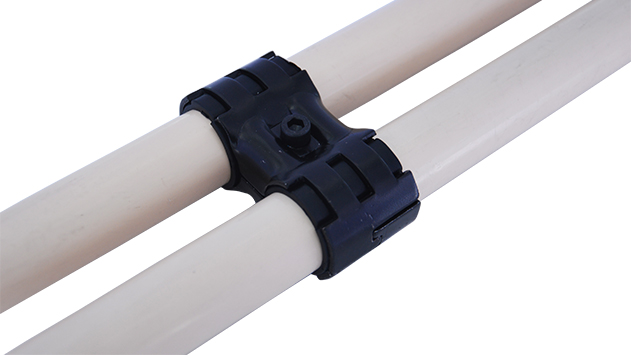
Parallel rotatory lean pipe joint, for 2 pcs pipe conenction in parallel direction with rotatory function.
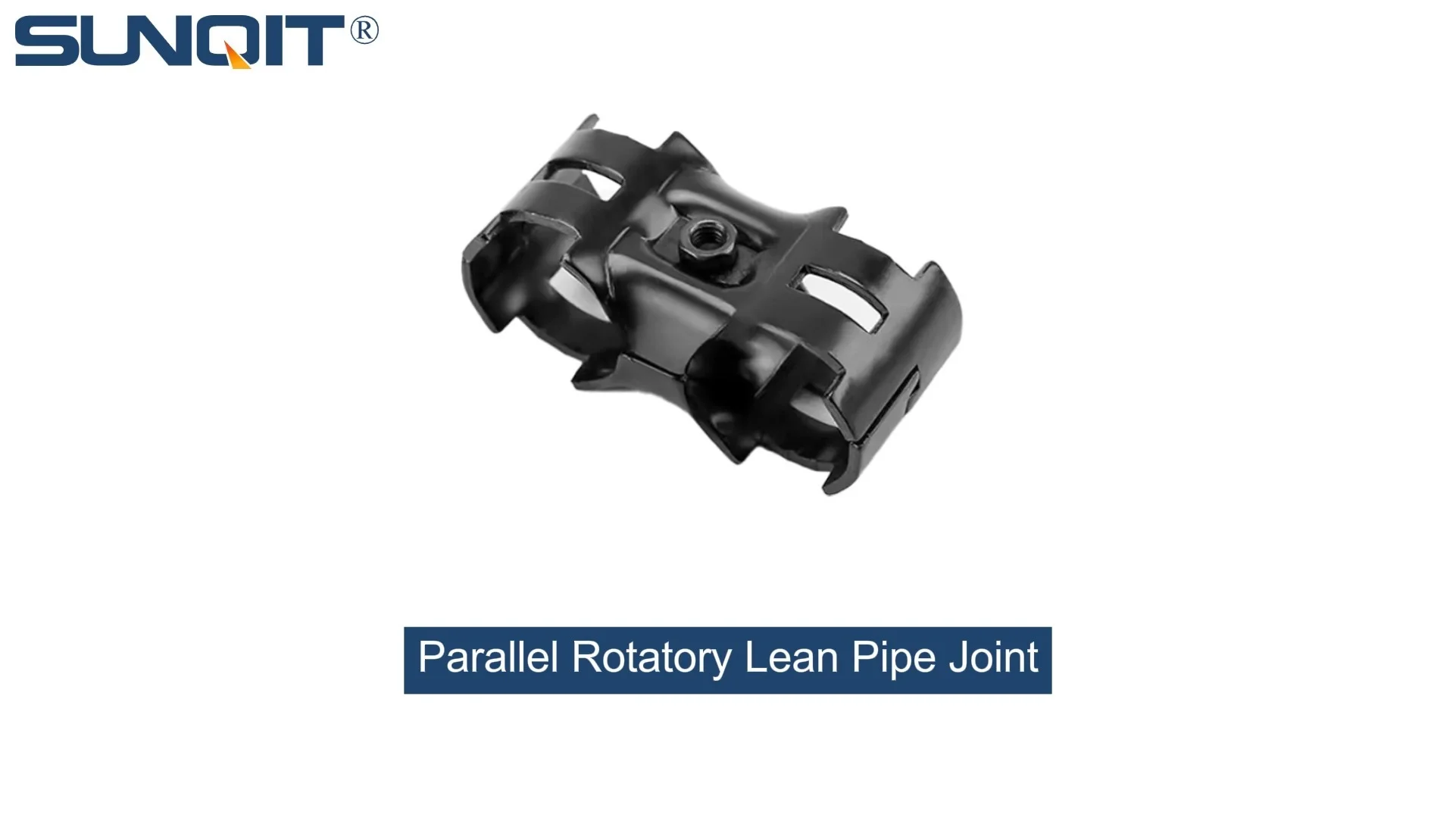
In the world of lean manufacturing, where every second counts and efficiency is the name of the game, the tools and components you choose can make or break your production line. At the heart of many lean systems lies the humble yet mighty lean pipe —a versatile, modular solution that forms the backbone of workbenches, flow racks, turnover trolleys, and more. But what holds these systems together? Enter the unsung hero: the parallel rotatory lean pipe joint chrome. This small but critical component isn't just a connector; it's the pivot that allows your lean structures to adapt, rotate, and grow with your needs. However, not all joints are created equal, and one of the most common pitfalls manufacturers face is choosing the wrong diameter. Get it right, and you'll have a stable, flexible system that streamlines operations. Get it wrong, and you're looking at wobbly workbenches, jamming conveyors, and costly downtime. In this guide, we'll walk you through everything you need to know about selecting the perfect diameter for your parallel rotatory lean pipe joint chrome, ensuring your lean system works as hard as your team does.
What Is a Parallel Rotatory Lean Pipe Joint Chrome, Anyway?
Before we dive into diameters, let's make sure we're all on the same page about what a parallel rotatory lean pipe joint chrome actually is. Picture this: you're assembling a workbench for your production line. You've got lengths of aluminum lean pipe or stainless steel pipe, and you need to connect them at angles—maybe a 90-degree corner for the frame, or a rotating arm to hold tools. That's where this joint comes in. Unlike fixed joints that lock pipes in place, the "parallel rotatory" feature means it allows controlled rotation along a parallel axis, giving you the flexibility to adjust angles or reposition components without disassembling the entire structure. The "chrome" part? That's a protective plating that adds durability, resists corrosion, and gives the joint a smooth, professional finish—ideal for environments where cleanliness and longevity matter, like electronics assembly or food processing.
Think of it as the "elbow" of your lean system, but with superpowers. It's not just about connecting pipes; it's about enabling movement, adaptability, and precision. Whether you're building a material rack that needs to tilt for easy access or a workstation where tools swing into place, this joint is the reason your lean system doesn't feel like a rigid, one-size-fits-all setup. But here's the catch: its performance hinges entirely on choosing the right diameter. A joint that's too small for your pipe will slip and wobble; one that's too large will never tighten properly, leaving gaps that compromise stability. So, how do you find that sweet spot?
Key Factors to Consider When Choosing Diameter
Selecting the diameter of your parallel rotatory lean pipe joint chrome isn't a guessing game—it's a process that involves looking at your specific needs, your existing setup, and the demands of your workflow. Let's break down the critical factors that should guide your decision.
1. Material Compatibility: Aluminum Lean Pipe vs. Stainless Steel Pipe Series
First things first: what kind of pipe are you using? Lean pipes come in different materials, and each has its own standard diameters. The two most common options are aluminum lean pipe and stainless steel pipe series , and they rarely play well with the same joint size. Aluminum lean pipes, for example, are often lighter and more corrosion-resistant, making them popular in industries like automotive or pharmaceuticals. They typically come in diameters like 28mm, 30mm, or 38mm, depending on the supplier. Stainless steel pipes, on the other hand, are heavier and stronger, favored for heavy-duty applications, and might have diameters like 30mm, 38mm, or 40mm. The parallel rotatory lean pipe joint chrome must be designed to fit snugly around your pipe's outer diameter—no exceptions. A 28mm joint won't grip a 30mm stainless steel pipe, and vice versa. So, start by checking the specs of your pipe: is it aluminum? Stainless steel? Note its outer diameter, and make sure your joint matches.
Pro tip: Don't assume all aluminum pipes are the same. Some suppliers offer "basic aluminum tube" with thinner walls, while others have reinforced versions for heavier loads. The outer diameter might be the same, but the wall thickness can affect how the joint tightens. Always double-check both outer diameter and wall thickness when consulting your pipe supplier.
2. Load Requirements: How Much Weight Will It Really Hold?
Let's get practical: what are you putting on your lean structure? A lightweight assembly workbench holding small electronic components has very different needs than a flow rack loaded with heavy metal parts. The diameter of your parallel rotatory lean pipe joint chrome directly impacts how much weight it can support. Smaller diameters (like 28mm) are great for light to medium loads—think tools, small bins, or empty turnover trolleys. But if you're building a material rack that needs to hold 50kg per shelf, or a workbench where operators will be standing or leaning, you'll need a larger diameter joint (38mm or 40mm) to distribute that weight evenly and prevent bending or snapping.
Here's a real-world example: A manufacturer we worked with once tried to use 28mm joints on a flow rack designed for automotive parts. The first week, everything seemed fine. But by week three, the joints started to creak, and the rack began to sag in the middle. Why? Because each shelf was holding around 45kg, and the 28mm joints simply couldn't handle the constant stress. Swapping in 38mm joints solved the problem immediately. Moral of the story: always overestimate your load by 10-15%. Production needs change, and you don't want to rebuild your system six months from now because you added a few more bins.
3. Application Context: Workbench, Trolley, or Conveyor?
The way you use your lean structure matters just as much as the weight it holds. A parallel rotatory lean pipe joint chrome used on a stationary workbench (like Workbench E, single deck without casters) will experience different forces than one on a moving turnover trolley. Let's break down common applications:
- Workbenches: These are often static, but they still need stability. If your workbench has rotating arms (for tools or monitors), the joint will see frequent rotational stress. A 30mm or 38mm diameter is usually sufficient here, depending on the workbench size.
- Turnover Trolleys: Trolleys move, which means joints have to handle vibrations, sudden stops, and uneven floors. Larger diameters (38mm+) are better here to prevent wobbling during transport.
- Flow Racks: Flow racks rely on gravity to move parts, so the joints need to keep the roller tracks perfectly aligned. Even a slight wobble can cause jams. A consistent diameter (like 30mm for aluminum lean pipe) ensures smooth, even flow.
- Conveyors: Whether it's a roller track or belt conveyor, joints here are under constant, repetitive stress. Corrosion resistance (thanks to the chrome plating) is a plus, but diameter is critical—too small, and the conveyor might sag, leading to misaligned products.
The key takeaway? Ask yourself: Will this joint be stationary, moving, or under constant rotation? The answer will guide you toward a diameter that can handle the specific forces at play.
4. Compatibility with Lean Pipe Accessories
Your parallel rotatory lean pipe joint chrome doesn't work alone. It's part of a larger ecosystem of lean pipe accessories—clamps, casters, end caps, and more. If you've already invested in accessories like a lean pipe clamp or caster wheels, you need to make sure your joint diameter plays nice with them. For example, a 30mm joint might pair perfectly with a standard caster mount, but a 38mm joint might require a larger clamp or a different bracket. Mixing and matching sizes can lead to loose connections, which not only compromise safety but also make it harder to swap out accessories later.
Let's say you're building a workbench and plan to add a tool rail using a lean pipe clamp. If your joint is 28mm but your clamp is designed for 30mm pipes, you'll either have to force it (risking damage) or buy a new clamp. Save yourself the hassle by checking accessory specs before choosing your joint diameter. Most suppliers list compatible diameters for their accessories, so keep that list handy when shopping.
5. Industry Standards and Supplier Specs
Last but not least, don't ignore the experts: your lean pipe supplier . Reputable suppliers have spent years testing which joint diameters work best with which pipes and applications, and they're not shy about sharing that knowledge. While there are general industry standards (28mm and 30mm are common for aluminum lean pipe, 38mm for stainless steel pipe series), every supplier might have slight variations based on their manufacturing processes. For example, one supplier's 30mm joint might have a slightly tighter tolerance than another's, which could affect how it fits with your pipes. Always consult your supplier's spec sheet—they'll often provide charts that match joint diameters to pipe materials, load capacities, and applications. When in doubt, pick up the phone and ask; a good supplier will be happy to walk you through the selection process.
Common Diameter Sizes and Their Uses: A Handy Reference Table
To make things easier, we've put together a table of the most common parallel rotatory lean pipe joint chrome diameters, along with their typical uses, compatible materials, and load capacities. Keep in mind that these are general guidelines—always check your specific application and supplier specs for exact numbers.
| Diameter (mm) | Compatible Pipe Material | Typical Applications | Max Load Capacity (kg) | Recommended Accessories |
|---|---|---|---|---|
| 28mm | Aluminum lean pipe (light-duty), PE-coated lean pipe | Small workbenches, tool holders, lightweight flow racks | Up to 30kg per joint | Plastic end caps, mini caster wheels, 28mm lean pipe clamps |
| 30mm | Aluminum lean pipe (medium-duty), basic aluminum tube | Assembly workbenches (Workbench E), turnover trolleys (light), single-tier flow racks | 30-50kg per joint | Aluminum guide rails, standard caster wheels, 30mm lean pipe clamps |
| 38mm | Stainless steel pipe series, heavy-duty aluminum lean pipe | Heavy-duty workbenches, multi-tier material racks (Material Rack B), conveyor systems | 50-80kg per joint | Stainless steel swivel roller balls, heavy-duty casters, 38mm parallel clamps |
| 40mm | Thick-walled stainless steel pipe, industrial aluminum extrusion profile | Large flow racks, automated conveyor systems, load-bearing shelving | 80-120kg per joint | Steel roller track, heavy-duty suction cup feet, 40mm reinforced clamps |
Remember, these load capacities are per joint, not per entire structure. If you're building a multi-shelf rack, you'll need to calculate the total weight and distribute it across multiple joints. For example, a Material Rack B with 3 rows and 3 floors might use 38mm joints, but if each shelf holds 60kg, you'll need at least 4-6 joints per shelf to stay under the 50-80kg per joint limit.

Step-by-Step: How to Choose Your Diameter
Now that you know the factors, let's put it all together into a simple, actionable process. Follow these steps, and you'll be well on your way to selecting the perfect parallel rotatory lean pipe joint chrome diameter.
Step 1: Define Your Application
Start by asking: What am I building? Is it a workbench, a flow rack, a trolley, or something else? Write down the specifics: dimensions (length, height, width), how it will be used (static, moving, rotating), and where it will be placed (assembly line, warehouse, cleanroom). The more details, the better.
Step 2: Calculate Your Load
Next, figure out how much weight the structure will need to support. This includes not just the materials or products, but also any tools, operators, or additional accessories. Be generous—add 10-15% to your estimate to account for unexpected loads (like a operator leaning on the workbench or a sudden surge in product volume).
Step 3: Choose Your Pipe Material
Will you use aluminum lean pipe, stainless steel pipe series, or something else? Aluminum is lighter and corrosion-resistant, making it great for clean environments. Stainless steel is stronger and more durable for heavy loads. Your material choice will narrow down your diameter options (e.g., aluminum often uses 28mm-30mm, stainless steel 38mm+).
Step 4: Check Accessory Compatibility
Gather a list of all the lean pipe accessories you plan to use: clamps, casters, roller tracks, etc. Look up each accessory's compatible pipe diameter and cross-reference them. If most of your accessories are designed for 30mm pipes, a 30mm joint is the safe bet.
Step 5: Consult Your Supplier
Finally, reach out to your lean pipe supplier. They'll have insights into which diameters work best for your specific industry or application. For example, if you're in electronics manufacturing, they might recommend 30mm aluminum lean pipe joints for ESD workbenches, as they're lightweight and compatible with anti-static accessories. A good supplier will even provide sample joints so you can test them with your pipes and accessories before buying in bulk.

Troubleshooting Common Diameter Mistakes
Even with careful planning, mistakes happen. Here are some common issues caused by choosing the wrong diameter, and how to fix them:
Issue 1: Wobbly Joints or Loose Connections
Cause: The joint diameter is too large for the pipe. A loose fit means the joint can't grip the pipe tightly, leading to movement. Solution: Swap in a smaller diameter joint or use shims (temporarily) if you can't replace the joint immediately. For long-term fixes, always match joint diameter to pipe outer diameter.
Issue 2: Bent or Damaged Joints
Cause: The diameter is too small for the load. When a joint is overloaded, it bends or cracks under pressure. Solution: Upgrade to a larger diameter joint (e.g., from 30mm to 38mm) and reinforce the structure with additional supports if needed.
Issue 3: Accessories Don't Fit
Cause: Mismatched diameters between joints, pipes, and accessories. Solution: Standardize on one diameter (e.g., 30mm) for your entire system to ensure compatibility. If you need to mix sizes, use adapter sleeves (available from most suppliers) to bridge the gap.
Final Thoughts: Diameter Selection = Efficiency + Safety
Choosing the right diameter for your parallel rotatory lean pipe joint chrome might seem like a small detail, but it's the difference between a lean system that elevates your production and one that holds you back. By considering your application, load, pipe material, accessories, and supplier specs, you'll select a diameter that keeps your structures stable, flexible, and ready for whatever your workflow throws at them. Remember, lean manufacturing is about eliminating waste—don't waste time, money, or energy on joints that don't fit. Invest the time upfront to get the diameter right, and you'll reap the rewards in smoother operations, fewer breakdowns, and a system that grows with your business.
So, what's next? Grab your application notes, check your pipe specs, and start comparing diameters. And if you're still unsure, pick up the phone and talk to your supplier—they're there to help. Your lean system (and your team) will thank you.