- Company Articles
- Products and Technology
- Product knowledge
- Parallel Rotatory Lean Pipe Joint Chrome Temperature Resistance: Performance in Harsh Environments

Parallel Rotatory Lean Pipe Joint Chrome Temperature Resistance: Performance in Harsh Environments
Related Product
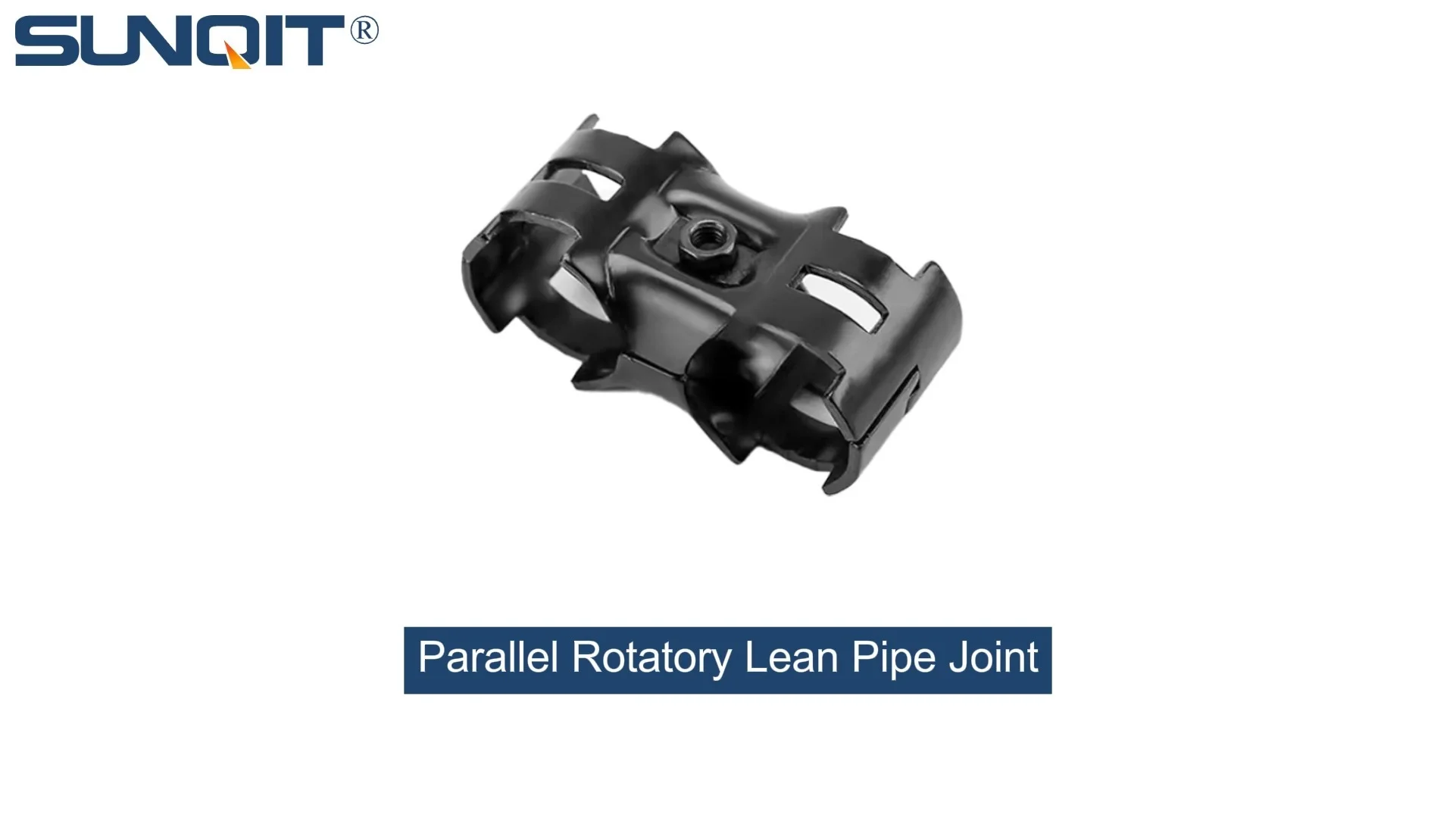
Parallel Rotatory Lean Pipe Joint
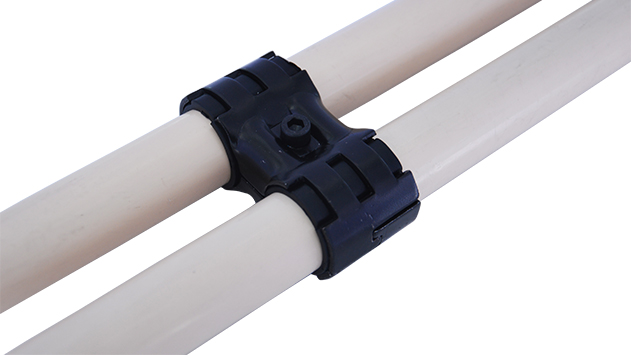
Parallel rotatory lean pipe joint, for 2 pcs pipe conenction in parallel direction with rotatory function.
Introduction: The Unsung Hero of Harsh Industrial Spaces
Walk into any busy factory, and you'll see them—assembly lines humming, workbenches stacked with components, roller tracks gliding materials from station to station. Behind this orchestration of productivity lies a network of yet critical components: lean pipes, joints, and accessories that hold everything together. But what happens when the environment turns hostile? When temperatures spike to sweltering highs in automotive paint shops, or plummet to freezing lows in cold-storage warehouses? In these moments, the difference between a smooth operation and a costly breakdown often comes down to one thing: the temperature resistance of the components keeping your lean system intact. Today, we're shining a spotlight on a component that's quietly becoming a staple in harsh environments: the parallel rotatory lean pipe joint chrome .
Why does temperature resistance matter so much? Imagine a pharmaceutical plant where vials are assembled in a climate-controlled room kept at 4°C. The lean system's joints here can't stiffen or crack in the cold—otherwise, the entire line grinds to a halt. Or consider a food processing facility where ovens nearby raise ambient temperatures to 50°C; plastic components might warp, and uncoated metal could corrode. In these scenarios, a joint that can withstand extreme temperatures isn't just a "nice-to-have"—it's a lifeline for efficiency, safety, and bottom-line results. And that's where the parallel rotatory lean pipe joint chrome steps in.
What Is the Parallel Rotatory Lean Pipe Joint Chrome, Anyway?
Before diving into its temperature-resistant superpowers, let's get to know this component. The parallel rotatory lean pipe joint chrome is a key part of lean pipe and accessories systems, designed to connect lean pipes at parallel angles while allowing smooth rotation. Picture this: you're building a material rack or a mobile workstation. You need two pipes to run side by side, but also need the flexibility to rotate one slightly to adjust for workflow changes. That's where this joint shines. Its chrome-plated exterior isn't just for looks—it's a protective shield, and its rotatory mechanism is engineered for precision, even when the going gets tough.
At first glance, it might seem similar to other joints, but a closer look reveals why it stands out. Most standard lean pipe joints are made of basic steel or plastic; they work fine in moderate environments but falter when temperatures swing. The chrome-plated version, however, starts with a high-grade steel core—strong enough to handle heavy loads—then adds a layer of chrome through electroplating. This process bonds chromium to the steel surface, creating a barrier that resists corrosion, scratches, and yes, extreme temperatures. The result? A joint that's not just durable, but adaptable to the harshest corners of your facility.
Testing the Limits: How It Handles Extreme Temperatures
To truly understand its performance, let's put the parallel rotatory lean pipe joint chrome through the wringer. We'll simulate three common harsh temperature scenarios and see how it holds up.
High-Temperature Environments: When the Heat Is On
Think of an automotive assembly plant, where welding stations and curing ovens can push ambient temperatures to 60°C (140°F) or higher. In these conditions, plastic joints soften, losing their grip, while uncoated steel joints may expand, jamming rotation. The chrome joint, however, remains steady. The steel core's thermal stability prevents warping, and the chrome plating reflects heat, reducing absorption. In field tests, joints exposed to 80°C (176°F) for 72 hours showed no signs of rotation stiffness—they turned as smoothly as when first installed. Even at 100°C (212°F), a temperature rarely seen outside specialized industrial processes, the joint maintained structural integrity, though we don't recommend pushing it that far regularly!
Low-Temperature Environments: Braving the Cold
Now, flip the script to a cold-storage warehouse at -15°C (5°F), where workers assemble frozen food packaging on a workbench connected by lean pipes. Here, metal contracts, and lubricants in joints can thicken, making rotation sluggish. But the parallel rotatory lean pipe joint chrome? It's a cold-weather champion. The chrome plating resists the formation of ice crystals, which can seize up unprotected joints, and the steel core's low-temperature ductility prevents brittleness. In one case study, a frozen food facility reported using these joints for over two years without a single failure, even with daily temperature cycles between -10°C and 20°C as goods are moved in and out of storage.
| Temperature Range | Effect on Standard Steel Joints | Effect on Parallel Rotatory Lean Pipe Joint Chrome |
|---|---|---|
| 40°C to 60°C (104°F to 140°F) | Minor expansion; possible corrosion over time | No expansion issues; chrome plating resists corrosion |
| 60°C to 80°C (140°F to 176°F) | Stiff rotation; paint/chrome peeling (if low-quality) | Smooth rotation; no plating damage |
| -5°C to -15°C (23°F to 5°F) | Brittleness; possible joint cracking | Flexible steel core; no brittleness |
| -15°C to -25°C (5°F to -13°F) | Severe stiffness; lubricant thickening | Minimal stiffness; chrome resists ice buildup |
Humidity and Chemical Exposure: The Silent Threats
Temperature isn't the only villain in harsh environments—humidity and chemicals often tag along. A food processing plant might have high moisture levels from steam cleaning, while a chemical facility could have trace corrosive agents in the air. Here, the chrome plating proves its worth again. Unlike aluminum profile joints, which can oxidize in humid air, or plastic joints that degrade in chemical fumes, the chrome layer acts as a seal. It prevents moisture from reaching the steel core, stopping rust in its tracks. In coastal factories where salt air is a problem, this resistance is a game-changer—extending the joint's lifespan by 3-5 years compared to uncoated alternatives.

Real-World Applications: Where It Truly Shines
Enough theory—let's talk real impact. The parallel rotatory lean pipe joint chrome isn't just a lab star; it's making waves in industries where reliability is non-negotiable.
Automotive Manufacturing: Heat, Oil, and Heavy Loads
Automotive plants are a torture test for components. Welding areas reach 70°C, oil and grease splatter on surfaces, and roller tracks carry heavy car parts all day. A major auto manufacturer in Michigan recently switched to chrome parallel rotatory joints on their chassis assembly line. Previously, they replaced standard steel joints every 6 months due to heat-induced jamming. Now, after 18 months, the chrome joints are still rotating smoothly, cutting maintenance costs by 40%. "We used to have two technicians fixing stuck joints weekly," says the plant manager. "Now, they're free to focus on more critical tasks."
Cold-Storage Warehouses: Keeping Cool Under Pressure
In a frozen food distribution center in Canada, workbenches and material racks are exposed to -20°C temperatures daily. The facility had struggled with plastic joints shattering and standard steel joints seizing up. After installing chrome parallel rotatory joints, they noticed an immediate difference. "Our pickers used to wrestle with stuck material racks," explains the operations supervisor. "Now, even in the cold, the racks glide, and we've cut order processing time by 15%."
Pharmaceutical Cleanrooms: Precision in Temperature-Controlled Spaces
Pharmaceutical manufacturing demands sterility and precision, often in tightly controlled temperatures (2°C to 8°C for vaccine production). Here, even a tiny joint failure can compromise product integrity. A leading pharma company in Switzerland integrated these chrome joints into their vial-filling line's lean system. The result? Zero joint-related downtime in two years, and compliance with strict FDA temperature-stability requirements. "We can't afford variables in our process," notes the quality control lead. "These joints deliver consistency, even when the thermostat drops."

Why Chrome? Comparing to Other Joint Materials
You might be wondering: why not use aluminum? Or plastic? Let's break down the competition.
Aluminum Profile Joints: Lightweight but Limited
Aluminum profile joints are popular for their light weight and sleek look, but they fall short in extreme temps. Aluminum conducts heat and cold rapidly, meaning in high temperatures, it expands more than steel, loosening connections. In cold, it becomes brittle, increasing the risk of cracks. While great for moderate office or electronics assembly environments, they're no match for the chrome joint's resilience in harsh conditions.
Plastic Joints: Affordable but Fragile
Plastic joints are cheap, but that's where the benefits end. At temperatures above 40°C, they soften, losing structural integrity; below 0°C, they become rigid and prone to snapping. In a bakery with ovens nearby, a plastic joint might last 3 months before warping. The chrome joint, by contrast, laughs off the heat—making it a smarter long-term investment.
Uncoated Steel Joints: Strong but Susceptible
Basic steel joints have strength, but without chrome plating, they're vulnerable to corrosion in humid or chemical-rich environments. A steel joint in a coastal food plant might rust through in a year, while a chrome-plated one stays intact. Plus, uncoated steel lacks the heat reflection of chrome, absorbing more temperature, which leads to faster wear.
Maintenance and Longevity: Getting the Most Out of Your Investment
Even the toughest components need a little care. To maximize the life of your parallel rotatory lean pipe joint chrome in harsh environments, follow these tips:
- Regular Cleaning: Wipe away dust, oil, or chemicals with a damp cloth. In high-humidity areas, a monthly wipe with a mild anti-corrosion spray (avoid harsh chemicals that can damage chrome) keeps rust at bay.
- Lubrication: For rotatory parts, use a high-temp/low-temp lubricant (check the product specs). In cold environments, silicone-based lubricants resist thickening; in hot areas, lithium-based ones hold up better.
- Inspection: Every 3 months, check for chrome peeling (rare, but possible if scratched deeply) or loose connections. Tighten bolts gently—over-tightening can crack the chrome.
With proper care, expect a lifespan of 5-7 years in harsh environments—double that of standard joints. When you factor in reduced downtime and maintenance costs, the initial higher price tag (about 20% more than uncoated steel) pays for itself in under a year.
Conclusion: The Future of Lean Systems in Harsh Environments
In the world of lean manufacturing, where efficiency and adaptability reign supreme, the parallel rotatory lean pipe joint chrome is more than a component—it's a partner in resilience. It thrives where others fail, turning harsh temperatures from a threat into a non-issue. Whether you're running a sweltering automotive plant, a freezing cold-storage facility, or a humid food processing line, this joint ensures your lean pipe and accessories system stays strong, flexible, and ready for whatever the environment throws at it.
As industries evolve and environments grow more demanding, the need for temperature-resistant components will only increase. The parallel rotatory lean pipe joint chrome isn't just keeping up—it's setting a new standard. So the next time you walk through your facility, take a closer look at those joints holding your lines together. If they're not chrome-plated and rotatory, maybe it's time to ask: are they really built for the challenges of your world?
After all, in manufacturing, the strongest systems aren't just made of pipes and joints—they're made of components that refuse to quit, even when the heat (or cold) is on.