- Company Articles
- Products and Technology
- Product knowledge
- Parallel Rotatory Lean Pipe Joint Chrome vs Brass Joints: Cost & Performance

Parallel Rotatory Lean Pipe Joint Chrome vs Brass Joints: Cost & Performance
Related Product
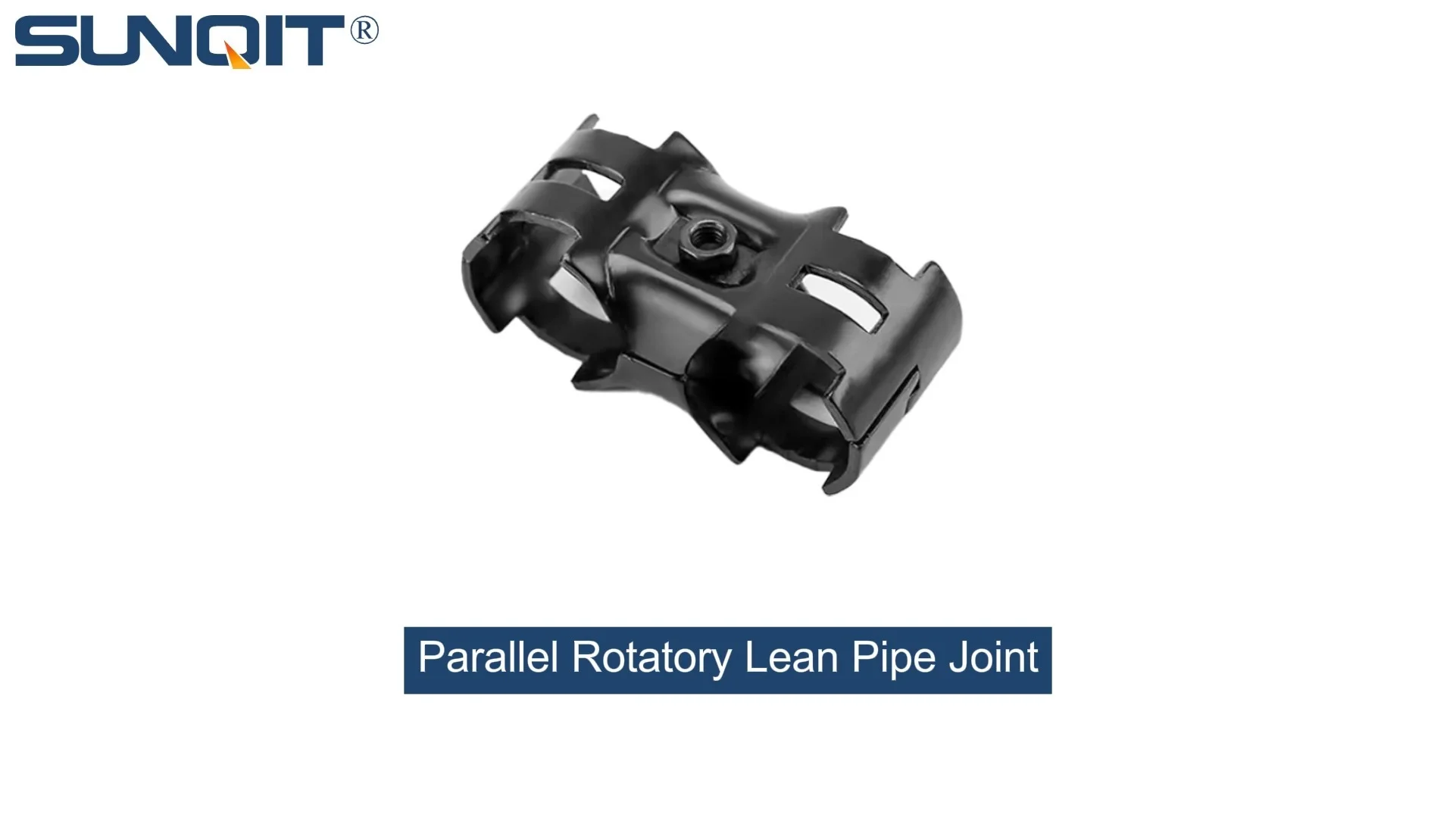
Parallel Rotatory Lean Pipe Joint
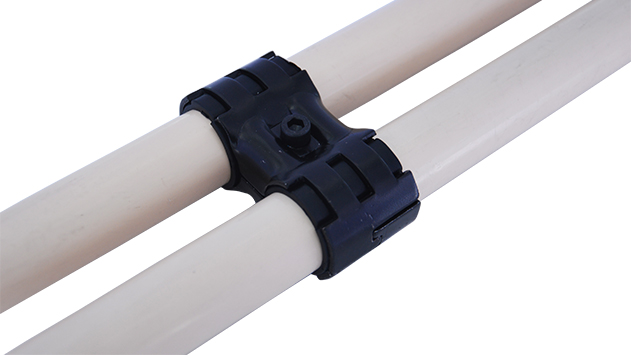
Parallel rotatory lean pipe joint, for 2 pcs pipe conenction in parallel direction with rotatory function.
In the world of manufacturing and warehouse operations, every component of your workflow matters. From the largest conveyor system to the smallest connector, each part plays a role in keeping things running smoothly, efficiently, and cost-effectively. When it comes to lean pipe systems—the modular, adaptable structures that power workbenches, flow racks, and material handling setups—one component often flies under the radar but holds immense importance: the joints. These small but critical pieces are the "glue" that holds your lean pipe and accessories together, dictating everything from stability to flexibility. Today, we're diving deep into two popular options: the parallel rotatory lean pipe joint chrome and traditional brass joints. By the end, you'll have a clear picture of how they stack up in terms of cost, performance, and real-world application—so you can make the best choice for your operation.
Understanding Lean Pipe Joints: The Backbone of Modular Systems
Before we compare specific joint types, let's take a step back. Lean pipe systems, often built with aluminum lean pipe, stainless steel, or coated steel pipes, rely on joints to connect pipes, create angles, and enable adjustments. Whether you're building a simple workbench or a complex flow rack, joints determine how easily you can reconfigure the system, how much weight it can bear, and how long it will last. A poor-quality joint can lead to wobbly structures, frequent replacements, and even safety hazards—none of which align with the "lean" philosophy of minimizing waste and maximizing efficiency.
Among the many joint options available, two stand out for their versatility and widespread use: parallel rotatory lean pipe joint chrome and brass joints. Both serve the same basic purpose—connecting pipes—but their materials, design, and performance characteristics set them apart. Let's break them down.
Parallel Rotatory Lean Pipe Joint Chrome: The Hard-Wearing Workhorse
What Is It?
First, let's talk about the parallel rotatory lean pipe joint chrome. As the name suggests, this joint is designed for parallel pipe configurations and features a rotatory mechanism, allowing for smooth adjustments and flexibility in setup. The "chrome" here refers to the plating process: the base material (typically steel) is coated with a layer of chromium, which adds a shiny, protective finish. This isn't just for looks—chrome plating is a functional choice, known for enhancing durability and resistance to wear and tear.
Material & Manufacturing
Most parallel rotatory lean pipe joint chrome products start with a steel core. Steel is chosen for its inherent strength and rigidity, making it ideal for supporting heavy loads in industrial settings. The chrome plating process involves electroplating, where a thin layer of chromium is deposited onto the steel surface. This layer is incredibly hard—harder than steel itself—and acts as a barrier against corrosion, scratches, and impact. The result? A joint that's built to withstand the rough-and-tumble of daily use in factories, warehouses, and assembly lines.
Performance in Action
When it comes to performance, the parallel rotatory lean pipe joint chrome shines in several key areas:
- Durability: The chrome plating is a game-changer here. In busy environments where pipes are moved, adjusted, or bumped, chrome resists chipping and scratching far better than uncoated steel. This means the joint maintains its structural integrity longer, reducing the need for frequent replacements.
- Load Capacity: Thanks to the steel core, these joints can handle significant weight. Whether you're building a workbench loaded with tools or a flow rack carrying heavy components, parallel rotatory chrome joints provide stable support without bending or warping.
- Rotation Smoothness: The rotatory design is a standout feature. Unlike fixed joints, which require disassembly to adjust, these joints allow for 360-degree rotation (within limits), making it easy to reposition pipes or adapt the structure to changing workflow needs. This flexibility is a boon for lean environments where adaptability is key.
- Corrosion Resistance: While steel is prone to rust, the chrome plating acts as a shield against moisture, oils, and chemicals common in industrial settings. This makes chrome joints a solid choice for environments with high humidity or occasional exposure to liquids.
Cost Considerations
When it comes to upfront cost, parallel rotatory lean pipe joint chrome is generally more affordable than brass joints. Steel is a widely available material, and the chrome plating process, while adding cost, is still less expensive than using solid brass. For businesses working with tight budgets or looking to scale their lean systems quickly, this lower initial cost can be a major advantage.
Long-term, the durability of chrome joints translates to lower maintenance and replacement costs. A well-made chrome joint can last years in moderate to heavy use, whereas cheaper, uncoated joints might need replacing every few months. This makes chrome joints a cost-effective choice over time, even if they require a slightly higher initial investment than low-quality alternatives (though not compared to brass, as we'll see).
Brass Joints: The Precision Option with a Classic Appeal
What Are They?
Brass joints, on the other hand, are made entirely from brass—a metal alloy of copper and zinc. Brass has been used in industrial applications for centuries, valued for its malleability, conductivity, and resistance to corrosion. Unlike chrome-plated steel, brass joints are solid metal, with no plating to wear off over time. They're often chosen for their precision fit and aesthetic appeal, as brass develops a warm, golden patina over time that some find visually pleasing.
Material & Manufacturing
Brass is a softer metal than steel, which gives it unique properties. It's highly malleable, meaning it can be easily machined into complex shapes with tight tolerances. This makes brass joints ideal for applications where a precise, snug fit is critical. The manufacturing process for brass joints typically involves casting or machining, where the brass is shaped into the desired joint configuration—whether fixed, rotatory, or parallel. Because brass is a premium material, the production process is often more labor-intensive, contributing to a higher overall cost.
Performance in Action
Brass joints offer their own set of performance benefits, though they differ from chrome joints in key ways:
- Precision Fit: Due to brass's malleability and the ability to machine it to tight tolerances, brass joints often provide a smoother, more precise connection between pipes. This can reduce wobble in structures and ensure that adjustments (when possible) are seamless.
- Corrosion Resistance: Brass is naturally resistant to corrosion, even without plating. It doesn't rust like steel, and it holds up well against saltwater, oils, and many chemicals. This makes it a good choice for environments where corrosion is a major concern, such as food processing facilities or marine applications (though these are less common for lean pipe systems).
- Conductivity: While not a primary concern for most lean pipe setups, brass is an excellent conductor of electricity. This can be useful in ESD (Electrostatic Discharge) environments, where grounding is critical to protect sensitive electronics. However, it's worth noting that chrome-plated steel can also be made conductive with specialized coatings, so this isn't a unique advantage.
- Aesthetic Appeal: Let's not overlook the visual aspect. Brass has a classic, high-end look that some businesses prefer for customer-facing areas or showrooms. Over time, it develops a patina that many find attractive, adding character to the structure.
Downsides in Performance
Despite these benefits, brass joints have some drawbacks, especially in heavy industrial use:
- Lower Load Capacity: Brass is softer than steel, which means it has a lower load capacity. Under heavy weight or frequent stress, brass joints may bend or deform more easily than chrome-plated steel joints. This makes them less suitable for heavy-duty applications.
- Wear and Tear: The softer nature of brass also makes it more prone to wear from friction. If the joint is frequently rotated or adjusted, the brass can wear down over time, leading to looseness in the connection.
- Cost: The biggest downside is cost. Brass is a premium material, and brass joints can cost two to three times more than comparable chrome-plated steel joints. For large-scale projects, this cost difference can add up quickly.

Head-to-Head: Parallel Rotatory Lean Pipe Joint Chrome vs Brass Joints
To make the comparison clearer, let's put these two joint types side by side in a table, focusing on the factors that matter most to lean pipe system users:
| Factor | Parallel Rotatory Lean Pipe Joint Chrome | Brass Joints |
|---|---|---|
| Material | Chrome-plated steel (steel core with chromium coating) | Solid brass (copper-zinc alloy) |
| Upfront Cost | Lower (affordable steel core + plating) | Higher (premium brass material + machining) |
| Long-Term Cost | Lower (durable, less frequent replacement) | Higher (softer material may require more frequent replacement in heavy use) |
| Load Capacity | High (steel core provides strong support) | Moderate (softer brass may bend under heavy loads) |
| Durability | High (chrome plating resists scratches, wear, and corrosion) | Moderate (resists corrosion but softer, prone to wear from friction) |
| Flexibility/Rotation | Excellent (rotatory design allows easy adjustments) | Good (precision fit but may wear faster with frequent rotation) |
| Best For | Heavy-duty industrial use, high-load structures, frequent adjustments, budget-conscious setups | Precision applications, low-load setups, environments with high corrosion risk, aesthetic-focused projects |

Real-World Applications: When to Choose Which?
To bring this comparison to life, let's look at a few scenarios where one joint type might be better suited than the other.
Scenario 1: A Busy Automotive Assembly Line
Imagine a high-volume automotive plant where lean pipe workbenches are loaded with tools, and flow racks carry heavy engine components. The environment is noisy, with constant movement of workers and equipment, and the structures need to withstand daily use and occasional bumps. In this case, parallel rotatory lean pipe joint chrome is the clear winner. Its high load capacity, durability, and lower cost make it ideal for heavy-duty, high-traffic environments. The rotatory feature also allows workers to adjust the workbench height or flow rack angles quickly as production needs change.
Scenario 2: A Small Electronics Workshop (ESD Environment)
Now, consider a small workshop assembling sensitive circuit boards. The lean pipe system here is used for lightweight workbenches and material racks, and ESD protection is critical. While both joints can work, brass joints might have a slight edge due to their natural conductivity (though chrome-plated steel with conductive coatings is also an option). However, the higher cost of brass may not be justified unless the precision fit or aesthetic appeal is a priority. In most cases, a chrome joint with ESD-friendly coating would be the more cost-effective choice.
Scenario 3: A Warehouse with High Humidity
A warehouse in a coastal area with high humidity faces constant corrosion risk. Here, both chrome and brass joints offer corrosion resistance, but brass has a slight edge due to its natural resistance. However, chrome joints are still a strong contender—their plating is designed to withstand moisture, and they're significantly cheaper. Unless the humidity is extreme (e.g., near saltwater), chrome joints would likely provide sufficient corrosion resistance at a lower cost.
Choosing the Right Joint: Key Questions to Ask
When deciding between parallel rotatory lean pipe joint chrome and brass joints, start by asking yourself these questions:
- What's the load capacity I need? If you're building structures that will hold heavy items, chrome joints are the safer bet.
- How often will the structure be adjusted? If frequent rotation or reconfiguration is needed, the smooth rotation of chrome joints (and their durability under movement) is a plus.
- What's my budget? Brass joints are premium, so if cost is a major concern, chrome is the way to go.
- What's the environment like? High humidity, chemicals, or corrosion risks? Both work, but brass may have a slight edge (at a higher cost).
- Is aesthetics important? If the structure is in a customer-facing area, brass might be worth the extra cost for its look.
For most lean pipe applications—think factories, warehouses, and standard workshops—parallel rotatory lean pipe joint chrome offers the best balance of cost, durability, and performance. Brass joints are a niche option, better suited for specific scenarios where precision, conductivity, or aesthetics are top priorities.
Sourcing the Best Joints: Working with a Reliable Lean Pipe Supplier
Regardless of which joint type you choose, the quality of the product matters as much as the material. A poorly made chrome joint with thin plating will corrode quickly, and a brass joint with shoddy machining will fail to provide a precise fit. That's why working with a reputable lean pipe supplier is critical.
A good supplier will offer high-quality parallel rotatory lean pipe joint chrome and brass joints, along with other lean pipe and accessories. They should be able to provide technical specifications, load capacity data, and guidance on which joint is best for your specific needs. Look for suppliers with a track record of serving industrial clients, positive reviews, and a commitment to quality control.
When evaluating suppliers, ask about their manufacturing processes: How thick is the chrome plating on their steel joints? What grade of brass do they use for brass joints? Do they test their products for load capacity and durability? A supplier that can answer these questions transparently is more likely to deliver reliable, long-lasting components.
Conclusion: Chrome Joints for Most, Brass for the Niche
At the end of the day, the choice between parallel rotatory lean pipe joint chrome and brass joints comes down to your specific needs, budget, and environment. For the vast majority of lean pipe systems—those used in manufacturing, warehousing, and standard industrial settings—parallel rotatory lean pipe joint chrome is the smarter choice. It offers durability, flexibility, and cost-effectiveness that's hard to beat, aligning perfectly with the lean philosophy of minimizing waste and maximizing efficiency.
Brass joints, while offering precision and corrosion resistance, are a premium option best reserved for scenarios where those specific benefits justify the higher cost. Whether you're building a workbench, a flow rack, or a custom material handling system, the right joints will keep your structure stable, adaptable, and long-lasting—so you can focus on what really matters: keeping your workflow lean, efficient, and productive.
So, next time you're planning a lean pipe project, take a moment to consider the joints. They may be small, but they're the backbone of your system—and choosing the right ones can make all the difference in your operation's success.