- Company Articles
- Products and Technology
- Product knowledge
- Parallel Rotatory Lean Pipe Joint Chrome vs Stainless Steel: Corrosion Battle

Parallel Rotatory Lean Pipe Joint Chrome vs Stainless Steel: Corrosion Battle
Related Product
Parallel Rotatory Lean Pipe Joint
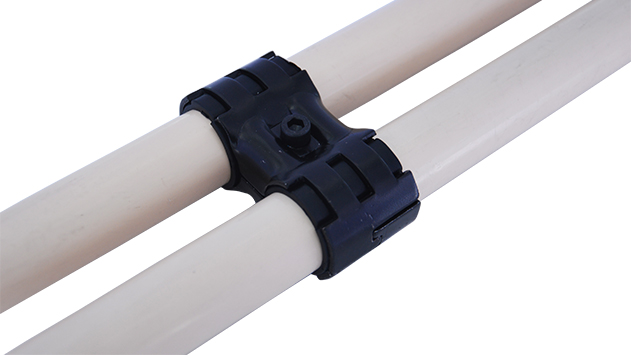
Parallel rotatory lean pipe joint, for 2 pcs pipe conenction in parallel direction with rotatory function.
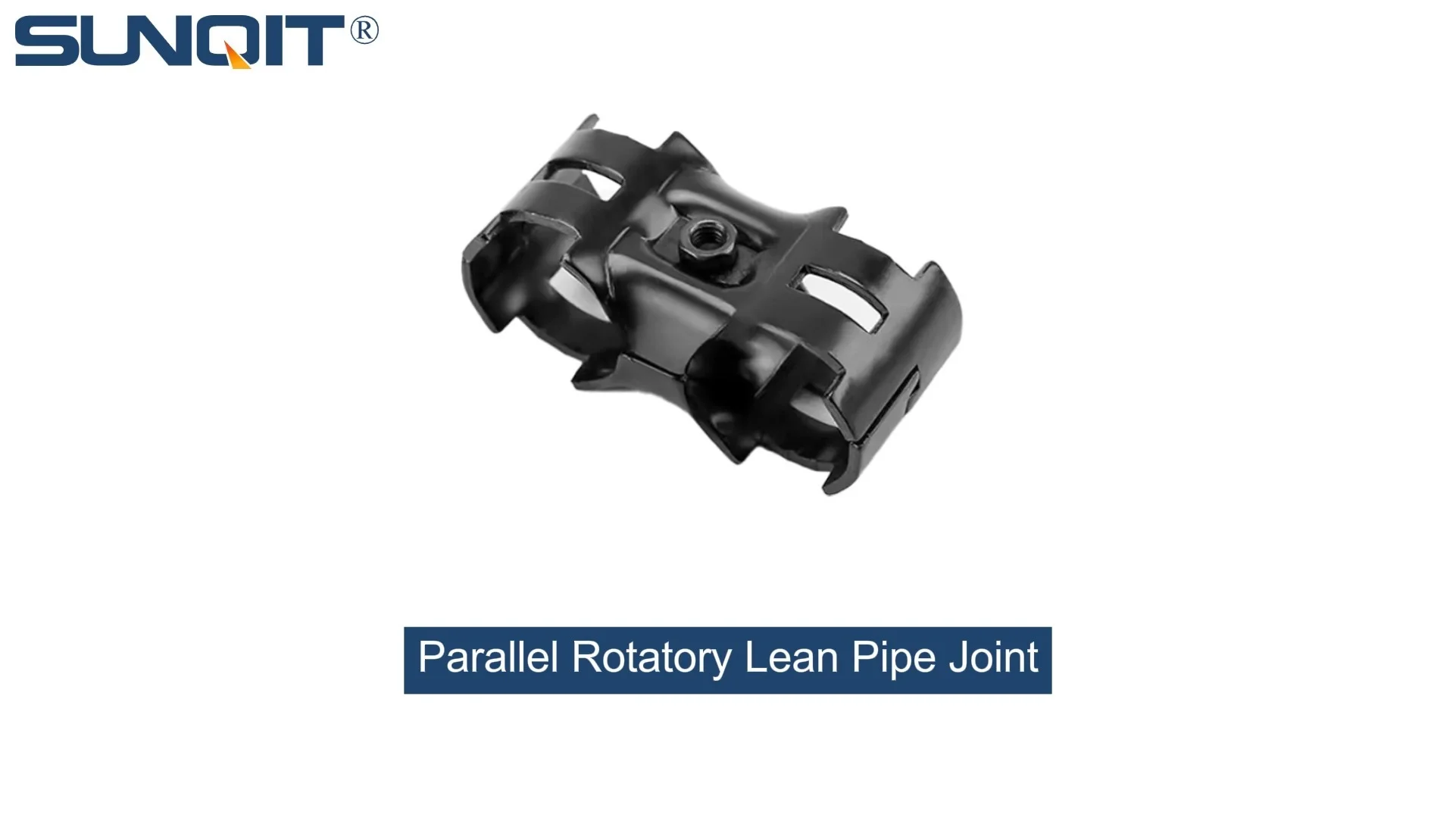
The unsung heroes of efficient manufacturing—how the right joint material saves time, money, and headaches on the factory floor
The Hidden Cost of a Rusty Joint: Why Material Matters in Lean Systems
Walk into any manufacturing plant, warehouse, or assembly facility, and you'll likely see them: sturdy workbenches, sleek flow racks, and modular conveyor systems that keep products moving from station to station. These are the backbone of lean manufacturing—systems designed to minimize waste, maximize efficiency, and adapt to changing production needs. But ask any plant manager what keeps them up at night, and it's rarely the big-ticket machinery. More often, it's the small stuff: the nuts, bolts, and lean pipe joint s that hold everything together.
Lean pipe systems, also known as "flexible pipe systems," are built on a simple idea: aluminum or steel pipes connected by joints to create custom workspaces. They're popular because they're easy to assemble, reconfigure, and scale—perfect for today's fast-paced production environments. But here's the catch: not all joints are created equal. When it comes to durability, especially in harsh industrial settings, the material of those joints can make or break a system's performance. And the biggest enemy? Corrosion.
"We had a flow rack by the dip-coating station that kept failing," recalls Raj Patel, a plant engineer at a automotive parts manufacturer in Michigan. "At first, we thought it was just wear and tear. The joints would seize up, the pipes would wobble, and we'd have to shut down the line to fix it. Then one day, I took a closer look: the chrome plating on the joints was chipping, and underneath, the steel was rusted through. That rack was only six months old. We replaced the joints with stainless steel, and two years later, they're still going strong. No more shutdowns, no more emergency repairs. Just… reliability."
Raj's story isn't unique. Corrosion in lean pipe joints isn't just a cosmetic issue; it's a productivity killer. Rust weakens joints, leading to wobbly workbenches that compromise precision, flow racks that jam, and even safety hazards for workers. The cost adds up fast: downtime for repairs, replacement parts, and the labor to install them. In worst-case scenarios, a failed joint could damage products or injure employees. So when choosing between two of the most common joint materials—chrome-plated steel and stainless steel—it's not just about upfront cost. It's about which one will stand the test of time in your specific environment.
In this article, we're diving deep into the corrosion battle between two heavyweights: the parallel rotatory lean pipe joint chrome and its stainless steel counterpart. We'll break down how each material resists (or succumbs to) rust, explore real-world performance in different industrial settings, and help you decide which is right for your facility. Whether you're running a dry electronics assembly line or a humid food processing plant, understanding this showdown could save you thousands in the long run.
Meet the Contenders: What Are These Joints, Anyway?
Before we jump into the corrosion showdown, let's get familiar with the contenders. Both chrome-plated and stainless steel parallel rotatory lean pipe joints serve the same basic purpose: connecting pipes in a way that allows for rotation and adjustment. This "parallel rotatory" design is key—it lets workers swivel shelves, adjust angles, or reposition components without disassembling the entire structure. But under the surface, their compositions are worlds apart.
Chrome-Plated Parallel Rotatory Joints: Shiny, Affordable, and… Vulnerable?
Chrome-plated joints start with a base of carbon steel—a strong, inexpensive material. To protect against corrosion, manufacturers coat the steel with a thin layer of chromium via electroplating. The result? A bright, reflective finish that looks clean and professional. Chrome plating has been a go-to for decades because it's cheap, easy to produce, and offers decent initial protection against moisture and minor spills.
But here's the limitation: that chromium layer is just that—a layer. It's thin, often only a few micrometers thick, and prone to chipping, scratching, or wearing off over time. Think of it like a coat of paint on a car: great until a rock chips it, exposing the metal underneath. Once the chrome plating is compromised, the underlying carbon steel is defenseless against rust. In environments with high humidity, chemicals, or salt, this process accelerates dramatically.
Stainless Steel Parallel Rotatory Joints: The Corrosion Resistant Workhorse
Stainless steel, on the other hand, is a corrosion-resistant alloy from the start. It contains at least 10.5% chromium, which reacts with oxygen in the air to form a thin, invisible layer of chromium oxide on the surface. This "passive layer" is self-healing: if the surface is scratched, more chromium reacts with oxygen to repair the layer, preventing rust from taking hold. Unlike chrome plating, which is a surface treatment, stainless steel's corrosion resistance is part of its DNA.
Within the stainless steel pipe series , there are different grades, each tailored to specific environments. For example, 304 stainless steel (the most common) works well in dry or moderately humid settings, while 316 stainless steel adds molybdenum for extra protection against saltwater and chemicals. This versatility makes stainless steel joints a favorite in industries like food processing, pharmaceuticals, and coastal manufacturing facilities—places where corrosion is a constant threat.
So why isn't everyone using stainless steel? Cost. Stainless steel joints are typically 30-50% more expensive upfront than their chrome-plated counterparts. For budget-conscious operations, that sticker shock can be hard to swallow. But as Raj learned, the upfront savings often vanish when you factor in replacement costs, downtime, and repairs. It's a classic "pay now or pay later" scenario.
The Corrosion Battlefield: How Environments Wage War on Joints
To understand why material choice matters, let's step into the "corrosion battlefield"—the everyday conditions that test lean pipe joints. Industrial environments are tough on metal, and each setting throws unique challenges at those small but critical components.
Humidity: The Silent Rust Accelerator
High humidity is the most common culprit. In facilities like textile mills, paper plants, or warehouses in coastal regions, the air is thick with moisture. When water vapor settles on metal surfaces, it starts a chemical reaction: oxygen in the air combines with iron in the steel to form iron oxide—rust. Chrome-plated joints might hold up for a few months in these conditions, but eventually, the plating will develop pinholes (called "pitting") or wear thin, letting moisture reach the steel. Once that happens, rust spreads like wildfire.
Stainless steel, with its passive layer, laughs off most humid environments. Even in 90% humidity, the chromium oxide layer remains intact, preventing rust from forming. "We have a warehouse in Florida, right near the coast," says Michelle Chen, operations manager at a beverage distributor. "The air there is like a sauna with salt. We used chrome joints for our picking racks initially, and they started rusting within a year. We switched to 316 stainless steel, and five years later, they look brand new. The extra cost? Worth every penny to avoid replacing racks every 12 months."
Chemicals: Oils, Cleaners, and Acids
Manufacturing plants are full of chemicals—coolants, lubricants, degreasers, and cleaning agents. Many of these are corrosive, especially if they're left on metal surfaces. For example, the citrus-based degreasers used in auto shops are great at cutting grease, but they're also acidic. If they drip onto a chrome-plated joint and aren't cleaned off immediately, they can eat through the plating, exposing the steel.
Stainless steel is far more resistant to these chemicals, thanks to its alloy composition. 304 stainless steel can handle mild acids and alkalis, while 316 is resistant to harsher substances like chlorine and sulfuric acid. This makes stainless steel joints a must in industries like semiconductor manufacturing (where cleaning solvents are everywhere) or food processing (where daily washdowns with sanitizers are required).
Mechanical Wear: Scratches, Impacts, and Friction
It's not just the elements—mechanical wear can also compromise joint integrity. In busy facilities, workers bump into racks with forklifts, tools drop on joints, and pipes are adjusted or reconfigured regularly. Each impact or scratch can chip chrome plating, creating entry points for rust. Over time, even minor wear adds up.
Stainless steel joints are more durable in this regard, too. The passive layer is integrated into the metal, so minor scratches heal on their own. And because stainless steel is harder than carbon steel (especially higher grades like 316), it resists dents and wear better. "We have a production line where operators adjust the workbench height multiple times a day," says Tom Wilson, a production supervisor at a medical device plant. "With chrome joints, the plating would wear off at the adjustment points within months. Now, with stainless steel, we haven't had to replace a single joint in three years. The rotatory mechanism still moves smoothly, no rust, no squeaking."

Head-to-Head: Chrome vs. Stainless Steel in Real-World Testing
To truly compare these materials, let's look at how they perform in side-by-side scenarios. We'll examine three common industrial environments and see which joint comes out on top.
Scenario 1: Automotive Assembly Plant (Moderate Humidity, Oil Exposure)
Automotive plants are busy, with high humidity from paint booths and constant exposure to oils and lubricants. Let's say we install two identical flow racks: one with chrome-plated parallel rotatory joints, the other with 304 stainless steel joints. What happens over time?
- 3 months: Both joints look similar. The chrome is still shiny; the stainless steel has a duller, matte finish.
- 6 months: Chrome joints show tiny rust spots near the adjustment knobs (where wear is highest). Stainless steel joints are unchanged.
- 12 months: Chrome joints have visible rust around the base and where pipes connect. The rotatory mechanism starts to stick. Stainless steel joints still function like new.
- 18 months: Chrome joints are heavily rusted; one joint fails, causing the rack to sag. Stainless steel joints? Still in perfect condition.
Cost breakdown: Chrome joints cost $15 each; stainless steel cost $25 each. For a rack with 12 joints, initial cost difference is $120. But replacing the chrome joints at 18 months costs $180 (parts + labor), and downtime during replacement costs $500 (1 hour of line shutdown). Total for chrome: $15*12 + $180 + $500 = $860. Total for stainless steel: $25*12 = $300. That's a $560 difference in favor of stainless steel in less than two years.
Scenario 2: Food Processing Facility (High Moisture, Daily Washdowns)
Food plants require strict hygiene, meaning daily washdowns with hot water and sanitizers (often chlorine-based). Let's compare the same two joint types here.
- 1 month: Chrome joints start to show pitting under the plating (from chlorine exposure). Stainless steel joints are unaffected.
- 3 months: Chrome plating peels off in patches; rust forms rapidly. Stainless steel joints still clean easily with no discoloration.
- 6 months: Chrome joints are unrepairable; rust flakes off into food contact areas (a safety hazard). Stainless steel joints remain corrosion-free.
Here, the stakes are higher than cost—they're about food safety. A single rust flake in a product could lead to recalls, fines, or damaged brand reputation. "We can't take that risk," says Lisa Wong, a quality control manager at a bakery chain. "Stainless steel isn't optional for us; it's a requirement. The upfront cost is minimal compared to the cost of a recall."
Scenario 3: Dry Warehouse (Low Humidity, Minimal Chemical Exposure)
What about a dry environment, like a electronics warehouse in the desert? Here, chrome joints might hold their own. With low moisture and little chemical exposure, the chrome plating could last 3-5 years before showing significant corrosion. In this case, the upfront savings of chrome might make sense—if you don't mind replacing joints eventually.
But even here, stainless steel has an edge in longevity. "We have a warehouse in Arizona, very dry," notes Patel. "The chrome joints lasted about four years, which wasn't terrible. But the stainless steel joints we installed in the same facility eight years ago are still going. When you factor in that we haven't had to pay for replacements or downtime, stainless steel still came out cheaper in the long run."
| Feature | Chrome-Plated Parallel Rotatory Joint | Stainless Steel Parallel Rotatory Joint |
|---|---|---|
| Material Composition | Carbon steel base with thin chromium electroplating | Alloy (10.5%+ chromium, nickel, and other metals) |
| Corrosion Resistance Mechanism | Surface plating (easily compromised) | Self-healing chromium oxide passive layer |
| Best For Environments | Dry, low-humidity, minimal chemical exposure | Humid, coastal, chemical-exposed, or food-safe areas |
| Maintenance Requirements | Frequent cleaning, re-plating (if possible), early replacement | Minimal cleaning, no re-treatment needed |
| Initial Cost (Per Joint) | $10–$20 | $20–$35 |
| Average Lifespan (Industrial Setting) | 6–24 months (humid/chemical); 3–5 years (dry) | 5–10+ years (all environments) |
| Common Failure Points | Plating chipping, pitting, rust at wear points | None (if properly installed); rare failure in extreme acids |

Beyond Corrosion: Other Factors to Consider
Corrosion resistance is critical, but it's not the only factor to weigh when choosing between chrome and stainless steel joints. Let's look at a few others that might influence your decision.
Compatibility with Lean Pipe and Accessories
Lean pipe systems are modular, meaning you'll likely mix and match pipes, joints, and accessories over time. Both chrome and stainless steel joints work with standard steel or aluminum lean pipes, but there's a catch: dissimilar metal corrosion. If you're using aluminum pipes (a popular lightweight option), pairing them with carbon steel (even chrome-plated) can cause galvanic corrosion. The aluminum acts as an anode, corroding faster to protect the steel. Stainless steel, being more electrochemically compatible with aluminum, minimizes this risk.
"We switched to aluminum pipes to reduce weight on our mobile workbenches," says Patel. "At first, we kept using chrome joints, and within a year, the pipe ends were corroded where they met the joints. The aluminum had turned black and pitted. We switched to stainless steel joints, and the problem stopped. Now, the aluminum pipes and stainless joints work together perfectly."
Aesthetics and Cleanability
Chrome joints have a bright, reflective finish that some managers prefer for its "clean" look. However, that shine fades quickly in industrial settings—fingerprints, grease, and minor scratches show up easily, requiring frequent polishing to maintain appearance. Stainless steel has a more muted, matte finish (though "mirror polish" options exist) that hides smudges and wear better. It also cleans more easily: a quick wipe with a damp cloth removes most grime, whereas chrome may require special cleaners to avoid damaging the plating.
Weight and Load Capacity
Both materials have similar load capacities, but stainless steel is slightly denser than carbon steel. For most applications, this difference is negligible—joints rarely carry weight on their own, as the pipes bear the load. However, in ultra-lightweight systems (like mobile carts for small parts), the extra weight of stainless steel joints might add up. In these cases, some facilities opt for aluminum lean pipe systems with stainless steel joints to balance weight and corrosion resistance.
Making the Call: How to Choose the Right Joint for Your Facility
So, which joint is right for you? It comes down to three questions:
1. What's Your Environment Like?
Start by assessing your facility's conditions: humidity levels, exposure to chemicals (oils, cleaners, salt), temperature fluctuations, and whether food safety or hygiene standards apply. If you answered "high" to any of these, stainless steel is the safer bet. If your environment is dry, clean, and low-stress, chrome might work— but remember, it's a temporary solution.
2. What's Your Long-Term Plan?
Are you setting up a temporary work cell that will be dismantled in a year? Chrome could save money. But if you're building a permanent system (like a main assembly line or storage rack), stainless steel's longevity will pay off. "We used to replace our chrome joints every two years," says Chen. "Now, with stainless steel, we budget for joint replacements every 10 years. That's a huge difference in planning and cost stability."
3. What's Your "Pain Threshold" for Downtime?
Every minute of downtime costs money—whether it's a production line shutdown, a worker waiting for a repair, or a safety hazard that needs immediate attention. If your facility can't afford even an hour of unplanned downtime, stainless steel is worth the investment. As Wilson puts it: "The cost of a single shutdown to replace rusted joints is more than the extra cost of stainless steel joints in the first place. It's not even a close call."
"I used to think stainless steel was a 'luxury' material," admits Patel. "Why pay more when chrome works? Then I did the math: for a single flow rack with 10 joints, chrome cost $150 upfront, and we replaced it every 18 months. Stainless steel cost $250 upfront, but lasts 8+ years. Over 8 years, chrome would cost $150*(8/1.5) = $800, plus $500 in downtime per replacement. Stainless steel? $250 total. That's a no-brainer. Now, we only use stainless steel for critical joints. The savings add up across the plant."
The Bottom Line: Corrosion Resistance Pays Dividends
At the end of the day, the parallel rotatory lean pipe joint chrome vs. stainless steel battle isn't just about metal—it's about peace of mind. Chrome joints offer upfront savings, but they're a gamble in all but the mildest environments. Stainless steel, with its self-healing passive layer, durability, and compatibility with modern lean systems, is an investment that pays off in fewer repairs, less downtime, and longer system life.
Lean manufacturing is about eliminating waste—and nothing is more wasteful than replacing perfectly functional systems prematurely because of corroded joints. Whether you're building a new facility or upgrading an existing one, don't overlook the small stuff. The right joint material might not be the flashiest decision you make, but it's one that will keep your lines running, your workers safe, and your budget intact for years to come.
As Raj Patel puts it: "I used to dread walking past that flow rack by the dip-coating station. Now, I don't even think about it. It's just… there, doing its job. That's the power of choosing the right material. No more rust, no more stress, no more surprises. And in manufacturing, surprises are never good."