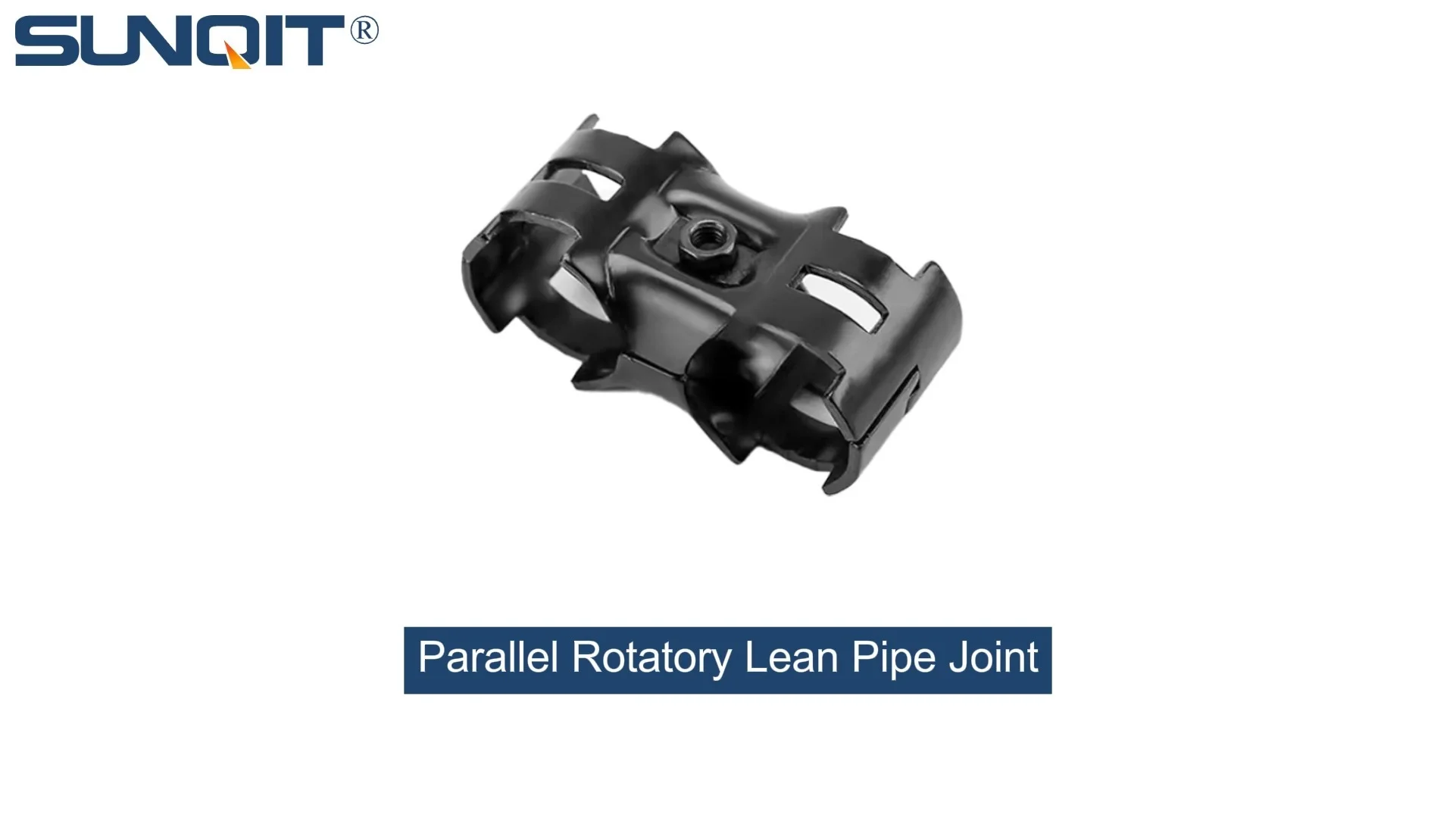
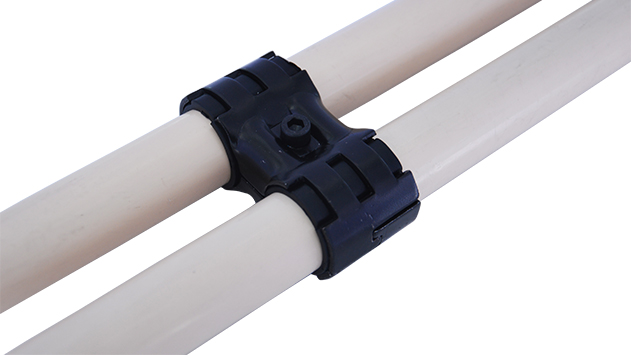
So, what makes parallel rotatory lean pipe joints resistant to corrosion? It's a combination of smart material choices and thoughtful engineering. Let's break it down.
1. Material Matters: Aluminum, Stainless Steel, and Coated Options
The first line of defense against corrosion is the material the joint is made from. Manufacturers typically offer three main options, each with its own anti-corrosion superpowers:
Aluminum Lean Pipe and Joints:
Aluminum is a favorite in many industries for good reason. When exposed to air, it forms a thin, invisible layer of aluminum oxide on its surface. This layer acts like a shield, preventing further oxidation (rust) from taking hold. It's lightweight, making it easy to handle during assembly, and it holds up well in environments with moderate humidity or occasional moisture. For example,
aluminum lean pipe
joints are ideal for electronics or light manufacturing facilities where corrosion risks are low to moderate.
Stainless Steel Pipe Series:
For harsher environments, stainless steel is the go-to. Stainless steel contains chromium, which reacts with oxygen to form a passive chromium oxide layer—even stronger than aluminum's oxide shield. This layer self-heals: if scratched, it reforms quickly, preventing rust from spreading. Stainless steel joints are perfect for food processing plants (where frequent washdowns with sanitizing agents are common), chemical labs, or marine environments with salt air. They're durable, heat-resistant, and built to last in the toughest conditions.
PE-Coated Lean Pipe Joints:
Sometimes, the best approach is to add a protective barrier. PE (polyethylene) coated joints have a thick plastic layer that seals the metal core from moisture, chemicals, and abrasion. The coating is flexible, so it won't crack when the joint rotates, and it's available in different thicknesses (like 1.5mm PE coated lean pipe) for added protection. These joints are great for environments with oils, coolants, or mild acids—think automotive workshops or industrial cleaning facilities.
2. Design Features That Prevent Corrosion
Materials are only part of the story. The way a parallel rotatory joint is designed also plays a big role in its anti-corrosion performance:
Sealed Mechanisms:
Rotatory joints have moving parts—bearings, pins, levers—that are vulnerable to moisture. High-quality joints use rubber gaskets or O-rings to seal these components, keeping water, dust, and chemicals out. Some even feature lubricated bearings with corrosion-resistant grease, ensuring smooth rotation without rust buildup.
Smooth Surfaces:
Corrosion loves crevices. Tiny gaps or rough edges on a joint's surface can trap moisture and debris, creating a breeding ground for rust. Manufacturers combat this by using precision machining to create smooth, uniform surfaces, eliminating hiding spots for corrosion.
Drainage Channels:
In wet environments, joints might get splashed with water or cleaning solutions. Well-designed joints include small drainage channels that allow liquid to run off instead of pooling, reducing the risk of long-term exposure.
|
Material Type
|
Corrosion Resistance Mechanism
|
Best For
|
Pros
|
Cons
|
|
Aluminum Lean Pipe
|
Natural oxide layer (Al₂O₃) prevents rust
|
Electronics, light manufacturing, dry to moderately humid environments
|
Lightweight, cost-effective, easy to assemble
|
Less durable in highly corrosive (e.g., saltwater) environments
|
|
Stainless Steel (304/316 Grade)
|
Chromium oxide passive layer; self-healing if scratched
|
Food processing, chemical labs, marine, high-moisture areas
|
Extremely durable, heat-resistant, low maintenance
|
Heavier, more expensive than aluminum
|
|
PE-Coated Steel
|
Polyethylene coating acts as a physical barrier
|
Automotive workshops, industrial cleaning, environments with oils/chemicals
|
Affordable, resistant to abrasion and chemicals
|
Coating can chip if struck hard; not ideal for high heat
|