- Company Articles
- Products and Technology
- Product knowledge
- Parallel Rotatory Lean Pipe Joints: Custom Colors & Finishes

Parallel Rotatory Lean Pipe Joints: Custom Colors & Finishes
Related Product
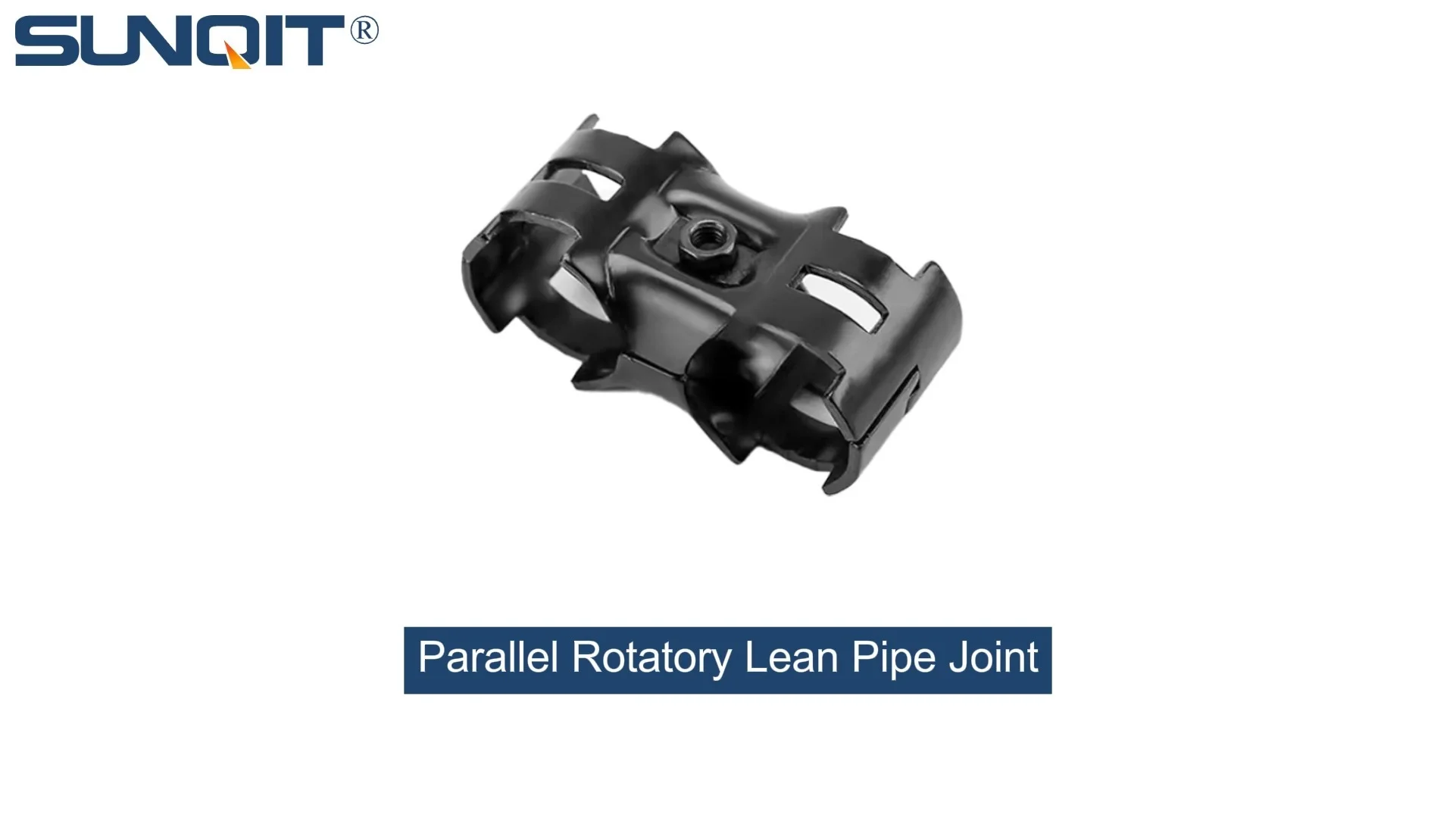
Parallel Rotatory Lean Pipe Joint
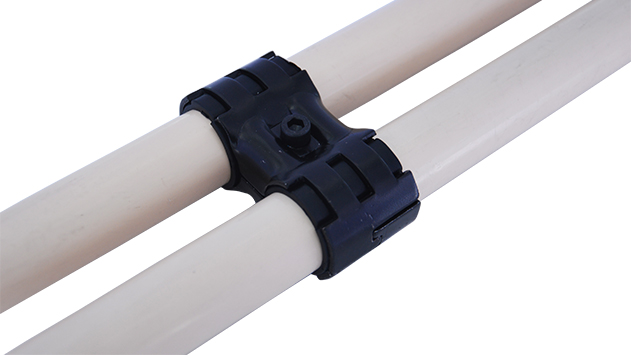
Parallel rotatory lean pipe joint, for 2 pcs pipe conenction in parallel direction with rotatory function.
Lean Manufacturing: Where Every Component Counts
Walk into any modern manufacturing facility, and you'll notice a common theme: efficiency. From the way materials move across the floor to how workers arrange their tools, every detail is designed to reduce waste and keep things flowing smoothly. This is the heart of lean manufacturing—a philosophy that's transformed industries by focusing on value above all else. But lean systems don't just happen by accident. They're built on a foundation of smart, adaptable components, and one of the unsung heroes in this ecosystem is the humble lean pipe joint.
Think about it: A lean system is only as strong as its parts. Whether you're assembling a workbench for assembly line workers, a flow rack for material storage, or a conveyor system to move products between stations, the joints that hold everything together play a critical role. They need to be sturdy enough to handle daily wear, flexible enough to reconfigure when production needs change, and—let's not overlook this—visually cohesive with the rest of your workspace. That's where parallel rotatory lean pipe joints come in, and today, we're diving deep into how their custom colors and finishes can take your lean system from functional to exceptional.
What Are Parallel Rotatory Lean Pipe Joints, Anyway?
Let's start with the basics. A parallel rotatory lean pipe joint is a specialized connector designed to link lean pipes (often aluminum lean pipe or stainless steel) in a way that allows rotation along a parallel axis. Unlike fixed joints that lock pipes into a rigid angle, these joints let you adjust the position of connected pipes with a simple twist—think of them as the "hinges" of your lean system. This rotation isn't just a cool feature; it's a game-changer for flexibility. Need to tilt a shelf on your workbench to better reach tools? Rotate the joint. Want to angle a flow rack to speed up material flow? Adjust the joint. It's this adaptability that makes parallel rotatory joints a favorite among facility managers and production planners.
But what really sets them apart is their design. Most parallel rotatory joints feature a durable outer casing (often made of aluminum or high-strength plastic) and an internal mechanism that allows smooth, controlled rotation without compromising stability. They're engineered to handle the weight of materials, tools, and even fully loaded shelves, so you don't have to worry about wobbling or slippage during use. And because they're compatible with standard lean pipe sizes, they integrate seamlessly with existing systems—no need to overhaul your entire setup to upgrade.
Aluminum Lean Pipe: The Perfect Partner for Rotatory Joints
While parallel rotatory joints work with various pipe materials, aluminum lean pipe has emerged as the top choice for most applications. Why? Let's break it down. Aluminum is lightweight, which makes assembling and reconfiguring your lean system a breeze—no more straining to lift heavy steel pipes. It's also naturally corrosion-resistant, so even in humid or dusty environments (think warehouses or production floors), it won't rust or degrade over time. And unlike steel, aluminum doesn't require painting to stay looking sharp, which ties right into our topic of custom finishes.
Aluminum lean pipe also has a smooth, clean surface that takes finishes beautifully. Whether you opt for anodizing, powder coating, or a custom color, the result is a sleek, professional look that holds up to daily use. Plus, aluminum's strength-to-weight ratio means you get the best of both worlds: a system that's easy to move and reconfigure but tough enough to handle the demands of industrial settings. When paired with parallel rotatory joints, aluminum lean pipe becomes a dynamic duo—flexible, durable, and ready to adapt to whatever your production line throws at it.

Why Custom Colors & Finishes Matter More Than You Think
Okay, so parallel rotatory joints are functional and aluminum lean pipe is durable—but why fuss with custom colors and finishes? Isn't "silver" good enough? Let's challenge that mindset. In a busy workspace, visual cues are everything. Custom colors and finishes don't just make your lean system look nicer; they improve efficiency, safety, and even employee morale. Here's how:
Branding & Team Identity
Your workspace is an extension of your brand. Imagine walking into a facility where every workbench, flow rack, and tool cart features your company's signature blue. It sends a message of professionalism and attention to detail—not just to clients who might tour the space, but to your team, too. When employees work in an environment that feels intentional and on-brand, it fosters a sense of pride and belonging. Custom colors turn a generic lean system into a company-specific asset.
Safety & Organization
Color-coding is a tried-and-true method for reducing errors and improving safety. Let's say you run a manufacturing plant with multiple production lines: red for hazardous materials, green for finished products, and yellow for tools. By using parallel rotatory joints in these colors, you instantly create a visual map of your workspace. A worker reaching for a tool knows to look for the yellow joint; someone moving materials knows to avoid the red zones. It's a simple tweak that reduces confusion and minimizes accidents.
Aesthetics & Morale
Let's be honest: No one wants to work in a drab, gray environment. Studies have shown that color can impact mood and productivity—bright, warm tones can boost energy, while cool tones can promote focus. Custom finishes let you tailor your workspace to your team's needs. Maybe your assembly line workers thrive with pops of orange on their workbench joints, or your quality control area benefits from calming blue flow rack joints. Either way, a little color goes a long way in making the workspace feel less like a "factory" and more like a place where people want to do their best work.

From Workbenches to Flow Racks: Real-World Applications
To really understand the value of custom-colored parallel rotatory lean pipe joints, let's look at how they're used in everyday lean systems. Take the workbench, for example. A typical assembly workbench might have shelves for tools, a surface for assembling products, and bins for small parts. With parallel rotatory joints, you can angle the tool shelves toward the worker, reducing strain on their neck and shoulders. Now, add custom colors: make the joint connecting the tool shelf yellow (to signal "tools here") and the joint for the parts bin green (for "materials here"). Instantly, the worker can visually separate zones, speeding up their workflow.
Flow racks are another great example. These racks use gravity (or gentle inclines) to move materials from the back to the front, ensuring first-in, first-out (FIFO) inventory management. By using parallel rotatory joints, you can adjust the angle of the rack to control how fast materials flow—steeper for lightweight items, shallower for heavier ones. Custom colors here can indicate material types: blue for electronics components, red for mechanical parts, gray for packaging materials. When a picker needs to grab a part, they don't waste time scanning the entire rack—they head straight for the color-coded section.
Even conveyor systems benefit. Many conveyor setups use lean pipes and joints to create guides or side rails that keep products centered. Parallel rotatory joints let you adjust these rails to fit different product sizes (say, switching from small boxes to larger packages). Adding a custom finish, like a high-visibility orange, ensures the rails stand out, reducing the risk of products slipping off the conveyor.
Choosing the Right Finish: Anodized vs. Powder-Coated vs. Painted
Now that you're sold on custom colors, the next step is picking the right finish. Not all finishes are created equal, and the one you choose depends on your environment, budget, and aesthetic goals. Let's compare the three most popular options:
| Finish Type | Process | Pros | Cons | Best For |
|---|---|---|---|---|
| Anodized | Electrochemical process that forms a protective oxide layer on aluminum. | Durable, scratch-resistant, fade-resistant, no chipping. | Limited color options (mostly metallic tones), higher cost. | Cleanrooms, medical facilities, or areas with high wear. |
| Powder-Coated | Dry powder applied electrostatically, then cured under heat to form a hard finish. | Wide color range (including custom matches), durable, weather-resistant. | Thicker finish may add slight bulk, can chip if struck hard. | Warehouses, manufacturing floors, branding-focused spaces. |
| Painted | Liquid paint applied via spray or brush, then air-dried. | Lowest cost, infinite color options, easy touch-ups. | Less durable than anodized/powder-coated, prone to chipping/fading. | Temporary setups, low-wear environments, or tight budgets. |
For most industrial applications, powder coating is the sweet spot. It offers the best balance of color variety, durability, and cost. Plus, powder-coated finishes can be matched to specific Pantone or RAL color codes, so you can get an exact match for your brand colors. Anodizing is ideal if you need a sleek, metallic look and maximum durability (think aerospace or automotive facilities), while painted finishes work well for temporary setups or when you need a quick, budget-friendly refresh.
Why Partner with a Reliable Lean Pipe Supplier?
Here's the truth: Not all parallel rotatory lean pipe joints are created equal, and the same goes for custom finishes. To get the best results, you need to work with a lean pipe supplier who specializes in both quality components and customization. A good supplier will start by understanding your needs: What's the joint's purpose? What environment will it be in? Do you need a specific color match? From there, they'll recommend the right materials (aluminum lean pipe is usually the go-to) and finish type, and even provide samples so you can see the color and texture in person before placing a large order.
Reliable suppliers also prioritize consistency. Imagine ordering 100 parallel rotatory joints in your brand's signature green, only to find half are slightly darker and half are lighter. That's a branding disaster. A reputable supplier uses precise color-matching technology and quality control processes to ensure every joint comes out exactly as specified. They also stand behind their products—if a joint fails prematurely or the finish chips, they'll replace it without hassle.
And let's not forget expertise. A good lean pipe supplier doesn't just sell parts—they help you design better systems. They can advise on the best joint placement for maximum flexibility, recommend complementary components (like caster wheels for mobile workbenches or roller tracks for flow racks), and even assist with installation tips. This level of support turns a simple purchase into a partnership that helps your lean system perform at its best.
Wrapping Up: More Than Just Joints—Building a Leaner, Brighter Future
Parallel rotatory lean pipe joints might seem like small components, but their impact on your lean system is huge. They're the reason your workbench can adapt to new tools, your flow rack can keep up with changing demand, and your entire workspace can feel organized and intentional. Add custom colors and finishes into the mix, and you're not just building a functional system—you're creating a workspace that reflects your brand, enhances safety, and boosts morale.
So, the next time you're planning a lean system upgrade, don't overlook the joints. Invest in parallel rotatory lean pipe joints made with aluminum lean pipe, choose a finish that aligns with your goals, and partner with a supplier who understands your vision. Your team will thank you for the flexibility, your clients will notice the attention to detail, and your bottom line will benefit from the improved efficiency. After all, in lean manufacturing, it's the small, thoughtful choices that add up to big results.
Here's to building lean systems that work with you—one custom-colored joint at a time.