- Company Articles
- Products and Technology
- Product knowledge
- Parallel Rotatory Lean Pipe Joints: Environmental Impact & Eco-Friendliness

Parallel Rotatory Lean Pipe Joints: Environmental Impact & Eco-Friendliness
Related Product
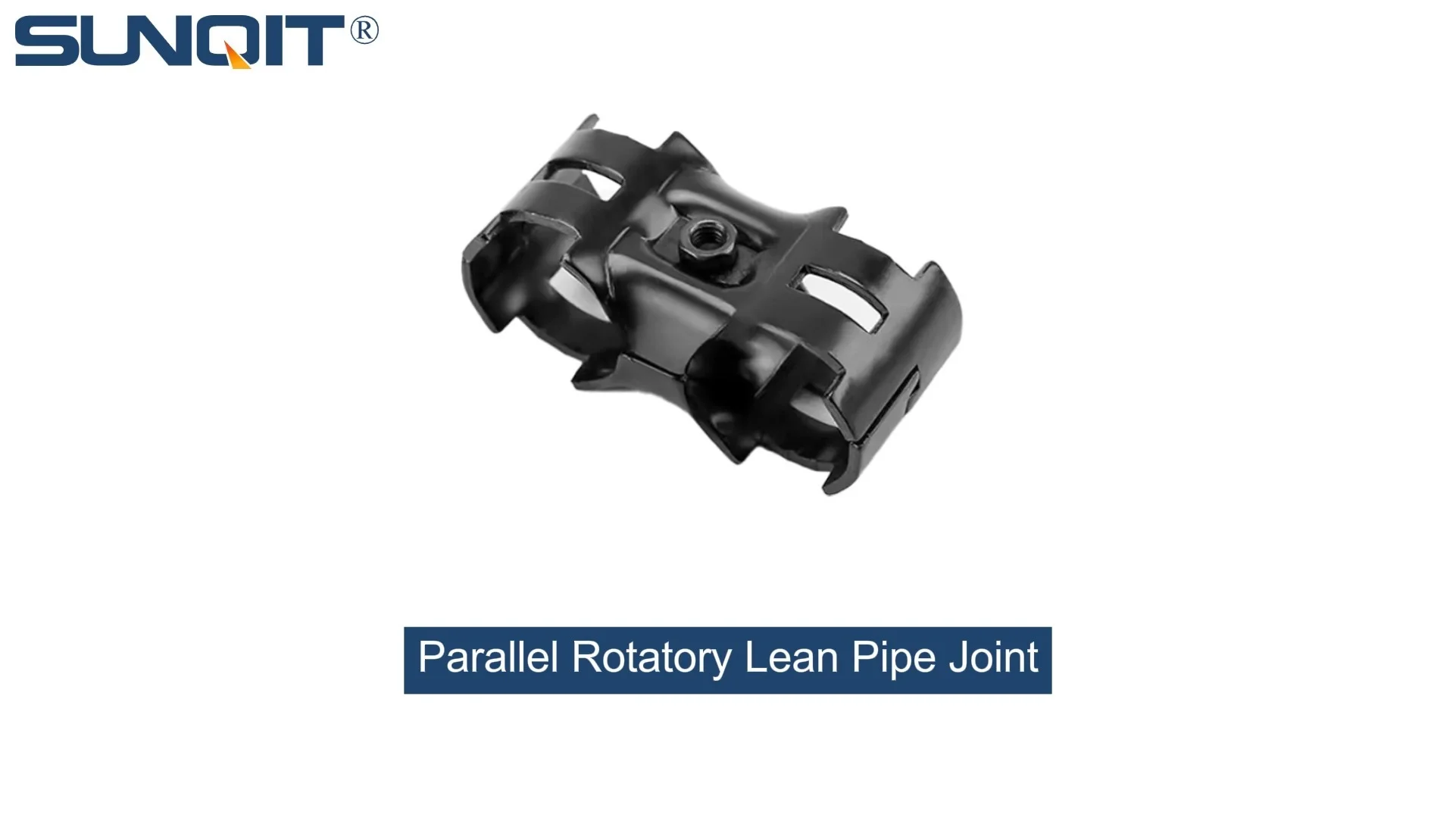
Parallel Rotatory Lean Pipe Joint
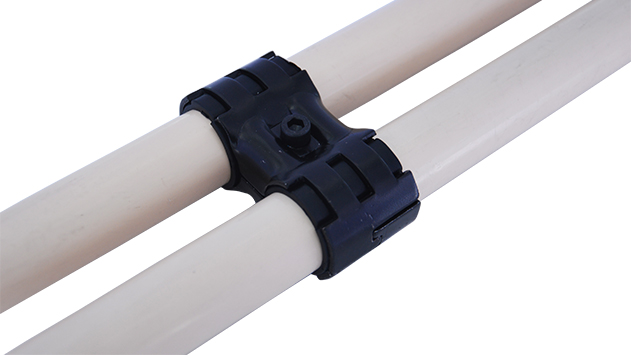
Parallel rotatory lean pipe joint, for 2 pcs pipe conenction in parallel direction with rotatory function.
Walk into any forward-thinking manufacturing plant, warehouse, or assembly facility today, and you'll notice a shift in the air—literally and figuratively. The clunky, one-size-fits-all workbenches of yesteryear are giving way to sleek, modular setups that adapt as quickly as production needs change. Flow racks glide with precision, material trolleys maneuver effortlessly, and workstations adjust to fit human ergonomics rather than the other way around. At the heart of this transformation lies a component so unassuming it might escape notice at first glance: the parallel rotatory lean pipe joint. Small in size but massive in impact, this little connector isn't just revolutionizing efficiency—it's quietly leading the charge toward a more sustainable industrial future.
But what makes a joint —a simple piece of hardware—worthy of a conversation about environmental responsibility? To answer that, we need to zoom out. The modern industrial world is waking up to a critical truth: sustainability isn't a buzzword; it's a survival strategy. Businesses are under pressure to reduce their carbon footprints, minimize waste, and meet ever-tightening eco regulations. And here's the thing: sustainability and efficiency aren't enemies. In fact, they're often the same side of the coin—especially when it comes to lean systems . Lean manufacturing, with its focus on eliminating waste (muda) and streamlining processes, aligns perfectly with green goals. And the parallel rotatory lean pipe joint? It's a prime example of how lean principles and environmental stewardship can work hand in hand.
What Are Parallel Rotatory Lean Pipe Joints, Anyway?
Let's start with the basics. Lean pipe systems—often built with aluminum lean pipe or similar materials—are the backbone of modular industrial setups. Think of them as the "Lego blocks" of manufacturing: pipes, joints, and accessories that snap together to create everything from workbenches and flow racks to material handling trolleys. The magic is in their flexibility: need a taller workbench? Add a pipe. Need to reconfigure a flow rack for a new product line? Disassemble and rebuild. No welding, no custom fabrication, no waste.
Enter the parallel rotatory lean pipe joint. Unlike fixed joints that lock pipes at rigid angles, this joint allows for rotation along a parallel axis. Picture this: a workbench shelf that can tilt to adjust for better access, or a flow rack section that swivels to align with a new conveyor path—all without tools, all in minutes. This rotational flexibility turns static structures into dynamic, adaptable systems. But here's where the environmental angle kicks in: adaptability means longevity . A joint that lets you repurpose a workbench instead of replacing it? That's waste reduction in action. A component that extends the life of an entire system by years? That's sustainability by design.
Aluminum Lean Pipe: The Green Foundation
To truly understand the eco-impact of parallel rotatory joints, we need to talk about the material they're often paired with: aluminum. Aluminum lean pipe isn't just chosen for its light weight or strength (though those are big perks). It's chosen for its sustainability . Let's break it down:
- Near-perfect recyclability: Aluminum is one of the most recyclable materials on the planet. When an aluminum lean pipe or joint reaches the end of its life, it can be melted down and reused to make new components with no loss in quality . Best of all, recycling aluminum uses just 5% of the energy required to produce new aluminum from raw ore. That's a 95% energy savings—an astronomical number when you scale it across an entire supply chain.
- Durability that reduces waste: Aluminum is naturally resistant to corrosion, rust, and wear. Unlike steel, it doesn't need heavy coatings to survive industrial environments, and unlike plastic, it won't crack or degrade under heavy use. This durability means aluminum lean pipe systems (and their joints) last longer—often 15–20 years or more. Fewer replacements mean less material waste, fewer shipments, and lower carbon emissions over time.
- Lightweight = lower transportation emissions: Aluminum is about one-third the weight of steel. That might not sound like a big deal until you consider shipping. A truckload of aluminum lean pipe components carries far more product than a truckload of steel equivalents, reducing the number of trips needed. Fewer trucks on the road mean fewer greenhouse gas emissions—another win for the planet.
When you pair this eco-friendly material with a parallel rotatory joint's adaptability, you get a system that's not just efficient for production, but efficient for the planet, too.
The Environmental Lifespan: From Factory to Future
Sustainability isn't just about what a product is made of—it's about what happens to it over time . Let's walk through the lifecycle of a parallel rotatory lean pipe joint, from manufacturing to end-of-life, and see how it stacks up environmentally.
1. Manufacturing: Less Energy, Less Waste
Producing aluminum lean pipe joints starts with recycled aluminum (in most responsible facilities, at least). As we mentioned, recycling aluminum uses 95% less energy than mining and refining bauxite ore. But the eco-benefits don't stop there. Modern manufacturing processes for these joints—think precision casting or extrusion—generate minimal waste. Scrap aluminum from production is simply recycled back into the process, creating a closed loop. Compare that to plastic joints, which often rely on fossil fuels for production and generate non-recyclable waste during molding. Or steel joints, which require energy-intensive mining and smelting, even with recycling.
2. In Use: Adaptability = Less Waste
Here's where the parallel rotatory joint truly shines. Let's say a factory buys a lean pipe workbench with these joints. Six months later, they launch a new product line, and the workbench needs to be taller, wider, and angled to fit new tools. With fixed joints, they'd likely have to buy a whole new workbench—scrapping the old one, wasting materials, and creating emissions from manufacturing and shipping the replacement. But with parallel rotatory joints? They loosen a few bolts, rotate the pipes, add a few extra aluminum sections, and the workbench is good as new. No waste, no extra cost, no environmental guilt.
This adaptability also reduces "overbuilding." In traditional setups, facilities often over-engineer structures to "future-proof" them, using more material than necessary. With modular, rotatory-joint systems, you build only what you need now , knowing you can adjust later. Less material upfront = less resource extraction and lower emissions.
3. End-of-Life: Closing the Loop
Even the most durable components eventually reach the end of their useful life. But for aluminum lean pipe joints, "end of life" isn't the end of the story. When a joint is no longer functional (after decades of use), it's collected, melted down, and turned into new aluminum products—maybe another joint, a bike frame, or a soda can. There's no toxic runoff, no landfill pileup, just a material that gets a second, third, or fourth life. Contrast that with plastic joints, which often end up in landfills or oceans, leaching chemicals for centuries. Or steel joints, which, while recyclable, require more energy to process and often degrade to the point where their recycled value is minimal.

How Do They Compare? A Side-by-Side Look
Numbers tell a clearer story. Let's compare the environmental impact of parallel rotatory aluminum lean pipe joints with two common alternatives: traditional steel joints and plastic joints. The table below breaks down key metrics that matter for sustainability.
| Environmental Metric | Parallel Rotatory Aluminum Lean Pipe Joint | Traditional Steel Joint | Plastic (PVC/ABS) Joint |
|---|---|---|---|
| Recyclability Rate | 95%+ (infinite recyclability without quality loss) | 85% (recyclable but with quality degradation over time) | 5% or less (most plastic joints are not recyclable) |
| Carbon Footprint (Production) | Low (5% of energy vs. primary aluminum production) | High (mining, smelting, and coating require heavy energy use) | Moderate (fossil fuel-based, but lower than steel) |
| Average Lifespan | 15–20 years (corrosion-resistant, wear-resistant) | 10–15 years (prone to rust without coatings) | 5–8 years (brittle, degrades under UV/heat) |
| End-of-Life Disposal | Recycled into new aluminum products | Recycled (often downcycled into lower-grade steel) | Landfilled or incinerated (releases toxins when burned) |
| Waste from Reconfiguration | Minimal (modular design allows reuse) | High (fixed joints require full replacement) | High (brittle; often cracks during disassembly) |
The takeaway? Aluminum lean pipe joints, especially when paired with rotatory functionality, outperform traditional alternatives across nearly every environmental metric. They're not just better for the planet—they're better for business, too, by reducing long-term costs and waste.

Real-World Impact: When Lean Meets Green
It's one thing to talk about sustainability in theory; it's another to see it in action. Let's look at a hypothetical (but realistic) example of how parallel rotatory lean pipe joints are making a difference on the factory floor.
Consider a mid-sized electronics manufacturer producing circuit boards. A few years ago, their assembly line relied on fixed steel workbenches and flow racks. When product lines changed (which they did quarterly), the old setups were disassembled and scrapped, sending tons of steel and plastic to landfills. The company was spending $50,000 annually on new equipment and generating 20 tons of waste—all while missing sustainability targets set by corporate leadership.
Then, they switched to a lean system built with aluminum lean pipe and parallel rotatory joints. Today, when a new product line launches, workers reconfigure existing workbenches in hours, not days. Old flow racks are repurposed as material trolleys. The result? Waste dropped by 75%, equipment costs fell by 40%, and the company now exceeds its annual carbon reduction goals. "We didn't just get more efficient—we got responsible ," said the plant manager in a recent interview. "The joints are small, but they're the reason we can adapt without throwing everything away."
Stories like this are becoming increasingly common. From automotive plants to food processing facilities, businesses are realizing that the flexibility of parallel rotatory lean pipe joints isn't just a productivity hack—it's a sustainability game-changer.
The Road Ahead: Innovations in Sustainable Lean Components
The future of industrial sustainability is bright, and parallel rotatory lean pipe joints are just the beginning. Manufacturers are already experimenting with even more eco-friendly materials, like aluminum alloys blended with recycled plastic waste (yes, you read that right—turning plastic trash into strong, lightweight joint components). There's also a push for "circular supply chains," where suppliers take back old joints, recycle them, and provide credits for new ones—closing the loop even tighter.
Smart technology is joining the mix, too. Imagine a parallel rotatory joint with a small sensor that tracks wear and tear, alerting maintenance teams before it fails. This "predictive maintenance" would extend lifespans even further, reducing the need for replacements. Or joints designed with 3D-printed components, which use less material and energy than traditional manufacturing.
But perhaps the most exciting innovation is the mindset shift. For decades, industrial design prioritized durability and cost over sustainability. Now, thanks to components like the parallel rotatory lean pipe joint, we're proving that you can have all three: durability, affordability, and a planet-friendly footprint.
Why It Matters: Small Parts, Big Change
At the end of the day, the parallel rotatory lean pipe joint is a reminder that sustainability isn't about grand gestures—it's about the small, everyday choices. It's about choosing a joint that can rotate instead of one that's fixed. It's about picking aluminum over steel or plastic. It's about designing systems that adapt instead of replacing them outright.
These choices add up. A single factory switching to aluminum lean pipe systems with rotatory joints can reduce waste by tens of tons per year. Multiply that across thousands of facilities worldwide, and we're talking about a measurable impact on carbon emissions, landfill use, and resource depletion. And let's not forget the human element: workers in these facilities breathe cleaner air (thanks to less waste incineration), enjoy more ergonomic workspaces (thanks to adjustable setups), and take pride in contributing to a greener planet.
So the next time you walk through a manufacturing plant, take a closer look at those modular workbenches and flow racks. The parallel rotatory lean pipe joint might be small, but it's a symbol of something big: a future where industry and the environment don't just coexist—they thrive together.
In a world where every decision counts, the parallel rotatory lean pipe joint proves that even the smallest components can lead to the biggest changes. It's not just a part—it's a promise: to build smarter, waste less, and leave the planet better than we found it. And that's a joint worth investing in.