- Company Articles
- Products and Technology
- Product knowledge
- Parallel Rotatory Lean Pipe Joints for Emergency Production Line Adjustments

Parallel Rotatory Lean Pipe Joints for Emergency Production Line Adjustments
Related Product
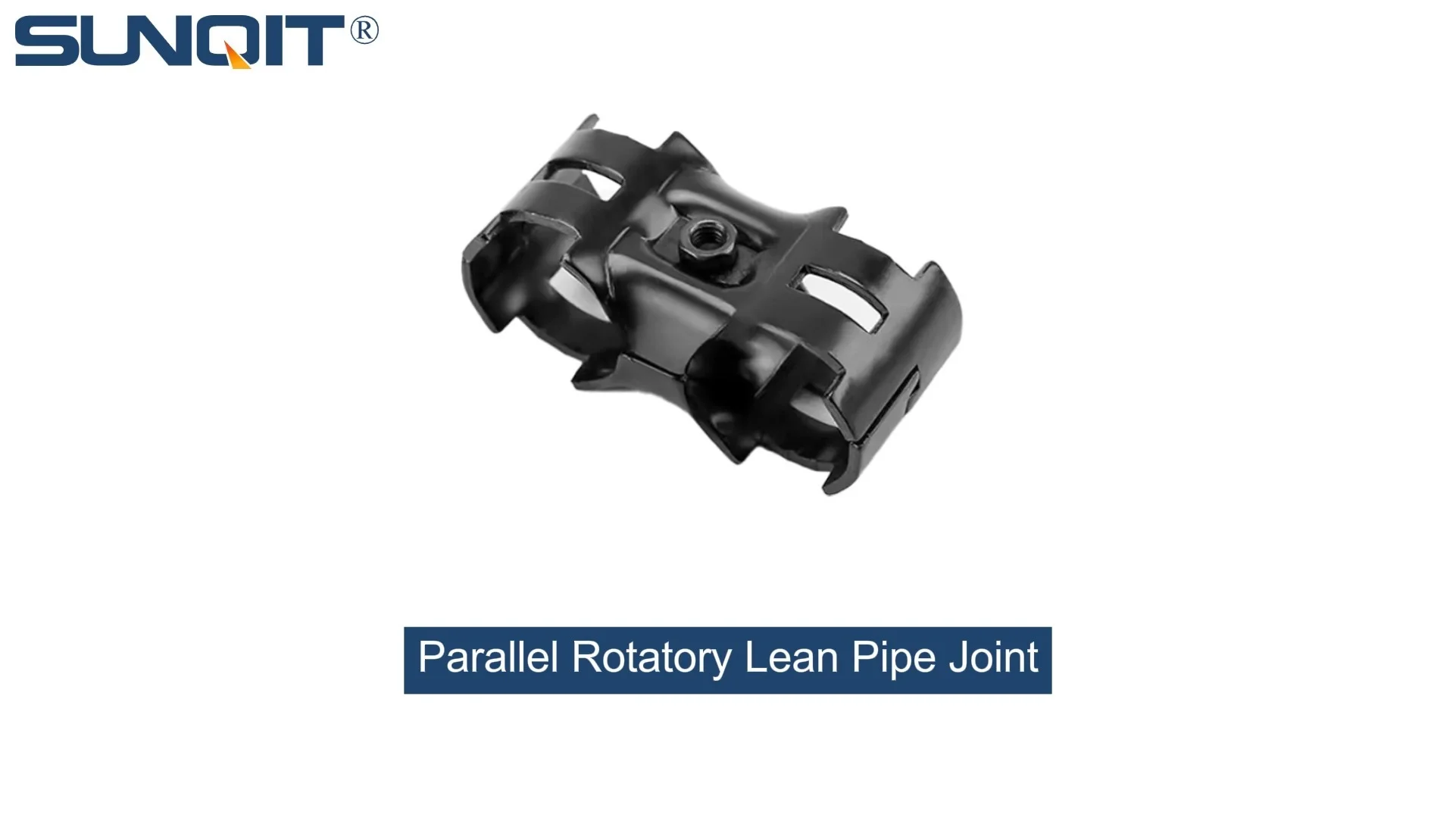
Parallel Rotatory Lean Pipe Joint
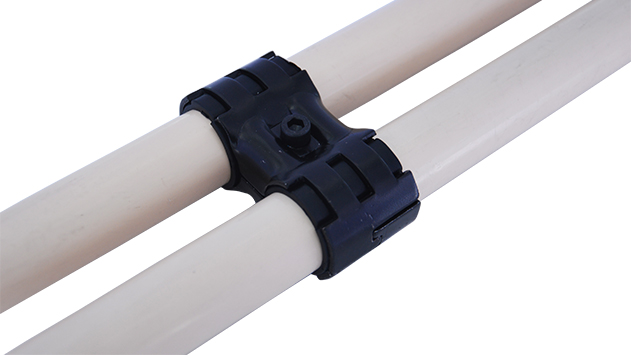
Parallel rotatory lean pipe joint, for 2 pcs pipe conenction in parallel direction with rotatory function.
Picture this: It's a Tuesday morning at your manufacturing facility, and the production floor is humming along as usual. Your team is midway through assembling components for a major client when the phone rings. The client needs a last-minute design tweak—nothing drastic, but enough to require reconfiguring two workstations and rerouting the material flow path. To make matters tighter, they've moved up the delivery deadline by three days. Panic starts to creep in: How do you adjust the line quickly without halting production entirely? This is where the unsung hero of flexible manufacturing steps in: the parallel rotatory lean pipe joint.
The Hidden Cost of Rigid Production Lines
For years, many production facilities relied on fixed, bolted-down structures—heavy steel workbenches, immovable conveyor systems, and permanent material racks. These setups work well for static, high-volume production, but they crumble when faced with the unexpected. A sudden order surge, a equipment malfunction, or a design change can turn a smooth workflow into a logistical nightmare. The cost of downtime adds up fast: lost labor hours, missed deadlines, and frustrated teams scrambling to MacGyver solutions with tools and materials that weren't meant for quick adjustments.
This is where lean manufacturing principles shine, emphasizing adaptability and waste reduction. At the heart of this adaptability are modular components like lean pipes, aluminum profiles, and—most critically—joints that allow for rapid reconfiguration. Among these, parallel rotatory lean pipe joints stand out for their unique ability to pivot, adjust, and lock into place with minimal effort, making them indispensable for emergency line changes.
What Are Parallel Rotatory Lean Pipe Joints, Anyway?
Let's break it down. A standard lean pipe joint connects two or more lean pipes (hollow tubes, often made of steel or aluminum) at fixed angles—think 90 degrees or 45 degrees. Once tightened, they stay put, which is great for stability but terrible for flexibility. Parallel rotatory lean pipe joints, on the other hand, are engineered with a rotating mechanism that lets connected pipes swivel along a horizontal axis while remaining parallel to each other. Imagine two pipes running side by side; with a parallel rotatory joint, you can adjust their distance apart, tilt them slightly, or even reposition an entire section of a workbench without disassembling the whole structure.
These joints are typically made from durable materials like die-cast aluminum or reinforced plastic, with internal bearings or friction-based mechanisms that allow smooth rotation. Most models feature a locking lever or set screw that, when tightened, holds the joint firmly in place—ensuring stability during production but releasing quickly when adjustments are needed. They're compatible with standard lean pipes (often 28mm in diameter) and work seamlessly with other components like caster wheels, roller tracks, and aluminum profile accessories.
Why They're a Game-Changer for Emergency Adjustments
Emergency production line adjustments demand three things: speed, simplicity, and reliability. Parallel rotatory lean pipe joints deliver on all three, and here's how:
1. No Special Tools, No Problem
In a crisis, the last thing you need is to hunt down a specific wrench or power tool. Most parallel rotatory joints can be adjusted by hand—just loosen a lever, pivot the pipe to the desired position, and retighten. This means even line operators, not just maintenance teams, can make on-the-fly changes. Compare that to traditional bolted joints, which often require Allen keys, ratchets, or even welding equipment to modify. When every minute counts, this difference is critical.
2. Minimal Downtime, Maximum Productivity
Let's say a conveyor belt jams, and you need to reroute materials to a backup lean pipe workbench. With fixed joints, you'd have to disassemble the entire section, move the pipes, and reassemble—taking an hour or more. With parallel rotatory joints? Loosen the joints connecting the roller track to the workbench, swing the track into alignment with the backup station, lock the joints, and you're back up in 10 minutes. That's a 83% reduction in downtime for a single adjustment. Multiply that across a shift, and the productivity gains are staggering.
3. Compatibility with Existing Systems
You don't need to overhaul your entire production line to benefit from these joints. They work with existing lean pipes, aluminum profiles, and accessories like caster wheels and roller tracks. For example, if you have a mobile turnover trolley with caster wheels, adding parallel rotatory joints to its frame lets you adjust the height of the handlebar or the angle of the material rack to better align with different workstations. It's a low-cost upgrade that unlocks new levels of flexibility.
4. Reusability and Long-Term Value
Unlike custom-built steel structures that end up in the scrapyard when production needs change, parallel rotatory joints are designed to be reused. A joint that helps reconfigure a smartphone assembly line today can be repurposed next month to build a new lean pipe workbench for automotive parts. This reusability reduces waste and lowers long-term equipment costs—a win for both your budget and sustainability goals.
Real-World Example: The Medical Device Crisis
A mid-sized medical device manufacturer faced a crisis when a key supplier delayed a shipment of specialized trays. Their production line relied on these trays to move components from the lean pipe workbench to the testing station via a roller track. Without the trays, parts were piling up, and deadlines for hospital orders loomed. Using parallel rotatory lean pipe joints, the team quickly adjusted the angle of the roller track (tilting it slightly downward) and repositioned a caster wheel-equipped turnover trolley at the end to catch the components. The joints allowed them to lock the new angle securely, ensuring parts glided smoothly into the trolley without the trays. What could have been a 4-hour shutdown turned into a 20-minute adjustment, and the line stayed on track to meet the deadline.

A Closer Look: How Parallel Rotatory Joints Compare to Other Options
To truly appreciate their value, let's compare parallel rotatory lean pipe joints to other common joint types used in production lines:
| Joint Type | Adjustment Time | Tools Required | Flexibility (Angle Range) | Best For |
|---|---|---|---|---|
| Fixed 90° Joints | 60-90 minutes (disassemble/reassemble) | Allen key, wrench | 0° (fixed) | Permanent, high-stability structures |
| Swivel Ball Joints | 15-20 minutes | Adjustable wrench | 360° (full rotation) | Light-duty applications (e.g., tool holders) |
| Parallel Rotatory Joints | 5-10 minutes | Hand-tightened (no tools) | 0-180° (parallel alignment) | Emergency line adjustments, roller tracks, workbenches |
| Welded Joints | 2+ hours (cut, re-weld, grind) | Welder, grinder, safety gear | 0° (permanent) | Heavy-load, never-changing structures |
As the table shows, parallel rotatory joints strike the perfect balance between speed, ease of use, and stability—making them the clear choice for emergency situations where time and reliability are non-negotiable.

Technical Deep Dive: Materials, Load Capacity, and Maintenance
Not all parallel rotatory lean pipe joints are created equal. To ensure they hold up in high-pressure environments, pay attention to these key factors:
Materials Matter
Most joints are made from either aluminum or reinforced nylon. Aluminum joints are lighter, corrosion-resistant, and ideal for cleanrooms or food processing lines. Nylon joints are more affordable and offer excellent impact resistance, making them great for high-traffic areas where bumps and knocks are common. For heavy-duty applications (e.g., moving steel components), look for joints with steel internal gears and locking mechanisms.
Load Capacity: Know Your Limits
A typical parallel rotatory joint can handle loads between 50-150kg, depending on size and material. Always check the manufacturer's specs before mounting heavy equipment like roller tracks with steel wheels or fully loaded material racks. Overloading a joint can cause it to slip, leading to jams or even safety hazards. When in doubt, opt for a higher-capacity joint—better safe than sorry during an emergency.
Maintenance: Keep Them Rotating Smoothly
These joints are low-maintenance, but a little care goes a long way. Every month, wipe down the rotating parts with a dry cloth to remove dust and debris. If you notice stiffness, apply a drop of lubricating oil to the pivot points—avoid heavy greases, which can attract dirt. For nylon joints, avoid exposure to harsh chemicals, as they can degrade the plastic over time. With proper care, a good parallel rotatory joint can last 5+ years in a busy production environment.
Step-by-Step: How to Use Parallel Rotatory Joints for an Emergency Line Adjustment
Let's walk through a hypothetical but common scenario: Your team needs to adjust a lean pipe workbench to accommodate a taller operator, while also rerouting a roller track to feed materials directly to their station. Here's how parallel rotatory joints make it happen:
Emergency Adjustment: Raising a Workbench & Rerouting Roller Track
- Assess the Situation: The operator needs 15cm more height, and the roller track (currently 30cm from the workbench) needs to be 10cm closer to reduce reaching.
- Gather Tools (If Needed): Most joints only require hand-tightening, but keep a rubber mallet handy to tap pipes into alignment if they're stuck.
- Adjust the Workbench Height: Locate the parallel rotatory joints at the base of the workbench legs (connected to the caster wheels). Loosen the locking levers, lift the workbench to the desired height, and retighten the levers. The joints will hold the new position securely.
- Reroute the Roller Track: The track is connected to the main line via two parallel rotatory joints. Loosen both, swing the track toward the workbench until it's 10cm away, and lock the joints. Check that the track is level—if not, one joint slightly higher than the other to create a gentle slope for material flow.
- Test & Secure: Run a test component down the roller track to ensure it glides smoothly onto the workbench. Tighten any loose joints one final time, and you're done!
Total time: ~12 minutes. No disassembly, no extra parts, just quick adjustments—thanks to the parallel rotatory joints.
Beyond Emergencies: The Long-Term Benefits of Flexibility
While parallel rotatory lean pipe joints are stars in crisis mode, their value extends far beyond emergencies. In today's manufacturing landscape, where customization and small-batch production are the norm, flexibility is a competitive advantage. These joints let you:
-
Adapt to Seasonal Demand:
Expand or shrink workstations during peak seasons without buying new equipment.
-
Train New Employees:
Adjust workbench heights and roller track angles to fit different operators' needs, reducing fatigue and improving ergonomics.
-
Prototype New Lines:
Test different workflow configurations quickly and cheaply before investing in permanent structures.
-
Support Continuous Improvement:
Empower teams to suggest and implement layout tweaks on the spot, fostering a culture of innovation.
Choosing the Right Supplier: What to Look For
Not all parallel rotatory lean pipe joints are created equal, so choosing a reliable supplier is key. Look for suppliers who offer:
- Same-Day Shipping: In an emergency, waiting a week for parts isn't an option. Suppliers with local warehouses can deliver joints (and accessories like caster wheels or roller track connectors) overnight.
- Technical Support: A good supplier will have engineers on call to help you select the right joint for your load and application—critical if you're unsure about specs.
- Warranty: Look for at least a 1-year warranty. This shows the manufacturer stands behind their product's durability.
- Sample Kits: If you're new to parallel rotatory joints, ask for a sample kit with a few joints, lean pipes, and a small roller track section. Test them in your facility before placing a bulk order.
Final Thoughts: The Power of "Good Enough" Adjustments
In manufacturing, perfection is the enemy of progress—especially during emergencies. Parallel rotatory lean pipe joints don't promise flawless, custom-engineered solutions. What they deliver is "good enough" adjustments, fast enough to keep the line moving, flexible enough to adapt to change, and reliable enough to trust when the pressure is on. They're the difference between panicking and problem-solving, between missed deadlines and delighted clients.
So the next time your production line hits an unexpected bump, remember: the solution might be as simple as a joint that rotates, adjusts, and locks into place. Parallel rotatory lean pipe joints aren't just components—they're tools that turn chaos into control, and emergencies into opportunities to prove your team's resilience.