- Company Articles
- Products and Technology
- Product knowledge
- Parallel Rotatory Lean Pipe Joints for High-Temperature Environments

Parallel Rotatory Lean Pipe Joints for High-Temperature Environments
Related Product
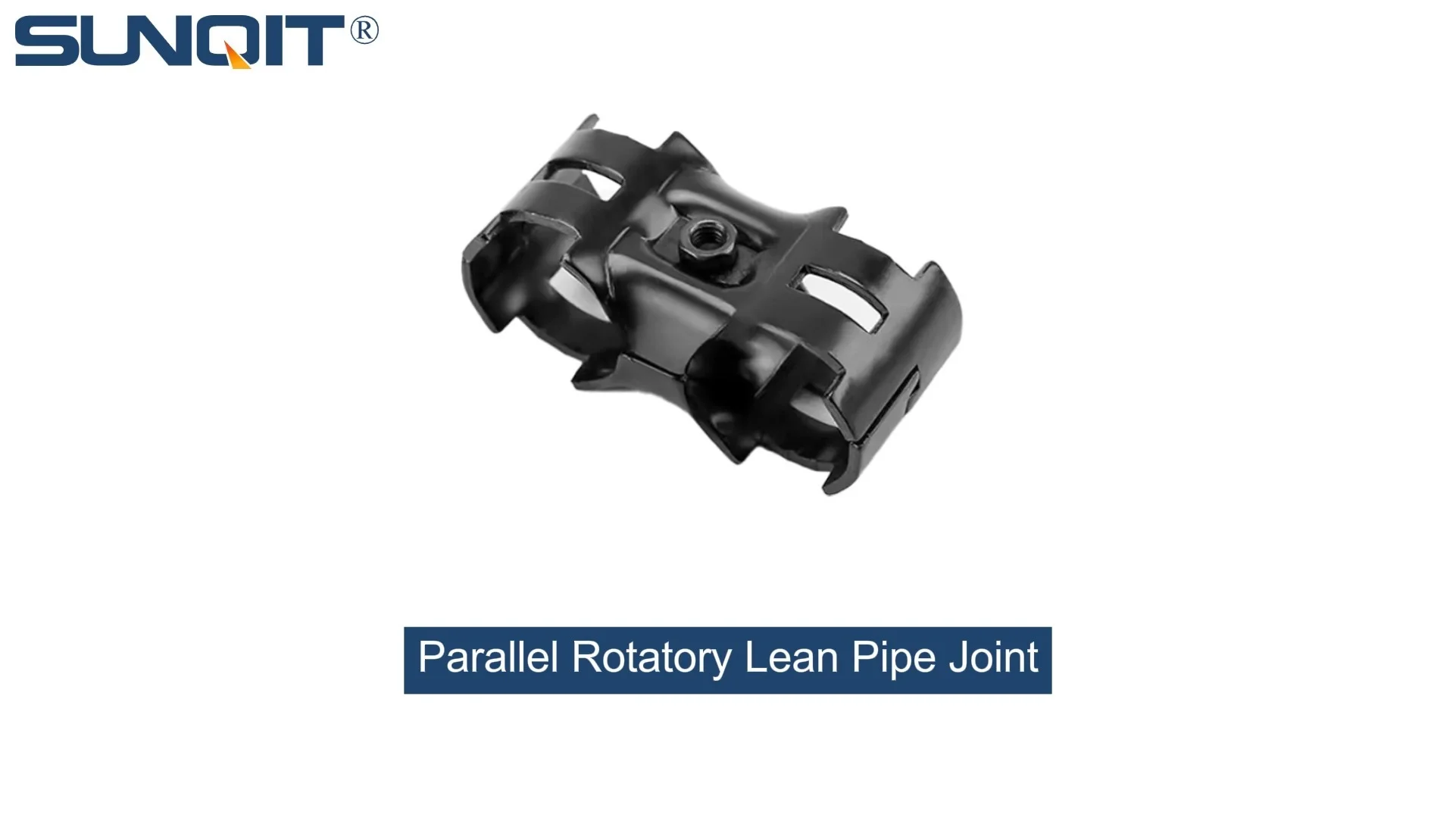
Parallel Rotatory Lean Pipe Joint
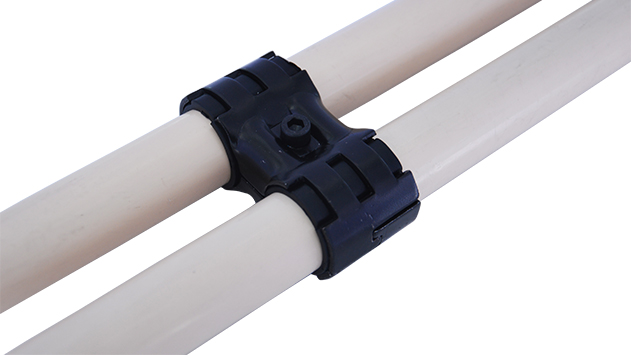
Parallel rotatory lean pipe joint, for 2 pcs pipe conenction in parallel direction with rotatory function.
The Hidden Cost of Overlooked Components in Hot Workspaces
Walk into any manufacturing plant, and your eyes are drawn to the big players: the roaring assembly lines, the precision robots, the towering storage racks. But if you ask a floor manager what keeps them up at night, it's rarely the headline machinery. More often, it's the small stuff—the joints, brackets, and connectors that hold everything together. In high-temperature environments, this "small stuff" becomes a make-or-break factor. I once worked with a food processing facility where a single failed pipe joint in their packaging line caused a 4-hour shutdown. The culprit? A standard plastic joint that warped under the constant 120°F heat of their oven-adjacent workspace. By the time they replaced it, they'd lost over $15,000 in production. That's when I realized: in manufacturing, the strength of your system lies in its weakest link—and in hot environments, that link is often the humble pipe joint.
This is where parallel rotatory lean pipe joints step into the spotlight. Designed to withstand extreme temperatures while maintaining flexibility, these unassuming components are the backbone of lean pipe systems in industries ranging from automotive to aerospace, where heat is part of the daily grind. Let's dive into why these joints matter, how they work, and why they're becoming a non-negotiable for manufacturers serious about efficiency in high-heat settings.
What Are Parallel Rotatory Lean Pipe Joints, Anyway?
First, let's break down the name. "Lean pipe systems" are modular setups used to build workbenches, material racks, conveyor lines, and more—all designed to streamline workflows, reduce waste, and adapt to changing production needs. They're the Swiss Army knives of manufacturing: versatile, cost-effective, and easy to reconfigure. At the heart of these systems are the joints that connect the pipes (often aluminum lean pipe or stainless steel) into sturdy, functional structures.
A "parallel rotatory" joint does exactly what it sounds like: it connects two parallel pipes while allowing rotational movement. Think of it as a hinge that keeps pipes aligned but lets them pivot—critical for adjusting workbench heights, angling roller tracks for smoother material flow, or repositioning racks to fit new equipment. But what makes some of these joints suitable for high temperatures, while others melt or crack under pressure?
Key Feature: Unlike standard plastic or low-grade metal joints, high-temperature parallel rotatory lean pipe joints are engineered with heat-resistant materials (often reinforced nylon, stainless steel, or aluminum alloys) and precision machining to maintain stability even when temps climb. They're not just "joints"—they're heat-tested workhorses.
Why High-Temperature Environments Demand Specialized Joints
Let's set the scene: Imagine a automotive engine assembly line. The area around the engine testing station regularly hits 140°F due to the heat radiating from running engines. Or a bakery's packaging zone, where ovens keep the air at a steady 110°F. In these spaces, standard joints fail in predictable (and costly) ways:
- Warping: Plastic joints soften, losing their grip on pipes. A wobbly workbench isn't just annoying—it's a safety hazard when tools or parts slide off.
- Corrosion: Metal joints without heat-resistant coatings rust or corrode, especially in humid high-heat environments (like food processing plants with steam cleaning).
- Locking Up: Cheap joints seize up when heat expands their metal components, making reconfiguration impossible. In lean manufacturing, where adaptability is key, this is a death sentence for productivity.
Parallel rotatory lean pipe joints solve these issues by combining three critical traits:
| Trait | Why It Matters in High Heat | Real-World Impact |
|---|---|---|
| Heat-Resistant Materials | Reinforced nylon (rated to 250°F+) or stainless steel (withstands up to 1,500°F) prevents warping or melting. | A bakery using these joints reduced joint replacements from monthly to yearly. |
| Precision Rotation Mechanism | Ball bearings or lubricated pivot points maintain smooth movement, even when metal expands. | An automotive plant cut adjustment time for roller tracks by 60% during line reconfigurations. |
| Secure Grip Design | Rubberized or serrated clamping surfaces hold aluminum lean pipe tightly, even as materials expand/contract. | A aerospace facility eliminated 90% of "pipe slippage" incidents in high-heat welding bays. |

Aluminum Lean Pipe: The Perfect Partner for High-Temp Joints
You can't talk about parallel rotatory joints without mentioning their most common partner: aluminum lean pipe. Why aluminum? For starters, it's lightweight—making it easy to assemble and reconfigure without heavy machinery. But more importantly, aluminum has excellent thermal conductivity and resists corrosion, even when exposed to heat and moisture. When paired with a high-quality parallel rotatory joint, aluminum lean pipe becomes a dynamic duo for high-temperature setups.
Consider this: A manufacturer of industrial ovens needed a material rack to hold metal parts near their 500°F ovens. Steel racks conducted too much heat, making parts to handle. Wood warped. But aluminum lean pipe, connected with parallel rotatory joints, stayed cool enough to touch (thanks to aluminum's heat dissipation) and allowed workers to pivot shelves for easy access. The joints, made from heat-treated stainless steel, showed zero signs of wear after 18 months—proving that the right materials make all the difference.
Aluminum lean pipe also plays well with other components in lean systems, like roller tracks. Imagine a roller track carrying hot plastic parts from a molding machine to a cooling station. The track needs to slope slightly to let gravity do the work, but that angle might need adjustment based on part size. A parallel rotatory joint lets operators tweak the track's angle without disassembling the entire system—saving time and reducing downtime.

Real-World Wins: How Parallel Rotatory Joints Transformed a High-Temp Production Line
Let's get concrete with a case study. A mid-sized manufacturer of commercial kitchen appliances was struggling with their dishwasher assembly line. The line ran through a section of the factory where steam from testing stations kept the ambient temperature at 105–115°F. Their existing setup used standard plastic joints on steel pipes, and here's what was happening:
- Joints cracked every 6–8 weeks, causing workbenches to wobble and material racks to lean.
- Replacing joints took 2–3 hours per incident, leading to lost production time.
- Workers reported back pain from adjusting misaligned roller tracks, which had shifted due to warped joints.
The solution? They switched to aluminum lean pipe paired with parallel rotatory joints made from glass-reinforced nylon (rated to 280°F) and stainless steel hardware. The results were staggering:
- 90% reduction in joint failures: After 12 months, only 2 joints needed replacement (down from 15+ per year).
- Faster reconfigurations: Adjusting workbench heights or roller track angles now took 15 minutes instead of 2 hours.
- Happier workers: No more wobbly surfaces or manual lifting to fix tracks—employee satisfaction scores for "workplace ergonomics" jumped by 35%.
The plant manager summed it up: "We used to think joints were just 'parts.' Now we see them as investments. The parallel rotatory joints paid for themselves in the first three months."
Choosing the Right Parallel Rotatory Joint: What to Look for in a Supplier
Not all parallel rotatory lean pipe joints are created equal. To avoid wasting money on joints that fail in the heat, here's what to ask your lean pipe supplier:
- What's the maximum temperature rating? Don't just take their word for it—ask for test certificates. A reputable supplier will have data showing how the joint performs at 150°F, 200°F, and beyond.
- What materials are used? Look for glass-reinforced nylon, stainless steel, or aluminum alloys. Avoid "generic" plastic joints—they're a false economy.
- Can it handle weight and rotation? A joint might resist heat, but if it can't hold 50 lbs or rotate smoothly after 1,000 cycles, it's useless. Ask for load-testing results.
- Do they offer customization? Maybe you need a joint with a longer shaft or a locking mechanism for extra stability. A good supplier will work with you to tweak the design.
Remember: The cheapest joint upfront is rarely the best deal. Factor in replacement costs, downtime, and safety risks, and investing in a high-quality parallel rotatory joint becomes a no-brainer.
Maintenance Tips: Keeping Your Joints (and Sanity) Intact in High Heat
Even the toughest parallel rotatory joints need a little TLC to last. Here's how to extend their lifespan in hot environments:
- Lubricate sparingly: Use high-temperature grease (rated for 300°F+) on rotating parts every 3–6 months. Avoid standard oil, which can break down and attract dust.
- Inspect for wear: Check joints monthly for cracks, warping, or loose clamping. Tighten bolts if needed—heat can cause metal to expand and loosen connections over time.
- Clean with care: In food or pharmaceutical plants, where sanitization is key, use mild soap and water. Avoid harsh chemicals that can degrade joint materials.
- Shield from direct heat: If a joint is near an oven or heater, add a heat shield (aluminum foil works in a pinch) to reduce direct exposure.
The Bottom Line: Parallel Rotatory Joints = Efficiency, Safety, and Peace of Mind
In high-temperature manufacturing environments, every component counts. Parallel rotatory lean pipe joints might not be the flashiest part of your setup, but they're the quiet heroes keeping your workbenches stable, your roller tracks flowing, and your team productive. When paired with aluminum lean pipe and sourced from a reliable supplier, they turn "constant maintenance headaches" into "set-it-and-forget-it" efficiency.
So, the next time you're evaluating your lean system, don't overlook the joints. Ask: Are these built to handle our heat? Can they adapt as our needs change? If the answer is no, it might be time to upgrade. Your floor manager (and your bottom line) will thank you.