- Company Articles
- Products and Technology
- Product knowledge
- Parallel Rotatory Lean Pipe Joints for High-Volume Production Lines

Parallel Rotatory Lean Pipe Joints for High-Volume Production Lines
Related Product
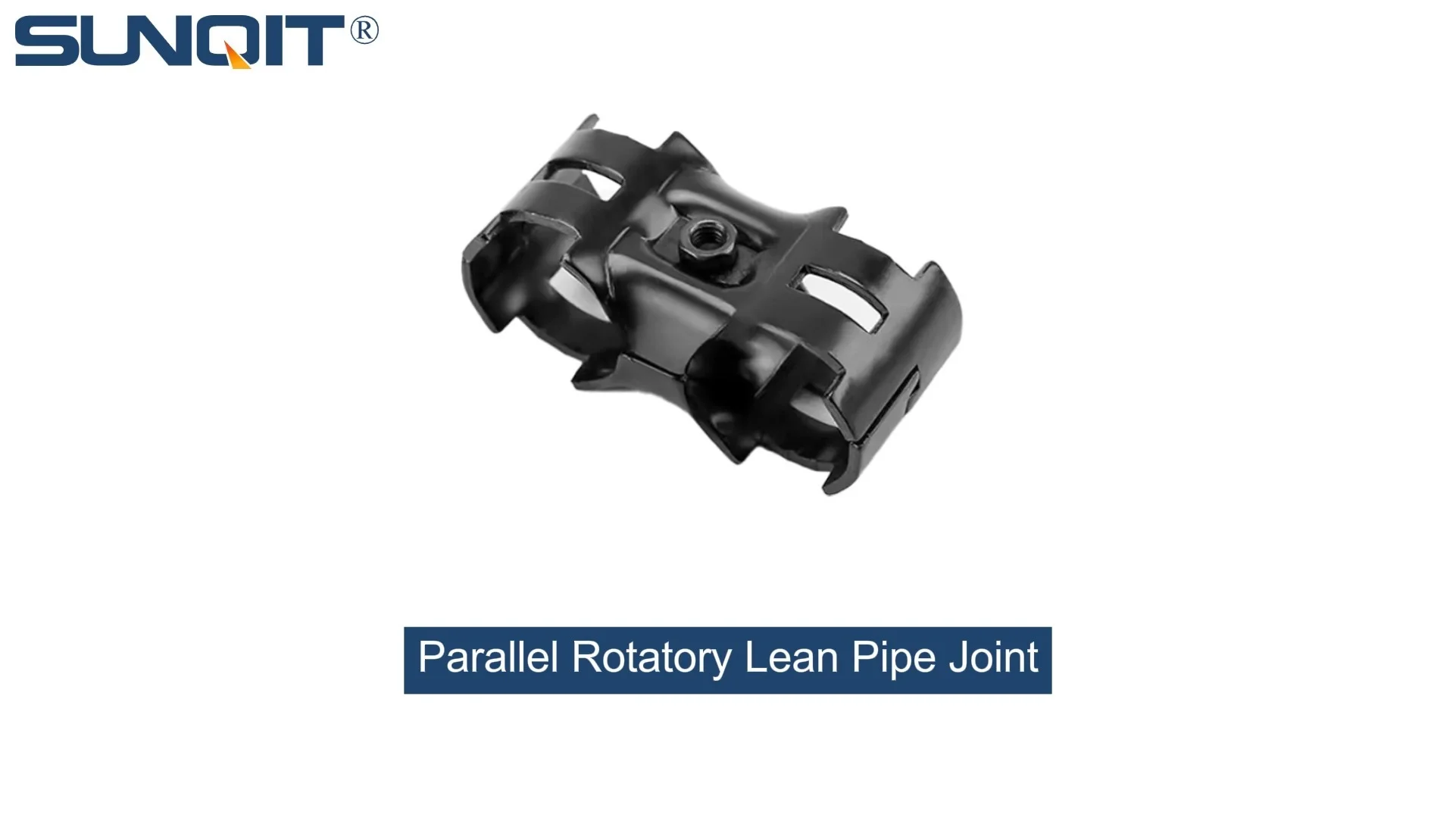
Parallel Rotatory Lean Pipe Joint
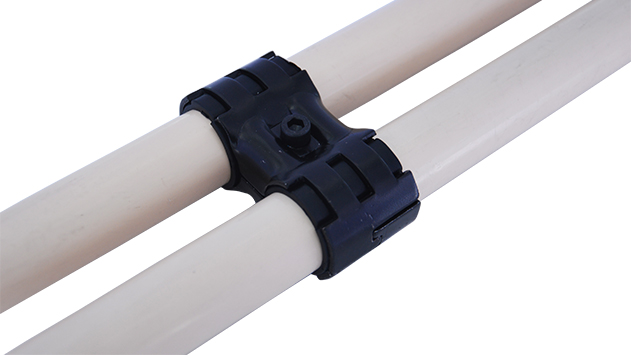
Parallel rotatory lean pipe joint, for 2 pcs pipe conenction in parallel direction with rotatory function.
The Hidden Challenge in High-Volume Production: Rigidity vs. Adaptability
Walk into any high-volume production facility—whether it's assembling electronics, packaging consumer goods, or manufacturing automotive parts—and you'll feel the energy: conveyor belts hum, workers move with purpose, and every second counts. But beneath that efficiency often lies a silent roadblock: rigidity. Traditional production setups, built with fixed structures and immovable components, struggle to keep up when product lines change, demand spikes, or workflows need (fine-tuning). A workbench that's perfect for assembling small circuit boards becomes obsolete when the next project requires larger components. A flow rack optimized for boxes of 12-inch parts grinds to a halt when a new order calls for 18-inch units. This is where the magic of flexibility comes in—and at the heart of that flexibility? Parallel rotatory lean pipe joints.
You might not have heard their name before, but these unassuming components are quietly revolutionizing how production lines adapt. Unlike fixed joints that lock structures into permanent shapes, parallel rotatory lean pipe joints allow for smooth rotation and repositioning, turning rigid workbenches, flow racks, and conveyors into dynamic systems that bend (literally and figuratively) to your needs. Let's dive into why they're becoming indispensable in modern manufacturing—and how they can transform your production line from a static machine into a responsive, agile powerhouse.
What Are Parallel Rotatory Lean Pipe Joints, and How Do They Work?
At their core, parallel rotatory lean pipe joints are connecting components designed to link lean pipes (the metal or aluminum tubes that form the backbone of production structures) while allowing controlled rotation along a parallel axis. Picture this: two lean pipes connected by a joint that lets one pipe swivel relative to the other, all while keeping them aligned in the same plane. This isn't just about moving parts around—it's about precision. Whether you need to adjust a workbench's height by 3 inches, angle a flow rack to reduce material sliding time, or reconfigure a conveyor section to accommodate a wider product, these joints make it possible without disassembling the entire structure.
Most are built with durable materials like high-grade aluminum or steel, with internal bearings or friction-reducing components that ensure smooth rotation even after repeated use. Some models include locking mechanisms to secure the joint once positioned, preventing unwanted movement during operation. What truly sets them apart, though, is their compatibility with standard lean pipe systems. You don't need to overhaul your entire setup to integrate them—they work seamlessly with existing lean pipes, workbenches, and accessories, making them a cost-effective upgrade rather than a complete replacement.
Think of it this way: If traditional fixed joints are like bolts that lock pieces together permanently, parallel rotatory joints are like adjustable wrenches—they hold things steady when needed but let you loosen and reposition in seconds. In high-volume production, where change is constant, that difference translates to saved hours, reduced downtime, and a workforce that isn't held back by their tools.
5 Ways Parallel Rotatory Joints Solve Real Production Headaches
It's easy to talk about "flexibility" in theory, but on the factory floor, every feature needs to solve a concrete problem. Let's break down how parallel rotatory lean pipe joints address the most common pain points in high-volume production:

How They Stack Up: Traditional Joints vs. Parallel Rotatory Joints
Still on the fence? Let's put them head-to-head with the fixed joints you might already be using. The table below compares key factors that matter most in high-volume environments:
| Feature | Traditional Fixed Joints | Parallel Rotatory Lean Pipe Joints |
|---|---|---|
| Reconfiguration Time | 2–4 hours (requires disassembly/reassembly) | 5–15 minutes (no tools needed for basic adjustments) |
| Weight Capacity | High (but fixed position only) | High (up to 500 lbs per joint, with secure locking) |
| Compatibility | Limited to specific pipe sizes/accessories | Works with standard lean pipes, aluminum profiles, and most accessories |
| Long-Term Durability | Good, but prone to wear if frequently disassembled | Excellent—rotation mechanisms are sealed to prevent dust/debris damage |
| Cost Over Time | Low upfront, but high replacement/upgrade costs | Slightly higher upfront, but 30–50% lower total cost due to reusability |
| Lean System Alignment | Static—opposes "continuous improvement" principles | Dynamic—embodies lean by reducing waste (time, materials, space) |

Integrating Parallel Rotatory Joints into Your Lean System
Lean manufacturing isn't just a buzzword—it's about eliminating waste, streamlining processes, and empowering teams to improve continuously. Parallel rotatory lean pipe joints fit perfectly into this philosophy by addressing two of the biggest wastes in production: waiting (for changeovers) and overprocessing (building redundant structures). Here's how to weave them into your existing lean framework:
Start Small, Scale Fast: You don't need to overhaul your entire line at once. Begin with high-impact areas—like the workbench stations with the most frequent changeovers or the flow racks that jam the most. Measure the time saved, then expand to other sections. A food packaging plant started with 5 adjustable workbenches and, within 3 months, rolled out the joints to all 22 stations based on positive feedback.
Train your team to embrace adjustment. Hold short workshops on how to safely unlock, rotate, and relock the joints. Encourage operators to suggest tweaks—they're the ones who know best when a workbench angle feels off or a flow rack needs a slight tilt. This not only improves buy-in but also fosters a culture of continuous improvement, a cornerstone of lean systems.
Finally, pair them with complementary components. Parallel rotatory joints work best when combined with other flexible tools: aluminum profiles for lightweight structures, roller tracks for smooth material flow, and casters for mobile workstations. A lean pipe supplier can help you design a cohesive system that maximizes their benefits.
Choosing the Right Parallel Rotatory Joints: What to Look For
Not all parallel rotatory joints are created equal. To ensure you're getting a product that holds up in high-volume environments, keep these factors in mind when sourcing from a lean pipe supplier:
The Bottom Line: Flexibility That Drives Results
In high-volume production, every second, every dollar, and every square foot of space counts. Parallel rotatory lean pipe joints might seem like small components, but their impact is huge: less downtime, happier workers, lower costs, and a production line that adapts as fast as your business does. They're not just about building better structures—they're about building a better, more resilient manufacturing process.
So, the next time you're stuck in a changeover, dealing with a jammed flow rack, or watching workers strain at an awkward workbench, ask yourself: What would flexibility look like here? Chances are, the answer includes these unassuming but powerful joints. After all, in the world of high-volume production, the most successful lines aren't just fast—they're flexible enough to stay fast, no matter what comes next.