- Company Articles
- Products and Technology
- Application Cases
- Parallel Rotatory Lean Pipe Joints for Medical Device Manufacturing: Use Cases

Parallel Rotatory Lean Pipe Joints for Medical Device Manufacturing: Use Cases
Related Product
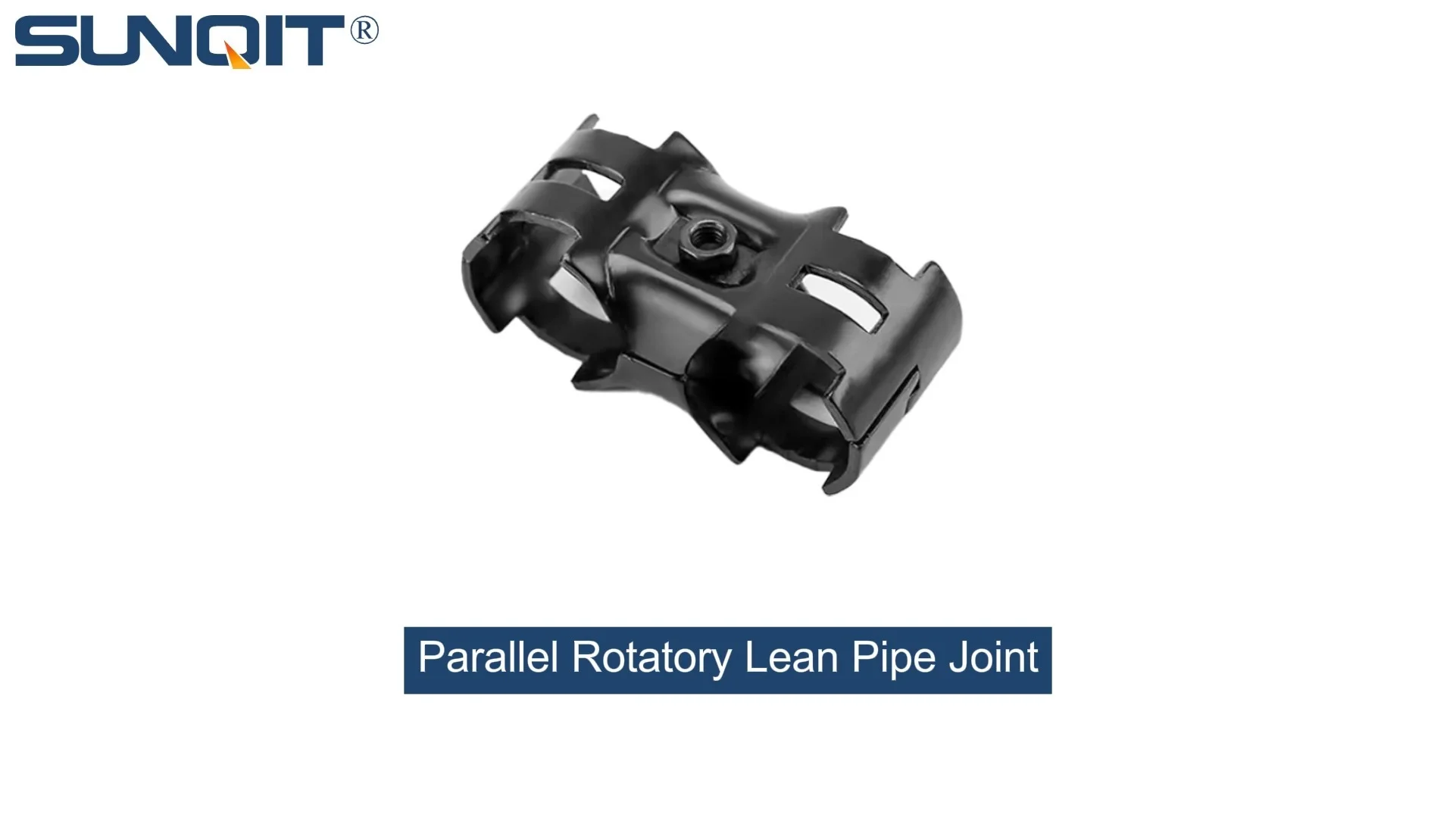
Parallel Rotatory Lean Pipe Joint
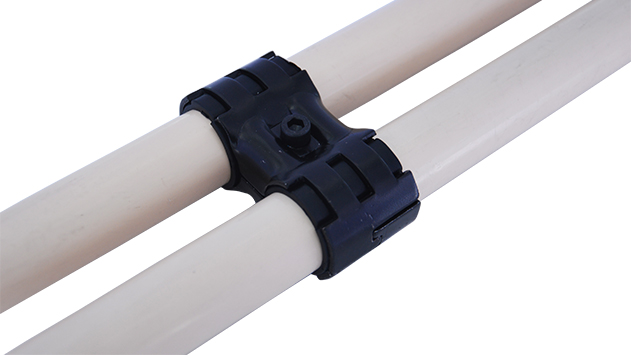
Parallel rotatory lean pipe joint, for 2 pcs pipe conenction in parallel direction with rotatory function.
In the world of medical device manufacturing, where precision, compliance, and adaptability are non-negotiable, every tool and component plays a silent but critical role in shaping outcomes. From the tiniest surgical instrument to life-saving diagnostic equipment, the production process demands systems that can keep up with evolving designs, strict regulatory standards, and the need for consistent quality. This is where lean manufacturing principles step in—and at the heart of many lean solutions lies a component that's easy to overlook but impossible to replace: the parallel rotatory lean pipe joint. These unassuming connectors are the unsung heroes of flexible, efficient, and compliant manufacturing setups, enabling teams to build, adapt, and optimize workspaces with a level of agility that traditional fixed systems simply can't match.
Understanding Parallel Rotatory Lean Pipe Joints: The Basics
Before diving into their applications, let's clarify what parallel rotatory lean pipe joints are and why they matter. Lean pipe systems, also known as "flexible pipe systems," are modular frameworks built from lightweight pipes (often aluminum, stainless steel, or coated steel) and a variety of joints. These systems are designed to create custom structures—think workbenches, material racks, trolleys, and conveyors—without the need for welding, drilling, or specialized tools. What sets parallel rotatory lean pipe joints apart is their ability to rotate along a parallel axis, allowing connected pipes or components to pivot, swivel, or adjust angles with minimal effort. Unlike fixed joints that lock components into a rigid position, these rotatory joints add a layer of dynamic flexibility: a workbench shelf can tilt for better access, a tool holder can swing into reach, or a material rack can reangle to optimize flow—all without disassembling the entire structure.
Made from durable materials like aluminum or stainless steel (with optional ESD-safe coatings for sensitive electronics), parallel rotatory joints are built to withstand the rigors of medical manufacturing environments. They're resistant to corrosion, easy to clean (a must for sterile or controlled spaces), and compatible with a range of pipe sizes and accessories. When paired with aluminum profile frames—a popular choice in medical settings for their lightweight strength and sleek, easy-to-sanitize surfaces—these joints become the backbone of systems that grow and change with your production needs.
Why Medical Device Manufacturing Needs Flexible Solutions
Medical device manufacturing isn't static. Product lifecycles are shorter than ever, with new models and upgrades hitting the market regularly to meet evolving patient needs and technological advancements. Regulatory standards, from FDA guidelines to ISO certifications, demand strict control over processes, including workspace design and material handling. Workers, too, require ergonomic setups to prevent fatigue and errors when assembling delicate components. Traditional fixed workbenches, rigid material racks, and one-size-fits-all conveyors struggle to keep up with these demands. They're time-consuming to reconfigure, expensive to replace, and often fail to adapt to new product dimensions or workflow changes. This is where parallel rotatory lean pipe joints shine: they turn static workspaces into dynamic ecosystems that can be adjusted in minutes, not days, ensuring your team stays productive, compliant, and focused on what matters most—building life-changing devices.
Use Case 1: Adaptive Assembly Workbenches for Minimally Invasive Surgical Tools
The Challenge: Precision and Ergonomics in Tiny Component Assembly
Minimally invasive surgical tools—think laparoscopic graspers, endoscopic scissors, or catheter components—are marvels of miniaturization. Their parts often measure just a few millimeters, requiring assemblers to work with extreme precision under magnification. Fixed workbenches force workers into rigid postures: leaning forward for hours, straining to reach tools, or adjusting their hands to fit awkwardly positioned component trays. Over time, this leads to fatigue, increased error rates, and even repetitive strain injuries. Worse, when production switches to a new tool model with slightly different dimensions, the entire workbench setup may need to be rebuilt, causing costly downtime.
The Solution: Lean Pipe Workbenches with Parallel Rotatory Joints
Enter the lean pipe workbench, elevated by parallel rotatory lean pipe joints. Here's how it works: the workbench frame is constructed from lightweight aluminum profile, with a smooth, easy-to-clean surface (often ESD-safe for electronic components). Attached to the frame via parallel rotatory joints are adjustable accessories: tool holders, component bins, magnifying lamp arms, and even small parts trays. Assemblers can rotate these accessories along the joint's axis to position them exactly where they need them—no more stretching or hunching. A tool holder can swing from the left to the right side of the bench as a worker switches tasks; a parts tray can tilt 15 degrees to bring components closer to eye level; a magnifying lamp can pivot to illuminate a specific area without casting shadows.
When a new tool model is introduced, reconfiguration takes minutes, not days. Loosen the joint's locking mechanism, rotate the accessories to fit the new component dimensions, and retighten—no tools required. This adaptability isn't just about convenience; it's about compliance. Regulatory auditors often inspect workspaces to ensure consistency in assembly processes. With parallel rotatory joints, adjustments can be documented (e.g., "Tray angle set to 20 degrees for Model X scissors") and replicated across shifts, ensuring every assembler works with the same optimized setup. The result? Reduced fatigue, fewer errors, faster changeovers, and a workspace that adapts to your team—not the other way around.

Use Case 2: Dynamic Flow Racks for Streamlined Material Handling
The Challenge: Controlling Material Flow in Batch Production
Medical device manufacturing often involves batch production, where components (like screws, gaskets, or circuit boards) must be delivered to assembly stations in precise quantities and sequences. Traditional static racks or bins force workers to bend, reach, or search for parts, wasting time and increasing the risk of picking errors. Worse, when batches change—say, shifting from 500 units of a standard catheter to 200 units of a specialized pediatric version—the material storage system may not accommodate the smaller part sizes or different packaging, leading to jams, misplaced inventory, or delays.
The Solution: Flow Racks with Adjustable Angles via Parallel Rotatory Joints
Flow racks, which use gravity to feed materials from the back to the front of a shelf, are a staple of lean material handling—but their efficiency depends on the angle of the roller tracks. Too steep, and parts slide too quickly, risking damage; too shallow, and they get stuck, requiring manual intervention. Parallel rotatory lean pipe joints solve this by allowing workers to adjust the angle of each flow rack shelf independently. Mounted at the connection points between the rack's vertical supports and horizontal roller tracks, these joints let the shelf pivot up or down, fine-tuning the incline to match the weight, size, and fragility of the components being stored.
For example, when switching from heavy metal brackets to lightweight plastic catheter tips, a worker can loosen the joint, tilt the shelf to a gentler angle, and lock it in place—ensuring the tips glide smoothly without cracking. When paired with plastic roller track guide rails (available in colors like yellow or grey for visual organization), the system becomes even more intuitive: different part types can be assigned to specific rail colors, reducing picking errors. And because the racks are built with aluminum profile frames, they're lightweight enough to reposition on casters (another lean pipe accessory) when production lines are rearranged, yet sturdy enough to hold hundreds of pounds of materials without warping. The result? A material handling system that's as dynamic as your production schedule, with fewer bottlenecks, less waste, and happier workers who spend less time hunting for parts and more time assembling.

Use Case 3: ESD Workstations for Sensitive Electronic Medical Devices
The Challenge: Protecting Delicate Electronics from Static Damage
Many medical devices—pacemakers, insulin pumps, patient monitors—rely on sensitive electronic components, from microchips to PCBs. Static electricity, even at levels too low for humans to feel, can fry these components, rendering devices useless (or worse, unsafe). ESD (Electrostatic Discharge) workstations are designed to prevent this by grounding static charges, but they've historically been rigid affairs: fixed mats, immovable tool holders, and limited adjustability. This rigidity becomes a problem when assembling devices of varying sizes or when workers with different heights need to use the same station—ergonomics suffer, and so does productivity.
The Solution: ESD Workstations with Rotatory Joint Flexibility
Parallel rotatory lean pipe joints transform ESD workstations from static setups into adaptable, worker-centric spaces. Here's how: the workstation frame, built from ESD-safe aluminum profile, supports a range of adjustable components—all connected via parallel rotatory joints. The ESD mat, for instance, can be mounted on a tilting shelf, allowing workers to angle it to reduce glare or wrist strain. Tool holders, designed to ground static, can swivel 180 degrees to keep frequently used tools within arm's reach, whether the worker is left- or right-handed. Component trays, lined with ESD-safe foam, can rotate to present parts at the optimal angle, reducing the need for workers to twist or lean.
Even the workstation's height can be adjusted, thanks to parallel rotatory joints paired with telescoping aluminum pipes. A quick twist of the joint unlocks the height mechanism, letting the bench rise or lower to fit a worker's standing or seated position—critical for reducing back pain during long shifts. And because the joints themselves are made with ESD-compliant materials (often coated with conductive finishes), they integrate seamlessly into the workstation's grounding system, ensuring no static "hot spots" are introduced. The result? A workstation that protects sensitive electronics and adapts to the people using it—reducing static-related defects, improving ergonomics, and keeping production lines moving smoothly.
Use Case 4: Cleanroom-Ready Trolleys for Controlled Environment Material Transport
The Challenge: Navigating Tight Spaces with Sterile Materials
Cleanrooms and controlled environments are staples of medical device manufacturing, where even a single particle can compromise product sterility. Transporting materials within these spaces—whether moving components from storage to assembly or finished devices to packaging—requires trolleys that are lightweight, easy to sanitize, and maneuverable in tight aisles. Traditional metal trolleys are heavy, hard to clean (with crevices that trap debris), and often too rigid to fit through narrow doorways or around equipment. When production lines change, these trolleys become obsolete, cluttering up valuable cleanroom space.
The Solution: Modular Trolleys with Parallel Rotatory Joints and Aluminum Profile
Parallel rotatory lean pipe joints, combined with aluminum profile frames, solve this problem by enabling the creation of custom, cleanroom-ready trolleys that are as flexible as they are functional. Here's the breakdown: the trolley's frame is built from lightweight aluminum profile, which resists corrosion, won't chip or flake, and can be wiped down with disinfectants without degradation. The shelves, mounted on parallel rotatory joints, can fold up or swivel inward to reduce the trolley's width when navigating tight spaces—say, from 30 inches down to 20 inches to fit through a cleanroom door. Once in place, the shelves rotate back out to their full width, providing ample storage for materials.
Accessories like plastic roller track guide rails (grey or yellow, to avoid shedding particles) can be added to shelves to let bins glide forward, reducing the need to reach into the back of the trolley. Casters with non-marking, ESD-safe wheels ensure smooth movement without scratching floors or generating static. And when production needs change—say, a new device requires taller shelves—the trolley can be reconfigured in minutes: add or remove aluminum profile sections, adjust the height of the rotatory joints, and you've got a brand-new trolley without buying a replacement. This modularity isn't just cost-effective; it's cleanroom-friendly, too—fewer trolleys mean less clutter, easier cleaning, and a lower risk of particle buildup. For medical device manufacturers, it's a win-win: a transport system that adapts to space constraints, sanitization needs, and evolving product lines, all while keeping sterility front and center.
Traditional vs. Lean: A Comparison of Workspace Flexibility
| Feature | Traditional Fixed Systems | Lean Pipe Systems with Parallel Rotatory Joints |
|---|---|---|
| Setup Time | Weeks to months (requires welding, drilling, or custom fabrication) | Hours to days (modular assembly with hand tools) |
| Adjustability | Minimal (requires disassembly or replacement) | High (rotate, tilt, or reconfigure components in minutes) |
| Ergonomics | One-size-fits-all (workers adapt to the system) | Worker-centric (system adapts to worker height, posture, and preferences) |
| Cost Over Time | High (need to replace entire systems for new products) | Low (reuse components; only replace what's needed) |
| Cleanroom Compliance | Challenging (crevices trap debris; heavy materials are hard to sanitize) | Easy (smooth aluminum profile; no crevices; lightweight for frequent cleaning) |
| ESD Compatibility | Limited (fixed grounding; hard to integrate new ESD accessories) | Seamless (ESD-safe joints and materials; adjustable ESD components) |
The Bottom Line: Small Joints, Big Impact
Parallel rotatory lean pipe joints may be small, but their impact on medical device manufacturing is anything but. By turning rigid workspaces into flexible ecosystems, they address the industry's most pressing challenges: adapting to short product lifecycles, maintaining compliance with strict regulations, protecting sensitive components, and keeping workers safe and productive. Whether you're assembling surgical tools, building ESD workstations, or transporting materials in a cleanroom, these joints enable a level of agility that traditional systems can't match—all while reducing costs, minimizing waste, and ensuring the quality of life-saving devices.
In a field where innovation never stops, the ability to adapt quickly isn't just a competitive advantage—it's a necessity. Parallel rotatory lean pipe joints don't just support that adaptability; they drive it. They're a reminder that sometimes, the most powerful solutions come in the smallest packages. So the next time you walk through a medical device manufacturing facility, take a closer look at the workbenches, racks, and trolleys around you. Chances are, there's a parallel rotatory lean pipe joint hard at work, quietly shaping the future of healthcare—one rotation at a time.