- Company Articles
- Products and Technology
- Product knowledge
- Parallel Rotatory Lean Pipe Joints for Modular Production Systems

Parallel Rotatory Lean Pipe Joints for Modular Production Systems
Related Product
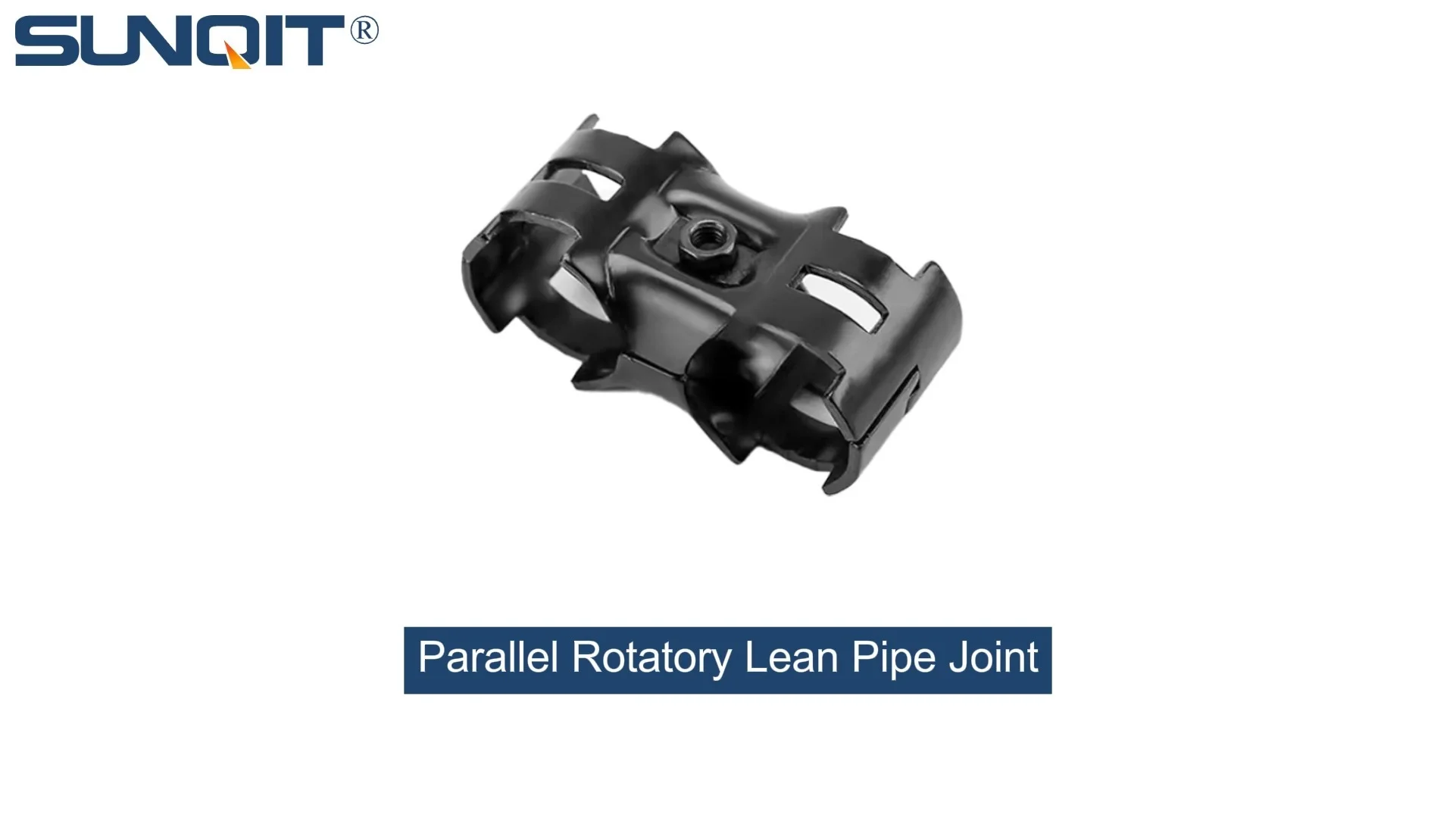
Parallel Rotatory Lean Pipe Joint
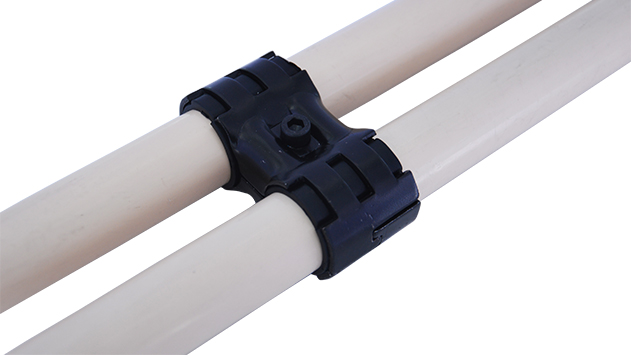
Parallel rotatory lean pipe joint, for 2 pcs pipe conenction in parallel direction with rotatory function.
In today's fast-paced manufacturing landscape, where production lines must adapt to shifting consumer demands, shorter product lifecycles, and evolving industry standards, rigidity is the enemy of efficiency. For decades, manufacturers relied on fixed, one-size-fits-all production setups—heavy, immovable structures that required significant time and resources to modify. But as lean manufacturing principles took hold, a new approach emerged: modular systems built on adaptable components that grow, change, and evolve with the needs of the business. At the heart of this revolution lies a small but mighty component: the parallel rotatory lean pipe joint . This unassuming piece of hardware is more than just a connector; it's the key to unlocking the full potential of modular production, turning static workspaces into dynamic, responsive environments that prioritize flexibility, speed, and cost-effectiveness.
Understanding Parallel Rotatory Lean Pipe Joints: Design and Functionality
To appreciate the impact of parallel rotatory lean pipe joints, it's first essential to understand what they are and how they work. At their core, these joints are engineered to connect lean pipe —lightweight, durable tubes typically made of steel, aluminum, or stainless steel—into configurable structures. What sets parallel rotatory joints apart from traditional fixed joints is their ability to rotate along a parallel axis, allowing connected pipes to pivot, adjust, and reposition without disassembly. This rotational capability transforms rigid frames into systems that can bend, twist, and adapt to new layouts, tools, or workflows with minimal effort.
Most parallel rotatory lean pipe joints are constructed from high-grade materials like die-cast aluminum or reinforced plastic, chosen for their strength-to-weight ratio and resistance to wear. They feature precision-machined components, including ball bearings or frictionless washers, that enable smooth rotation while maintaining stability under load. Some models include locking mechanisms, allowing operators to secure the joint in a specific position once the desired angle is achieved—critical for ensuring safety and consistency in high-precision tasks like assembly or material handling.
Take, for example, a joint designed for aluminum lean pipe systems. Its compact, low-profile design ensures it doesn't add unnecessary bulk, while its internal rotary mechanism allows for 180-degree rotation along the pipe's axis. This means a workbench shelf connected with such joints can be tilted from horizontal to vertical (or any angle in between) to accommodate taller materials, create temporary storage space, or reposition tools for easier access. In contrast, a traditional fixed joint would require the entire shelf to be disassembled, pipes cut or reconnected, and the structure rebuilt—wasting valuable production time.
The Role of Parallel Rotatory Joints in Lean Systems
Lean manufacturing isn't just a buzzword; it's a philosophy centered on eliminating waste, optimizing flow, and continuous improvement. A lean system aims to create value by streamlining processes, reducing downtime, and maximizing resource utilization. Parallel rotatory lean pipe joints align perfectly with these goals by addressing one of the biggest sources of waste in traditional manufacturing: inflexible infrastructure.
Consider a typical scenario: a manufacturer launches a new product line that requires a slightly wider assembly workspace. With a fixed production setup, this might mean purchasing new equipment, modifying the facility layout with construction, or halting production for days to reconfigure existing structures. With modular systems using parallel rotatory joints, the solution is far simpler. Operators can loosen the joints, adjust the width of the workbench or material rack, lock the joints in place, and resume production—often in under an hour. This agility reduces downtime from days to minutes, allowing the business to respond to new opportunities without sacrificing productivity.
Another key lean principle is "flow"—ensuring materials, tools, and workers move through the production process with minimal interruption. Parallel rotatory joints enhance flow by enabling the creation of dynamic material handling systems. For instance, a roller track assembly connected with these joints can be angled to adjust the speed of material flow, preventing bottlenecks during peak production or slowing down delicate components that require careful handling. In a warehouse setting, a turnover trolley built with parallel rotatory joints can have its shelves rotated to match the height of nearby racks, reducing the need for manual lifting and cutting down on worker fatigue.
Integration with Lean Pipe and Aluminum Profiles: Building Blocks of Modularity
Parallel rotatory lean pipe joints don't work in isolation; they're part of a larger ecosystem of modular components that includes lean pipe, aluminum profile , and accessories like casters, clamps, and brackets. Together, these elements form a versatile toolkit that manufacturers can use to build everything from simple workbenches to complex production lines—all without welding, drilling, or specialized tools.
Aluminum profiles, in particular, are a natural complement to parallel rotatory joints. These extruded aluminum rails feature T-slots along their length, allowing for easy attachment of accessories like shelves, tool holders, or electronic components. When combined with lean pipe and parallel rotatory joints, aluminum profiles add structural rigidity while maintaining flexibility. For example, a workbench frame might use aluminum profiles for the base (providing stability) and lean pipe for the upper shelves (connected via parallel rotatory joints for adjustability). This hybrid approach balances strength and adaptability, making it ideal for environments where both heavy loads and frequent reconfiguration are required.
The beauty of this integration is its scalability. A small manufacturer might start with a single modular workbench, using parallel rotatory joints to adjust shelf heights as projects change. As the business grows, they can add more lean pipe, aluminum profiles, and joints to expand the workbench into a full assembly line, complete with roller tracks, conveyor systems, and material racks—all using the same base components. When product lines shift, the entire system can be disassembled, and components repurposed into new configurations, eliminating the need to invest in entirely new equipment.
A Closer Look: How Components Work Together
Let's break down a practical example: a modular assembly workbench designed for electronics manufacturing. The frame is constructed using 28mm diameter lean pipe (steel, powder-coated for corrosion resistance) connected with parallel rotatory joints at the corners. The top surface is an aluminum honeycomb panel, lightweight but strong enough to support tools and circuit boards. Underneath the top surface, aluminum profiles are mounted horizontally, with T-slot accessories holding power strips and cable management clips. On one side, a roller track assembly—built with lean pipe and parallel rotatory joints—extends outward, allowing components to slide directly onto the workbench from a nearby storage rack. On the other side, a vertical material rack with three shelves, each connected via parallel rotatory joints, holds inventory; when a particular component is needed, the shelf can be rotated down to the workbench level, eliminating the need for the operator to reach or bend.
If the manufacturer switches to a larger circuit board model, the solution is straightforward: loosen the parallel rotatory joints on the roller track, adjust its angle to accommodate the longer boards, and reposition the material rack shelves to hold larger component boxes. No new tools, no downtime—just a few minutes of adjustment, and the workbench is ready for the new product. This level of adaptability is impossible with traditional fixed systems, which would require cutting new boards, welding new frames, or purchasing a workbench altogether.

Practical Applications: From Workbenches to Full Production Lines
The versatility of parallel rotatory lean pipe joints makes them suitable for a wide range of manufacturing and warehousing applications. Let's explore some of the most common use cases, where these joints transform ordinary setups into high-efficiency, adaptable systems.
1. Workbenches and Assembly Stations
Workbenches are the backbone of any production facility, and modular workbenches built with parallel rotatory joints take this backbone to the next level. Operators can adjust shelf heights, tilt work surfaces, or reposition tool holders to match their ergonomic needs, reducing strain and improving productivity. For example, a mechanic assembling small engines might rotate a shelf holding wrenches from vertical to horizontal for easy access, then tilt the work surface slightly to better view hard-to-reach components. In a medical device factory, where precision is critical, a workbench with parallel rotatory joints can have its lighting fixtures rotated to eliminate shadows on delicate assemblies.
2. Material Racks and Storage Systems
Traditional static racks are designed for one type of inventory—if you need to store taller boxes or irregularly shaped items, you're out of luck. Material racks built with parallel rotatory joints solve this problem by allowing shelves to rotate, tilt, or fold. A 3-row, 3-floor material rack, for instance, can have its middle shelves rotated upward to create space for oversized components, then rotated back down when standard inventory returns. In a retail warehouse, this flexibility means seasonal items (like holiday decorations or summer merchandise) can be stored efficiently without requiring separate racks for each season.
3. Roller Tracks and Conveyor Systems
Roller tracks are essential for moving materials between workstations, but fixed-angle tracks can't adapt to changes in production flow. Parallel rotatory joints allow roller tracks to be angled, curved, or extended on the fly. For example, a food processing plant might use a roller track connected with these joints to adjust the incline of the track, ensuring bottles or packages move at a safe, controlled speed—whether the line is running at full capacity or half-speed during maintenance. In a logistics hub, a modular roller track system can be reconfigured to route packages to new sorting stations during peak shipping periods, then scaled back during slower times.
4. Turnover Trolleys and Mobile Workstations
Mobile trolleys are a staple in warehouses and factories, but fixed-shelf trolleys limit what can be transported. Trolleys built with parallel rotatory joints, however, can have their shelves rotated to secure loads during transport, then tilted for easy unloading. A hospital supply trolley, for example, might use these joints to keep medication bins upright while moving, then rotate the shelves to face nurses during restocking. In a manufacturing plant, a mobile workbench with parallel rotatory joints can be wheeled to different production lines, with its tools and components repositioned to match the specific task at hand.

Benefits of Choosing Parallel Rotatory Lean Pipe Joints Over Traditional Solutions
The decision to adopt parallel rotatory lean pipe joints isn't just about keeping up with manufacturing trends—it's about tangible, bottom-line benefits that impact everything from production speed to long-term costs. To illustrate this, let's compare modular systems using these joints with traditional fixed systems in a side-by-side analysis:
| Feature | Traditional Fixed Systems | Modular Systems with Parallel Rotatory Joints |
|---|---|---|
| Flexibility | Fixed layout; requires disassembly/welding to modify. | Adjustable in minutes via joint rotation; no disassembly needed. |
| Installation Time | Hours to days (requires welding, drilling, or specialized tools). | Minutes to hours (assembled by hand with basic tools). |
| Reconfiguration Cost | High (new materials, labor, downtime). | Low (existing components reused; minimal labor). |
| Scalability | Limited (difficult to expand without rebuilding). | Unlimited (easily add/remove components as needs grow). |
| Worker Ergonomics | Poor (fixed heights/angles may cause strain). | Excellent (adjustable to individual worker needs). |
| Durability | High (but rigid; damage often requires full replacement). | High (components can be replaced individually if damaged). |
Beyond the table, there are intangible benefits that resonate with modern manufacturers. In an era where sustainability is a priority, modular systems reduce waste by extending the lifespan of equipment—components are reused, not discarded, when production needs change. For small businesses and startups, modular systems lower the barrier to entry, allowing them to invest in a basic setup and scale incrementally as revenue grows, rather than fronting the cost for a large, fixed production line.
Perhaps most importantly, parallel rotatory lean pipe joints empower workers. When employees can adjust their workstations to fit their needs, they feel valued and in control—leading to higher job satisfaction and lower turnover. In a study by the Manufacturing Institute, 78% of workers reported increased productivity when using ergonomically adjustable workspaces, a statistic that directly ties to the flexibility offered by modular systems.
Selecting the Right Components: A Guide for Manufacturers
While the benefits of parallel rotatory lean pipe joints are clear, choosing the right components for your specific needs requires careful consideration. Here are key factors to keep in mind when evaluating products from a lean system supplier :
1. Material Quality
The durability of your modular system depends on the quality of its components. Look for parallel rotatory joints made from high-strength materials like aluminum alloy or stainless steel, which resist corrosion and wear. For food, pharmaceutical, or medical applications, opt for joints with FDA-compliant coatings or stainless steel construction to meet hygiene standards.
2. Load Capacity
Different joints are rated for different weight limits. A joint designed for a small workbench shelf won't hold up under the weight of a full pallet of materials. Check the manufacturer's specifications for load capacity, and factor in dynamic loads (e.g., materials moving on a roller track) in addition to static loads.
3. Rotational Range and Locking Mechanism
Not all parallel rotatory joints offer the same range of motion. Some rotate 90 degrees, others 180 degrees or more. Consider how much adjustability you need—if you're building a shelf that only needs slight tilting, a 90-degree joint may suffice. For applications requiring full rotation, look for 360-degree models. Additionally, ensure the locking mechanism is secure and easy to operate; a weak lock could lead to instability or accidents.
4. Compatibility
Modular systems thrive on compatibility. Ensure the parallel rotatory joints you choose work with your existing lean pipe, aluminum profiles, and accessories. Most suppliers offer universal joints that fit standard pipe diameters (e.g., 28mm, 30mm), but it's always best to double-check before purchasing.
5. Supplier Support
A reliable lean system supplier should offer more than just products—they should provide technical support, design assistance, and replacement parts. Look for suppliers with a track record of working with manufacturers in your industry, as they'll understand your unique challenges and can recommend tailored solutions.
Conclusion: Embracing Modularity for Future-Proof Production
As manufacturing continues to evolve, one thing is clear: flexibility will be the defining factor in staying competitive. Consumer demands change faster than ever, new technologies emerge overnight, and global supply chains require constant adaptation. In this environment, fixed production systems are no longer viable—they're anchors holding businesses back from innovation and growth. Parallel rotatory lean pipe joints offer a way forward: a simple, cost-effective solution that transforms rigid infrastructure into dynamic, modular systems capable of keeping pace with the future.
Whether you're a small workshop looking to optimize your workbench or a large manufacturer building a new production line, the message is the same: modularity matters. By investing in parallel rotatory lean pipe joints, lean pipe, aluminum profiles, and other modular components, you're not just buying equipment—you're building a foundation for resilience. A foundation where change is met with adaptability, not frustration; where efficiency is built into every joint, every pipe, and every workstation; and where your team has the tools they need to do their best work, today and tomorrow.
In the end, the true power of parallel rotatory lean pipe joints lies not in their mechanical design, but in the possibilities they unlock. They're a reminder that in manufacturing, as in business, the strongest systems aren't the ones that stay the same—but the ones that can change.