- Company Articles
- Products and Technology
- Product knowledge
- Parallel Rotatory Lean Pipe Joints: How They Improve Ergonomics

Parallel Rotatory Lean Pipe Joints: How They Improve Ergonomics
Related Product
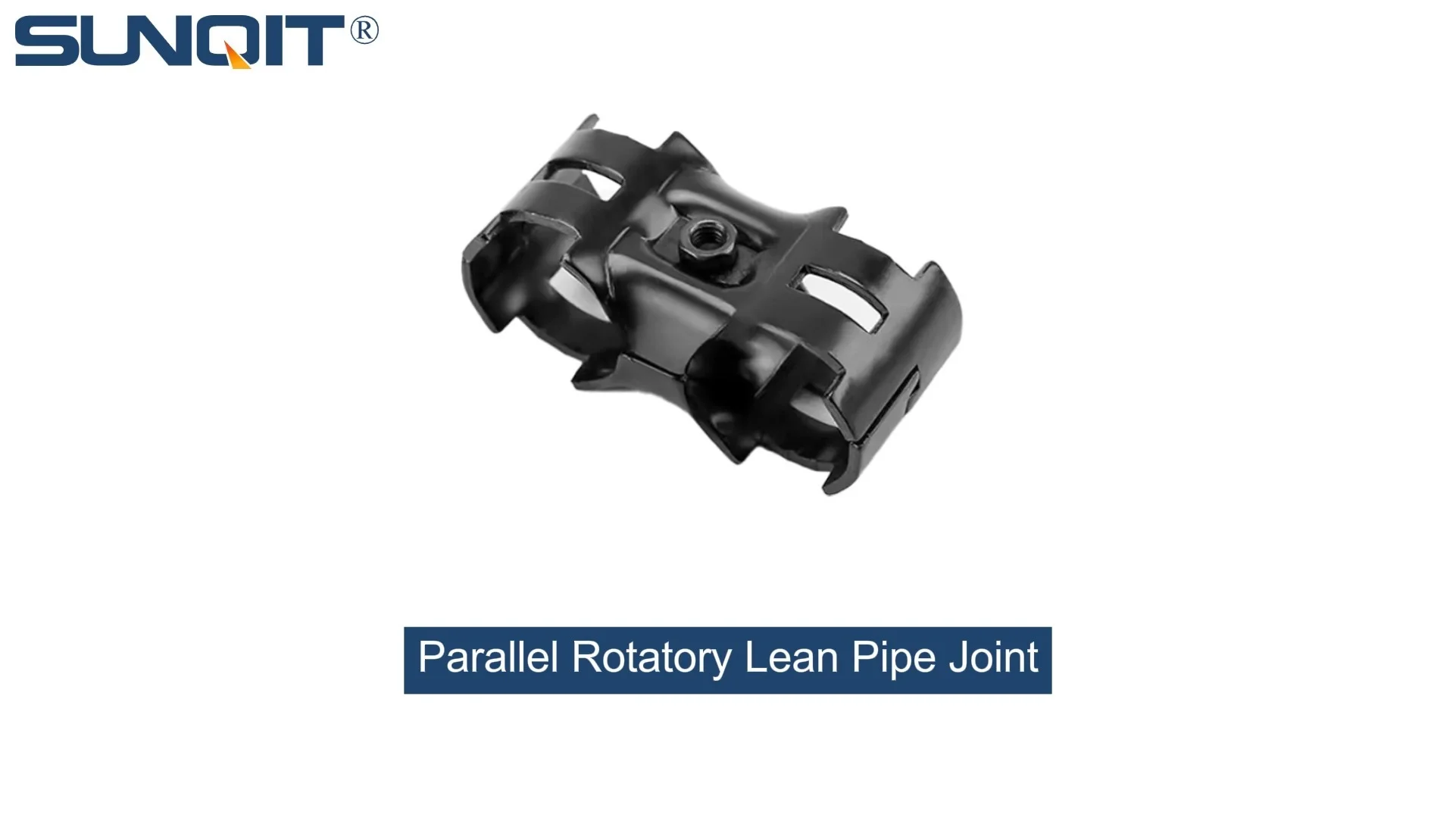
Parallel Rotatory Lean Pipe Joint
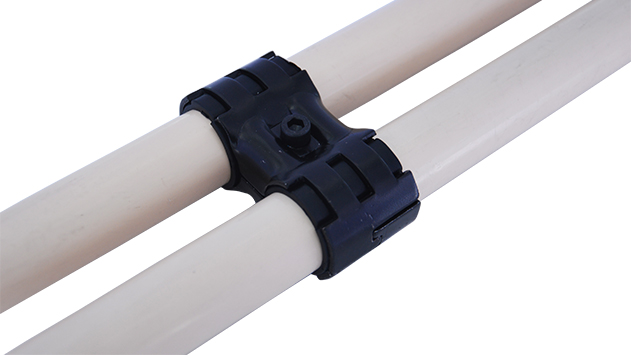
Parallel rotatory lean pipe joint, for 2 pcs pipe conenction in parallel direction with rotatory function.
In the fast-paced world of manufacturing and assembly, every second counts. But what if the key to boosting productivity isn't just about speed? What if it's about how workers feel while they work? Ergonomics—the science of designing workspaces to fit human needs—has long been a quiet game-changer in industrial settings. Yet, it's often the smallest components that make the biggest difference. Enter the parallel rotatory lean pipe joint: a humble but powerful tool that's redefining how workstations adapt to people, not the other way around. In this article, we'll explore how these unassuming joints are transforming ergonomics on the factory floor, reducing strain, and turning tired workers into energized, efficient teams.
What Are Parallel Rotatory Lean Pipe Joints, Anyway?
Before diving into their ergonomic magic, let's get clear on what parallel rotatory lean pipe joints actually are. If you've ever walked through a workshop, you've probably seen lean pipe systems—those modular structures made of metal pipes and joints that form workbenches, racks, and assembly lines. Traditional joints are fixed, locking pipes into rigid angles that rarely change once built. But parallel rotatory joints? They're the flexible rebels of the lean pipe world. Designed with a rotating mechanism, they let pipes swivel, tilt, and adjust while staying parallel to each other, all without needing tools or complicated disassembly.
Imagine a lean pipe workbench where the height of the tool shelf can be tweaked with a simple twist, or a flow rack where the angle of the material chute adjusts to match the worker's reach. That's the power of parallel rotatory joints. They turn static workstations into dynamic, living systems that respond to the people using them—whether it's a 5'2" assembler or a 6' tall technician, a morning shift with light tasks or an afternoon of heavy lifting.
The Ergonomic Revolution: Four Ways Parallel Rotatory Joints Make a Difference
1. Adjustability on Demand: No More "One-Size-Fits-All" Workstations
Walk into any traditional factory, and you'll notice a common problem: workbenches, shelves, and racks are built to a "standard" height or angle. But who is this "standard" worker? The reality is, every person has different arm lengths, torso heights, and movement preferences. A workstation that's comfortable for one employee might force another to hunch, stretch, or twist for hours on end—leading to sore shoulders, strained backs, and even chronic injuries over time.
Parallel rotatory joints eliminate this one-size-fits-all trap. Take a lean pipe workbench, for example. With fixed joints, the tabletop height is set in stone. But with parallel rotatory joints, a worker can adjust the height of the bench, the angle of the tool rail, or the position of the parts bin in seconds. Need to lower the surface to avoid bending over? Twist the joint. Want to tilt the component tray for better visibility? Rotate and lock. It's customization without the hassle, turning a generic workstation into one that feels like it was built just for them.
This isn't just about comfort—it's about efficiency. When a worker doesn't have to contort their body to reach tools or materials, they move faster, make fewer mistakes, and stay focused longer. A study by the Occupational Safety and Health Administration (OSHA) found that ergonomic workstations reduce error rates by up to 30%—and parallel rotatory joints are a big reason why.
2. Reducing Reach and Strain: Bringing Materials to the Worker
Ask any assembly line worker what causes the most fatigue, and they'll likely mention "the reach." Stretching across a wide flow rack to grab a part, leaning over a deep shelf to retrieve a tool, or twisting to access a bin behind them—these repetitive movements add up, straining muscles and joints over a full shift. Over time, they can lead to conditions like carpal tunnel syndrome or lower back pain, which cost companies billions in lost productivity and workers' compensation claims.
Parallel rotatory joints tackle this problem head-on by bringing materials to the worker, not the other way around. Let's say a production line uses a flow rack to feed parts to the assembly station. With fixed joints, the rack's tiers are set at fixed angles, meaning parts might slide too slowly or get stuck, forcing workers to reach in and pull them out. But with parallel rotatory joints, the angle of each flow rack tier can be adjusted to match the worker's position. Tilt the top tier slightly downward, and parts glide smoothly to the front. Rotate the lower tier to face the worker, and they can grab components without leaning. No more stretching, no more straining—just parts that meet the hand exactly where it's most comfortable.
Even better, these adjustments aren't permanent. If the next shift worker is taller or left-handed, they can tweak the flow rack's angle in seconds, ensuring the workstation adapts to every user. It's a small change that turns a daily annoyance into a seamless, almost intuitive workflow.
3. Flexibility for Dynamic Tasks: Adapting to the Job, Not the Other Way Around
Manufacturing isn't static. One day, a workstation might assemble small electronics; the next, it could be repurposed for larger machinery parts. Traditional lean pipe systems with fixed joints struggle with this kind of flexibility—reconfiguring them often requires tools, time, and even a team of workers. But parallel rotatory joints thrive on change.
Consider a scenario where a team needs to switch from assembling circuit boards to packaging finished products. With fixed joints, they'd have to disassemble the entire lean pipe workbench, move pipes, and rebuild the structure—wasting precious time. With parallel rotatory joints? They can rotate the tool rail out of the way, adjust the height of the packaging bin, and reposition the caster wheel-equipped base to create a new layout in minutes. No tools, no hassle, no downtime.
This flexibility also helps with "small-batch" production, where workstations need to adapt to frequent changes in part sizes or assembly steps. A worker assembling a mix of small and large components can tilt the parts tray for the small items (to avoid dropping them) and lower it flat for the larger ones (to prevent strain). The joint doesn't just adjust to the worker—it adjusts to the task , making every step feel smoother and more natural.
4. Stability Without Sacrifice: Secure Adjustments for Safety
Critics might wonder: If these joints rotate so easily, do they compromise stability? After all, a workstation that moves unexpectedly could be dangerous. But parallel rotatory joints are engineered with safety in mind. Most models feature a locking mechanism—often a simple lever or knob—that secures the joint in place once adjusted. Twist to move, lock to stay. It's a balance of flexibility and stability that ensures workers never have to choose between adaptability and safety.
This is especially important for heavy-duty tasks. Imagine a lean pipe workbench holding a 50-pound assembly tool. With a cheap, flimsy joint, that tool might wobble or shift mid-use, risking injury. But a high-quality parallel rotatory joint—made from durable materials like aluminum profile or steel—locks securely, supporting the weight without budging. Workers can focus on the job, not worrying about whether their workstation will hold up.
Beyond the Joint: Synergy with Other Lean Components
Parallel rotatory lean pipe joints don't work in isolation. They shine brightest when paired with other lean manufacturing components, creating a ecosystem of ergonomic efficiency. Let's take a look at three key partners:
Aluminum Profile: Lightweight Strength for Easy Adjustment
Many parallel rotatory joints are designed to work with aluminum profile—a material known for its winning combo of light weight and durability. Unlike steel pipes, which are heavy and hard to maneuver, aluminum profile is easy to lift and adjust, making it perfect for dynamic workstations. When paired with parallel rotatory joints, aluminum profile becomes even more versatile. A worker can reposition a shelf or adjust a workbench height without straining to lift heavy metal, turning what might have been a two-person job into a one-person task.
Aluminum profile also resists corrosion, making it ideal for factories with strict cleanliness standards (like food processing or electronics manufacturing). And because it's compatible with a wide range of accessories—from caster wheels to tool hooks—it integrates seamlessly with parallel rotatory joints to create fully customized workspaces.
Caster Wheels: Mobility Meets Customization
What's better than a workstation that adjusts to your body? A workstation that follows you. Enter caster wheels. When a lean pipe workbench is mounted on caster wheels, workers can roll it to their location instead of walking to the workstation. Pair that with parallel rotatory joints, and you've got a mobile, adjustable powerhouse.
Picture this: A technician needs to repair a large machine on the factory floor. Instead of carrying tools back and forth from a fixed workbench, they roll their lean pipe workbench (equipped with caster wheels) right next to the machine. Then, using parallel rotatory joints, they adjust the workbench height to match the machine's access point, tilt the tool tray for easy reach, and get to work. No more walking, no more bending—just a workstation that comes to them and adapts to the job. It's mobility and customization in one, cutting down on wasted steps and keeping the focus on the task at hand.
Flow Racks: Optimizing Material Flow with Rotatory Precision
Flow racks are the backbone of efficient material handling, using gravity to feed parts to workers. But their effectiveness depends on how well they align with the worker's position. Fixed-angle flow racks often miss the mark—parts might slide too fast, too slow, or land just out of reach. Parallel rotatory joints fix this by letting workers adjust the rack's angle in real time.
For example, lightweight plastic parts might need a steeper angle to slide properly, while heavy metal components require a gentler slope to avoid damage. With parallel rotatory joints, a worker can tweak the angle of each flow rack tier individually, ensuring every part moves smoothly and lands exactly where it's needed. It's a level of precision that turns a basic flow rack into a smart, responsive system that adapts to the materials it carries.

A Day in the Life: How Parallel Rotatory Joints Change Work for the Better
Let's put this all into perspective with a story. Meet Maria, a 45-year-old assembler at a electronics factory. For years, she worked at a fixed lean pipe workbench with a flow rack mounted 3 feet to her right. By mid-shift, her right shoulder ached from reaching for parts, and her lower back throbbed from bending over the workbench. "I felt like I was fighting the workstation all day," she recalls. "By Friday, I could barely lift my arm."
Then, her factory upgraded to lean pipe workbenches equipped with parallel rotatory joints, aluminum profile frames, and caster wheels. The change was immediate. "On the first day, I adjusted the workbench height to match my elbows—no more bending," Maria says. "I rotated the flow rack so it faced me directly, so I didn't have to stretch. And when we switched to assembling larger circuit boards, I tilted the tabletop slightly to avoid hunching. It was like night and day."
Six months later, Maria's shoulder pain is gone, and she's consistently one of the top performers on her shift. "I don't waste time adjusting my body anymore," she explains. "The workstation adjusts to me, so I can focus on building quality parts. It's not just better for my back—it's better for the job."
Maria's story isn't unique. Across industries, workers are reporting less fatigue, fewer injuries, and higher job satisfaction after switching to workstations with parallel rotatory joints. And for employers, the payoff is clear: lower turnover, fewer sick days, and a more productive team.

Choosing the Right Parallel Rotatory Joints: What to Look For
Not all parallel rotatory lean pipe joints are created equal. To maximize ergonomic benefits, here are a few key factors to consider:
- Material: Aluminum profile joints are lightweight and corrosion-resistant, ideal for most indoor settings. Stainless steel joints are better for heavy loads or harsh environments (like factories with moisture or chemicals).
- Locking Mechanism: Look for joints with a secure, tool-free locking system—levers or knobs that are easy to grip and lock firmly in place. Avoid flimsy plastic locks that might wear out over time.
- Load Capacity: Check the joint's weight rating to ensure it can support your tools and materials. A joint meant for light parts won't hold up to heavy machinery components.
- Compatibility: Make sure the joint works with your existing lean pipe system. Most aluminum profile joints are universal, but it's always best to double-check.
- Ease of Maintenance: Choose joints with smooth, sealed bearings to prevent dust buildup. The less maintenance they need, the more time your team can spend on productive work.
| Feature | Traditional Fixed Joints | Parallel Rotatory Joints |
|---|---|---|
| Adjustability | None—fixed angles only | Full rotation and tilt; tool-free adjustments |
| Ergonomic Benefit | Forces workers to adapt to the workstation | Workstation adapts to the worker's body and tasks |
| Flexibility | Requires disassembly to reconfigure | Reconfigurable in seconds; ideal for dynamic tasks |
| Stability | High, but static | High when locked; stable even with frequent adjustments |
| Best For | Static, long-term workstations with unchanging tasks | Dynamic environments, small-batch production, and teams with diverse worker sizes |
Conclusion: Ergonomics Isn't a Luxury—It's a Productivity Driver
Parallel rotatory lean pipe joints may seem like small components, but their impact is anything but. By turning rigid workstations into adaptable, worker-centric systems, they're proving that ergonomics isn't just about comfort—it's about creating a workplace where people can do their best work, day in and day out. When a worker doesn't have to fight their tools or contort their body, they're happier, healthier, and more productive. And in today's competitive manufacturing landscape, that's the kind of edge that matters.
So, the next time you walk through a factory or assembly line, take a closer look at the workstations. Are they built for the job—or for the people doing it? With parallel rotatory lean pipe joints, the answer can be both. Because when you invest in ergonomics, you're not just investing in equipment—you're investing in your most valuable asset: your team.