- Company Articles
- Products and Technology
- Product knowledge
- Parallel Rotatory Lean Pipe Joints in Automotive Production Lines

Parallel Rotatory Lean Pipe Joints in Automotive Production Lines
Related Product
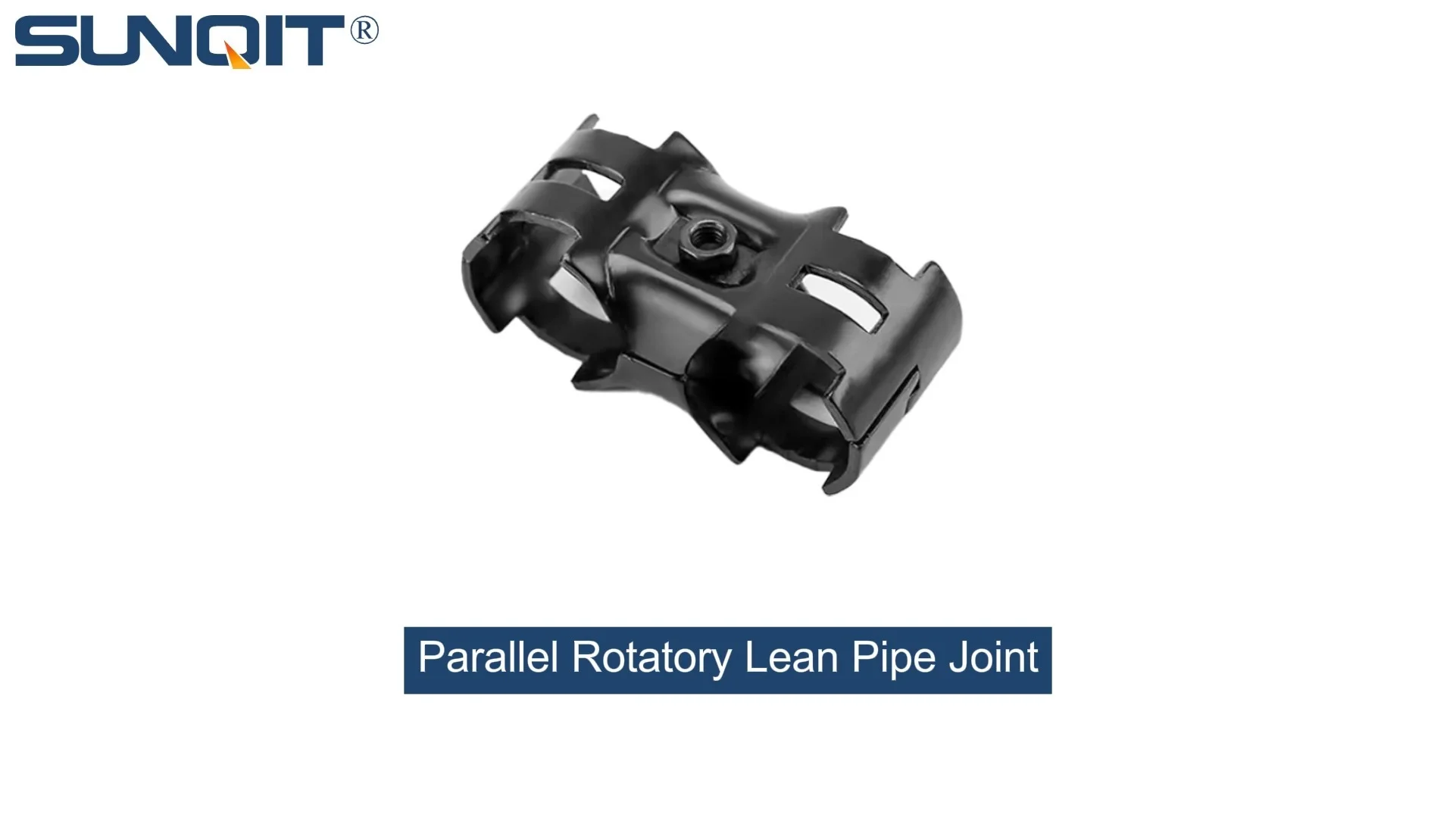
Parallel Rotatory Lean Pipe Joint
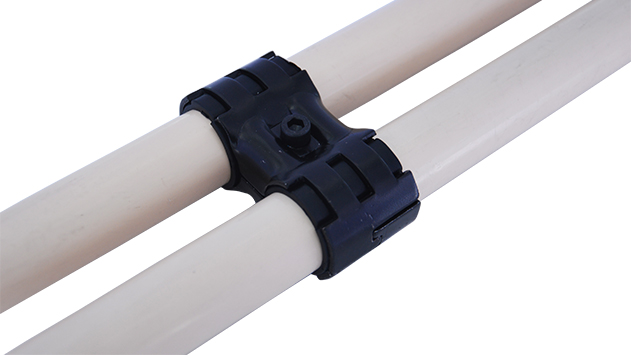
Parallel rotatory lean pipe joint, for 2 pcs pipe conenction in parallel direction with rotatory function.
Walk into any modern automotive factory, and you'll witness a ballet of machinery, workers, and materials moving in perfect harmony. Every nut, bolt, and panel has a predetermined path—from the moment raw materials arrive to the final inspection of a finished vehicle. But behind this seamless flow lies a critical truth: efficiency isn't just about speed; it's about adaptability. In an industry where model updates, custom orders, and production scaling are constants, rigidity is the enemy. That's where lean manufacturing systems take center stage, and at the heart of these systems is a component so unassuming it might escape notice: the parallel rotatory lean pipe joint. This small, unpretentious connector is quietly revolutionizing how automotive production lines are built, modified, and optimized—turning static factories into dynamic ecosystems that can pivot at a moment's notice.
The Lean Manufacturing Revolution in Automotive
Lean manufacturing isn't new, but its importance in automotive production has never been greater. Born from the Toyota Production System (TPS) decades ago, lean principles—eliminating waste, optimizing flow, and continuous improvement—have become the backbone of competitive manufacturing. Today, with consumer demands shifting faster than ever (think electric vehicles, autonomous tech, and personalized features), factories can't afford to rely on fixed, one-size-fits-all setups. A production line that works for a compact car might be obsolete for an SUV, and reconfiguring it traditionally could take weeks, if not months, of downtime.
Enter lean pipe systems. These modular frameworks, built from lightweight tubes and versatile joints, are designed to be assembled, disassembled, and reimagined on the fly. Unlike welded steel structures or permanent concrete workstations, lean pipe systems are like industrial Legos—strong enough to support heavy loads but flexible enough to adapt to changing needs. And among the many joints that make up these systems, the parallel rotatory lean pipe joint stands out for its unique ability to blend stability with movement. It's not just a connector; it's a problem-solver, addressing one of the biggest pain points in factory design: how to create structures that are both rigid enough for daily use and flexible enough to evolve.
What Are Parallel Rotatory Lean Pipe Joints?
Let's start with the basics. A lean pipe system typically consists of tubes (often made of steel, aluminum, or plastic-coated materials) and joints that connect them at various angles. Fixed joints, like the 180° fixed lean pipe joint or 90° straight lean pipe joint , lock tubes into static positions—great for stability but useless when you need to adjust the structure. Rotatory joints, on the other hand, allow movement. But not all rotatory joints are created equal. The parallel rotatory lean pipe joint is designed for a specific type of motion: it lets one tube rotate parallel to another, like a swinging arm that stays in the same plane. Imagine a workbench shelf that can pivot out of the way to make room for a tall component, then lock back into place when you're done. Or a flow rack that can tilt slightly to adjust the speed of parts sliding down a roller track . That's the magic of parallel rotation—it adds a dimension of movement without sacrificing the structural integrity needed in industrial settings.
These joints are engineered with precision. Most are made from durable materials like zinc-plated steel or aluminum, with internal bearings or friction mechanisms that allow smooth rotation while maintaining a tight grip. The best ones can support hundreds of pounds without slipping, ensuring that even when rotated, the structure remains steady enough for tools, assemblies, or heavy parts. And because they're part of a modular system, they work seamlessly with other components: aluminum lean pipe (lightweight and corrosion-resistant), caster wheels for mobility, and roller track guide rails for material flow. It's this compatibility that makes them such a powerful tool in lean manufacturing.
Why Parallel Rotatory Joints Matter in Automotive Production
To understand the impact of these joints, let's step into the shoes of a production line manager at an automotive plant. Let's call her Maria. Last quarter, Maria's team was assembling door panels for a sedan. This quarter, they've been tasked with switching to SUV door panels—bulkier, heavier, and with different mounting points. In a traditional setup, this would mean rebuilding workstations, repositioning conveyors , and possibly even reconfiguring the entire layout. That could take days, if not weeks, and every day of downtime costs the company thousands in lost production.
But Maria's plant uses lean pipe systems with parallel rotatory joints. Instead of rebuilding, her team spends a single shift adjusting existing structures. They loosen the joints on the workbenches, rotate the shelves to accommodate the larger panels, and reposition the roller track to angle slightly steeper (since the heavier panels need a little extra momentum to slide). By the next morning, the line is up and running. No welding, no new materials, just a few adjustments. That's the power of parallel rotatory joints: they turn "impossible" deadlines into manageable tasks.
1. Flexibility Without Compromise
The automotive industry thrives on variety. A single factory might produce multiple models, each with unique parts and assembly steps. Fixed structures can't keep up. Parallel rotatory joints, however, let workers adapt on the fly. Need to lower a shelf to fit a shorter worker? Rotate it down. Need to swing a tool holder out of the way to load a part onto a turnover trolley ? Rotate it aside. This flexibility isn't just about saving time—it's about empowering workers to optimize their own spaces. When employees can adjust their workstations to fit their needs, morale improves, and ergonomic injuries decrease. It's a win-win.
2. Durability for the Long Haul
Automotive factories are tough environments. There's oil on the floors, grease in the air, and constant vibration from machinery. A flimsy joint would fail quickly under these conditions. But parallel rotatory lean pipe joints are built to last. Take the parallel rotatory aluminum joint , for example. Made from high-grade aluminum alloy, it resists corrosion from chemicals and moisture, and its internal components are sealed to keep out dust and debris. Even after thousands of rotations, it maintains its grip, ensuring that workbenches, racks, and conveyors stay stable. This durability translates to lower maintenance costs and fewer replacements over time—critical for factories operating on tight budgets.
3. Cost Savings That Add Up
Let's talk numbers. A typical fixed steel workstation costs around $500 to build and another $300 to modify if production needs change. A lean pipe workstation with parallel rotatory joints costs roughly the same to build initially, but modifying it? Just $50 in labor and no new materials. Multiply that by 50 workstations in a factory, and the savings are clear: $12,500 per modification instead of $17,500. Over a year with multiple model changes, that's hundreds of thousands of dollars saved. And that's not counting the savings from reduced downtime. When a line can be reconfigured in hours instead of days, the plant stays productive, and deadlines are met.

A Closer Look: How Parallel Rotatory Joints Compare to Fixed Joints
Still not convinced? Let's put parallel rotatory joints head-to-head with their fixed counterparts. The table below breaks down key features to show why flexibility doesn't have to mean sacrificing performance:
| Feature | Parallel Rotatory Lean Pipe Joint | Fixed Lean Pipe Joint (e.g., 180° Fixed Joint) |
|---|---|---|
| Adjustability | Allows 360° rotation in a parallel plane; can lock at any angle | Fixed at a single angle (e.g., 180°, 90°, 45°); no rotation |
| Load Capacity | Up to 500 lbs (depending on size and material) | Up to 600 lbs (slightly higher due to rigid connection) |
| Installation Time | 5-10 minutes per joint (no special tools needed) | 5-10 minutes per joint (similar initial installation) |
| Reconfiguration Time | 2-3 minutes per joint (simply loosen, rotate, retighten) | 30+ minutes per joint (requires disassembly and reassembly with new joints) |
| Maintenance Needs | Occasional lubrication of internal bearings; minimal wear | Almost none, but replacement required if angle needs to change |
| Ideal Use Case | Workstations, flow racks, and conveyors needing frequent adjustments | Structures that never need reconfiguration (e.g., permanent storage racks) |
As the table shows, fixed joints have a slight edge in maximum load capacity, but for most automotive applications—where parts weigh between 10 and 200 lbs—parallel rotatory joints more than suffice. And when it comes to reconfiguration time, they're in a league of their own. For factories that value agility, the trade-off is more than worth it.

Real-World Applications: Where Parallel Rotatory Joints Shine
Parallel rotatory lean pipe joints aren't just theoretical—they're transforming production lines across the automotive industry. Let's explore a few key applications where they make the biggest difference:
Workbenches: The Heart of Assembly
The assembly workbench is where the magic happens. It's where workers spend hours installing components, tightening bolts, and inspecting parts. A well-designed workbench reduces fatigue and increases productivity. Parallel rotatory joints take workbenches to the next level. Consider the workbench E (single deck-without caster) , a common model in automotive plants. With fixed joints, its shelves and tool holders are static. With parallel rotatory joints, workers can rotate shelves out of the way to access large parts, swing tool panels closer for easy reach, or even adjust the height of the work surface to match their posture. This adaptability isn't just about comfort—it's about efficiency. A worker who doesn't have to stretch or bend to reach tools saves seconds per task, and those seconds add up to hours of productivity per week.
Flow Racks: Keeping Parts Moving
In automotive production, parts need to flow from storage to assembly stations smoothly. That's where flow racks come in—tilted racks with roller track that let parts slide down to workers as needed. But not all parts are the same. A small screw might slide too quickly down a steep rack, while a heavy bracket might get stuck on a shallow incline. Parallel rotatory joints solve this by allowing workers to adjust the angle of the roller track. By loosening the joints, rotating the rack slightly, and retightening, they can fine-tune the slope to match the part's weight and size. No more jams, no more lost parts, just a steady stream of materials right when they're needed.
Conveyors: Redirecting the Flow
Conveyors are the arteries of the production line, carrying parts from one station to the next. But what happens when a new station is added or a bottleneck forms? With fixed conveyor systems, rerouting is a major project. With lean pipe conveyors and parallel rotatory joints, it's a breeze. Workers can rotate sections of the conveyor to create merges, splits, or detours, all without disrupting the rest of the line. For example, if the door panel station gets backed up, a quick rotation of a conveyor section can redirect excess panels to a temporary holding area until the bottleneck clears. This flexibility ensures that the entire line keeps moving, even when individual stations hit snags.
Turnover Trolleys: Mobile Material Handling
Turnover trolleys are essential for moving parts between stations, but their fixed shelves often limit what they can carry. A trolley with parallel rotatory joints, however, can adapt to different load sizes. Need to transport a stack of small brackets? Rotate the shelves to create more levels. Need to carry a single large component? Rotate the shelves out of the way to make space. And with caster wheels for mobility, these trolleys become even more versatile—easily moving from the storage area to the assembly line and back, all while carrying exactly what's needed.
The Future of Lean Manufacturing: Where Parallel Rotatory Joints Fit In
The automotive industry is evolving faster than ever. Electric vehicles, autonomous driving technology, and 3D-printed parts are changing what factories produce and how they produce it. In this future, lean manufacturing will only grow more important, and parallel rotatory lean pipe joints will play a key role in keeping factories adaptable. Here's what to watch for:
Smart Joints with Sensors
Imagine a parallel rotatory joint equipped with sensors that monitor its position, load, and wear. If it starts to loosen or shows signs of fatigue, it sends an alert to the maintenance team before it fails. This predictive maintenance could prevent costly breakdowns and keep lines running smoothly. Some manufacturers are already experimenting with this technology, and it's likely to become standard in the next decade.
Integration with Automation
As factories adopt more robots and automated systems, lean pipe structures will need to work seamlessly with these machines. Parallel rotatory joints could be motorized, allowing robots to adjust workstations or flow racks automatically based on production needs. For example, a robot could rotate a shelf to present a part to another robot, eliminating the need for human intervention. This level of automation would take efficiency to new heights.
Sustainability Through Modularity
Sustainability is no longer optional for automotive manufacturers. Consumers and regulators alike demand greener practices, and modular lean systems fit the bill. Unlike fixed steel structures that end up in landfills when they're obsolete, lean pipe components—including parallel rotatory joints—can be reused, repurposed, and recycled. A joint from a workstation today might become part of a conveyor tomorrow, reducing waste and lowering the factory's carbon footprint.
Conclusion: The Unsung Hero of Lean Production
In the grand scheme of automotive manufacturing, the parallel rotatory lean pipe joint is easy to overlook. It doesn't have the flash of a robotic arm or the power of a stamping press. But without it, the lean systems that keep factories efficient, adaptable, and competitive would fall apart. It's a reminder that innovation often happens in the details—in the small components that solve big problems.
For production line managers like Maria, these joints are more than just hardware; they're tools of empowerment. They turn "we can't" into "we can," and "it will take weeks" into "we'll have it done by tomorrow." In an industry where change is the only constant, that's invaluable.
So the next time you see a car rolling off the assembly line, take a moment to appreciate the unseen heroes making it possible. From the workers to the robots, and yes, even the humble parallel rotatory lean pipe joint—every piece plays a part in building the vehicles that drive our world forward. And as automotive manufacturing continues to evolve, you can bet this small but mighty joint will be right there, rotating, adapting, and keeping the line moving.