- Company Articles
- Products and Technology
- Product knowledge
- Parallel Rotatory Lean Pipe Joints in Food Processing: Hygiene Considerations

Parallel Rotatory Lean Pipe Joints in Food Processing: Hygiene Considerations
Related Product
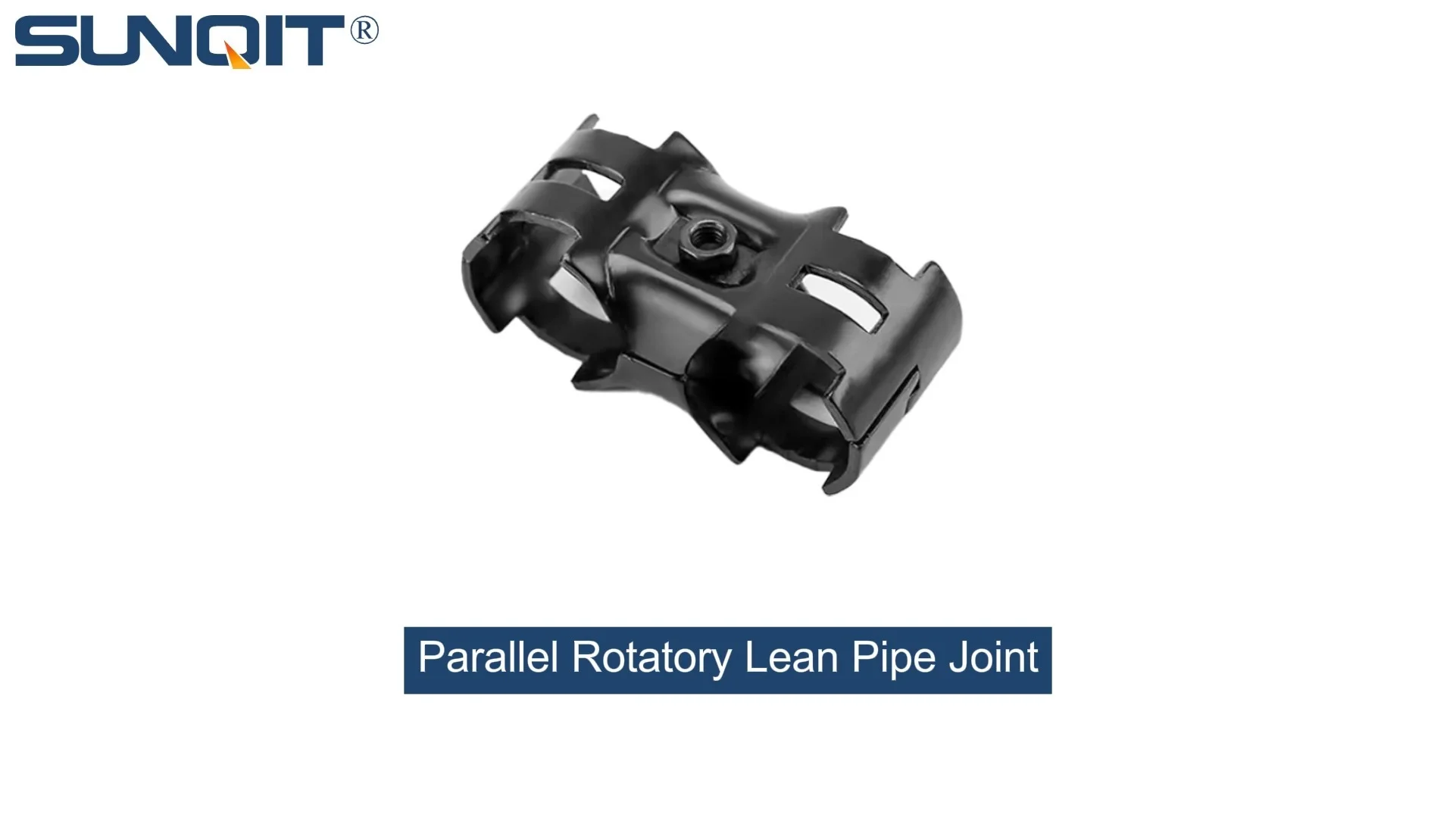
Parallel Rotatory Lean Pipe Joint
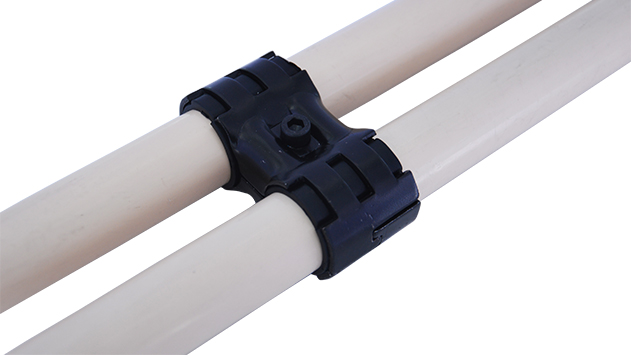
Parallel rotatory lean pipe joint, for 2 pcs pipe conenction in parallel direction with rotatory function.
In the fast-paced world of food processing, where every second counts and safety is non-negotiable, the smallest details can make the biggest difference. From the moment raw ingredients arrive at the facility to the final packaging of finished products, maintaining a hygienic environment is paramount. Contamination risks lurk around every corner—hidden in hard-to-reach crevices of equipment, trapped in rigid structures, or spread through inefficient workflow design. This is where lean manufacturing systems step in, offering flexibility and efficiency, but their success hinges on one often-overlooked component: the joints that hold everything together. Among these, parallel rotatory lean pipe joints have emerged as unsung heroes, blending structural adaptability with critical hygiene features that keep food safe and production lines running smoothly.
Understanding Lean Pipe Systems in Food Processing
Lean pipe systems, also known as "flexible pipe systems," have revolutionized industrial workflows by providing modular, customizable structures that adapt to evolving production needs. Composed of pipes, joints, and accessories (collectively referred to as lean pipe and accessories ), these systems are used to build everything from workbenches and material racks to conveyor supports and assembly lines. What makes them indispensable in food processing is their ability to be reconfigured quickly, reducing downtime and maximizing space efficiency—two factors that directly impact a plant's bottom line.
But in an industry where even a single bacterial colony can lead to product recalls or health crises, efficiency alone isn't enough. Lean systems must also prioritize hygiene. This is where the choice of components becomes critical. Pipes, for example, must resist corrosion and withstand frequent sanitization, while accessories like clamps and end caps need to seal tightly to prevent debris buildup. Yet, it's the joints—the connectors that link pipes into functional structures—that often pose the greatest hygiene challenge. Fixed joints, for instance, can create tight angles and crevices where food particles and bacteria thrive, turning a well-intentioned workflow solution into a contamination risk.
Parallel Rotatory Lean Pipe Joints: Design and Functionality
Enter the parallel rotatory lean pipe joint—a specialized connector designed to address both flexibility and hygiene. Unlike fixed joints, which lock pipes into static angles, these joints feature a rotational mechanism that allows connected pipes to swivel or pivot along a parallel axis. This rotation isn't just about adaptability; it's a game-changer for cleanliness. Imagine a material rack in a bakery where shelves need to be adjusted to accommodate different-sized ingredient bins. With fixed joints, workers might struggle to reach around rigid structures to clean underneath, leaving behind flour dust or crumbs. A parallel rotatory joint, by contrast, lets the shelf swing out of the way, exposing every surface for thorough sanitization.
At their core, parallel rotatory joints are engineered for minimalism. Their design prioritizes smooth, rounded surfaces and eliminates sharp edges or recesses where debris could accumulate. The rotational component itself is typically housed within a sealed casing, preventing lubricants or food particles from seeping into internal mechanisms. This attention to detail isn't accidental: it's a direct response to the unique demands of food processing, where even a tiny gap can become a breeding ground for pathogens like Salmonella or Listeria .
Key Design Features of Parallel Rotatory Joints
To understand why these joints excel in hygienic environments, let's break down their critical design elements:
- Crevice-Free Construction: Traditional lean pipe joint designs often have threaded connections or overlapping parts that create small gaps. Parallel rotatory joints, however, use precision-machined components with tight tolerances, ensuring surfaces meet seamlessly without trapping residue.
- Smooth Contours: Edges are rounded, and surfaces are polished to prevent food particles from clinging. This is especially important in wet environments, such as poultry or dairy processing, where moisture can mix with debris to form biofilms.
- Lockable Rotation: While rotation is a key feature, these joints include locking mechanisms to secure pipes in place during operation. This prevents unintended movement that could disrupt workflows or create instability, all while allowing easy adjustment when cleaning or reconfiguring.
- Material Compatibility: Most parallel rotatory joints are designed to pair with stainless steel pipes—a material renowned for its hygiene benefits, which we'll explore in detail next.
Materials Matter: The Role of Stainless Steel Pipe Series
When it comes to food contact surfaces, material selection is the first line of defense against contamination. Parallel rotatory joints, no matter how well-designed, are only as hygienic as the pipes they connect. This is why the stainless steel pipe series has become the gold standard in food processing. Unlike plastic-coated pipes (which can chip or degrade over time) or aluminum (which may react with acidic foods), stainless steel offers a unique combination of properties that make it ideal for the job.
Stainless steel's most valuable trait is its corrosion resistance, thanks to a chromium oxide layer that forms on its surface. This layer acts as a barrier, preventing rust and degradation even when exposed to harsh sanitizers like chlorine or peracetic acid—common in daily cleaning routines. For food processors, this means pipes and joints maintain their integrity over years of use, reducing the need for frequent replacements and minimizing the risk of material flaking into products.
Equally important is stainless steel's smooth, non-porous surface. Unlike wood or even some plastics, it doesn't absorb liquids or harbor bacteria. A quick wipe with a sanitizing cloth or a pass through a high-pressure washer is often enough to remove residue, making daily cleaning faster and more effective. In fact, studies have shown that stainless steel surfaces reduce bacterial retention by up to 90% compared to porous materials, a statistic that carries significant weight in an industry where cross-contamination is a constant threat.
Not all stainless steel is created equal, though. Food processing facilities typically opt for 304 or 316 grade stainless steel. 304 is suitable for most dry or moderately wet environments, while 316 (often called "marine grade") offers enhanced resistance to salt and acidic substances, making it ideal for seafood processing or plants using brine solutions. When paired with parallel rotatory joints made from the same grade, the result is a system that's not only durable but also inherently hygienic.

Hygiene by Design: How Parallel Rotatory Joints Minimize Contamination Risks
In food processing, "hygiene by design" isn't just a buzzword—it's a regulatory requirement. Guidelines from organizations like the FDA (U.S.) and EFSA (EU) mandate that equipment be designed to allow for easy cleaning and inspection, with no hidden areas that could compromise food safety. Parallel rotatory lean pipe joints embody this principle by addressing three critical contamination risks: residue buildup, difficult-to-clean areas, and cross-contamination during reconfiguration.
Residue Buildup: A Preventable Problem
Food processing lines are messy by nature. Flour dust, meat juices, and sticky syrups are just a few of the substances that can coat equipment surfaces. Over time, these residues harden, creating a substrate for bacteria to grow. Fixed joints, with their rigid angles, are particularly susceptible: a 90-degree elbow joint, for example, creates a corner where residue can accumulate out of sight. Parallel rotatory joints, by contrast, allow pipes to rotate, which disrupts the formation of static crevices. When a joint swivels, it exposes all surfaces to cleaning tools, ensuring that even hard-to-reach spots are sanitized.
Consider a snack food plant that uses a lean pipe system to support a conveyor belt carrying potato chips. Traditional fixed joints along the conveyor support might trap oil and crumbs, requiring workers to disassemble the structure entirely for deep cleaning—a time-consuming process that halts production. With parallel rotatory joints, the supports can be rotated outward, giving cleaners full access to the conveyor's underside. What once took hours now takes minutes, reducing downtime and ensuring no residue is left behind.
Ease of Disassembly: No Tools, No Trouble
Even the most accessible joints need occasional disassembly for thorough cleaning, especially in high-risk areas like meat processing or dairy production. Many traditional joints require tools (wrenches, screwdrivers) to take apart, increasing the likelihood of damage to components or improper reassembly—both of which can create new hygiene risks. Parallel rotatory joints, however, are often tool-free. Their locking mechanisms can be released with a simple twist or flip, allowing quick removal of pipes for soaking or high-pressure washing. This not only speeds up cleaning but also reduces human error, as workers are less likely to rush through reassembly when tools aren't involved.
Cross-Contamination During Reconfiguration
Food processing plants frequently reconfigure lean systems to accommodate new products or seasonal demand. While this flexibility is a hallmark of lean manufacturing, it also introduces cross-contamination risks if components aren't properly sanitized between uses. Parallel rotatory joints mitigate this by being easy to wipe down and resistant to scratching—even after repeated adjustments. Unlike plastic joints, which can develop micro-abrasions over time, stainless steel joints maintain their smooth finish, ensuring that bacteria have nowhere to hide, even after years of reconfiguration.

Lean Pipe and Accessories: Complementing Joints for Optimal Hygiene
Parallel rotatory joints are powerful on their own, but their hygiene benefits are amplified when paired with the right lean pipe and accessories . These complementary components work together to create a seamless, contamination-resistant system. Let's explore a few key accessories and how they enhance hygiene:
Sealed End Caps
Open pipe ends are a magnet for dust, moisture, and debris. Sealed end caps, made from food-grade plastic or stainless steel, snap onto pipe terminals to create a tight seal. When used with parallel rotatory joints, they prevent contaminants from entering the pipe's interior, where cleaning tools can't reach. Look for end caps with smooth, rounded edges to avoid creating new crevices.
Non-Slip Foot Adjusters
Workbenches and racks built with lean pipes need to stay stable, but adjustable feet can sometimes trap debris under the base. Non-slip foot adjusters with broad, flat surfaces distribute weight evenly and are easy to clean. When paired with parallel rotatory joints, which allow workbenches to be tilted or rotated, these feet ensure stability during operation and full access during cleaning.
Food-Grade Gaskets
For joints that require an extra layer of protection (e.g., in wet environments), food-grade gaskets made from silicone or EPDM rubber create a watertight seal. These gaskets prevent liquids from seeping into joint mechanisms, reducing the risk of bacterial growth. When used with parallel rotatory joints, they maintain flexibility without compromising hygiene—a critical balance in dynamic systems.
Hygiene Comparison: Parallel Rotatory vs. Traditional Lean Pipe Joints
To fully appreciate the hygiene benefits of parallel rotatory lean pipe joints, it's helpful to compare them directly to traditional joint types. The table below highlights key differences in design, cleaning ease, and contamination risk—factors that matter most in food processing.
| Feature | Parallel Rotatory Lean Pipe Joints | Traditional Fixed Joints | Benefit for Food Processing |
|---|---|---|---|
| Crevice Design | Smooth, rounded surfaces with minimal gaps | Sharp angles and threaded connections create crevices | Reduces bacterial hiding spots by up to 80% |
| Cleaning Access | Rotational movement allows full surface exposure | Fixed angles limit access to hidden areas | Cuts cleaning time by 30–50% for hard-to-reach spots |
| Disassembly | Tool-free, quick-release locking mechanisms | Often requires tools (wrenches, screwdrivers) | Minimizes downtime during deep cleaning or reconfiguration |
| Material Compatibility | Designed for stainless steel pipe series | May use plastic or coated pipes (prone to degradation) | Enhances corrosion resistance and longevity in sanitized environments |
| Residue Buildup | Rotation disrupts static residue accumulation | Fixed positions allow residue to harden over time | Lowers risk of biofilm formation on joint surfaces |
Regulatory Compliance: Meeting Food Safety Standards
In food processing, compliance isn't optional—it's a legal and ethical obligation. Organizations like the FDA (U.S.), EC (EU), and CFIA (Canada) have strict guidelines for equipment design, and parallel rotatory lean pipe joints are no exception. For example, the FDA's 21 CFR 177.2600 regulation specifies that materials in contact with food must be "safe and suitable," a standard that stainless steel easily meets. Similarly, the EU's Regulation (EC) No. 10/2011 sets limits on the migration of substances from materials into food, ensuring that even trace elements from joints don't contaminate products.
Parallel rotatory joints, when paired with stainless steel pipes, exceed these standards by design. Their smooth surfaces prevent bacterial adhesion, while their corrosion resistance ensures they won't degrade into food products over time. Additionally, many manufacturers provide documentation (such as material safety data sheets and compliance certificates) to verify that their joints meet these regulatory requirements—an essential consideration for food processors during audits.
Real-World Impact: A Case Study in Poultry Processing
To put these benefits into context, let's look at a real-world example: a mid-sized poultry processing plant in the Midwest that switched to parallel rotatory lean pipe joints in 2023. Prior to the switch, the plant used fixed-joint lean systems for its deboning workbenches and material racks. Workers complained that cleaning the fixed 90-degree joints under the workbenches was time-consuming, often requiring them to kneel or crawl to reach tight spots. Audits revealed occasional bacterial counts (specifically Campylobacter ) in these areas, leading to increased scrutiny from regulators.
The plant's operations manager decided to retrofit the workbenches with parallel rotatory joints and stainless steel pipes. Within three months, the results were striking: cleaning time for each workbench dropped from 45 minutes to 15 minutes, as workers could now rotate the bench legs outward to expose all surfaces. Bacterial testing showed a 92% reduction in Campylobacter counts, and the plant passed its next regulatory audit with zero findings. Perhaps most importantly, worker satisfaction improved, as the reduced physical strain from cleaning led to fewer absences and higher productivity.
Future Trends: Innovations in Lean Pipe Hygiene
As food processing continues to evolve, so too will the technology behind lean pipe systems. One emerging trend is the integration of antimicrobial coatings on parallel rotatory joints. These coatings, often infused with silver ions or other natural antimicrobials, actively inhibit bacterial growth on surfaces, adding an extra layer of protection between cleanings. While stainless steel already resists bacteria, these coatings could prove valuable in high-risk environments like raw meat processing.
Another area of innovation is smart joints equipped with sensors that monitor cleaning frequency or detect loosening connections. For example, a joint with a built-in RFID tag could send alerts to maintenance teams if it hasn't been sanitized within a specified timeframe, ensuring compliance with cleaning schedules. While still in the early stages, these technologies have the potential to transform proactive hygiene management in food plants.
Conclusion: Prioritizing Hygiene Without Sacrificing Efficiency
In food processing, the pursuit of efficiency and hygiene must go hand in hand. Parallel rotatory lean pipe joints embody this balance, offering the flexibility of lean systems while addressing the unique contamination risks of the industry. By combining smooth, crevice-free design with the durability of stainless steel and the convenience of tool-free adjustment, these joints prove that even the smallest components can have a big impact on food safety.
As the poultry plant case study shows, investing in hygienic lean components isn't just about compliance—it's about protecting brand reputation, improving worker well-being, and ultimately, delivering safer products to consumers. For food processors looking to stay ahead in a competitive, regulated industry, parallel rotatory lean pipe joints aren't just a choice—they're a necessity.
In the end, it's clear that when it comes to lean systems in food processing, the joints that connect the pipes are just as important as the pipes themselves. And with parallel rotatory joints leading the way, the future of hygienic, efficient production has never looked brighter.