- Company Articles
- Products and Technology
- Application Cases
- Parallel Rotatory Lean Pipe Joints in Furniture Manufacturing: Innovations

Parallel Rotatory Lean Pipe Joints in Furniture Manufacturing: Innovations
Related Product
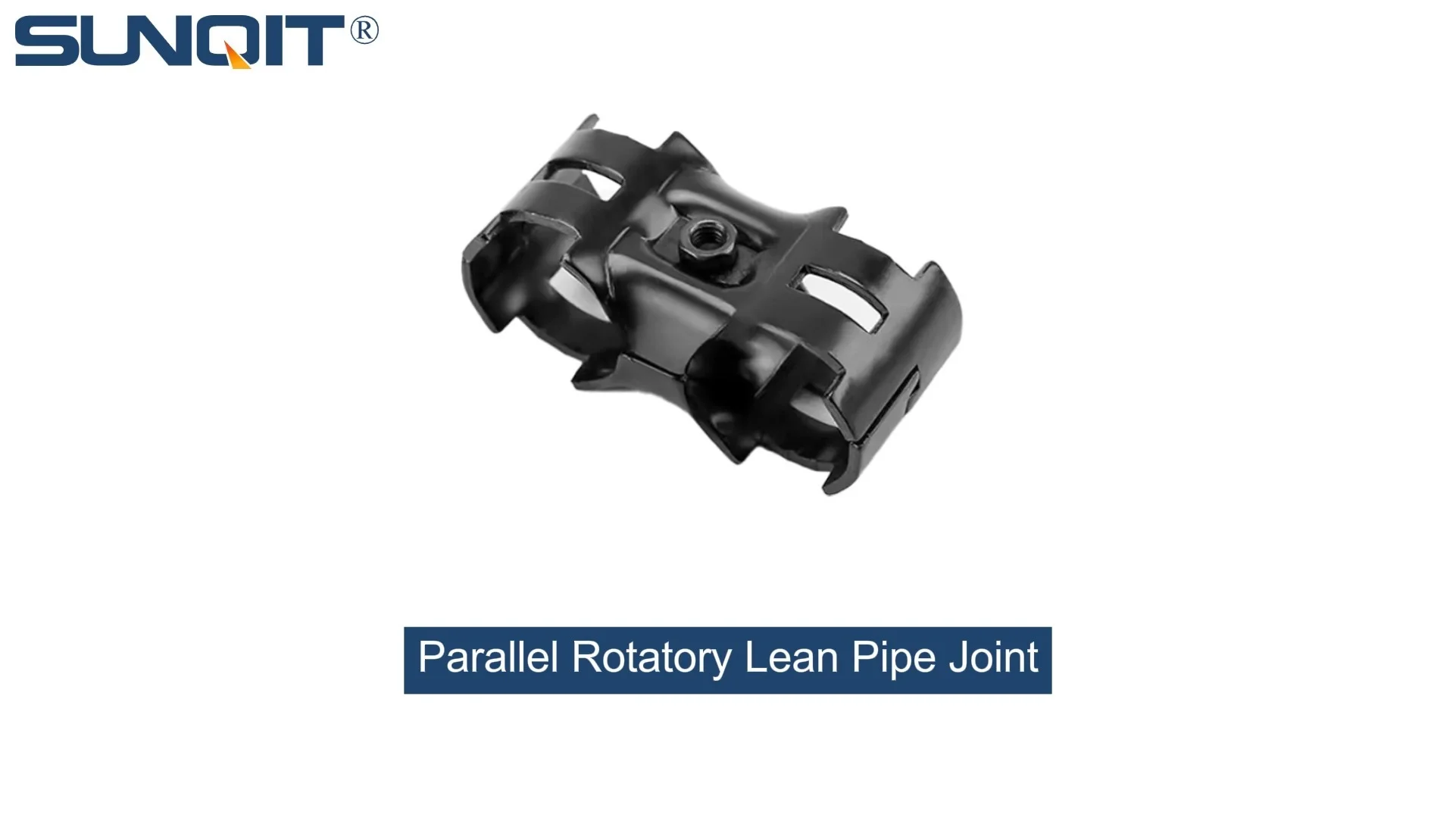
Parallel Rotatory Lean Pipe Joint
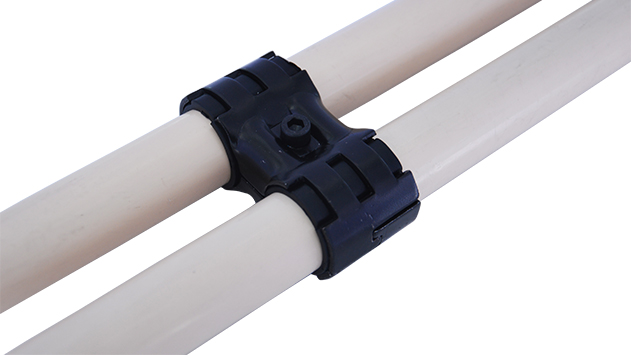
Parallel rotatory lean pipe joint, for 2 pcs pipe conenction in parallel direction with rotatory function.
Step into a modern furniture manufacturing facility, and you'll notice a subtle yet powerful shift happening on the factory floor. Gone are the days of rigid, one-size-fits-all production lines and clunky, immovable workstations. Today's furniture makers are embracing flexibility, adaptability, and efficiency—and at the heart of this transformation lies a humble yet revolutionary component: the parallel rotatory lean pipe joint. This unassuming piece of hardware, paired with lean pipe and aluminum profile, is redefining how furniture is designed, built, and delivered. In this article, we'll explore how parallel rotatory lean pipe joints are driving innovation in furniture manufacturing, from the workshop floor to the finished product.
The Evolution of Lean Pipe: From Factory Floors to Furniture Workshops
Lean pipe, originally developed for industrial manufacturing to streamline workflows and reduce waste, has come a long way since its inception. Traditionally made from steel pipes coated in plastic, lean pipe systems (often called "kitchen pipe" systems for their simple, modular design) allowed factories to build custom workbenches, flow racks, and material handling trolleys with minimal tools and maximum flexibility. But as furniture manufacturing evolved—shifting toward smaller batches, custom designs, and faster turnaround times—manufacturers needed more than just basic lean pipe. They needed components that could keep up with the industry's demand for agility.
Enter the parallel rotatory lean pipe joint. Unlike fixed joints that lock pipes into static angles, these innovative connectors allow for 360-degree rotation and parallel adjustment, enabling workers to reconfigure workstations, racks, and assembly lines in minutes. For furniture makers, this means the ability to switch from building a dining table to a bookshelf without overhauling the entire production setup. It's a small change that has a massive impact on productivity, especially for small to mid-sized workshops where space and resources are limited.
Understanding Parallel Rotatory Lean Pipe Joints: More Than Just a Connector
At first glance, a parallel rotatory lean pipe joint might look like any other industrial connector—a metal or plastic fitting with holes for inserting lean pipe. But its true genius lies in its internal mechanism. Most parallel rotatory joints feature a dual-axis design: one axis allows the pipe to rotate horizontally (parallel to the ground), while the other lets it pivot vertically. This dual movement means that a workbench built with these joints can be adjusted for height, angle, or even converted into a mobile trolley with the addition of casters—all without disassembling the entire structure.
Take, for example, a workbench used for assembling wooden chairs. In the morning, the bench might be set at a standard height (36 inches) for cutting and sanding. By afternoon, when the team switches to upholstery, the same bench can be rotated to a 45-degree angle, allowing workers to access the chair's underside without bending over. Later, if the bench needs to be moved to a different part of the factory, the legs can be adjusted to lock into place, ensuring stability during transport. This level of adaptability was unheard of with traditional fixed joints, which required cutting and reattaching pipes to make even minor adjustments.
| Feature | Benefit for Furniture Manufacturing |
|---|---|
| 360-degree rotation | Quick reconfiguration of workstations for different furniture types |
| Parallel adjustment | Maintains stability even when pipes are rotated, preventing wobbling during assembly |
| Tool-free operation | Workers can adjust setups without stopping production to find tools |
| Compatibility with lean pipe and aluminum profile | Works with existing systems, reducing upgrade costs |
Another key advantage of parallel rotatory joints is their durability. Made from high-grade materials like reinforced plastic or aluminum, they can withstand the daily wear and tear of a furniture workshop—from heavy wooden planks being placed on workbenches to constant reconfiguration. Unlike cheaper plastic joints that crack under pressure, these connectors are built to last, making them a cost-effective investment for manufacturers looking to scale.
Why Furniture Manufacturers Are Embracing This Innovation
To understand the impact of parallel rotatory lean pipe joints, let's look at the challenges furniture manufacturers face daily. Custom orders, varying product sizes, and limited floor space are just a few of the hurdles. Traditional fixed workbenches and flow racks often become bottlenecks: a bench that's perfect for assembling a sofa is too low for refinishing a tabletop; a flow rack designed for small parts can't accommodate large wooden panels. This leads to wasted time, as workers either adapt to suboptimal setups or spend hours reconfiguring equipment.
Parallel rotatory joints solve this problem by turning static structures into dynamic tools. For instance, a flow rack used to store chair legs in the morning can be rotated and adjusted in the afternoon to hold table aprons. A workbench can be raised or lowered to match the height of the worker, reducing fatigue and improving precision—critical for tasks like joinery or upholstery, where even a small mistake can ruin a piece. In fact, ergonomic adjustments alone have been shown to reduce workplace injuries by up to 25% in furniture workshops, according to industry studies.
Cost is another factor. Furniture manufacturing is a competitive industry, and margins are tight. Investing in custom, fixed equipment for every product line is financially impractical, especially for businesses that handle hundreds of unique orders per year. Parallel rotatory lean pipe joints, paired with standard lean pipe and aluminum profile, offer a budget-friendly alternative. Instead of buying a new workbench for each product, manufacturers can reuse existing components, cutting down on equipment costs by 30-40% over time.

Synergy with Aluminum Profile: A Match Made for Modern Manufacturing
While parallel rotatory lean pipe joints are game-changers on their own, their true potential is unlocked when paired with aluminum profile. Aluminum profile—extruded aluminum with T-slot grooves—has become a staple in modern manufacturing for its strength, lightweight design, and versatility. When combined with lean pipe and parallel rotatory joints, aluminum profile creates a system that's both robust and flexible, ideal for furniture production.
Aluminum profile's T-slot design allows for easy attachment of accessories like shelves, tool holders, and lighting, turning a basic workbench into a fully equipped assembly station. For example, a workbench frame built with aluminum profile and parallel rotatory joints can have a plywood top for cutting, a metal vice for clamping, and a LED light strip mounted along the edge—all without drilling holes or welding. When the workbench needs to be reconfigured, these accessories can be removed and reattached in seconds, thanks to the T-slot system.
Aluminum's lightweight nature also makes it easier to move heavy workstations. A typical aluminum profile workbench with parallel rotatory joints weighs 30-50% less than a steel equivalent, meaning two workers can relocate it across the factory floor without a forklift. This is a huge advantage for small workshops where space is at a premium and every square foot needs to be multi-functional.

Real-World Applications: How Furniture Makers Are Using Parallel Rotatory Joints
Let's take a closer look at how parallel rotatory lean pipe joints are being used in furniture manufacturing today. Consider a family-owned workshop in North Carolina that specializes in custom wooden dining sets. Before adopting parallel rotatory joints, the workshop had three fixed workbenches: one for cutting, one for assembly, and one for finishing. If a customer ordered a set of chairs (which required more assembly space) or a large dining table (which needed a bigger cutting surface), the team would have to rearrange tools and materials, losing 1-2 hours of production time per switch.
After switching to a modular system with parallel rotatory joints and aluminum profile, the workshop replaced the three fixed benches with two adjustable ones. Each bench can be extended by adding lean pipe sections (connected via parallel rotatory joints) or folded down to save space. The cutting bench, for example, can be widened from 24 inches to 48 inches by rotating the side pipes and locking them into place. The assembly bench, equipped with casters, can be moved next to the finishing area, reducing the distance workers carry (semi-finished products). As a result, the workshop has cut setup time by 70% and increased daily output by 15%, all while using the same floor space.
Another example is a West Coast manufacturer that builds modular office furniture. Their biggest challenge was handling the wide range of panel sizes—from small desk dividers to large cabinet doors. Traditional flow racks, with fixed roller tracks, couldn't accommodate the varying widths, leading to jams and damaged panels. By installing parallel rotatory lean pipe joints on the flow rack supports, the team can now adjust the angle and spacing of the roller tracks to match each panel size. The racks also tilt forward for easy access or backward to store panels vertically, freeing up floor space. Workers report fewer damaged panels (a 20% reduction) and faster loading/unloading times, making the production line more efficient and less frustrating.
Future Innovations: What's Next for Parallel Rotatory Lean Pipe Joints?
As furniture manufacturing continues to evolve, so too will the technology that supports it. Parallel rotatory lean pipe joints are just the beginning. Suppliers are already developing smart joints with built-in sensors that can track usage (e.g., how often a workbench is adjusted) and send alerts when maintenance is needed. Imagine a joint that detects excessive wear and notifies the workshop manager via app, preventing unexpected breakdowns during a busy production run.
There's also growing interest in sustainable materials. While most parallel rotatory joints are made from aluminum or reinforced plastic, some manufacturers are experimenting with recycled plastics and biodegradable composites, aligning with the furniture industry's push for eco-friendly practices. These green joints maintain the same strength and flexibility as traditional ones but have a lower carbon footprint—a selling point for both manufacturers and environmentally conscious customers.
Integration with Industry 4.0 is another frontier. In smart factories, parallel rotatory joints could be connected to IoT (Internet of Things) systems, allowing for automated adjustments. For example, a workbench could receive a signal from the production schedule and automatically reconfigure itself for the next order, reducing human error and further cutting setup time. While this technology is still in its early stages, it's clear that parallel rotatory joints will play a key role in the future of connected manufacturing.
Conclusion: Small Joints, Big Impact
In the world of furniture manufacturing, where precision, speed, and creativity collide, the smallest tools often make the biggest difference. Parallel rotatory lean pipe joints may not grab headlines like 3D printers or CNC machines, but their impact on the factory floor is undeniable. By enabling flexibility, reducing setup time, and improving ergonomics, these innovative connectors are helping furniture makers adapt to changing demands, reduce costs, and deliver better products to customers.
Whether paired with lean pipe, aluminum profile, or future smart technologies, parallel rotatory lean pipe joints represent more than just a manufacturing trend—they're a testament to the power of simplicity and adaptability. As the industry continues to evolve, one thing is clear: the future of furniture manufacturing will be built on systems that can rotate, adjust, and grow with the needs of the people who use them. And at the center of it all? A humble joint that just keeps turning.