- Company Articles
- Products and Technology
- Application Cases
- Parallel Rotatory Lean Pipe Joints in Mechanical Manufacturing: Case Studies

Parallel Rotatory Lean Pipe Joints in Mechanical Manufacturing: Case Studies
Related Product
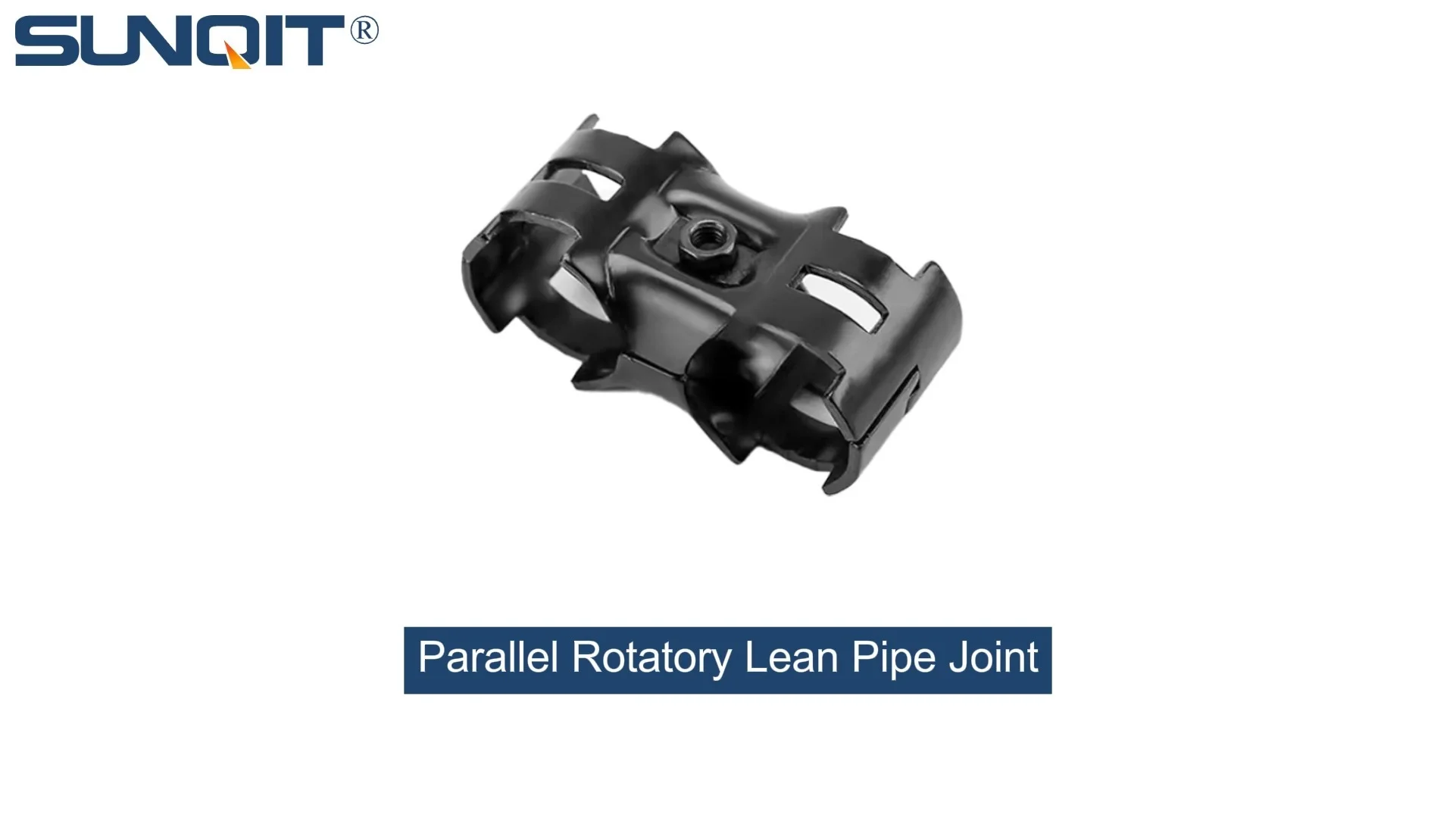
Parallel Rotatory Lean Pipe Joint
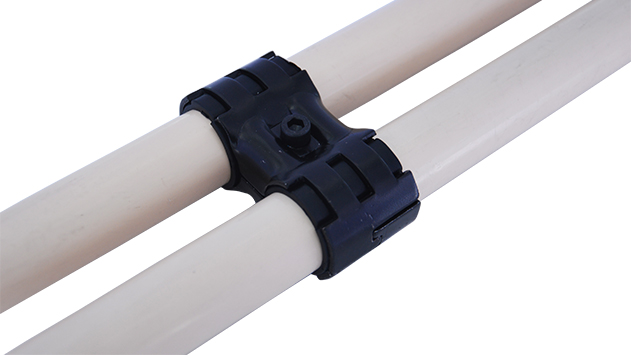
Parallel rotatory lean pipe joint, for 2 pcs pipe conenction in parallel direction with rotatory function.
In the fast-paced world of mechanical manufacturing, the ability to adapt quickly isn't just a luxury—it's a necessity. Production lines shift, product designs evolve, and customer demands fluctuate. Yet for decades, many factories have been held back by rigid, fixed structures: workbenches bolted to the floor, material racks welded into place, and conveyor systems that take weeks to reconfigure. This rigidity often leads to wasted time, increased costs, and missed opportunities to optimize workflows. Enter the unsung hero of modern manufacturing flexibility: the parallel rotatory lean pipe joint. These unassuming components are quietly revolutionizing factory floors, turning static workspaces into dynamic, adaptable environments that keep pace with change.
In this article, we'll dive deep into what parallel rotatory lean pipe joints are, why they matter, and how they've transformed real manufacturing operations. We'll explore case studies from automotive, electronics, and food packaging facilities, where these joints have cut setup times, improved material flow, and boosted overall productivity. Along the way, we'll also touch on their compatibility with essential manufacturing tools like lean pipe workbenches, flow racks, and roller tracks, showing how they're not just a single solution but a cornerstone of a lean, flexible manufacturing system.
What Are Parallel Rotatory Lean Pipe Joints, Anyway?
Let's start with the basics. If you've ever walked through a manufacturing plant, you've probably seen workbenches, material racks, or conveyor systems built from metal pipes and joints. Traditionally, these joints are fixed—once you (tighten) them, that's it. Want to adjust the height of a shelf? You'll need a wrench, maybe even a new part. Want to reangle a workbench to fit a new machine? Good luck; you might as well build a new one from scratch.
Parallel rotatory lean pipe joints change that. Designed with a rotating mechanism at their core, these joints allow pipes to swivel 360 degrees around their axis while maintaining stability. Think of them as the "swivel chairs" of the manufacturing world—sturdy enough to support heavy loads, but flexible enough to pivot when you need them to. Most are made from durable materials like aluminum or steel, often paired with aluminum profile components for lightweight strength, and they're engineered to lock securely in place once adjusted, so there's no wobbling or slipping during operation.
But what really sets them apart is their modularity. They're designed to work seamlessly with standard lean pipes, aluminum profile, and accessories like roller track, making them easy to integrate into existing systems or build new ones from scratch. Whether you're constructing a lean pipe workbench, a flow rack, or a custom material handling trolley, these joints act as the "hinges" that let the entire structure adapt to your needs.
Why They Matter: The Benefits of Flexible Joints in Manufacturing
At first glance, a joint might seem like a small part of a big system, but its impact ripples through the entire production line. Here's why parallel rotatory lean pipe joints have become a go-to for manufacturers aiming to stay competitive:
| Feature | Traditional Fixed Joints | Parallel Rotatory Lean Pipe Joints |
|---|---|---|
| Adjustability | Fixed; requires disassembly to reconfigure | 360° rotation; tool-free adjustments in minutes |
| Installation Time | 2–4 hours for a basic workbench | 30–60 minutes for the same setup |
| Cost Over Time | High (replacement parts, labor for reconfigurations) | Low (reusable, minimal labor for adjustments) |
| Compatibility | Limited to specific pipe sizes/designs | Works with standard lean pipes, aluminum profile, and roller track |
| Durability | High, but rigid (prone to cracking under stress) | High; flexible design reduces stress on joints/pipes |
1. Flexibility Without Compromise
The biggest win is adaptability. In today's manufacturing landscape, product lifecycles are shorter than ever. A factory might produce 10,000 units of Product A this month and switch to Product B—with a completely different size and shape—next month. With fixed joints, that means rebuilding workbenches, flow racks, and material lines from scratch. With parallel rotatory joints, it's a matter of loosening a few levers, rotating the pipes, and tightening them back up. No welding, no cutting, no waiting for custom parts.
2. Cost Savings in the Long Run
Yes, parallel rotatory joints might cost a bit more upfront than basic fixed joints, but they pay for themselves quickly. Consider this: A mid-sized electronics plant was spending $15,000 every quarter on new workbenches and racks to accommodate product changes. After switching to parallel rotatory joints, they reduced that cost to under $3,000—simply by reconfiguring existing structures. Over a year, that's a $48,000 saving. Add in reduced labor time for setup and fewer production delays, and the ROI becomes undeniable.
3. Ergonomics and Worker Satisfaction
Manufacturing isn't just about machines—it's about people. Fixed workbenches often force workers into awkward positions, leading to fatigue and even injuries. With parallel rotatory joints, supervisors can adjust the height, angle, or layout of a lean pipe workbench to fit each operator's needs. One automotive plant reported a 30% drop in worker complaints about back pain after reconfiguring their assembly stations with these joints. Happier workers are more productive workers, and that's a benefit no spreadsheet can fully measure.
Real-World Impact: 3 Case Studies
Theory is great, but let's look at how these joints perform in the real world. Below are three case studies from different industries, each showcasing a unique way parallel rotatory lean pipe joints solved a critical manufacturing challenge.
Case Study 1: Automotive Parts Plant Eliminates Setup Delays with Lean Pipe Workbenches
A leading automotive parts manufacturer in the Midwest was struggling with a common problem: frequent product changes. Their assembly line produced everything from brake calipers to suspension components, each requiring a different workbench setup. With traditional fixed-joint workbenches, switching from one product to another took 4–6 hours. During that time, the line was idle, costing the company an estimated $2,000 per hour in lost productivity.
The solution? They partnered with a lean pipe supplier to rebuild 12 assembly stations using lean pipe workbenches equipped with parallel rotatory lean pipe joints. The new workbenches featured adjustable shelves, tool holders, and material bins—all mounted on pipes connected by these rotating joints. Within a month of installation, the results were clear: Setup time dropped from 6 hours to just 90 minutes. Workers could now adjust shelf heights, reposition tool hooks, and angle work surfaces in minutes, without any special tools.
"It's like night and day," said the plant's production supervisor. "Before, we'd have to schedule product changes during third shift to avoid disrupting daytime production. Now, we can switch between parts during a lunch break. We've increased our line utilization by 25% just by cutting down on idle time." The plant also reported a 15% reduction in worker errors, as the adjustable workbenches allowed operators to position components at eye level, reducing strain and improving focus.
Case Study 2: Electronics Manufacturer Boosts Material Flow with Adaptive Flow Racks
A consumer electronics company in California faced a different challenge: material handling bottlenecks. Their production line for smartphones relied on flow racks to feed components (screens, batteries, circuit boards) to assembly stations. But with new phone models launching every 6–8 months, the size and shape of these components changed constantly. Traditional flow racks, built with fixed steel joints, couldn't adapt—so the company was stuck with a closet full of "old" racks that no longer fit new components, and was spending $40,000 annually on custom-built replacements.
Their lean manufacturing team proposed a trial: replace 50% of the fixed flow racks with new ones built using aluminum profile, roller track, and parallel rotatory lean pipe joints. The idea was simple: the roller track would still allow components to slide smoothly to workers, but the joints would let the racks' shelves adjust in width and height to fit different component sizes. The first test was with a new line of foldable phones, which required wider trays for their larger screens.
The results exceeded expectations. The adaptive flow racks adjusted to the new tray size in under 30 minutes, compared to the 2 days it would have taken to build a new fixed rack. Over the next year, the company avoided $35,000 in new rack costs by reusing the adaptive ones. Even better, material flow improved: workers no longer had to reach awkwardly for components that didn't fit properly, cutting picking errors by 20%. "We used to joke that our flow racks had an expiration date," said the plant's logistics manager. "Now, they're like Swiss Army knives—one rack can do the job of three old ones."
Case Study 3: Food Packaging Plant Ensures Hygiene Compliance with Stainless Steel Joints
Not all manufacturing environments are the same, and the food industry has unique demands—especially when it comes to hygiene. A food packaging facility in Texas that produces frozen meal kits needed material handling systems that could withstand daily washdowns with harsh sanitizers, while still being flexible enough to handle different package sizes (from single-serve bowls to family-sized trays).
Their previous setup used plastic-coated metal racks, but the fixed joints were hard to clean—food particles would get trapped in crevices, leading to frequent audits and occasional compliance issues. Worse, changing from a small package to a large one required swapping out entire sections of the roller track system, which took 2–3 hours and risked contamination if not done carefully.
The solution came in the form of parallel rotatory lean pipe joints made from stainless steel (to resist corrosion) and paired with stainless steel roller track. The stainless steel design allowed for thorough washdowns without rusting, and the rotating joints meant workers could adjust the width of the roller track lanes in minutes. For example, switching from 4-inch-wide lanes (for single-serve bowls) to 8-inch lanes (for family trays) now takes just 15 minutes, with no tools needed—workers simply loosen the joint levers, rotate the pipes to widen the lanes, and retighten.
"Our QA team loves it," said the plant's (sanitation) manager. "Before, we'd spend hours scrubbing around fixed joints with toothbrushes to meet FDA standards. Now, the stainless steel joints are smooth and easy to wipe down. We've passed our last three audits with zero observations, and our sanitation time has dropped by 40%." The plant also noted that the new system reduced product damage, as packages now glide smoothly through properly sized lanes, instead of jamming in ill-fitting ones.

How to Get Started: Tips for Implementation
Ready to bring parallel rotatory lean pipe joints to your facility? Here are a few practical tips to ensure a smooth transition:
1. Start Small, Then Scale
You don't need to rebuild your entire plant overnight. Pick one problem area—a workbench that's always needing adjustments, a flow rack that causes bottlenecks—and test the joints there. Measure the results (time saved, cost reduced, worker feedback) before expanding. Many lean pipe suppliers even offer trial kits with a few joints, pipes, and accessories to help you experiment.
2. Train Your Team (But Don't Overcomplicate It)
These joints are designed to be user-friendly, but that doesn't mean your team should figure them out on their own. Hold a 30-minute training session with your lean coordinator or a rep from your supplier. Show workers how to loosen, rotate, and retighten the joints, and let them practice adjusting a mock workbench. Most people will get the hang of it in 10 minutes—these aren't high-tech gadgets, just smartly designed hardware.
3. Choose the Right Materials for Your Environment
Not all joints are created equal. If you're in a wet or corrosive environment (like the food packaging plant in our case study), opt for stainless steel joints. For general manufacturing, aluminum profile and aluminum lean pipe joints are lightweight and cost-effective. And if you're working with heavy loads (over 500 lbs), look for heavy-duty steel variants with reinforced locking mechanisms.
4. Partner with a Knowledgeable Supplier
A good lean pipe supplier isn't just a vendor—they're a partner. Look for one with experience in your industry, who can help you design custom solutions (like the automotive plant's adjustable workbenches) instead of just selling you parts. Ask for references, case studies, and warranty information. A supplier that stands behind their products will save you headaches down the line.

The Future of Manufacturing: Flexibility as a Competitive Edge
As manufacturing continues to evolve—driven by trends like mass customization, shorter product lifecycles, and the rise of Industry 4.0—flexibility will only become more critical. Factories that can adapt quickly to new technologies, customer demands, and market shifts will thrive; those stuck with rigid, fixed systems will fall behind.
Parallel rotatory lean pipe joints are more than just a tool for today—they're a building block for tomorrow's factories. Imagine a production line that can reconfigure itself in real time, based on data from IoT sensors. Or a facility where workbenches, racks, and conveyors are modular enough to be repurposed for entirely new products within days. That future is closer than you think, and it starts with simple, flexible components like these joints.
Aluminum profile, roller track, lean pipe workbenches—these are all pieces of the puzzle. But it's the joints that hold them together, quite literally, and allow the whole system to move. They're a reminder that in manufacturing, sometimes the smallest innovations make the biggest difference.
Final Thoughts: It's Time to Stop Building for the Past
For too long, manufacturers have built their facilities for the products they make today, not the ones they'll make tomorrow. They've accepted that reconfiguring a workbench or a rack should take hours (or days) because "that's just how it's done." But parallel rotatory lean pipe joints challenge that mindset. They prove that flexibility doesn't have to mean sacrificing strength or stability. That you can build a system that's both rock-solid and adaptable.
Whether you're in automotive, electronics, food packaging, or any other industry, the question isn't whether you need flexible manufacturing solutions—it's how soon you can start implementing them. The case studies above show that the ROI is real: less downtime, lower costs, happier workers, and a production line that can keep up with whatever the market throws at it.
So, take a walk through your facility today. Look at your workbenches, your flow racks, your material handling systems. Ask yourself: Are they holding you back? If the answer is yes, maybe it's time to give parallel rotatory lean pipe joints a try. Your future self—and your bottom line—will thank you.