- Company Articles
- Products and Technology
- Product knowledge
- Parallel Rotatory Lean Pipe Joints: Lightweight Design Benefits

Parallel Rotatory Lean Pipe Joints: Lightweight Design Benefits
Related Product
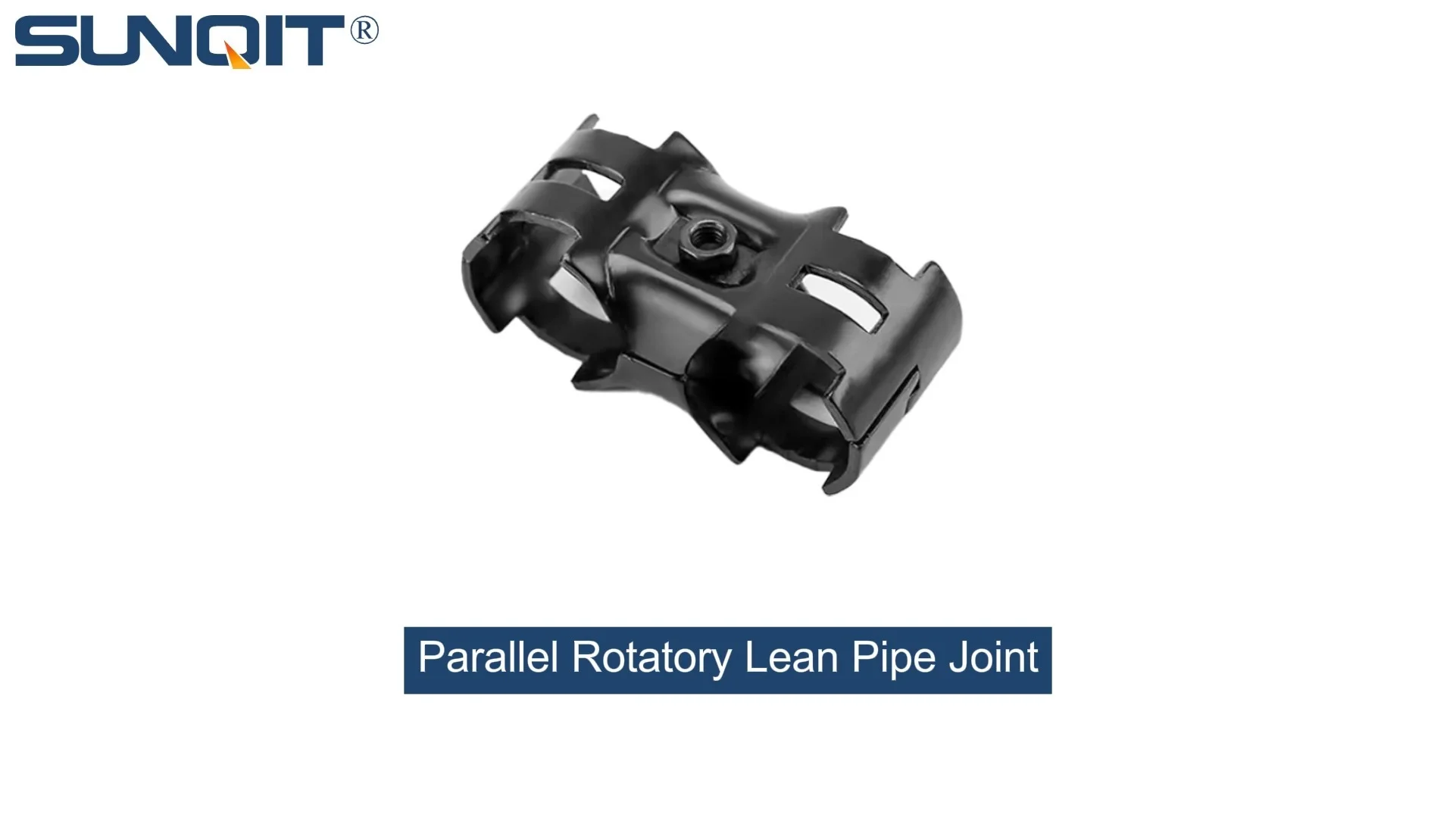
Parallel Rotatory Lean Pipe Joint
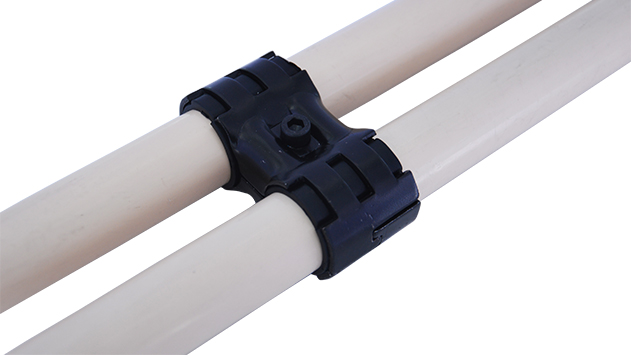
Parallel rotatory lean pipe joint, for 2 pcs pipe conenction in parallel direction with rotatory function.
In the fast-paced world of manufacturing, where every second counts and efficiency is the name of the game, the smallest components often hold the biggest power to transform operations. Think about the workstations where your team assembles products, the material racks that keep parts organized, or the roller tracks that move components from one stage to the next—these systems don't just appear out of thin air. They're built piece by piece, relying on a network of pipes, connectors, and joints to come together. And among these unsung heroes, one component is quietly revolutionizing how factories adapt, evolve, and thrive: the parallel rotatory lean pipe joint. What makes it stand out? Its lightweight design. In an industry where heavy machinery and bulky parts are the norm, this small but mighty connector is proving that "lightweight" doesn't mean "less capable"—in fact, it's quite the opposite.
What Are Parallel Rotatory Lean Pipe Joints, Anyway?
Before diving into the benefits, let's get clear on what we're talking about. Parallel rotatory lean pipe joints are specialized connectors used in lean manufacturing systems, designed to link lean pipes (hollow tubes typically made of steel, aluminum, or plastic-coated materials) into structures like workbenches, material racks, trolleys, and roller tracks. What sets them apart from standard joints is their dual functionality: they allow for both rotation (so pipes can pivot and adjust angles) and parallel alignment (keeping pipes straight and evenly spaced, even as the structure is reconfigured). And while their mechanical design is impressive, it's their commitment to lightweight materials—often paired with aluminum lean pipe—that truly makes them a game-changer.
Traditional joints, especially those made from solid steel, can be clunky and heavy. They're durable, sure, but that durability comes at a cost: difficulty in handling, limited flexibility, and a tendency to weigh down the entire structure. Parallel rotatory joints flip the script. By using high-strength yet lightweight materials like aluminum alloys, they slash unnecessary weight without compromising on stability. This might sound like a small tweak, but in the day-to-day grind of a factory floor, it's a difference that ripples through every aspect of operations.
The Lightweight Advantage: Why "Less Weight" Means "More Gains"
Let's break down the benefits of this lightweight design. It's not just about making things easier to lift (though that's a big part of it). It's about reimagining what a lean system can do—how adaptable it is, how safe it is, and how much value it brings to the people who use it every day.
1. Easier Handling, Faster Reconfiguration
In manufacturing, change is constant. A production line might need to shift from assembling 500 units of Product A to 1,000 units of Product B overnight. A workstation that worked for a team of three might suddenly need to accommodate five. When these changes happen, the last thing anyone wants is to spend hours (or days) dismantling and rebuilding structures because the joints are too heavy to move. Parallel rotatory lean pipe joints eliminate that headache.
Consider Maria, a production supervisor at a small electronics plant. Last month, her team needed to reconfigure their assembly line to fit a new component. With traditional steel joints, moving even a single section of the workbench required two workers and a hand truck—it was slow, and the risk of damaging parts (or worse, injuring someone) was high. Now, with aluminum lean pipe and parallel rotatory joints, Maria's team can adjust the line themselves, no extra help needed. The joints are light enough to twist, rotate, and reposition with one hand, using simple tools (or sometimes no tools at all). What used to take half a day now takes 30 minutes. "It's like going from a wrench to a Swiss Army knife," she says. "We're not just saving time—we're saving our energy for the work that actually matters."
2. Reduced Fatigue, Increased Productivity
Heavy joints don't just slow down reconfiguration—they wear people out. Lifting, carrying, and maneuvering bulky components all day takes a toll on workers' bodies, leading to fatigue, soreness, and even long-term injuries. Over time, this translates to lower productivity, more sick days, and a less engaged team. Lightweight parallel rotatory joints flip the script here, too.
A study by the Manufacturing Ergonomics Institute found that workers using lightweight tools and components reported 23% less physical fatigue at the end of their shifts compared to those using traditional heavy equipment. That's a significant number. When joints are light, workers can focus on the task at hand—assembling products, organizing materials, solving problems—instead of struggling with the tools they use to do it. And when fatigue goes down, errors go down, too. It's a win-win for both the team and the bottom line.
3. Mobility: Lean Systems That Keep Up with Your Pace
Many lean systems aren't meant to be permanent. Workbenches might need to roll to a new location for a special project. Material racks might follow the flow of production as demand shifts. Trolleys loaded with parts need to move smoothly from station to station. But if the structure itself is heavy—thanks to steel joints and thick pipes—mobility becomes a chore. Parallel rotatory lean pipe joints, paired with lightweight aluminum lean pipe, make mobility effortless.
Take the example of a turnover trolley used to transport circuit boards in a tech factory. A traditional trolley with steel joints and pipes might weigh 80 pounds empty. Add 20 pounds of circuit boards, and you're looking at 100 pounds to push, pull, and navigate around corners. With parallel rotatory joints and aluminum lean pipe, that same trolley weighs just 45 pounds empty. Suddenly, even a smaller team member can move it with ease, and there's less risk of damaging the delicate boards inside. "We used to have to schedule 'trolley runs' with two people," says Raj, a floor manager. "Now, anyone can grab one and go. It's freed up so much time—time we can spend actually building things."
4. Safety: Less Strain, Fewer Accidents
Safety is non-negotiable in manufacturing. Every year, thousands of workplace injuries are caused by lifting heavy objects or struggling with cumbersome equipment. Lightweight parallel rotatory joints directly address this risk. When joints are light, there's less strain on backs, shoulders, and knees. Workers don't have to overexert themselves to adjust a workstation or move a rack, which means fewer sprains, strains, and falls.
OSHA (Occupational Safety and Health Administration) recommends limiting manual lifting to 50 pounds for most tasks to reduce injury risk. Traditional steel joints can weigh 3–5 pounds each; multiply that by 10 joints on a single workbench, and you're already at 30–50 pounds just in connectors. Add pipes, and the total weight skyrockets. Parallel rotatory joints, by contrast, weigh as little as 0.5–1 pound each. That cuts the joint weight alone by 60–80%, making it far easier to stay within safe lifting limits. It's a small change, but it sends a big message: your team's well-being matters.
Beyond the Joint: How Lightweight Design Supports the Entire Lean System
Parallel rotatory lean pipe joints don't work in isolation—they're part of a larger ecosystem: the lean system. Lean manufacturing is all about eliminating waste, streamlining flow, and creating value for the customer. Lightweight joints align perfectly with these goals, making the entire system more efficient, adaptable, and cost-effective.
For starters, they reduce waste in time and labor. When reconfiguring a workstation takes minutes instead of hours, you're not wasting valuable production time. When workers aren't exhausted from moving heavy components, they're more focused and productive. And when mobility is easy, materials flow smoothly from one stage to the next, eliminating bottlenecks and delays.
They also support modularity, a key pillar of lean systems. Modular setups let you build only what you need, when you need it—no overbuilding or underutilizing space. Lightweight joints make modularity feasible because you can add, remove, or rearrange components without overhauling the entire structure. Need an extra shelf on a material rack? Just add a few pipes and joints. Want to split a workbench into two smaller stations? Disconnect a section and reposition it. It's flexibility at its finest.
And let's not forget cost. While high-quality parallel rotatory joints might have a slightly higher upfront cost than basic steel joints, the long-term savings are substantial. Less time spent on reconfiguration means lower labor costs. Fewer injuries mean lower workers' compensation claims and insurance premiums. Increased productivity means more output with the same team. Over time, these savings add up—making lightweight design a smart investment, not just a convenience.

Real-World Impact: From Workbenches to Roller Tracks
To truly understand the power of parallel rotatory lean pipe joints, let's look at how they're transforming specific tools and systems on the factory floor. Two common applications stand out: workbenches and roller tracks.
Workbenches: The Heart of the Operation
Workbenches are where the magic happens—where products are assembled, tested, and prepared for shipping. They need to be sturdy, organized, and adaptable. A workbench with parallel rotatory joints checks all these boxes. Imagine a workbench used for assembling small appliances. The surface needs to be at the right height for the worker, tools need to be within arm's reach, and parts bins need to be easy to access. With traditional joints, adjusting the height or rearranging the tool holders might require a wrench, a helper, and 20 minutes. With parallel rotatory joints, the worker can loosen a knob, rotate the legs to the desired height, and tighten it back up—all in 2 minutes, without leaving their seat.
Add aluminum lean pipe to the mix, and the workbench itself is lighter, making it easy to move if the production line shifts. Need to add a monitor arm for digital work instructions? Just clamp it to the pipe using a parallel joint, rotate it into position, and you're done. It's a workstation that adapts to the worker, not the other way around.
Roller Tracks: Keeping Materials Flowing
Roller tracks are the highways of the factory, moving materials from one station to the next with minimal effort. They rely on smooth, even alignment to prevent jams and ensure consistent flow. Parallel rotatory joints are ideal here because they allow for precise adjustment of the roller angles and spacing. If a roller track starts to misalign (which can happen with heavy use), a worker can simply rotate the joint to realign the rollers—no need to disassemble the entire track.
Lightweight design also matters for roller tracks, especially those mounted on mobile racks or overhead systems. Heavy joints can cause the track to sag over time, leading to uneven material flow. Parallel rotatory joints, being lighter, reduce stress on the track structure, extending its lifespan and keeping materials moving smoothly. It's a small detail that prevents big headaches down the line.

Traditional vs. Parallel Rotatory: A Side-by-Side Comparison
Still not convinced? Let's put traditional steel joints and parallel rotatory lean pipe joints head-to-head. The table below breaks down key factors to show why lightweight design is the future of lean manufacturing.
| Feature | Traditional Steel Joints | Parallel Rotatory Lean Pipe Joints (Aluminum) |
|---|---|---|
| Weight per joint | 3–5 pounds | 0.5–1 pound |
| Reconfiguration time | 30–60 minutes (requires tools/helpers) | 5–15 minutes (often tool-free) |
| Worker fatigue (1–10 scale) | 7–8 (high strain) | 2–3 (minimal strain) |
| Mobility of structures | Low (heavy, hard to move) | High (lightweight, easy to maneuver) |
| Safety risk (injury potential) | Moderate to high | Low |
| Long-term cost savings | Low (high labor/injury costs) | High (time saved, fewer injuries) |
The Future of Lean: Lightweight, Strong, and Ready to Adapt
As manufacturing continues to evolve—with trends like small-batch production, customization, and agile manufacturing on the rise—the demand for adaptable, efficient systems will only grow. Parallel rotatory lean pipe joints are perfectly positioned to meet this demand, thanks to their lightweight design and focus on flexibility. But the innovation doesn't stop here. Manufacturers of these joints are constantly refining materials and design, looking for ways to make them even lighter, stronger, and more user-friendly.
One emerging trend is the use of composite materials, which combine the strength of metal with the lightness of plastic, to create joints that are even more durable and lightweight. Another is integrating smart features, like built-in sensors that alert workers when a joint is loose or needs maintenance—preventing failures before they happen. And as aluminum lean pipe technology improves, we can expect pipes and joints to work together seamlessly, creating systems that are lighter, stronger, and more sustainable than ever.
But perhaps the biggest trend is a shift in mindset: recognizing that the smallest components can have the biggest impact. In the past, joints were an afterthought—something you picked up in bulk to connect pipes. Today, they're seen as strategic tools that drive efficiency, safety, and innovation. And parallel rotatory lean pipe joints are leading the charge.
Final Thoughts: Lightweight Design, Heavyweight Results
In the world of manufacturing, where every detail matters, parallel rotatory lean pipe joints prove that "lightweight" is not a compromise—it's a competitive advantage. By slashing unnecessary weight, these small but powerful connectors make workstations easier to reconfigure, teams more productive, and systems more adaptable. They support lean principles by reducing waste, streamlining flow, and maximizing value. And they put the well-being of workers front and center, because a team that's not struggling with heavy tools is a team that's focused on what really matters: building great products.
So, the next time you walk through a factory, take a closer look at the workbenches, the material racks, the roller tracks. Chances are, the ones that look the most efficient, the most adaptable, and the most worker-friendly are held together by joints that understand the power of lightweight design. And as manufacturing continues to evolve, one thing is clear: the future is lean, the future is flexible, and the future is light.