- Company Articles
- Products and Technology
- Product knowledge
- Parallel Rotatory Lean Pipe Joints: Reducing Waste in Manufacturing

Parallel Rotatory Lean Pipe Joints: Reducing Waste in Manufacturing
Related Product
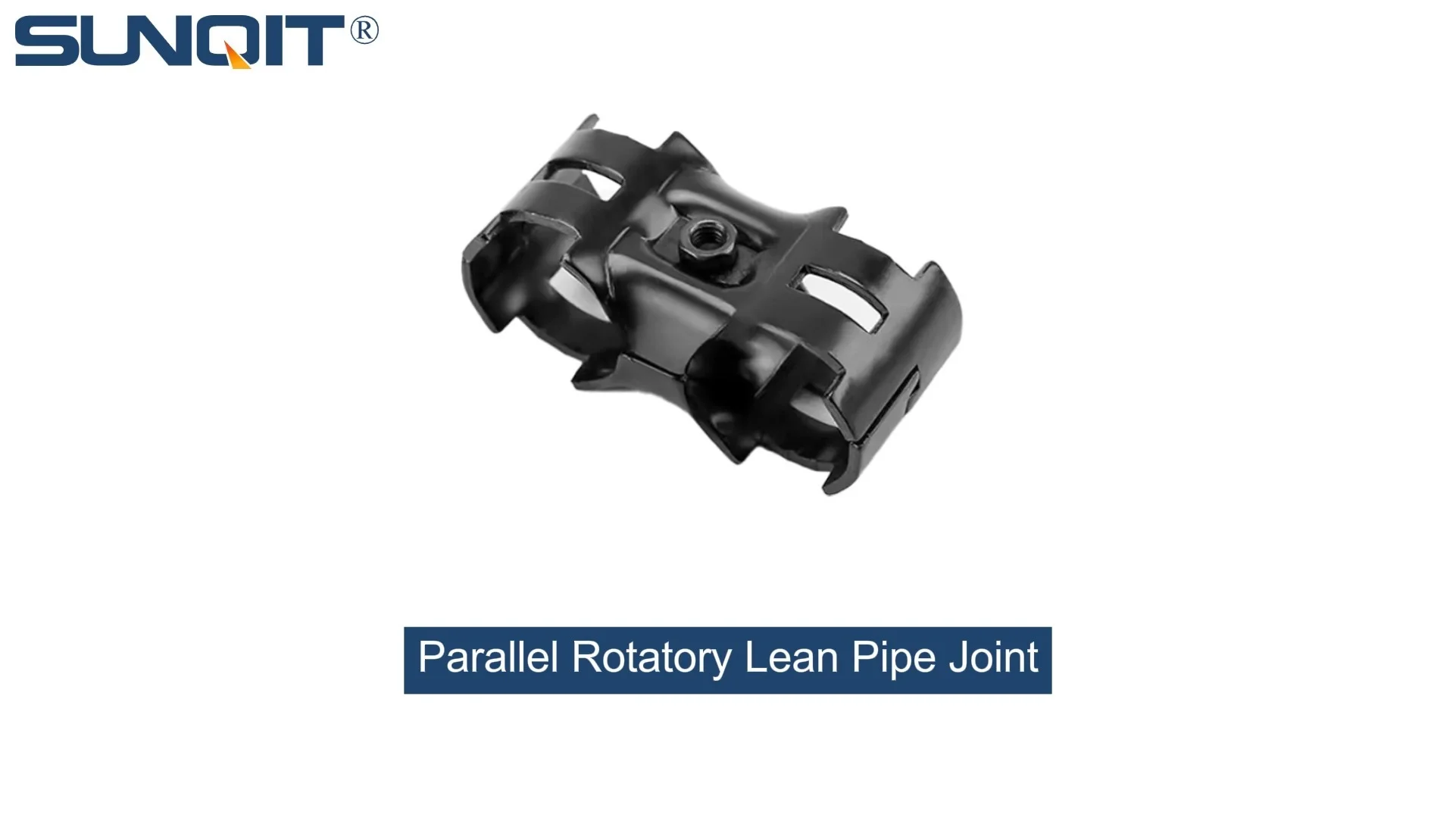
Parallel Rotatory Lean Pipe Joint
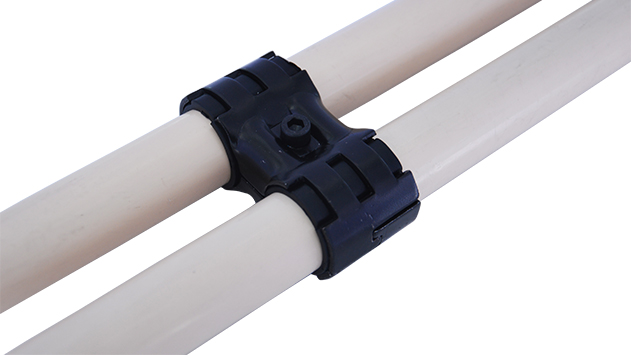
Parallel rotatory lean pipe joint, for 2 pcs pipe conenction in parallel direction with rotatory function.
Walk into any manufacturing facility, and you'll likely see the same silent struggles: workers stretching to reach tools just out of arm's length, materials piling up because the flow rack isn't angled right, and teams spending hours reconfiguring workbenches to fit a new product line. These aren't just minor inconveniences—they're hidden costs. Motion that wastes energy, downtime that stalls production, and excess inventory that clogs warehouses—all forms of "waste" that eat into profits and morale. But what if the solution to these problems was smaller than you think? Enter parallel rotatory lean pipe joints: unassuming components that are quietly revolutionizing how factories operate, one adjustable connection at a time.
Lean Systems: The Backbone of Efficient Manufacturing
Before diving into the specifics of parallel rotatory lean pipe joints, it's important to understand the bigger picture: lean systems. At their core, lean systems are about stripping away inefficiencies to create value—for customers, for workers, and for the business. They're built on the idea that every step in the production process should add value, not waste. And while lean principles often evoke images of big-picture strategies like just-in-time inventory or continuous improvement, the magic often lies in the details: the tools, the equipment, and yes, the joints that hold everything together.
Lean systems rely on modularity and flexibility. In today's fast-paced manufacturing world, where product lines change overnight and customization is king, rigidity is the enemy. Traditional fixed workbenches, static flow racks, and one-size-fits-all assembly lines can't keep up. That's where lean pipe systems—built from aluminum lean pipe, versatile joints, and compatible accessories—shine. They're like the Lego blocks of manufacturing: easy to assemble, reconfigure, and adapt to whatever the day throws at you. And at the heart of this adaptability? The parallel rotatory lean pipe joint.
Parallel Rotatory Lean Pipe Joints: A Closer Look
So, what exactly is a parallel rotatory lean pipe joint? Let's break it down. Imagine a small, sturdy connector designed to link aluminum lean pipes together—but with a twist (literally). Unlike traditional fixed joints that lock pipes into a rigid angle, these joints feature a rotating mechanism that allows connected pipes to swivel or pivot along a parallel axis. This might sound simple, but that rotation is a game-changer. It means a workbench shelf can tilt to a 15-degree angle for easier access, or a flow rack's roller track can be adjusted to guide materials more smoothly—all without grabbing a wrench or calling maintenance.
Most parallel rotatory joints are made from high-grade aluminum or steel, with a focus on durability. Aluminum lean pipe, in particular, is a popular choice for the pipes themselves because it's lightweight yet strong, resistant to corrosion, and easy to handle. When paired with a well-designed rotatory joint, the result is a system that's both robust enough to support heavy loads (think toolboxes, engine parts, or stacks of inventory) and nimble enough to reconfigure in minutes.
But it's not just about rotation. These joints also prioritize precision. The best ones feature smooth, backlash-free movement—no wobbling or sticking—so adjustments are consistent every time. They often include locking mechanisms, too: once you've set the angle you need, a simple lever or knob secures the joint in place, ensuring stability during operation. This combination of flexibility and reliability is what makes them indispensable in lean environments.
How Parallel Rotatory Joints Slash Manufacturing Waste
Let's get practical: how do these joints actually reduce waste? Let's walk through four common types of manufacturing waste and see how parallel rotatory lean pipe joints tackle them head-on.
1. Motion Waste: Less Stretching, More Doing
Motion waste is exactly what it sounds like: unnecessary movement by workers, whether it's reaching across a too-wide workbench, bending to pick up dropped parts, or walking back and forth to grab tools. Over time, these small movements add up—wasting time, causing fatigue, and even leading to injuries.
Parallel rotatory joints fight motion waste by putting tools and materials right where workers need them. Take Workbench E, a single-deck workbench without casters (a common setup in assembly lines). With traditional fixed joints, the height and angle of the work surface are set in stone. If a worker is shorter or taller than average, they're out of luck—they'll either strain to reach or hunch over, leading to discomfort and slower work.
Swap in parallel rotatory joints, though, and suddenly that workbench becomes adjustable. The surface can tilt to a slight angle, bringing components closer to eye level. Shelves can pivot to face the worker, so tools are within arm's reach instead of on the far side of the bench. The result? Workers move less, focus more, and get more done in less time.
2. Waiting Waste: Minimizing Downtime When Lines Change
In manufacturing, time is money—and waiting is the thief of time. When a production line switches from making Product A to Product B, every minute spent reconfiguring equipment is a minute the line isn't producing. Traditional setups often require disassembling and rebuilding workbenches or flow racks, which can take hours (or even days for complex systems).
Parallel rotatory joints slash this waiting time. Consider a flow rack like Material Rack B, a 3-row, 3-floor setup used to store and feed parts to an assembly line. If Product B's components are smaller and lighter than Product A's, the roller tracks on the rack might need a gentler slope to prevent jamming. With traditional joints, changing that slope would mean loosening bolts, adjusting the angle, and retightening—tedious work. With parallel rotatory joints? A worker can simply unlock the joint, pivot the track to the desired angle, and lock it back down. What once took an hour now takes five minutes. That's less downtime, more uptime, and faster time-to-market for new products.
3. Inventory Waste: Fewer Parts, More Versatility
Inventory waste isn't just about excess raw materials—it also includes spare parts, tools, and equipment that sit unused because they're too specialized. Traditional manufacturing setups often require a closet full of different joints: 90-degree elbows, 45-degree angles, T-joints, and so on. Each has a specific use, and if you don't have the right one on hand, you're stuck.
Parallel rotatory joints simplify this. Because they can adjust to multiple angles, one joint can replace several traditional ones. Need a 30-degree angle today and a 60-degree angle tomorrow? The same rotatory joint handles both. This reduces the need to stockpile dozens of specialized parts, freeing up warehouse space and cutting down on inventory costs. It also makes maintenance easier—instead of hunting for a rare joint, technicians can use the same rotatory joint they already have on hand.
4. Overprocessing: Precision That Reduces Rework
Overprocessing happens when tasks take longer than necessary due to poor setup—like when parts don't align properly during assembly, leading to rework, or when materials get stuck on a misaligned flow rack, causing jams. These issues don't just waste time; they also increase the risk of defects.
Parallel rotatory joints minimize overprocessing by ensuring precise alignment. For example, when assembling a complex component on a workbench, the ability to tilt the work surface slightly can make it easier to line up holes or fasteners, reducing errors. On a flow rack, adjusting the roller track angle with a rotatory joint ensures materials glide smoothly, preventing bottlenecks and jams. The result? Fewer mistakes, less rework, and higher-quality output—all with less effort.

Real-World Applications: From Workbenches to Turnover Trolleys
To truly appreciate the impact of parallel rotatory lean pipe joints, let's look at three common manufacturing setups and how these joints transform them.
Workbench E: A Customizable Workspace
Workbench E is a single-deck workbench without casters, a staple in assembly lines, repair shops, and packing stations. On the surface, it's simple: a flat top supported by aluminum lean pipes. But with parallel rotatory joints, it becomes a chameleon. Need to assemble small electronics? Tilt the top to a 10-degree angle to keep screws and tiny parts from rolling off. Switching to packing boxes? Level it back out. Adding a tool shelf? Rotate the side pipes to position the shelf at waist height for easy access. No tools, no hassle—just a workspace that adapts to the task, not the other way around.
Material Rack B: Smoother Material Flow
Material Rack B is a 3-row, 3-floor flow rack designed to hold bins of parts and feed them to workers on the line. Traditional flow racks have fixed roller tracks, which can be problematic if parts vary in size or weight—heavy parts might slide too fast, light ones might get stuck. Parallel rotatory joints solve this by letting operators adjust the track angle for each row. Heavier bins? A gentler slope to slow them down. Lighter parts? A steeper slope to keep them moving. This ensures a steady, consistent flow of materials, reducing jams and keeping the line running smoothly.
Turnover Trolleys: Adapting to Odd Shapes
Turnover trolleys are workhorses in manufacturing, used to transport parts between stations. But not all parts are the same—some are long and narrow, others are bulky and irregular. Traditional trolleys with fixed shelves can't accommodate this variety, leading to wasted space or damaged parts. Parallel rotatory joints change that. By adding rotatory joints to the trolley's shelf supports, workers can adjust shelf heights and angles on the fly. Need to carry a stack of circuit boards? Flatten the shelves. Transporting curved plastic components? Tilt the shelves to cradle the parts securely. It's like having a custom trolley for every job, without the cost of building a new one each time.

Traditional vs. Parallel Rotatory Joints: A Practical Comparison
| Feature | Traditional Fixed Joints | Parallel Rotatory Joints |
|---|---|---|
| Adjustment Time | 30–60 minutes (requires tools, disassembly) | 2–5 minutes (tool-free, no disassembly) |
| Angle Range | Fixed (e.g., 90°, 45°) | Adjustable (0°–180°, depending on model) |
| Part Versatility | Low (one joint per angle) | High (one joint for multiple angles) |
| Long-Term Cost | Higher (more parts, more labor for changes) | Lower (fewer parts, less labor) |
| Worker Satisfaction | Lower (frustration with fixed setups) | Higher (empowerment to adjust workspace) |
Choosing the Right Supplier: Quality Matters
Not all parallel rotatory lean pipe joints are created equal. To get the most out of these components, it's critical to partner with a reputable lean pipe supplier. Here's what to look for:
- Material Quality: The best joints are made from high-strength aluminum or stainless steel, with precision-machined components. Avoid cheap plastic or low-grade metal joints—they'll wear out quickly, leading to wobbling, sticking, or even failure under load.
- Compatibility: Ensure the joints work seamlessly with your existing aluminum lean pipe and accessories. A good supplier will provide detailed specs (pipe diameter, wall thickness, weight capacity) to ensure a perfect fit.
- Warranty and Support: Look for suppliers that stand behind their products with a solid warranty. They should also offer technical support—whether it's help with installation, troubleshooting, or custom configurations.
- Track Record: Ask for references or case studies from other manufacturers in your industry. A supplier with a history of serving similar businesses is more likely to understand your unique needs.
Remember: skimping on joint quality might save a few dollars upfront, but it will cost you in the long run—through downtime, rework, and even workplace injuries. Invest in quality, and you'll see the returns in smoother operations and happier workers.
Future Trends: The Evolving Role of Modular Lean Components
As manufacturing continues to evolve, so too will the tools that power it. Parallel rotatory lean pipe joints are no exception. Here are a few trends to watch:
Smart Integration
The rise of Industry 4.0 is bringing sensors and connectivity to even the smallest components. Future rotatory joints might include built-in sensors that track usage—how often they're adjusted, what angles are most common, or when wear and tear is starting to affect performance. This data can be fed into a central system, allowing managers to predict maintenance needs, optimize workflows, and even automate adjustments based on production schedules.
Sustainability Focus
Manufacturers are under increasing pressure to reduce their environmental footprint, and modular lean systems are perfectly positioned to help. Aluminum lean pipe is fully recyclable, and the versatility of parallel rotatory joints means fewer parts end up in landfills. Look for suppliers that prioritize eco-friendly materials and manufacturing processes—like using recycled aluminum or energy-efficient production methods.
Ergonomic Innovation
Worker well-being is becoming a top priority, and future joints may include features designed to reduce strain even further. Think soft-grip adjustment knobs, preset angle indicators for quick, consistent setups, or even motorized rotation for heavy-duty applications. The goal? To make adjusting workspaces not just easy, but effortless.
Conclusion: Small Joints, Big Impact
In the grand scheme of manufacturing, parallel rotatory lean pipe joints might seem like small players. But as we've explored, their impact is anything but small. They reduce motion waste by putting tools within reach, cut waiting time by simplifying reconfigurations, minimize inventory waste through versatility, and lower overprocessing by ensuring precision. They turn rigid workbenches into adaptable workspaces, static flow racks into dynamic material handlers, and generic trolleys into custom transporters.
At the end of the day, lean manufacturing is about empowering people—to work smarter, not harder; to adapt quickly; and to take pride in their workspace. Parallel rotatory lean pipe joints do exactly that. They're not just connectors; they're enablers. Enablers of efficiency, flexibility, and ultimately, success in a manufacturing landscape that waits for no one.
So, the next time you walk through a factory, take a closer look at the workbenches, the flow racks, and the trolleys. Chances are, the ones that are humming with productivity—where workers move with purpose, materials glide smoothly, and change is met with ease—are held together by these unassuming, hardworking joints. And that's the beauty of lean systems: sometimes, the smallest components make the biggest difference.