- Company Articles
- Products and Technology
- Product knowledge
- Parallel Rotatory Lean Pipe Joints vs. Fixed Joints: Critical Differences

Parallel Rotatory Lean Pipe Joints vs. Fixed Joints: Critical Differences
Related Product
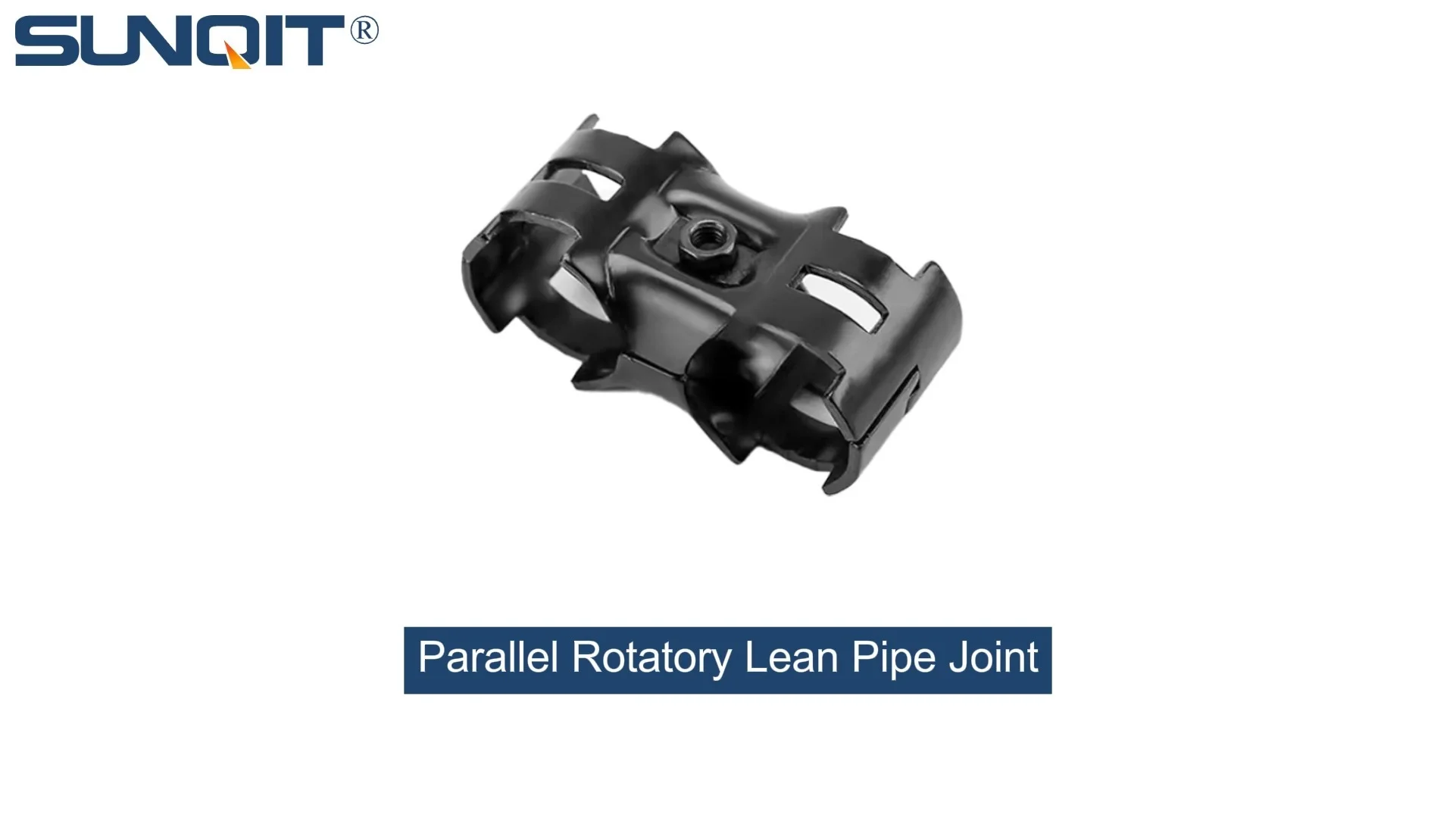
Parallel Rotatory Lean Pipe Joint
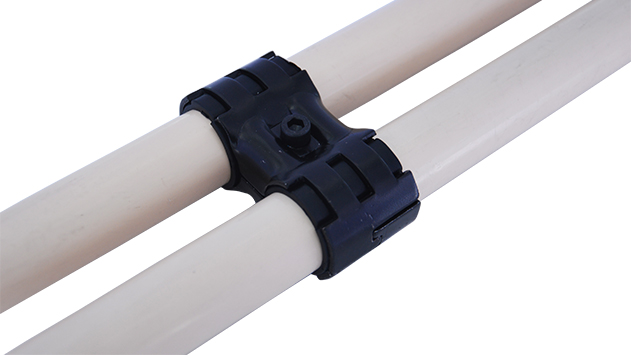
Parallel rotatory lean pipe joint, for 2 pcs pipe conenction in parallel direction with rotatory function.
In the world of lean system optimization, every component plays a pivotal role in streamlining workflows, reducing waste, and boosting productivity. Among these components, lean pipe joint s are the unsung heroes—quietly holding together the structures that power assembly lines, warehouses, and manufacturing floors. Today, we're diving deep into two foundational types: parallel rotatory lean pipe joints and fixed joints. By the end, you'll understand their design, functionality, and which one deserves a spot in your next workspace setup.
Understanding the Basics: What Are Lean Pipe Joints?
Before we compare, let's ground ourselves in the basics. Lean pipe joints are connecting components that link lean pipe s (hollow tubes made of steel, aluminum, or plastic) to form structures like workbenches, material racks, conveyor systems, and turnover trolleys. Think of them as the "glue" that turns individual pipes into functional, custom-built solutions for industrial and commercial spaces.
The beauty of lean pipe systems lies in their modularity—you can mix and match pipes, joints, and accessories (like caster wheel s or roller track guides) to create almost any structure. But that flexibility hinges on choosing the right joint. Parallel rotatory and fixed joints are two primary categories, each engineered for distinct purposes. Let's break them down.
Parallel Rotatory Lean Pipe Joints: The "Flexibility Experts"
Design: Built for Movement
Parallel rotatory lean pipe joints are the chameleons of the lean system world. Their defining feature? Rotation. Unlike rigid alternatives, these joints allow connected pipes to swivel, pivot, or rotate along a fixed axis—often up to 180 degrees or more. This movement isn't just for show; it's a strategic design choice for environments where adaptability is key.
Most modern rotatory joints are crafted from lightweight materials like aluminum (a nod to aluminum profile advantages) or high-strength steel. Aluminum variants, in particular, shine in applications where weight matters—think mobile workbenches or turnover trolleys that need to be moved frequently. The joints typically feature internal bearings or friction-reducing components to ensure smooth rotation without sacrificing stability.
Functionality: Adjust on the Fly
Imagine a manufacturing floor where assembly lines reconfigure weekly to accommodate new product runs. Or a warehouse where seasonal demand spikes require shifting material racks overnight. This is where parallel rotatory joints thrive. Their ability to rotate means you can adjust angles, reposition shelves, or even repurpose entire structures without disassembling them from scratch.
For example, a roller track system using rotatory joints can tilt to guide materials downhill or flatten to serve as a level surface—all with a simple twist of the joint. Similarly, a workbench with rotatory joints can adjust its height or angle to fit workers of different statures, reducing ergonomic strain and boosting comfort.
Common Applications
Rotatory joints are the go-to for dynamic environments. Here are a few real-world use cases:
- Reconfigurable Workbenches: Workstations that need to adapt to changing tasks (e.g., workbench e (single deck-without caster) setups that shift from assembly to packaging).
- Mobile Turnover Trolleys: Trolleys with adjustable shelves to fit varying load sizes, using rotatory joints to tilt shelves for easy loading/unloading.
- Flexible Roller Tracks: Roller track systems that need to navigate corners or adjust to different material flow directions.
- Prototype Assembly Lines: Temporary setups where testing different layouts is part of the process.
Fixed Lean Pipe Joints: The "Stability Specialists"
Design: Rigidity by Design
If parallel rotatory joints are about movement, fixed joints are about permanence. These joints lock pipes into place with zero rotation, creating rigid, rock-solid connections. They're engineered for stability, often made from heavy-duty steel or reinforced aluminum, and designed to withstand constant pressure, vibration, and heavy loads.
Fixed joints come in various shapes—elbows, tees, crosses—but all share a common trait: once installed, they don't budge. Their connection mechanisms range from bolt-on clamps to welded joints (though welding is less common in modular systems). Many use friction-based clamping to secure pipes, ensuring a tight fit that won't loosen over time, even under stress.
Functionality: Consistency You Can Count On
Stability is the name of the game for fixed joints. In environments where precision and consistency are non-negotiable—like high-speed conveyor lines or heavy-duty material storage—these joints deliver. They eliminate the risk of accidental movement, ensuring that structures stay aligned, levels remain true, and loads stay secure.
For instance, a material rack b (3 row and 3 floor) —a static storage system holding hundreds of pounds of inventory—relies on fixed joints to keep shelves level and prevent collapse. Similarly, a fixed conveyor system uses these joints to maintain a straight, steady path for materials, avoiding jams or misalignment that could halt production.
Common Applications
Fixed joints excel in static or high-load scenarios. Here are a few examples:
- Heavy-Duty Workbenches: Workstations for tasks like welding or machining, where vibration and weight require a stable base.
- Static Material Racks: Storage systems like material rack b that stay in place for years, holding consistent inventory.
- Permanent Conveyor Lines: High-throughput systems where even minor shifts could disrupt production.
- ESD Workstations: Static-sensitive electronics assembly areas where stability prevents electrostatic discharge risks.

Head-to-Head: Key Differences in Design & Function
Now that we've explored each joint type, let's compare them side by side. The table below highlights critical differences in design, functionality, and practical use.
| Feature | Parallel Rotatory Lean Pipe Joints | Fixed Lean Pipe Joints |
|---|---|---|
| Adjustability | High: Rotates 30–180 degrees; allows on-the-fly angle/position changes. | Low: Rigid connection; no rotation or movement once installed. |
| Load Capacity | Moderate: Typically 50–200 lbs per joint (varies by material; aluminum models lower). | High: Often 200–500+ lbs per joint (steel models handle the heaviest loads). |
| Installation Time | Longer: Requires aligning moving parts (e.g., bearings) and testing rotation. | Shorter: Simple clamp/bolt-on design; no need for rotation testing. |
| Maintenance Needs | Higher: Moving parts (bearings, hinges) may need lubrication or replacement over time. | Lower: No moving parts; occasional tightening of clamps/bolts is usually sufficient. |
| Cost | Higher: More complex design with moving components (e.g., aluminum bearings). | Lower: Simpler, rigid construction with fewer parts. |
| Best For | Dynamic environments with frequent layout changes (e.g., prototype labs, seasonal warehouses). | Static, high-load setups (e.g., heavy manufacturing, long-term storage). |

Choosing the Right Joint: 5 Factors to Consider
With their pros and cons laid out, how do you decide between parallel rotatory and fixed joints? Here are five critical factors to guide your choice:
1. Workflow Variability
Ask: How often does your workspace layout change? If you're running a factory with weekly product line switches, rotatory joints offer the flexibility to reconfigure workbench es or roller tracks quickly. If your setup (like a dedicated warehouse storage area) stays the same for years, fixed joints will serve you better.
2. Load Requirements
Be honest about weight: Are you storing lightweight components or heavy machinery? A rotatory joint might struggle with a 400-lb shelf, but a fixed steel joint will handle it effortlessly. Always check the manufacturer's load ratings—overloading any joint is a safety risk.
3. Budget Constraints
Rotatory joints cost more upfront, but they save money long-term if you frequently reconfigure. Fixed joints are cheaper initially but could lead to higher costs if you need to rebuild structures later. Balance short-term savings with long-term needs.
4. Ergonomics & Worker Safety
For workstations where employees adjust heights or angles (e.g., assembly lines), rotatory joints reduce strain by letting workers customize their space. In high-vibration areas (e.g., machining), fixed joints prevent wobbling that could cause accidents or errors.
5. Material Compatibility
Match joints to your pipes! If you're using aluminum profile pipes for lightweight setups, aluminum rotatory joints are a natural fit. For steel pipes in heavy-duty systems, steel fixed joints ensure compatibility and maximum strength.
Real-World Scenarios: When to Pick Which
Scenario 1: A Small Electronics Assembly Shop
A shop that builds custom circuit boards has frequent order changes—one week, they're assembling smartwatches; the next, Bluetooth speakers. Their workspace needs to shift from small-part sorting stations to larger device testing areas. Here, parallel rotatory joints make sense. They can quickly reconfigure workbench es, adjust roller track angles to guide different-sized components, and even repurpose trolleys for new tasks. The slightly higher cost is offset by the time saved on rebuilding from scratch.
Scenario 2: A Automotive Parts Warehouse
This warehouse stores heavy engine blocks and transmissions on multi-tiered racks. The layout rarely changes—parts are loaded/unloaded in the same spots daily, and safety is paramount. Fixed joints are the clear choice here. They provide the rigidity needed to support 500-lb loads per shelf, and their low maintenance means fewer shutdowns for repairs. A rotatory joint here would risk instability and frequent failures under constant stress.
Scenario 3: A Mid-Size Bakery's Packaging Line
The bakery runs two shifts: morning for bread (bulky, low-volume) and afternoon for pastries (small, high-volume). Their packaging conveyor needs to switch between wide belts (for bread) and narrow tracks (for pastries). A hybrid approach works best: fixed joints anchor the main conveyor frame for stability, while parallel rotatory joints on the track guides allow quick width adjustments. This balances rigidity where it's needed with flexibility where it's useful.
Final Thoughts: It's About Balance
Parallel rotatory and fixed lean pipe joints aren't rivals—they're tools, each with a job to do. Rotatory joints bring flexibility to dynamic workspaces, letting you adapt to change without rebuilding. Fixed joints bring stability to static, high-load setups, ensuring safety and consistency.
When planning your next lean system , start by mapping your needs: workflow frequency, load size, budget, and long-term goals. Mix and match if needed—many successful setups use both joint types to balance flexibility and stability. And remember: the best joint is the one that makes your workspace work for you, not against you.
Whether you're outfitting a startup workshop or upgrading a factory floor, choosing the right joint will transform your space from a collection of pipes into a lean, mean productivity machine.