- Company Articles
- Products and Technology
- Product knowledge
- Parallel Rotatory Lean Pipe Joints vs. Swivel Joints: Which to Choose?

Parallel Rotatory Lean Pipe Joints vs. Swivel Joints: Which to Choose?
Related Product
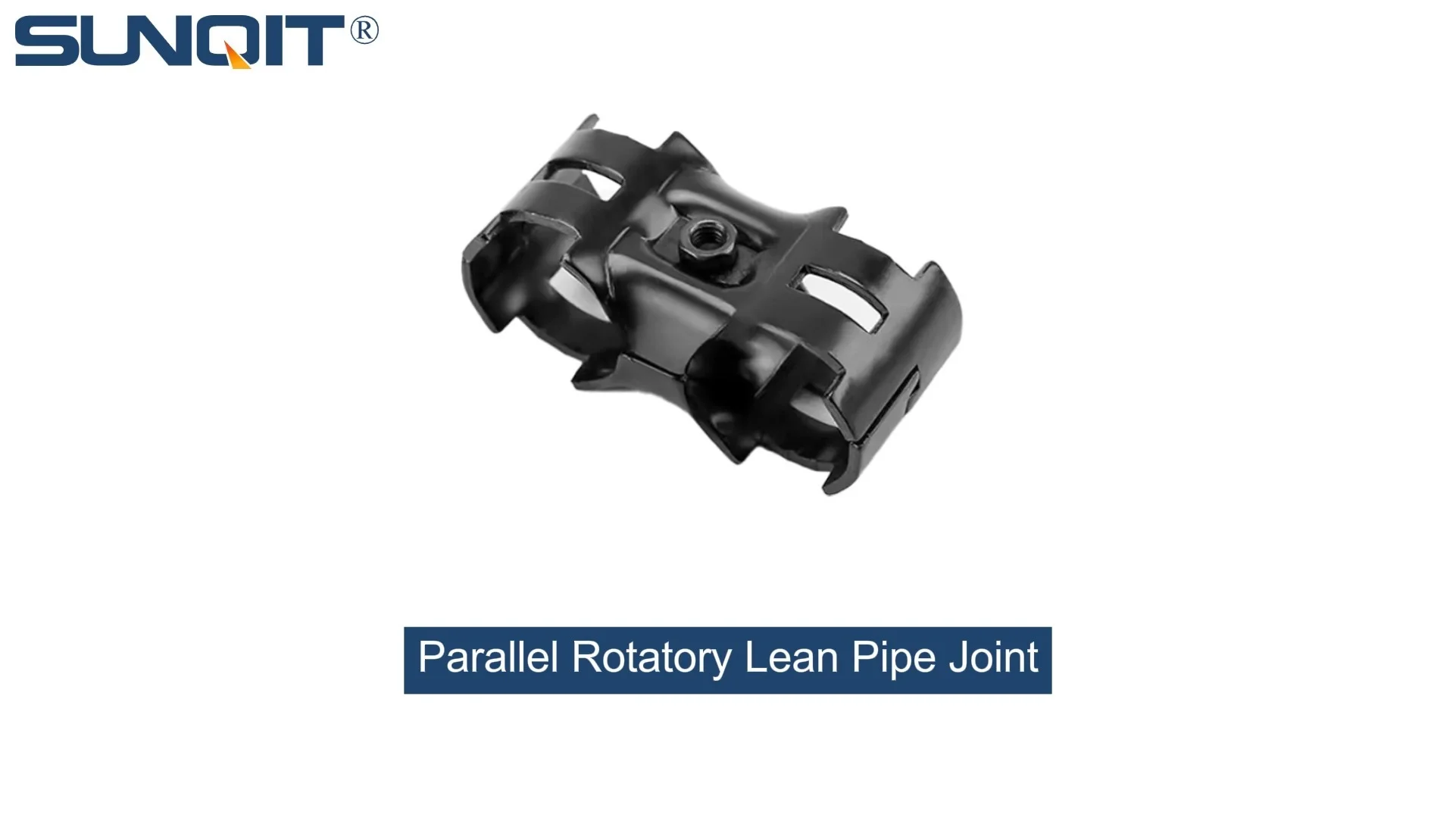
Parallel Rotatory Lean Pipe Joint
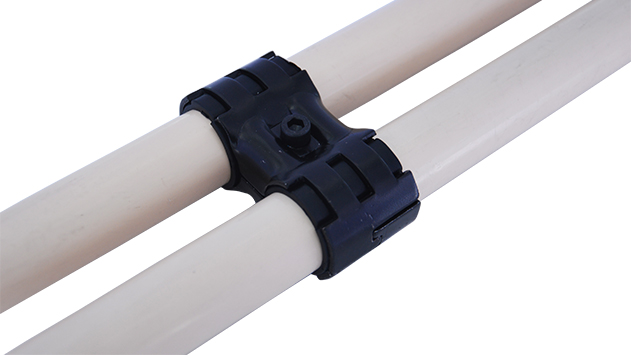
Parallel rotatory lean pipe joint, for 2 pcs pipe conenction in parallel direction with rotatory function.
In the world of manufacturing, where every second counts and efficiency is the name of the game, lean systems have become the backbone of successful operations. From the assembly line to the warehouse, these systems rely on precision—so much so that even the smallest components can make or break productivity. Among these unsung heroes are the joints that hold lean pipe structures together. Today, we're zooming in on two critical players: parallel rotatory lean pipe joints and swivel joints. While they might seem similar at first glance, their unique designs and functionalities can drastically impact everything from workflow to long-term costs. Let's break down what makes each tick, how they stack up, and which one deserves a spot in your next project.
What Are Parallel Rotatory Lean Pipe Joints?
Let's start with the basics. Parallel rotatory lean pipe joints are engineered for one primary goal: controlled, parallel-plane movement. Picture this: you're building a workbench using aluminum lean pipe, and you need the shelves to tilt slightly forward for easier access to tools. Or maybe you're constructing a material rack where the height of certain levels needs (fine-tuning) to match the size of incoming parts. That's where these joints shine.
Design-wise, parallel rotatory joints typically feature a cylindrical body with two or more connection points for lean pipes, plus a rotating mechanism that allows movement along a single axis—think of a door hinge, but sturdier and designed for industrial use. Most are made from either steel (for heavy loads) or aluminum (for lightweight setups), with a coating that resists scratches and corrosion. What sets them apart is their "parallel" rotation: the pipes connected by the joint move in the same plane, like two arms swinging side by side, rather than twisting or turning in multiple directions.
Key Features & Benefits
Stability Under Load: Because their rotation is limited to one axis, these joints excel at supporting static weight. A workbench built with parallel rotatory joints, for example, can hold heavy machinery without wobbling, even when adjusted slightly. This makes them a favorite for setups where stability is non-negotiable, like assembly stations or quality control tables.
Easy Assembly (and Reassembly): Unlike some complex joints that require specialized tools, parallel rotatory joints often twist or clamp into place. Many come with a simple locking mechanism—a lever or a setscrew—that lets workers adjust the angle in seconds, then lock it tight. This is a game-changer for lean environments, where reconfiguring a workstation to fit a new product line needs to happen fast.
Cost-Effective for Fixed or Semi-Fixed Setups: Since their design is less complex than swivel joints, parallel rotatory options are often more budget-friendly. If your project involves structures that don't need constant, multi-directional movement—say, a static workbench or a material rack with fixed-level shelves—these joints give you durability without overspending.
Real-World Use Case: A mid-sized electronics manufacturer recently upgraded their assembly line workbenches using parallel rotatory lean pipe joints. Previously, workers struggled with shelves that were either too high or too low, leading to strained shoulders and slower task times. By installing these joints, the team could tilt each shelf by 15-30 degrees, aligning tools with workers' natural arm movements. The result? A 12% boost in hourly output and fewer reported ergonomic issues.
Understanding Swivel Joints: Flexibility in Motion
Now, let's turn to swivel joints. If parallel rotatory joints are the reliable, steady workers, swivel joints are the acrobats of the lean pipe world. These joints are all about multi-directional movement, allowing connected pipes to rotate 360 degrees around a central axis—or even pivot in multiple planes. Think of a lazy Susan on a kitchen table, but built to handle industrial stress.
Swivel joints come in two main flavors: single-axis (rotating around one point, like a wheel) and multi-axis (rotating in two or more directions, like a joystick). They're often made from high-grade steel or aluminum with ball bearings in the core, which reduces friction and ensures smooth movement even after years of use. Unlike parallel rotatory joints, which keep pipes moving in a straight line relative to each other, swivel joints let pipes "turn" independently—making them ideal for dynamic setups where parts or tools need to move in more than one direction.
Key Features & Benefits
Unmatched Flexibility: The biggest draw of swivel joints is their range of motion. Imagine a roller track in a warehouse where boxes need to glide from a main conveyor onto a side rail, then turn 90 degrees into a storage area. Swivel joints in the roller track's frame allow the track to bend and adjust, ensuring boxes flow without getting stuck. This flexibility is why lean system suppliers often recommend them for conveyor systems, mobile carts, or any setup where materials need to change direction on the fly.
Dynamic Load Handling: While parallel rotatory joints are great for static weight, swivel joints thrive under dynamic loads—think parts sliding down a roller track or tools being moved across a workbench. The ball bearings inside distribute weight evenly, reducing wear and tear even when items are in constant motion. This makes them a smart choice for high-traffic areas like packaging stations or assembly lines where movement is non-stop.
Space-Saving Design: In tight factories or warehouses, every inch matters. Swivel joints let you design structures that "fold" or adjust to fit odd spaces. For example, a mobile material cart with swivel-jointed shelves can be narrowed to squeeze through doorways, then expanded once it reaches the workstation. This adaptability is a lifesaver in facilities where layout changes are frequent.
Real-World Use Case: A automotive parts distributor was struggling with bottlenecks in their picking area. Workers had to walk back and forth between fixed roller tracks, wasting time retrieving small parts. By retrofitting the tracks with swivel joints, they created a "spider" layout where tracks could pivot to meet workers at their stations. The result? A 25% reduction in walking time and a 18% increase in daily order fulfillment.
Head-to-Head: Parallel Rotatory vs. Swivel Joints
Now that we've explored each joint's strengths, let's put them side by side. The table below breaks down their key features to help you decide which fits your project best.
| Feature | Parallel Rotatory Lean Pipe Joints | Swivel Joints |
|---|---|---|
| Movement Type | Single-axis rotation (parallel planes; e.g., 180° tilt forward/backward) | Multi-axis or 360° rotation (e.g., swiveling left/right + tilting up/down) |
| Best For | Static or semi-static structures: workbenches, fixed material racks, height-adjustable shelves | Dynamic setups: roller tracks, conveyors, mobile carts, multi-directional material flow |
| Load Capacity | Higher static load (up to 500 lbs per joint for steel models) | Higher dynamic load (handles 200-400 lbs with smooth motion; depends on bearing quality) |
| Assembly Complexity | Simpler: Often twist-lock or setscrew; no specialized tools needed | Slightly more complex: May require aligning bearings; some need Allen wrenches for calibration |
| Durability | Excellent for low-movement use; less wear on non-rotating parts | Great for high-movement use; ball bearings need occasional lubrication to prevent rust |
| Cost | More affordable (starts at ~$5-$15 per joint) | Slightly pricier (starts at ~$10-$25 per joint, depending on rotation range) |

5 Factors to Choose the Right Joint for Your Project
Still on the fence? Here are five questions to ask before deciding:
1. What's the Primary Movement Needed?
If your structure only needs tilting or adjustment along one axis (e.g., a workbench shelf that tilts 30° for access), parallel rotatory joints are the way to go. But if you need parts to swivel, turn, or move in multiple directions (like a roller track that bends around a corner), swivel joints are non-negotiable.
2. How Much Weight Will It Support?
For heavy, stationary loads (e.g., a workbench holding a 300-lb machine), parallel rotatory joints' rigid design is better. For lighter, moving loads (e.g., boxes sliding down a roller track), swivel joints' bearings reduce strain and improve longevity.
3. Will You Reconfigure Often?
Swivel joints shine in setups that change frequently—like a mobile cart that needs to adapt to different order sizes. Parallel rotatory joints work best for structures that stay mostly the same (e.g., a permanent assembly line workbench).
4. What's Your Budget?
If you're working with a tight budget and don't need multi-directional movement, parallel rotatory joints will save you money upfront. But if flexibility is critical, the extra cost of swivel joints often pays off in reduced downtime and improved workflow.
5. What's the Environment Like?
In humid or dusty environments (e.g., food processing plants), swivel joints with sealed bearings resist corrosion better than parallel rotatory joints with exposed mechanisms. For dry, clean areas (e.g., electronics assembly), either works—but parallel rotatory may be easier to clean.

When to Mix and Match
Here's a pro tip: You don't have to choose one or the other. Many lean system setups use both joints to balance stability and flexibility. For example, a workbench might use parallel rotatory joints for the main frame (stability) and swivel joints for the tool hanger (so tools can swing out of the way when not in use). A material rack could have parallel rotatory joints for fixed lower shelves and swivel joints for upper shelves that need to pivot to load tall items.
The key is to map out your workflow first: Where does movement happen most? Where does stability matter most? Then, pair joints to those needs. A good lean pipe supplier can even help you design a hybrid system tailored to your space.
Final Thoughts: It's All About Your Workflow
At the end of the day, there's no "better" joint—only the right joint for your project. Parallel rotatory lean pipe joints are the steady, reliable choice for static or semi-static setups where stability and cost matter most. Swivel joints, with their multi-directional movement and dynamic load handling, are the go-to for systems that need to adapt and flow.
Remember, the smallest components often have the biggest impact. By choosing joints that align with your workflow, you're not just building a structure—you're building a more efficient, productive operation. So take the time to assess your needs, consult with a lean system supplier if you're unsure, and don't underestimate the power of a well-chosen joint.
After all, in lean manufacturing, every detail counts—and that includes the ones holding it all together.