- Company Articles
- Products and Technology
- Product knowledge
- PE Plastic Pipe Sleeves: Ideal for Moisture-Prone Industrial Environments – Why?

PE Plastic Pipe Sleeves: Ideal for Moisture-Prone Industrial Environments – Why?
Related Product
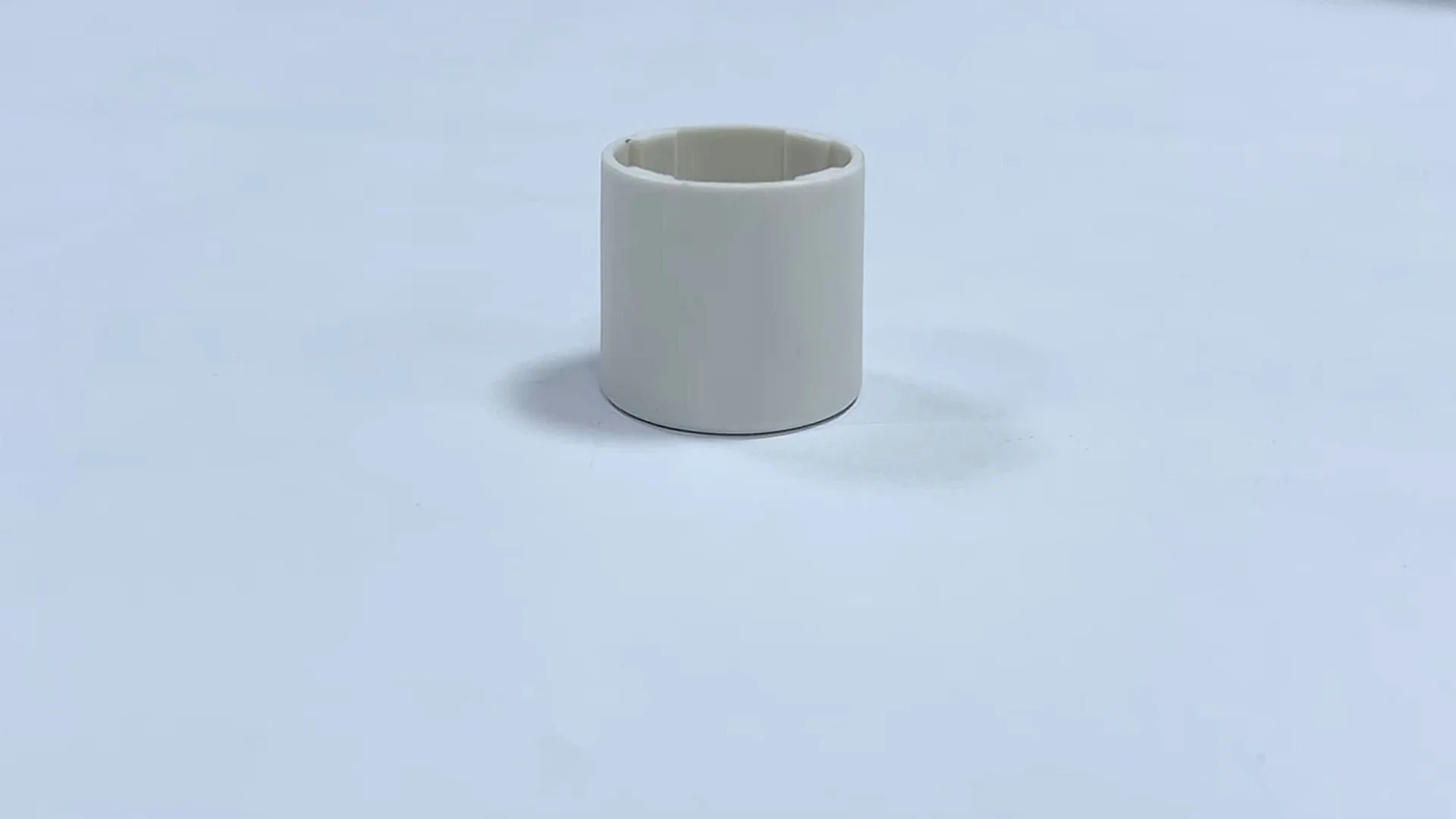
Plastic Pipe Sleeve
Plastic pipe sleeve to cover dia 28MM aluminum pipe end to contact with ground.
The Hidden Battle: Moisture in Industrial Spaces
Walk into any manufacturing plant, warehouse, or food processing facility, and you'll likely hear the hum of machinery, the clink of tools, and the steady rhythm of production. What you might not see—at first—is the silent enemy lurking in the air: moisture. It seeps through condensation on cold surfaces, lingers in high-humidity zones, and even drips from cleaning routines or leaky pipes. Over time, this invisible threat eats away at equipment, corrodes metal structures, and turns once-efficient workspaces into maintenance headaches.
Consider the workbench in a beverage bottling plant. Every day, it's wiped down with water and sanitizers to meet hygiene standards. The metal frame, once shiny and strong, starts to spot with rust within months. Joints loosen as corrosion weakens their grip, and soon, the workbench wobbles—slowing down workers and risking product damage. Or take the roller track in a logistics warehouse near the coast: salt-laden air creeps into every nook, turning steel rollers into rusted obstacles that jam material flow. These aren't just minor inconveniences; they're costly. Replacing rusted parts, halting production for repairs, and even compromising worker safety—moisture doesn't just damage equipment; it erodes your bottom line.
For years, industries have searched for solutions: painting metal surfaces, using stainless steel (which comes with a steep price tag), or applying temporary coatings that wear off. But what if there was a material that could stand up to moisture, resist corrosion, and still keep costs in check? Enter PE plastic pipe sleeves—specifically, PE coated lean pipe. This unassuming innovation is quietly transforming how industrial spaces combat moisture, and it's time to understand why.
What Are PE Plastic Pipe Sleeves, Anyway?
Let's start with the basics. PE stands for polyethylene, a durable, flexible plastic known for its resistance to chemicals, impact, and yes—moisture. PE plastic pipe sleeves are exactly what they sound like: a protective layer of polyethylene wrapped around a core material, typically steel or aluminum. When we talk about "PE coated lean pipe," we're referring to lean pipe (a key component of lean manufacturing systems) that's been coated in PE to create a barrier between the metal core and the environment.
Lean pipe itself is no stranger to industrial settings. It's the backbone of modular workbenches, material racks, and production lines—designed to be lightweight, easy to assemble, and adaptable. But uncoated lean pipe, often made of steel, falls victim to moisture just like any other metal. That's where the PE coating changes the game. Imagine the metal core as a strong skeleton, and the PE sleeve as a raincoat that never tears, fades, or peels. It's a simple concept, but the execution is what makes it powerful.
The coating process matters, too. High-quality PE coated lean pipe uses a thick, uniform layer of polyethylene applied through extrusion or heat bonding, ensuring no gaps or weak spots. This isn't a spray-on paint that chips off after a few bumps; it's a permanent shield that bonds with the metal core, creating a single, robust structure. The result? A pipe that looks smooth, feels sturdy, and laughs in the face of water, chemicals, and humidity.

Why PE Coated Lean Pipe Stands Out in Moisture-Prone Areas
So, what makes PE coated lean pipe the ideal choice for spaces where moisture is a constant battle? Let's break it down into four key advantages that go beyond just "rust resistance."
1. Corrosion Resistance: Moisture's Worst Nightmare
At its core, PE is hydrophobic—it repels water. Unlike bare steel, which absorbs moisture and starts oxidizing (rusting) immediately, PE coated lean pipe creates a physical barrier. Water beads up and rolls off the surface, never reaching the metal core. Even in high-humidity environments—think tropical warehouses or food processing plants where steam is part of daily operations—the PE sleeve stays intact. It doesn't absorb moisture, swell, or degrade, which means the pipe underneath remains strong and uncorroded.
But it's not just water. Industrial spaces often use cleaning agents, oils, or chemicals that can eat through other materials. PE is resistant to most acids, alkalis, and solvents, making it perfect for environments like automotive workshops (where oil and grease are everywhere) or pharmaceutical facilities (where harsh disinfectants are a must). A quick wipe with a chemical cleaner won't damage the PE coating, ensuring your lean pipe structures stay functional for years.
2. Durability That Keeps Up with Your Workspace
Industrial environments are tough. Pipes get bumped by forklifts, tools are dropped on workbenches, and material racks are loaded with heavy goods. A flimsy coating would crack under this pressure, leaving the metal exposed. But PE is surprisingly tough. It's impact-resistant, meaning a stray pallet or a dropped wrench won't puncture the sleeve. Even repeated friction—like boxes sliding along a roller track or workers leaning on a workbench—won't wear it down. This durability translates to less downtime: your PE coated lean pipe structures stay in service longer, reducing the need for frequent replacements.
3. Cost-Effective: More Bang for Your Buck
Stainless steel is often hailed as the "gold standard" for corrosion resistance, but it comes with a premium price tag—sometimes 3-4 times the cost of PE coated lean pipe. For small operations or large facilities with hundreds of meters of pipe, that difference adds up fast. PE coated lean pipe offers comparable (and in some cases, better) moisture resistance at a fraction of the cost. Plus, since it lasts longer, you're not spending money on replacing rusted parts every few months. It's a one-time investment that pays off in lower maintenance and replacement costs over time.
4. Flexibility: Lean Manufacturing's Best Friend
Lean manufacturing thrives on flexibility—being able to reconfigure workbenches, adjust roller tracks, or redesign material racks as production needs change. PE coated lean pipe doesn't just resist moisture; it plays well with the rest of your lean system. It pairs seamlessly with lean pipe joints, allowing you to assemble and disassemble structures in minutes without special tools. The PE coating doesn't interfere with joint connections, either—unlike paint or other coatings that can flake off and jam joints. Whether you're building a simple workbench or a complex roller track system, PE coated lean pipe adapts to your needs, all while keeping moisture at bay.

Real-World Applications: Where PE Coated Lean Pipe Shines
Talk is cheap—let's look at how PE coated lean pipe is making a difference in real industrial settings. These aren't hypothetical scenarios; they're stories of businesses that swapped frustration for efficiency by choosing the right material.
Food & Beverage Processing: Clean, Dry, and Compliant
Food safety regulations demand strict hygiene, which means constant cleaning with water and sanitizers. In a poultry processing plant in the Midwest, managers were tired of replacing rusted workbenches every 6-8 months. The metal surfaces would corrode even with daily wipe-downs, creating crevices where bacteria could hide—risking contamination. They switched to PE coated lean pipe workbenches, and the results were striking. After two years, the workbenches still looked new: no rust, no peeling, and easy to sanitize. Workers reported the smooth PE surface was easier to clean (no more scrubbing rust spots), and the plant passed inspections with zero issues related to equipment corrosion. "We used to budget for new workbenches every year," said the plant manager. "Now, we're saving that money for other upgrades."
Coastal Warehouses: Beating the Salt Air
Warehouses near ports or coastlines face a unique challenge: saltwater mist in the air that accelerates corrosion. A logistics company in Florida was struggling with roller tracks that kept jamming. The steel rollers would rust within weeks, causing boxes to get stuck and slowing down order fulfillment. They replaced the steel roller tracks with PE coated lean pipe-based systems, using PE coated rails and corrosion-resistant lean pipe joints. The difference was immediate. The PE coating repelled the salt mist, and the rollers glided smoothly. "We used to have a maintenance crew fixing jammed tracks every morning," said the warehouse supervisor. "Now, they're focusing on other tasks—our downtime dropped by 30%."
Automotive Plants: Oil, Grease, and Moisture—No Problem
Automotive manufacturing floors are messy places: oil, coolant, and cleaning fluids are part of daily life. Uncoated steel material racks in one plant were corroding quickly, with rust flakes falling onto parts and causing quality issues. Switching to PE coated lean pipe racks solved the problem. The PE sleeve resisted oil and chemicals, and the racks stayed clean and rust-free. Even better, when the plant reconfigured its production line, the modular PE coated lean pipe racks were easy to disassemble and rebuild—no need to buy new racks, saving time and money.

How PE Coated Lean Pipe Fits into Your Lean System
Lean manufacturing is all about eliminating waste, improving efficiency, and creating flexible systems. PE coated lean pipe doesn't just resist moisture—it supports these goals. Let's break down how it works with other key components of your lean system, like lean pipe joints, aluminum profiles, and roller tracks.
Lean Pipe Joints: Strong Connections, No Rust
What good is a coated pipe if the joints corrode? High-quality PE coated lean pipe systems use compatible lean pipe joints, often made of zinc-plated steel or plastic, designed to work with the coated pipe. The PE coating on the pipe ensures that even where the joint connects, the metal core remains protected. Unlike uncoated systems, where moisture can seep into joint crevices and cause rust, PE coated lean pipe creates a seal that keeps water out. This means joints stay tight longer, reducing the need for constant tightening or replacement.
Aluminum Profiles: Lightweight and Compatible
Many industrial setups combine lean pipe with aluminum profiles for added strength or specific applications (like workbench tops or machine guards). PE coated lean pipe pairs seamlessly with aluminum profiles, which are naturally resistant to corrosion. Together, they create a system that's both lightweight and moisture-proof. For example, a workbench might use PE coated lean pipe for the frame (resisting moisture from cleaning) and aluminum profiles for the top (providing a smooth, durable surface). The result? A workstation that's strong, easy to clean, and built to last in wet environments.
Roller Tracks: Smooth Flow, Even in Humidity
Roller tracks are the arteries of material flow, and moisture can turn them into bottlenecks. PE coated lean pipe roller tracks solve this by combining the moisture resistance of PE with the smooth movement of rollers. The PE coated rails prevent rust, while plastic or stainless steel rollers (often paired with PE coated axles) ensure materials glide without jamming. Whether you're moving boxes, parts, or products, a PE coated roller track keeps the flow steady—even in high humidity.
| Material | Moisture Resistance | Cost (Per Meter) | Durability | Flexibility (Modularity) |
|---|---|---|---|---|
| Uncoated Steel Lean Pipe | Poor (rusts quickly in moisture) | Low ($5-10) | Low (needs replacement every 1-2 years in wet areas) | High (modular, but joints corrode) |
| Stainless Steel Pipe | Excellent | Very High ($20-30) | High (lasts 5+ years) | High (modular, but expensive to reconfigure) |
| PE Coated Lean Pipe | Excellent (resists moisture, chemicals) | Moderate ($8-15) | High (lasts 5+ years in wet areas) | High (modular, joints stay tight) |
As the table shows, PE coated lean pipe strikes a balance between cost, durability, and moisture resistance that's hard to beat. It's not just a material upgrade; it's a smart investment in your lean system's longevity.
Debunking Myths: Is PE Coated Lean Pipe "Too Soft" for Industrial Use?
We've heard the skepticism: "Plastic? In an industrial setting? It'll scratch or melt!" Let's address these myths head-on.
Myth 1: PE Coating Scratches Easily
PE is tough, but it's not indestructible. However, high-quality PE coatings (typically 0.8mm or thicker) are designed to resist scratches from normal wear and tear. Dropping a tool might leave a mark, but it won't puncture the coating and expose the metal core. In fact, PE is more scratch-resistant than paint or powder coatings, which can chip off completely. For heavy-impact areas, you can add protective guards or choose thicker-walled PE coated lean pipe.
Myth 2: PE Melts in High Temperatures
Polyethylene has a melting point of around 105°C (221°F), which is well above the temperatures in most industrial environments. Unless you're working near furnaces or open flames (in which case heat-resistant materials are needed), PE coated lean pipe will hold up just fine. Even in warm, humid spaces, the PE coating remains stable—no warping or melting.
Myth 3: It's Not "Industrial-Grade"
This couldn't be further from the truth. PE coated lean pipe is used in some of the toughest industrial environments: automotive plants, food processing facilities, and offshore logistics centers. Its ability to resist moisture, chemicals, and impact has made it a staple in industries that demand reliability. Don't let the "plastic" label fool you—this is a material built for hard work.
The Long-Term Value: Why PE Coated Lean Pipe Pays Off
At the end of the day, every industrial investment comes down to value. PE coated lean pipe might cost a bit more upfront than uncoated steel, but the long-term savings are clear. Let's crunch the numbers:
- Reduced Maintenance Costs: Uncoated steel requires regular painting, lubrication, and part replacements. PE coated lean pipe needs almost no maintenance—just occasional cleaning. Over 5 years, maintenance costs for uncoated systems can be 2-3 times higher.
- Less Downtime: Rust-related jams, broken joints, or equipment failures halt production. PE coated lean pipe's durability means fewer disruptions. Even a 10% reduction in downtime can translate to significant savings for high-volume operations.
- Longer Lifespan: Uncoated steel might last 1-2 years in moist environments; PE coated lean pipe can last 5-7 years or more. That's 3-4 times the lifespan, meaning you buy new pipe less often.
- Improved Safety: Rusty, wobbly workbenches or jammed roller tracks pose safety risks. PE coated lean pipe systems stay stable, reducing the chance of accidents and workers' compensation claims.
It's not just about saving money—it's about peace of mind. When you install PE coated lean pipe, you're not just building a structure; you're building a system that works for you, day in and day out, regardless of moisture. You're freeing up your team to focus on what matters: producing quality products and growing your business.
Conclusion: Moisture-Proof Your Future with PE Coated Lean Pipe
Moisture in industrial environments isn't going away. But your tolerance for its costly effects should. PE plastic pipe sleeves—specifically, PE coated lean pipe—offer a simple, effective solution that combines moisture resistance, durability, and cost-effectiveness. From workbenches in food plants to roller tracks in coastal warehouses, it's proving itself as a reliable ally in the fight against corrosion.
As industries embrace lean manufacturing and demand more from their equipment, PE coated lean pipe isn't just an option—it's a necessity. It fits seamlessly into existing lean systems, works with lean pipe joints and aluminum profiles, and supports the flexibility and efficiency your business needs to thrive. And with its long lifespan and low maintenance, it's an investment that keeps paying off, year after year.
So, the next time you look at a rusted workbench or a jammed roller track, ask yourself: What if we could stop fighting moisture and start building systems that ignore it? With PE coated lean pipe, you can. It's time to let your industrial space breathe easier—and your bottom line grow stronger.