- Company Articles
- Products and Technology
- Product knowledge
- Pharmaceutical Manufacturing: Aluminum Workbench C for Cleanroom Environments

Pharmaceutical Manufacturing: Aluminum Workbench C for Cleanroom Environments
Related Product
Aluminum Workbench C
aluminum-tube-workbench-is-more-flexible-and-durable,-compared-with-traditional-pe/abs-coated-steel-tube.-it-is-easy-to-assemble,-anti-corrosion,-rust-protection,-and-recycle-use-after-disassemble.
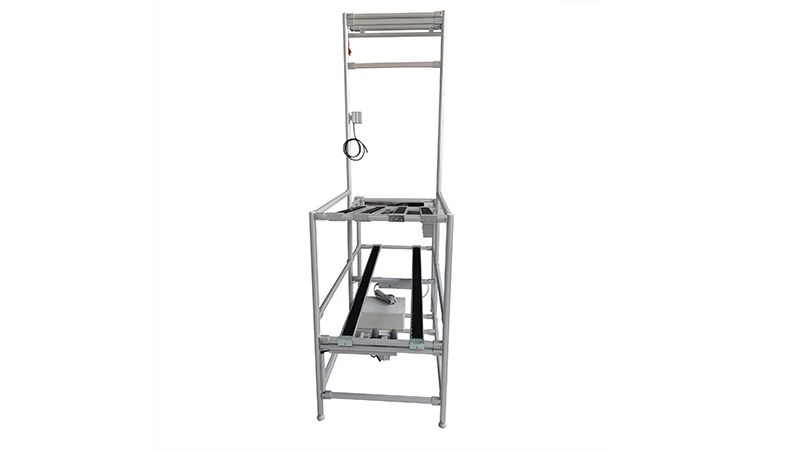
In the high-stakes world of pharmaceutical manufacturing, where precision, compliance, and contamination control are non-negotiable, every piece of equipment has a role to play in safeguarding product integrity. From mixing raw ingredients to packaging final doses, the tools and surfaces used directly impact the quality of life-saving medications. Among these, the workbench stands as an unsung hero—a silent partner in daily operations that must balance durability, cleanliness, and adaptability. For cleanroom environments, where even a single airborne particle can derail a batch, the choice of workbench becomes more than a practical decision; it's a commitment to excellence. Enter Aluminum Workbench C: a solution engineered to meet the unique demands of pharmaceutical cleanrooms, blending cutting-edge materials, thoughtful design, and lean principles to elevate efficiency and compliance.
The Cleanroom Challenge: Why Not Just Any Workbench Will Do
Pharmaceutical cleanrooms operate under strict guidelines, governed by standards like ISO 14644 (for air cleanliness) and FDA's Current Good Manufacturing Practices (cGMP). These regulations dictate everything from air filtration rates to surface materials, all with one goal: minimizing the risk of contamination. Traditional workbenches—often made of wood, steel, or generic plastic—fall short in this environment for a handful of critical reasons.
Wood, for example, is porous by nature, creating tiny crevices where bacteria, mold, or residues can hide. Even with frequent cleaning, these microscopic hiding spots become breeding grounds for contaminants, putting batches at risk. Steel, while durable, is prone to rust and corrosion when exposed to the harsh sanitizing agents (like hydrogen peroxide or alcohol) used daily in cleanrooms. Over time, rust flakes can dislodge, becoming foreign particles in sensitive formulations. Plastic workbenches, though resistant to corrosion, often lack the structural integrity needed for heavy equipment, warping under heat or stress and creating uneven surfaces that disrupt precision tasks.
Beyond material limitations, traditional workbenches often fail to support the lean principles that drive modern pharmaceutical manufacturing. In an industry where every second and every movement counts, a disorganized workspace—with tools scattered, materials out of reach, or no clear workflow—leads to wasted time, increased errors, and reduced productivity. Cleanrooms need workbenches that don't just "work" but enhance how teams work, aligning with the goal of "doing more with less" while maintaining the highest standards of cleanliness.
Aluminum Workbench C: A Material Revolution for Cleanrooms
At the core of Aluminum Workbench C's appeal is its foundation: high-grade aluminum extrusion profile. Unlike wood, steel, or plastic, aluminum brings a unique set of advantages that address the cleanroom's most pressing challenges. Let's break down why this material is a game-changer.
Corrosion Resistance: Standing Strong Against Sanitizers
Pharmaceutical cleanrooms require daily, sometimes hourly, cleaning with aggressive disinfectants. These chemicals are necessary to kill pathogens, but they're harsh on materials. Aluminum, however, forms a natural oxide layer when exposed to air—a thin, protective barrier that prevents rust and corrosion. This means even after repeated wipe-downs with alcohol, bleach, or quaternary ammonium compounds, Aluminum Workbench C retains its structural integrity and appearance. No more rust stains, no pitting, no degradation over time.
"We used to replace our steel workbenches every 18 months because the corners would start rusting, no matter how careful we were," says Raj Patel, a facility manager at a mid-sized pharmaceutical plant in New Jersey. "With Aluminum Workbench C, we're going on three years, and they still look brand new. The sanitizers glide off the surface, and there's never any residue left behind. It's like the material was made for our cleanroom."
Non-Porous and Smooth: A Surface That Fights Contamination
Aluminum extrusion profile is crafted with precision, resulting in a smooth, non-porous surface. Unlike wood or even some plastics, there are no tiny cracks or pores where bacteria, dust, or product residues can accumulate. This makes cleaning not just easier, but more effective. A quick wipe with a lint-free cloth and disinfectant is all it takes to ensure the surface is sterile, reducing the risk of cross-contamination between batches. For tasks like weighing powders or mixing small-volume formulations, this smoothness also ensures accuracy—no product gets trapped in grooves, and scales sit evenly, providing reliable measurements.
Lightweight Yet Sturdy: Balancing Mobility and Stability
Aluminum is surprisingly lightweight for its strength, making Aluminum Workbench C easy to reposition if workflows change—critical in dynamic pharmaceutical environments where production lines may shift based on demand. Yet, despite its lightness, the aluminum extrusion profile provides exceptional stability. The workbench's frame, reinforced with internal support structures, can withstand heavy equipment like analytical balances, centrifuges, or automated pipetting systems without wobbling or warping. This balance of mobility and stability is a rarity in traditional workbenches, which often sacrifice one for the other.

Designing for Lean: How Aluminum Workbench C Supports Efficient Workflows
In pharmaceutical manufacturing, efficiency isn't just about speed—it's about reducing waste, minimizing errors, and ensuring every step adds value. This is where lean system principles come into play, and Aluminum Workbench C is engineered with lean thinking at its core. Let's explore how its design supports key lean objectives.
Modularity: Adaptable to Changing Needs
One of the hallmarks of a lean system is flexibility—equipment that can evolve with shifting production requirements. Aluminum Workbench C embraces this with a modular design, made possible by aluminum pipe accessories. These accessories, including joints, clamps, and brackets, allow teams to customize the workbench on the fly. Need an extra shelf for tools? Add it. Want to integrate a waste bin holder? Clip it on. Need to mount a monitor for batch documentation? There's an accessory for that. This modularity eliminates the need to replace entire workbenches when workflows change, reducing costs and waste.
Consider a scenario where a pharmaceutical company introduces a new oral suspension product. The production team needs additional space for mixing bowls and stirring equipment. With Aluminum Workbench C, they can quickly add a side extension using aluminum pipe accessories, rather than purchasing a new, larger workbench. When the product line ends, the extension is removed, and the workbench reverts to its original configuration—no wasted resources, no downtime.
Ergonomics: Reducing Fatigue, Boosting Productivity
Lean systems prioritize the human element, recognizing that tired or uncomfortable workers are more prone to errors. Aluminum Workbench C is designed with ergonomics in mind, featuring an adjustable height (via telescoping aluminum legs) to accommodate workers of different statures. The work surface is positioned at a comfortable height for standing or seated work, reducing strain on the back, shoulders, and wrists during long shifts. Even small details, like rounded edges (to prevent cuts) and a non-slip surface (to keep tools from sliding), contribute to a safer, more comfortable workspace—one where employees can focus on precision, not discomfort.
Integration with Flow Racks: Streamlining Material Access
A key lean principle is minimizing movement—ensuring materials and tools are within arm's reach to reduce wasted steps. Aluminum Workbench C pairs seamlessly with flow racks, another staple of lean pharmaceutical environments. Flow racks use gravity to feed materials forward, keeping frequently used items (like vials, caps, or labels) accessible at the workbench edge. By integrating with flow racks, Aluminum Workbench C creates a "one-touch" workflow: operators don't have to walk to a storage area; materials come to them. This not only saves time but also reduces the risk of contamination from unnecessary movement (e.g., walking between stations stirs up air particles).
"Before we paired Aluminum Workbench C with flow racks, our technicians were spending 15-20 minutes per hour just retrieving materials," says Patel. "Now, everything they need is right there. We've cut down on errors from rushing to grab supplies, and our batch times have improved by nearly 10%. It's a small change, but the impact on productivity has been huge."

Beyond the Basics: ESD Workstation Capabilities for Sensitive Tasks
Many pharmaceutical processes rely on sensitive electronic equipment: precision scales, pH meters, automated dispensers, and data loggers, to name a few. These tools are vulnerable to electrostatic discharge (ESD)—a sudden flow of electricity between two objects that can damage components or disrupt readings. In cleanrooms, where static charges can build up due to low humidity and synthetic clothing, ESD protection isn't just a luxury; it's a necessity. Aluminum Workbench C addresses this with optional ESD workstation features, ensuring both equipment and formulations stay safe.
The workbench's aluminum frame can be grounded via a built-in ESD mat or conductive wheels (if mobility is needed), channeling static charges away from sensitive equipment. For tasks involving electronic components (like programming batch record systems), the work surface can be upgraded with an ESD-safe laminate, which dissipates static without interfering with measurements. Even the aluminum pipe accessories used for customization are available in ESD-compliant versions, ensuring the entire workspace—from the main surface to mounted shelves—works together to prevent static-related issues.
Dr. Elena Kim, a quality control analyst, relies on ESD protection daily when testing drug stability. "Our HPLC machines are incredibly sensitive to static," she explains. "A single ESD event can throw off a retention time by seconds, which might mean the difference between passing and failing a batch. With the ESD features on Aluminum Workbench C, I no longer worry about random fluctuations in my data. The workbench acts like a shield, keeping both my equipment and my results safe."

Comparing Workbench Materials: Why Aluminum Stands Out
To truly appreciate Aluminum Workbench C's value, it helps to see how it stacks up against other common workbench materials in a cleanroom setting. Below is a comparison of key factors that matter most to pharmaceutical manufacturers:
| Material | Corrosion Resistance | Cleanability (Non-Porous) | ESD Compatibility | Structural Integrity | Modularity (Accessories) | Longevity (Avg. Lifespan) |
|---|---|---|---|---|---|---|
| Wood | Poor (porous, absorbs moisture) | Poor (crevices trap contaminants) | Not compatible | Low (warps, splinters) | Limited (difficult to attach accessories) | 1-2 years |
| Steel (Uncoated) | Low (rusts with sanitizers) | Moderate (smooth but prone to scratches) | Compatible (with grounding) | High (heavy, rigid) | Moderate (welded or bolted accessories) | 2-3 years |
| Generic Plastic | High (resists chemicals) | High (non-porous) | Limited (static buildup risk) | Low (warps under heat/weight) | Low (no standardized accessory system) | 3-4 years |
| Aluminum (Aluminum Workbench C) | Excellent (oxide layer prevents corrosion) | Excellent (smooth, non-porous surface) | High (groundable, ESD accessories available) | High (lightweight but rigid) | Excellent (aluminum pipe accessories for customization) | 7-10 years |
The table tells a clear story: Aluminum Workbench C outperforms traditional materials across nearly every metric that matters in pharmaceutical cleanrooms. Its longevity alone—7-10 years, compared to 1-4 years for alternatives—makes it a cost-effective investment, even with a higher upfront price tag. When you factor in reduced downtime (from fewer replacements), improved compliance (fewer contamination risks), and enhanced productivity (lean features), the value proposition becomes undeniable.
Compliance and Certification: Meeting the FDA's High Bar
For pharmaceutical manufacturers, compliance isn't optional—it's the law. The FDA conducts regular inspections, reviewing everything from raw material sourcing to equipment maintenance, with the power to shut down production if standards aren't met. Aluminum Workbench C is designed with these inspections in mind, ensuring it meets or exceeds cGMP requirements for surface materials, cleanability, and durability.
The aluminum extrusion profile used in the workbench is FDA-compliant for food and pharmaceutical contact, meaning it doesn't leach chemicals or particles into formulations. The surface is easy to sanitize, with no hidden areas that could harbor bacteria—critical for passing swab tests (where inspectors check surfaces for microbial counts). Even the aluminum pipe accessories are made from materials that meet FDA standards, ensuring the entire system is compliant, not just the workbench top.
Beyond FDA compliance, Aluminum Workbench C is also ISO 14644-1 certified for cleanroom compatibility, meaning it doesn't shed particles or outgas (release volatile organic compounds) into the air. This is essential for maintaining air cleanliness levels (like ISO 7 or ISO 8) required for sterile drug manufacturing. For companies operating globally, the workbench also meets EU GMP standards, ensuring consistency across international facilities.
Maintenance and Longevity: Keeping Your Workbench in Peak Condition
Even the best equipment requires care to perform at its best, and Aluminum Workbench C is no exception. Fortunately, its maintenance needs are minimal, thanks to the durability of aluminum. Here are a few simple steps to ensure your workbench lasts for years:
- Daily Cleaning: Wipe the surface with a lint-free cloth and a FDA-approved disinfectant (e.g., 70% isopropyl alcohol). Avoid abrasive pads or steel wool, which can scratch the aluminum oxide layer.
- Weekly Inspection: Check aluminum pipe accessories (like joints or clamps) for tightness. Tighten any loose connections to maintain stability.
- Quarterly Lubrication: If the workbench has adjustable height legs or casters, lubricate moving parts with a food-grade lubricant to prevent squeaking or sticking.
- Annual Deep Clean: Disassemble modular components (shelves, extensions) and clean each part individually. This removes any hidden residues that may have accumulated in joints.
By following these steps, pharmaceutical facilities can ensure Aluminum Workbench C remains a reliable, compliant, and productive part of their cleanroom for a decade or more.
The Future of Cleanroom Workbenches: Sustainability and Innovation
As the pharmaceutical industry evolves—with a growing focus on sustainability, personalized medicine, and digitalization—workbenches like Aluminum Workbench C are poised to adapt. Aluminum is 100% recyclable, aligning with the industry's push to reduce environmental impact. When a workbench finally reaches the end of its lifespan, its aluminum components can be melted down and repurposed, reducing waste sent to landfills.
Looking ahead, we may see smart features integrated into Aluminum Workbench C, such as built-in sensors that monitor surface cleanliness (alerting teams when sanitization is needed) or IoT connectivity (tracking usage patterns to optimize workflow). For personalized medicine, where batches are smaller and more frequent, the workbench's modular design will become even more critical—allowing teams to reconfigure quickly for different formulations.
Conclusion: Investing in Excellence, One Workbench at a Time
In pharmaceutical manufacturing, success is measured in small, consistent details: a surface that stays clean, a workflow that minimizes waste, a tool that supports compliance. Aluminum Workbench C embodies these details, offering a solution that doesn't just meet cleanroom requirements but elevates them. From its corrosion-resistant aluminum extrusion profile to its modular design (powered by aluminum pipe accessories), from ESD workstation capabilities to seamless integration with lean systems like flow racks, this workbench is more than a piece of furniture—it's a partner in producing safe, effective medications.
For pharmaceutical manufacturers looking to invest in their future—whether by improving compliance, boosting productivity, or reducing long-term costs—Aluminum Workbench C is a choice that pays dividends. It's a reminder that even the most basic tools can make a profound difference when designed with purpose, precision, and the unique needs of the industry in mind. In the end, it's not just about a workbench; it's about honoring the trust patients place in every dose produced. And that's a responsibility worth investing in.