- Company Articles
- Products and Technology
- Product knowledge
- Plastic 4040 Aluminum Profile End Caps: Advantages for Light-Duty Projects

Plastic 4040 Aluminum Profile End Caps: Advantages for Light-Duty Projects
Related Product
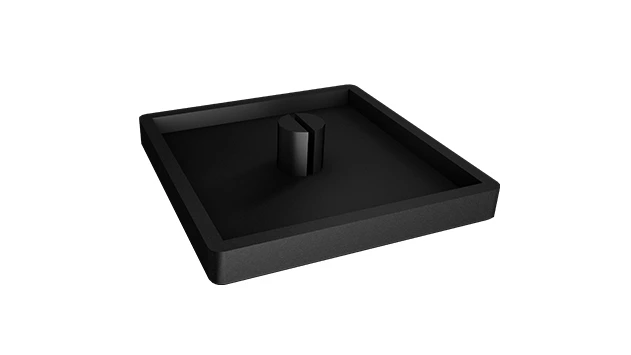
4040 Aluminum Profile End Cap
The aluminum profile end cap adds a finishing touch to your project and closes off profile ends to limit dust and debris buildup, also it can avaid some scratch for material and labor during the assemble work.
Let's start with a familiar scenario: You've just unboxed a pile of shiny aluminum profiles, ready to build that small workbench for your garage or a lightweight shelving unit for your home office. You've measured twice, cut once, and even double-checked the aluminum profile accessories to make sure you have all the brackets and connectors. But then, as you start assembling, you notice something—the raw, jagged edges of the aluminum extrusion profiles. They're not just unsightly; they're sharp enough to catch a sleeve or scratch a surface. That's where the unsung hero of your project comes in: the plastic 4040 aluminum profile end cap. Small, affordable, and often overlooked, these little caps might seem like an afterthought, but in light-duty projects, they're the difference between a rickety, unsafe setup and a polished, long-lasting one.
In this article, we're going to dive deep into why plastic 4040 aluminum profile end caps deserve a spot at the top of your material list. Whether you're a DIY enthusiast building a custom workbench or a small business owner setting up a lean pipe workbench for your workshop, understanding the value of these tiny accessories will save you time, frustration, and maybe even a few bandaids down the line. Let's get started.
What Are Plastic 4040 Aluminum Profile End Caps, Anyway?
First things first: Let's make sure we're all on the same page. When we talk about "4040 aluminum profiles," we're referring to a specific type of aluminum extrusion profile with dimensions of 40mm x 40mm. These profiles are everywhere in light-duty projects—think workbenches, small material racks, display shelves, or even custom storage solutions. They're popular because they're lightweight, strong enough for everyday use, and incredibly versatile, thanks to the T-slots that run along their length (those grooves you see? They let you attach accessories like brackets, shelves, or wheels with ease).
Now, the "end caps" part is exactly what it sounds like: small covers designed to fit snugly over the open ends of these 4040 profiles. Made from durable plastics like PVC or ABS, they're molded to match the profile's shape, ensuring a tight, seamless fit. You might be thinking, "Why plastic? Why not metal or rubber?" Great question—and we'll get to that in a bit. For now, just know that plastic end caps are the go-to choice for most light-duty projects, and there's a good reason for that.
Why Light-Duty Projects Need Special Attention to Detail
Let's face it: When you're building something heavy-duty—a industrial conveyor system or a warehouse storage rack—you're probably not skimping on parts. The stakes are high, so you invest in heavy-gauge steel, reinforced joints, and industrial-grade accessories. But light-duty projects? They often get the "good enough" treatment. We tell ourselves, "It's just a small workbench; it doesn't need all that extra stuff." But here's the thing: light-duty projects are often the ones we interact with most. That workbench in your garage? You'll be leaning on it, setting tools down, maybe even sitting on it (we've all done it). The shelving unit in your office? It'll hold your printer, stacks of paper, and that ever-growing pile of books. If the edges of the aluminum profiles are sharp or unfinished, those daily interactions become opportunities for scratches, snags, or even minor injuries.
Light-duty projects also tend to be more mobile or temporary. Maybe you'll move that workbench to a different corner of the garage next month, or disassemble the shelving unit when you move. Unfinished profile ends can get bent, dented, or damaged during transport, weakening the structure over time. Plastic end caps act like a protective barrier, absorbing minor impacts and keeping the profile's integrity intact. So even in "simple" projects, the details matter—and end caps are one detail you can't afford to skip.

The Top Advantages of Plastic 4040 Aluminum Profile End Caps for Light-Duty Projects
Now that we've established why end caps are important, let's break down the specific benefits of choosing plastic 4040 aluminum profile end caps for your next light-duty build. Spoiler: It's not just about looks (though that's a nice bonus).
1. They're Safety First—No More Sharp Edges
Let's start with the most obvious (and most important) advantage: safety. Raw aluminum extrusion profiles have cut edges that are surprisingly sharp. Run your hand along an uncapped profile end, and you might get a nasty scratch—nothing life-threatening, but definitely annoying. Now, imagine that profile is part of a workbench where you're handling tools, or a shelving unit where kids might reach. Those sharp edges become a real hazard. Plastic end caps cover those edges completely, creating a smooth, rounded finish that's safe to touch. Even if you bump into the profile or brush against it, you won't walk away with a cut. For parents, pet owners, or anyone who values not getting random scratches, this alone makes end caps a must-have.
2. They Protect Your Profile (and Your Stuff)
Aluminum profiles are tough, but their open ends are vulnerable. Dirt, dust, and moisture can seep into the hollow center of the profile, leading to corrosion over time (yes, even aluminum can corrode in humid environments). Plastic end caps seal off those ends, keeping out debris and moisture. This might not seem like a big deal for a project you're building today, but if you want that workbench or shelving unit to last more than a year or two, preventing internal corrosion is key.
End caps also protect the things you put on or near the profile. Ever set a delicate item—a laptop, a painted box, or a stack of papers—against an uncapped profile? The rough edge can leave a mark. With a plastic end cap, you get a smooth, non-abrasive surface that won't scratch or damage your belongings. It's a small detail, but it makes your project feel intentional and well-crafted.
3. Lightweight and Cost-Effective—Perfect for Light-Duty
Light-duty projects don't need heavy, industrial materials—and neither do their accessories. Plastic end caps are lightweight, which means they won't add unnecessary heft to your build. This is especially important if you're building something mobile, like a rolling workbench or a portable shelving unit. Adding metal end caps would increase the weight, making the project harder to move. Plastic keeps things light and easy to handle.
Cost is another big factor. Plastic end caps are significantly cheaper than metal alternatives (we'll compare materials later in the article). When you're working on a budget—which most DIYers and small businesses are—saving a few dollars on accessories adds up. You can put that extra money toward better brackets, a sturdier worktop, or even a nicer set of casters for your lean pipe workbench. Why spend more on metal end caps when plastic works just as well for light-duty needs?
4. Easy to Install—No Tools Required
Let's be real: No one wants to spend hours installing tiny parts. Plastic 4040 aluminum profile end caps are designed for a friction fit, which means you can pop them into place with nothing more than your hands. Just line up the cap with the end of the profile, press firmly, and you're done. No screws, no adhesives, no complicated tools. Even if you're new to DIY projects, you won't struggle with this step.
And if you ever need to disassemble your project? Just pry the end cap off (gently!) with a flathead screwdriver or your fingernail. They're reusable, too—so if you cut a profile shorter later or repurpose it for another project, you can remove the cap and use it again. This kind of flexibility is a game-changer for anyone who likes to tinker or adapt their space over time.
5. A Polished Look That Makes Your Project Shine
Last but not least: aesthetics. There's something about a finished edge that elevates a project from "homemade" to "professional." Uncapped aluminum profiles look unfinished, like you ran out of time or forgot a step. Plastic end caps, on the other hand, give your workbench, shelving unit, or lean pipe workbench a clean, cohesive look. They come in a variety of colors, too—white, black, gray, or even custom hues—to match your profile or your workspace decor. Whether you're building something for your home or a small business, that polished finish makes a big difference in how the project is perceived (and how proud you are to show it off).

How Do Plastic End Caps Compare to Other Materials?
You might be wondering, "Why plastic? What about metal or rubber end caps?" It's a fair question. Let's break down the pros and cons of different end cap materials, specifically for light-duty projects, so you can see why plastic is the clear winner.
| Material | Cost | Weight | Safety (Edge Protection) | Installation Ease | Best For |
|---|---|---|---|---|---|
| Plastic (PVC/ABS) | Low | Lightweight | Excellent (smooth, rounded edges) | Very Easy (friction fit, no tools) | Light-duty projects: workbenches, shelving, lean pipe workbenches |
| Metal (Aluminum/Steel) | High | Heavy | Good (but edges can still be sharp if not deburred) | Moderate (may require screws or adhesives) | Heavy-duty industrial setups, outdoor use (resistant to impact) |
| Rubber | Medium | Medium | Good (soft, but less durable than plastic) | Easy (friction fit, but can tear over time) | Temporary projects, vibration-dampening needs |
As you can see, plastic end caps check all the boxes for light-duty projects: They're affordable, lightweight, safe, and easy to install. Metal end caps are overkill unless you're building something that needs to withstand heavy impacts or outdoor elements, and rubber caps tend to wear out faster with regular use. For most DIYers and small businesses, plastic is the practical, cost-effective choice.
Practical Applications: Where Plastic 4040 End Caps Shine
Now that we've covered the "why," let's talk about the "where." Plastic 4040 aluminum profile end caps are versatile, but there are a few common light-duty projects where they truly excel. Here are some examples to spark your creativity:
1. Home or Garage Workbenches
If you're building a custom workbench using 4040 aluminum profiles, end caps are non-negotiable. The edges of the bench's frame will be at hip height, knee height, and even eye level (if you add a shelf above). Every time you lean against the bench, reach for a tool, or kneel down to grab something from below, you'll be glad those edges are covered. Plus, a workbench with capped ends looks more professional, which makes those weekend projects feel a little more special.
2. Lean Pipe Workbenches for Small Workshops
Lean pipe workbenches are all about efficiency and flexibility, and they're a staple in small manufacturing or assembly shops. These workbenches often use a mix of aluminum profiles and lean pipes, and the 4040 profiles are usually the backbone of the structure. With employees working at these benches day in and day out, safety is a top priority. Plastic end caps ensure that no one gets scratched while reaching for materials or adjusting the setup. They also keep dust and debris from clogging the profiles, which helps maintain the bench's structural integrity over time.
3. Home Office Shelving or Storage Units
Aluminum profiles are a popular choice for custom home office shelving because they're sleek, modern, and strong enough to hold books, printers, and office supplies. But open shelving means the ends of the profiles are exposed, often at eye level or within arm's reach. Plastic end caps in a matching color (like white or black) blend in seamlessly, giving your shelves a clean, minimalist look. They also protect your books and binders from getting snagged on rough edges when you're rearranging things (which, let's be honest, happens more often than we'd like).
4. Display Racks for Small Businesses
If you own a small boutique, craft store, or pop-up shop, you know how important presentation is. A display rack made with 4040 aluminum profiles can showcase your products beautifully—but only if the edges are finished. Plastic end caps in a complementary color (like gray or the brand's accent color) make the rack look polished and professional, which reflects well on your business. Customers are more likely to trust a store that pays attention to details, and end caps are a subtle way to signal that you care about quality.
Installation Tips: Getting the Perfect Fit Every Time
Installing plastic 4040 aluminum profile end caps is easy, but there are a few tricks to ensure they fit snugly and stay in place. Here's what you need to know:
- Clean the profile end first: Before installing the end cap, wipe the inside and outside of the profile's end with a dry cloth to remove dust, debris, or metal shavings. A clean surface ensures a tighter fit.
- Check the size: Make sure you're using 4040 end caps for 4040 profiles! Sizes like 3030 or 2020 won't fit, and forcing them can damage the cap or the profile.
- Align and press evenly: Hold the end cap so that all four sides are aligned with the profile's edges. Press firmly and evenly with your thumbs around the edges—you should feel it "pop" into place. If it's loose, remove it and try again, making sure it's seated straight.
- Use a rubber mallet for tight fits: If the cap is stubborn, gently tap it with a rubber mallet (not a metal hammer!) to avoid cracking the plastic. A few light taps should do the trick.
- Don't over-tighten: Plastic end caps rely on friction, not force. Over-pressing can warp the cap or damage the profile's T-slots.
Common Mistakes to Avoid
Even with something as simple as end caps, there are a few pitfalls to watch out for. Here are the most common mistakes we see, and how to steer clear of them:
Mistake 1: Skipping end caps altogether. We get it—you're in a hurry, or you think they're "not necessary." But as we've covered, they protect you, your stuff, and your project. Spend the extra $5; you'll regret it if you don't.
Mistake 2: Using the wrong size. Mixing up 4040 caps with 3030 or 2020 is easier than you'd think, especially if you're buying in bulk. Always double-check the product label before purchasing, and measure the profile if you're unsure.
Mistake 3: Installing caps on damaged profiles. If the end of your aluminum profile is bent, dented, or crushed, the end cap won't fit properly. Use a file or sandpaper to smooth out minor imperfections first, or cut the profile to a fresh end if the damage is severe.
Mistake 4: Assuming all plastic caps are the same. Not all plastic end caps are created equal! Look for caps made from thick, durable plastic (ABS is better than thin PVC) that have a slight flex but hold their shape. Cheap, flimsy caps will crack or fall off over time.
Final Thoughts: Small Parts, Big Impact
At the end of the day, plastic 4040 aluminum profile end caps are a small investment with big returns. They keep you safe, protect your project, and give it a professional finish—all without breaking the bank or complicating your build. Whether you're building a workbench in your garage, a lean pipe workbench for your workshop, or shelving for your home office, these tiny accessories deserve a spot on your material list.
So the next time you're planning a light-duty project with aluminum profiles, remember: It's the little things that count. And when it comes to little things that make a big difference, plastic 4040 aluminum profile end caps are hard to beat. Your hands (and your project) will thank you.