- Company Articles
- Products and Technology
- Product knowledge
- Plastic-Coated Saddle Pipe Clamps: Protecting Delicate Pipes in Electronics Manufacturing

Plastic-Coated Saddle Pipe Clamps: Protecting Delicate Pipes in Electronics Manufacturing
Related Product
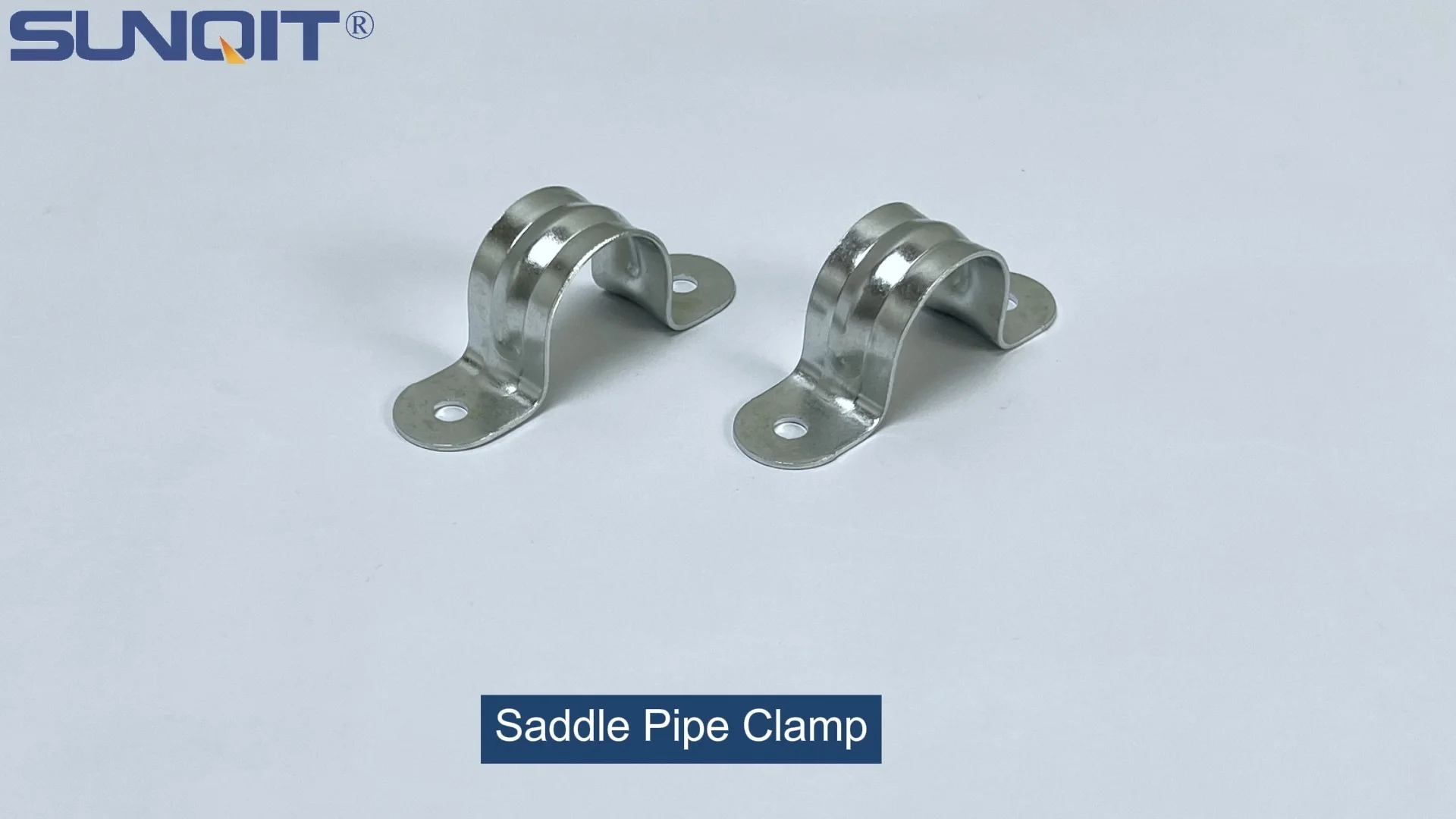
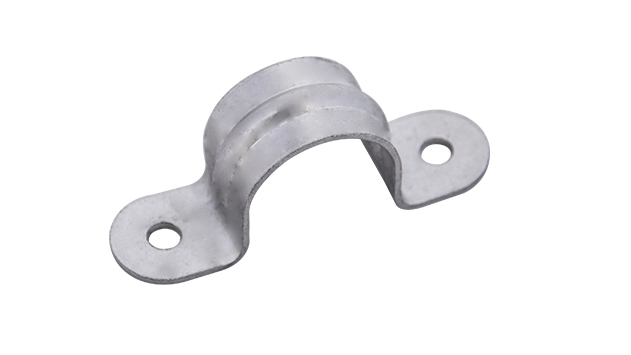
Saddle Pipe Clamp
Saddle pipe clamp, used for board connect with pipe, usually for table top installation.
Introduction: The Unsung Heroes of Manufacturing Precision
Walk into any electronics manufacturing facility, and your eyes might be drawn to the high-tech robots assembling circuit boards or the gleaming ESD workstations where technicians handle delicate microchips. But if you look closer—past the flashy machinery and busy production lines—you'll notice something far more humble yet equally critical: the network of pipes, racks, and frames that keep the entire operation running smoothly. These structures, often built with lean pipe or aluminum profile, are the backbone of material flow, workstation support, and process organization. And holding many of these pipes together? Plastic-coated saddle pipe clamps. They might not grab headlines, but in a world where a single scratch on a pipe or a static discharge can derail production, these small components play a huge role in protecting both equipment and products.
In electronics manufacturing, precision isn't just a buzzword—it's a necessity. Delicate components like semiconductors, capacitors, and PCBs are incredibly sensitive to physical damage, corrosion, and electrostatic discharge (ESD). The pipes that carry materials, support workbenches, or guide products through assembly lines are often made of materials like aluminum or stainless steel, which are strong but prone to scratching or causing ESD if not properly handled. That's where plastic-coated saddle pipe clamps come in. Designed to cradle pipes securely while adding a layer of protection, they're the quiet guardians ensuring that the "invisible infrastructure" of manufacturing stays intact, reliable, and safe.
The Delicate World of Electronics Manufacturing Pipes
Before diving into why plastic-coated saddle pipe clamps matter, let's take a moment to appreciate the pipes themselves. In electronics plants, pipes aren't just for moving fluids—though some do that too. More often, they're part of modular systems like lean pipe setups, which use lightweight, easy-to-assemble pipes and joints to create everything from material racks to assembly lines. Aluminum profile is another common choice, prized for its strength, lightweight nature, and compatibility with accessories like brackets and guides. These pipes form the skeleton of workstations, flow racks, and turnover trolleys, ensuring materials move efficiently from one step to the next.
But here's the catch: these pipes are surprisingly delicate in the context of electronics manufacturing. A lean pipe used to support an ESD workstation, for example, might rub against another pipe or a metal bracket during assembly or maintenance. Without protection, that friction could scratch the pipe's surface, creating rough edges that catch on materials or harbor dust—both of which are enemies in cleanroom environments. Worse, if the pipe is part of an ESD-safe system, a scratch could compromise its ability to dissipate static, putting nearby components at risk of damage. Similarly, aluminum profile pipes, while durable, can suffer from corrosion if exposed to moisture or chemicals, and their smooth surfaces are easy to mar if clamped with uncoated metal hardware.
This is where the choice of pipe clamps becomes critical. Traditional metal clamps, while strong, can dig into pipe surfaces, especially when tightened. Rubber-coated clamps offer some protection but may degrade over time when exposed to industrial oils or cleaning agents. Plastic-coated saddle pipe clamps, however, strike a balance: they provide the strength needed to hold pipes firmly in place while wrapping them in a protective layer that resists scratches, reduces friction, and even contributes to ESD safety in some cases. For electronics manufacturers, this balance isn't just nice to have—it's essential.
What Are Plastic-Coated Saddle Pipe Clamps?
At their core, plastic-coated saddle pipe clamps are exactly what their name suggests: clamps designed with a curved "saddle" shape to fit around pipes, with the contact surface coated in plastic. But there's more to their design than meets the eye. Let's break them down. The base of the clamp is typically made from a strong metal like steel or aluminum, ensuring structural integrity. This metal core is then coated with a layer of durable plastic—often polyethylene (PE), polyvinyl chloride (PVC), or a specialized ESD-safe polymer. The saddle shape is engineered to match common pipe diameters (like those used in lean pipe or aluminum profile systems), ensuring a snug, even fit that distributes pressure across the pipe's surface rather than concentrating it in one spot.
The plastic coating itself is a key feature. Unlike bare metal, plastic is non-conductive (or can be formulated to be static-dissipative), making it ideal for environments where ESD control is a priority—like ESD workstations. It's also resistant to many industrial chemicals, oils, and solvents, which means the clamps won't degrade when exposed to the cleaning agents or coolants often used in electronics manufacturing. Additionally, the plastic acts as a buffer, reducing vibration between pipes and clamps. In a busy factory, constant machine vibrations can cause metal-on-metal contact to wear down components over time; the plastic coating dampens this movement, extending the life of both the clamps and the pipes they hold.
Another advantage of the saddle design is its versatility. These clamps aren't one-size-fits-all—they come in various sizes to accommodate different pipe diameters, from small 0.5-inch lean pipes to larger aluminum profile tubes. Many also feature adjustable bolts or quick-release mechanisms, making them easy to install, reposition, or remove during line reconfigurations—a common occurrence in lean manufacturing setups, where flexibility is key. Whether you're building a temporary material rack or a permanent assembly line, plastic-coated saddle pipe clamps adapt to the task without compromising on protection.

Key Features That Make Them Indispensable
So, what exactly sets plastic-coated saddle pipe clamps apart from other clamping solutions? Let's dive into their standout features, each tailored to address the unique challenges of electronics manufacturing.
1. Scratch and Corrosion Resistance: The plastic coating acts as a physical barrier between the metal clamp and the pipe, preventing direct contact that could lead to scratches or rust. For aluminum profile pipes, which are prone to oxidation if their protective oxide layer is damaged, this is a game-changer. Even in humid environments or areas where pipes are cleaned regularly, the coating keeps moisture and chemicals from reaching the pipe's surface, extending its lifespan.
2. ESD Compatibility: Many plastic coatings used in these clamps are formulated to be ESD-safe, meaning they either conduct static away from sensitive areas or dissipate it slowly to prevent sudden discharges. This is critical when clamps are used near ESD workstations, where even a tiny static spark can destroy a $100 microchip. Unlike standard plastic clamps, which might insulate static and make it worse, ESD-safe plastic-coated clamps integrate seamlessly into anti-static systems, keeping both workers and products safe.
3. Vibration Dampening: Electronics manufacturing lines are rarely quiet. Conveyors hum, robots move, and tools operate, creating constant vibration. Over time, this vibration can loosen uncoated metal clamps or cause pipes to rub against each other, leading to wear and tear. The plastic coating on saddle clamps absorbs much of this vibration, keeping pipes stable and reducing noise—a small but noticeable benefit for workers on the factory floor.
4. Lightweight Yet Strong: Despite their protective coating, these clamps remain lightweight, which is important for modular systems like lean pipe setups that rely on easy assembly and reconfiguration. The metal core provides tensile strength (they can handle significant weight without bending), while the plastic coating adds minimal bulk. This combination makes them ideal for supporting everything from light material racks to heavier workbenches.
5. Chemical and Temperature Resistance: Electronics manufacturing often involves exposure to solvents, cleaning agents, and temperature fluctuations. The plastic coatings on these clamps are designed to withstand these conditions without cracking, melting, or degrading. For example, PE coatings are resistant to most acids and alkalis, while PVC coatings handle high temperatures better—ensuring the clamps remain effective even in harsh environments.

Why Electronics Manufacturing Can't Afford to Overlook Them
You might be thinking: "Clamps are just clamps—why invest in specialized plastic-coated ones when standard metal clamps are cheaper?" The answer lies in the cost of failure. In electronics manufacturing, a single damaged pipe or ESD event can have ripple effects that far outweigh the price difference between clamp types. Let's break down the risks of cutting corners on pipe protection.
First, consider physical damage to pipes. A scratched lean pipe might seem minor, but if that pipe is part of a flow rack guiding PCBs through assembly, a rough edge could catch on a board, bending a component or damaging a solder joint. Reworking that board costs time and labor; scrapping it adds material costs. Multiply that by dozens of boards a day, and the "cheap" metal clamp suddenly becomes expensive. Similarly, a corroded aluminum profile pipe in a cleanroom could shed particles, contaminating sensitive components and leading to product defects or even recalls.
Then there's ESD risk. The average ESD event releases enough energy to damage a microchip, and it often happens without any visible sign—meaning defective components might make it all the way to the end of the production line before being caught. The cost of replacing these components, not to mention the time lost in rework, can be staggering. Plastic-coated saddle pipe clamps with ESD-safe coatings help mitigate this risk by preventing static buildup, making them a small investment in avoiding major losses.
There's also the issue of maintenance and replacement. Uncoated metal clamps that scratch pipes or corrode quickly will need to be replaced more often, leading to downtime as workers disassemble and rebuild sections of the production line. Plastic-coated clamps, by contrast, last longer and require less frequent replacement, reducing both maintenance costs and production interruptions. In a industry where uptime is critical, this reliability is invaluable.
Finally, there's the human factor. Manufacturing technicians and engineers already have enough to worry about—they shouldn't have to add "check for pipe damage" to their to-do lists. Plastic-coated saddle pipe clamps provide peace of mind, letting teams focus on optimizing processes and improving quality rather than fixing preventable issues. When workers trust that the infrastructure supporting their tasks is protected, they can work more efficiently and confidently.
Real-World Applications: Where These Clamps Shine
To understand just how vital plastic-coated saddle pipe clamps are, let's look at some common scenarios in electronics manufacturing where they're put to work. These examples show how they integrate with existing systems like lean pipe setups, ESD workstations, and aluminum profile structures to solve real problems.
1. Lean Pipe Material Racks: Lean pipe systems are popular for building flexible material racks that hold components like resistors, capacitors, or small PCBs. These racks are often assembled on-site using lean pipe and joints, and they need to be reconfigured frequently as production needs change. Plastic-coated saddle pipe clamps are used to connect horizontal and vertical pipes, ensuring the rack stays stable while protecting the lean pipe from scratches during assembly. For example, a material rack with 3 rows and 3 floors (a common design) might use dozens of these clamps to secure the vertical supports to the horizontal beams. Without the plastic coating, repeated tightening and loosening of metal clamps would eventually mar the pipes, weakening the structure over time.
2. ESD Workstation Frames: ESD workstations are where technicians handle sensitive components, and their frames are typically built with aluminum profile or ESD-safe lean pipe. The clamps holding these frames together must not only be strong but also static-dissipative. Plastic-coated saddle pipe clamps with ESD-safe coatings ensure that any static buildup in the frame is safely grounded, preventing it from transferring to the workstation surface. This is especially important in environments where workers are handling integrated circuits (ICs) or microprocessors, which can be damaged by even low levels of static.
3. Aluminum Profile Conveyor Guides: Conveyors are the lifelines of electronics manufacturing, moving PCBs, assemblies, and finished products between stations. Many conveyors use aluminum profile for their frames and guides, with roller tracks (like plastic roller track guide rail yellow or grey) to ease movement. Plastic-coated saddle pipe clamps secure these aluminum profile guides to the conveyor frame, preventing metal-on-metal contact that could generate static or scratch the guides. The clamps also dampen vibration from the conveyor motor, ensuring the guides stay aligned and products move smoothly without jamming.
4. Turnover Trolleys: Turnover trolleys are used to transport materials between departments, and they're often built with a mix of lean pipe and aluminum pipe. These trolleys are moved frequently, so their frames need to withstand bumps and vibrations. Plastic-coated saddle pipe clamps hold the trolley's pipes together, absorbing shock and preventing scratches that could catch on doorways or other equipment. For example, a hand trolley with a caster wheel setup might use these clamps to attach the vertical pipes to the horizontal base, ensuring the trolley remains stable even when loaded with heavy components.
Comparing Clamp Types in Electronics Manufacturing
| Clamp Type | Core Material | Coating Material | ESD Protection | Pipe Protection | Best For |
|---|---|---|---|---|---|
| Plastic-Coated Saddle Pipe Clamp | Steel/Aluminum | PE/PVC (often ESD-safe) | High (static-dissipative coatings available) | Excellent (prevents scratches, corrosion) | Lean pipe systems, ESD workstations, aluminum profile structures |
| Standard Metal Clamp | Steel/Stainless Steel | None | Low (conductive, may cause static buildup) | Poor (risk of scratches, corrosion) | Heavy-duty, non-sensitive applications (e.g., water pipes) |
| Rubber-Coated Clamp | Steel | Natural/Synthetic Rubber | Medium (non-conductive but not dissipative) | Good (reduces scratches, but rubber degrades over time) | Temporary setups, low-exposure environments |
As the table shows, plastic-coated saddle pipe clamps outperform other types in the areas that matter most for electronics manufacturing: ESD protection and pipe safety. While rubber-coated clamps offer some protection, their rubber coatings can break down when exposed to industrial chemicals—a common issue in electronics plants. Standard metal clamps, meanwhile, are simply too risky for delicate pipes and ESD-sensitive areas.
Maintenance and Best Practices
Like any component, plastic-coated saddle pipe clamps perform best when properly maintained. Fortunately, their design makes them low-maintenance, but a few simple practices can extend their lifespan and ensure they continue protecting pipes effectively.
1. Regular Inspection: Every few months, inspect clamps for signs of wear on the plastic coating. Look for cracks, chips, or areas where the coating has worn thin, exposing the metal core. If a clamp's coating is damaged, replace it promptly—exposed metal can scratch pipes or conduct static, defeating the clamp's purpose. Pay extra attention to clamps in high-vibration areas, like near conveyor motors, as these are more likely to wear quickly.
2. Proper Tightening: Over-tightening clamps can damage both the plastic coating and the pipe. Use a torque wrench if possible to ensure bolts are tightened to the manufacturer's recommended level—typically just enough to hold the pipe securely without deforming the coating. If you're reusing clamps after disassembly, check that the threads on the bolts are clean and not stripped, as stripped threads can lead to uneven tightening.
3. Cleaning: Dirt, dust, and oil can accumulate on clamps, especially in busy manufacturing areas. Clean them periodically with a soft cloth dampened with mild soap and water. Avoid harsh solvents like acetone or alcohol, as these can degrade the plastic coating. For ESD-safe clamps, use a static-dissipative cleaning solution to maintain their anti-static properties.
4. Storage: If you have spare clamps, store them in a dry, cool area away from direct sunlight. UV rays can weaken plastic over time, so avoid leaving clamps exposed to windows or skylights. Using a storage bin with dividers can prevent clamps from rubbing against each other, which could scratch their coatings.
5. Matching Clamp Size to Pipe Diameter: Using a clamp that's too small or too large for the pipe can lead to slippage or uneven pressure, which damages both the clamp and the pipe. Always check the pipe diameter (e.g., 1-inch lean pipe vs. 0.5-inch aluminum profile) and choose a clamp designed for that size. Most manufacturers label clamps with their compatible pipe diameters, making this easy to do.
Looking Ahead: Innovations in Pipe Clamp Technology
As electronics manufacturing evolves—with trends like miniaturization, automation, and smart factories—so too do the tools and components that support it. Plastic-coated saddle pipe clamps are no exception, and manufacturers are constantly innovating to make them more durable, versatile, and integrated with modern manufacturing systems.
One emerging trend is the development of eco-friendly plastic coatings. As sustainability becomes a priority for many manufacturers, clamp producers are exploring biodegradable or recycled plastics for coatings, without sacrificing durability or ESD performance. For example, some companies are testing coatings made from plant-based polymers that break down naturally at the end of their lifespan, reducing environmental impact.
Another area of innovation is smart clamps with built-in sensors. Imagine a plastic-coated saddle pipe clamp that can detect when it's loosening or when the plastic coating is wearing thin, sending alerts to a maintenance team via a factory's IoT system. This predictive maintenance could prevent unexpected failures and reduce downtime. While still in the prototype stage, these smart clamps could become a staple in Industry 4.0 facilities, where data-driven decision-making is key.
Additionally, there's a push to make clamps more compatible with modular building systems. For example, clamps designed to work seamlessly with aluminum profile accessories like internal rotary aluminum joints or roller track placon mounts. This integration would make it easier to build complex structures—like automated material handling systems—using fewer components, reducing assembly time and costs.
Finally, advancements in ESD coating technology are making clamps even more effective at protecting sensitive electronics. New formulations of static-dissipative plastics offer better conductivity and longer lifespans, ensuring clamps maintain their ESD-safe properties even after years of use. This is critical as electronics components continue to shrink, becoming more vulnerable to static damage.
Conclusion: Small Components, Big Impact
In the grand scheme of electronics manufacturing, plastic-coated saddle pipe clamps might seem. They're not as glamorous as the latest assembly robot or as critical as a precision soldering machine. But as we've explored, their role in protecting pipes, ensuring ESD safety, and maintaining the integrity of manufacturing infrastructure is undeniable. They're the quiet workhorses that keep the backbone of production strong, allowing technicians and engineers to focus on what they do best: building the innovative electronics that power our world.
From lean pipe material racks to ESD workstations, these clamps solve real problems every day—preventing scratches, reducing static risk, and extending the life of vital equipment. They're a testament to the idea that in manufacturing, success often lies in the details. By choosing the right clamp—one that balances strength, protection, and compatibility—manufacturers can avoid costly downtime, reduce waste, and ensure their products meet the highest standards of quality.
So the next time you walk through an electronics plant, take a moment to look at the pipes and racks holding everything together. Chances are, you'll spot a plastic-coated saddle pipe clamp doing its job—quietly, reliably, and (indispensable). And now, you'll know just how much it contributes to the precision and efficiency of the operation.