- Company Articles
- Products and Technology
- Product knowledge
- Plastic Pipe Cover Adhesives: Choosing the Best Bonding Solution

Plastic Pipe Cover Adhesives: Choosing the Best Bonding Solution
Related Product
Plastic Pipe Cover
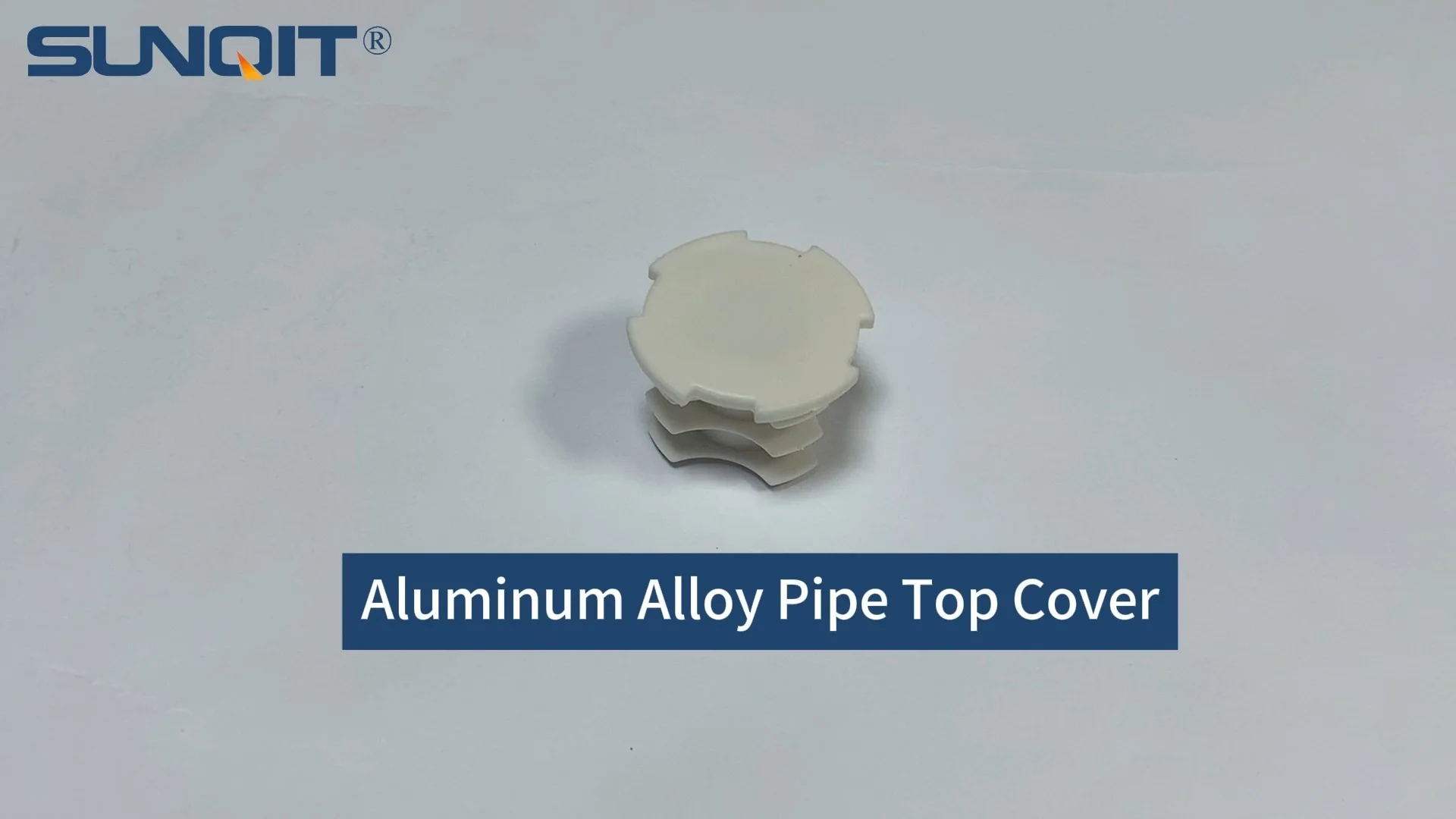
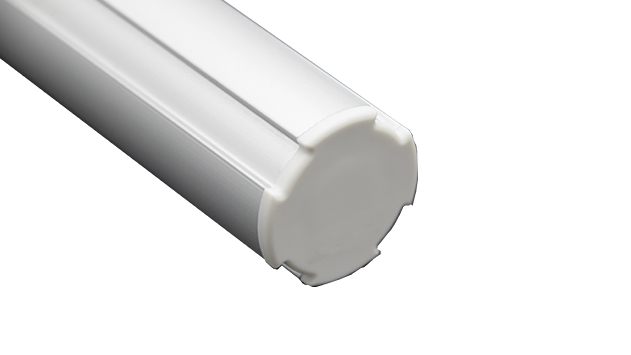
Plastic pipe cover to cover dia 28MM aluminum pipe end at workbench, flow rack, to prevent metal surface scratch material or worker.
Why Plastic Pipe Covers Matter in Industrial Setups
Walk into any modern factory, warehouse, or assembly line, and you'll likely spot a network of pipes snaking through the space—some carrying materials, others structuring workstations, and many forming the backbone of lean systems. These pipes, often made of lean pipe, aluminum pipe, or stainless steel, are the unsung heroes of efficient operations. But what protects them from scratches, corrosion, or debris? Enter plastic pipe covers. These unassuming sleeves or caps do more than just add a clean look; they shield pipes from wear, insulate against temperature fluctuations, and even prevent workers from accidental scrapes. Yet, none of this matters if the cover doesn't stay put. That's where the right adhesive comes in.
Imagine a busy production floor where a plastic pipe cover peels off a lean pipe joint mid-shift. Suddenly, the once-smooth surface becomes a snag hazard for gloves or tools. Worse, if the pipe is part of a material flow system—like a roller track or conveyor—loose covers can jam mechanisms, bringing workflows to a grinding halt. In ESD workstations, where static control is critical, a gap between the cover and pipe could compromise grounding, risking damage to sensitive electronics. The truth is, the bond between plastic pipe covers and their underlying pipes is more than just a detail; it's a silent guardian of productivity and safety.
Key Factors to Consider Before Picking an Adhesive
Choosing an adhesive for plastic pipe covers isn't a one-size-fits-all decision. The pipe material, the environment it operates in, and the cover's purpose all play a role. Let's break down the critical factors that will guide your choice.
1. Pipe Material: Lean Pipe vs. Aluminum Pipe vs. Stainless Steel
First, know your pipe. Lean pipe, a staple in lean manufacturing systems, is typically made of steel with a polyethylene (PE) coating. This coating is smooth and non-porous, which can make adhesion tricky—standard glues might slide right off. Aluminum pipe, on the other hand, has a naturally occurring oxide layer that acts as a barrier; adhesives need to penetrate or bond with this layer to stick. Stainless steel, prized for its corrosion resistance, is similarly smooth and non-reactive, requiring adhesives with strong chemical bonds.
Plastic pipe covers themselves add another layer of complexity. They're often made of PVC, polyethylene, or polypropylene—materials that vary in flexibility and surface texture. For example, a rigid PVC cover on an aluminum pipe will need a different adhesive than a soft polyethylene sleeve on a lean pipe.
2. Environmental Conditions: Heat, Moisture, and Chemicals
Adhesives don't exist in a vacuum—literally. A pipe near a furnace will face high temperatures, while one in a food processing plant might be exposed to water, cleaning agents, or oils. Even ambient humidity in a warehouse can weaken certain bonds over time. For instance, cyanoacrylate (super glue) works wonders in dry environments but can fail in high moisture. Polyurethane adhesives, by contrast, thrive in damp conditions and resist many chemicals, making them ideal for factories with frequent washdowns.
3. Bond Strength and Durability
How much stress will the bond endure? A plastic cover on a stationary lean pipe workbench might only need a moderate bond, but one on a turnover trolley or caster-equipped workstation will face constant vibration and movement. In these cases, "peel strength"—the adhesive's ability to resist being pulled apart—is crucial. Epoxy adhesives, known for their high shear and peel strength, are often the go-to for heavy-duty applications, while acrylic adhesives offer a balance of strength and flexibility for lighter use.
4. Application Ease and Curing Time
In fast-paced production environments, downtime is costly. An adhesive that takes 24 hours to cure might not be feasible if you need to get a workstation back online quickly. Some adhesives, like contact cement, require a "tack time" where you let the glue dry before bonding, while others, like instant adhesives, set in seconds. For large-scale projects—say, installing covers on an entire rack of aluminum profile—spray adhesives or pre-applied tape might save time, though they may not offer the same strength as liquid glues.
Adhesive Types for Plastic Pipe Covers: A Comparative Guide
With so many variables, it helps to narrow down the options. Below is a breakdown of the most common adhesives used for plastic pipe covers, along with their best uses, strengths, and limitations—specifically tailored to lean pipe, aluminum pipe, and other industrial materials.
| Adhesive Type | Best For | Key Strengths | Limitations | Top Tip |
|---|---|---|---|---|
| Epoxy Resin | Lean pipe joints, aluminum profile frames, heavy-duty applications | High shear/peel strength, chemical/water resistance, bonds to most materials | Long curing time (4-24 hours), requires mixing two parts | Ideal for permanent bonds on stationary structures like material racks or workbenches. |
| Cyanoacrylate (CA) Instant Adhesive | Small plastic covers, stainless steel pipe series, tight spaces | Fast curing (seconds to minutes), strong bond on smooth surfaces | Poor moisture/heat resistance, brittle bond over time | Use with a primer on PE-coated lean pipes to improve adhesion. |
| Polyurethane Adhesive | Aluminum pipe, outdoor or damp environments, caster wheels/accessories | Flexible bond, resistant to water/chemicals/UV rays, gap-filling | Longer curing time (6-12 hours), can expand slightly during curing | Great for pipes near wash stations or in unheated warehouses. |
| Acrylic Adhesive | Plastic roller track guide rails, ESD workbench covers, aluminum guide rails | Balances strength and flexibility, low odor, bonds plastic to metal well | May yellow over time with UV exposure, lower heat resistance | Use for covers that need to flex slightly, like those on moving conveyor parts. |
| Contact Cement | Large flat covers, aluminum honeycomb panels, plastic pipe sleeves | Bonds large surfaces evenly, no clamping needed once tacky | Requires ventilation (strong fumes), not ideal for vertical surfaces | Apply thin, even coats to both the pipe and cover for best results. |
Pro Tip: Always test the adhesive on a scrap piece of pipe and cover before full application. This checks for compatibility (e.g., some adhesives can melt certain plastics) and ensures the bond holds under your specific conditions.

Material-Specific Bonding: Lean Pipe, Aluminum Pipe, and Beyond
Now that we've covered the basics, let's dive into the specifics. Different pipe materials demand different adhesive strategies. Here's how to tackle the most common types in industrial settings.
Bonding Plastic Covers to Lean Pipe: Taming the PE Coating
Lean pipe—also called "lean tube"—is a workhorse in lean systems, often coated in polyethylene (PE) for corrosion resistance. The problem? PE is notoriously hard to bond to; its non-porous surface repels many adhesives. To overcome this, start with surface preparation: gently sand the PE coating with fine-grit sandpaper to create micro-abrasions, then wipe with isopropyl alcohol to remove dust and oils.
For most lean pipe applications—like covering a section of pipe on a material rack or workbench—epoxy adhesives are a solid choice. Look for two-part epoxies labeled "plastic bonding" or "multi-material," as these often include modifiers that help them grip PE. Apply a thin, even layer to both the pipe and cover, then clamp or tape the joint until cured (typically 4-6 hours for a functional bond, 24 hours for full strength).
If you need a quicker fix, cyanoacrylate with a PE primer can work. The primer etches the PE surface, allowing the CA glue to form a stronger bond. This is great for small repairs, like reattaching a plastic cap on a lean pipe joint, but avoid it for high-stress areas—CA bonds can become brittle over time, especially with vibration.
Sticking to Aluminum Pipe: Breaking Through the Oxide Layer
Aluminum pipe and aluminum profile are prized for their lightweight strength, but their Achilles' heel is the thin oxide layer that forms almost instantly when exposed to air. This layer can prevent adhesives from bonding directly to the metal. The solution? Clean the aluminum with a degreaser (like acetone) to remove oils, then lightly sand the surface to disrupt the oxide layer. For extra adhesion, use an aluminum-specific primer—these contain chemicals that react with the oxide, creating a porous surface for the adhesive to grip.
Polyurethane adhesives excel here. They bond well to both aluminum and plastic, flex with temperature changes (important for aluminum, which expands and contracts more than steel), and resist moisture. For example, if you're installing a plastic roller track guide rail (yellow or grey) onto an aluminum guide rail, a polyurethane adhesive will handle the constant movement of rollers without cracking.
For ESD workstations, where aluminum pipes are often used for grounding, opt for an adhesive that doesn't interfere with conductivity. Acrylic adhesives are a safe bet—they're non-conductive but won't create gaps that break the ground path. Avoid thick adhesives here; a thin layer ensures the cover sits flush against the pipe, maintaining continuity.
Special Cases: Stainless Steel, Roller Tracks, and ESD Workstations
Stainless steel pipe series, common in cleanrooms or food-grade environments, require adhesives that resist corrosion and chemicals. Epoxy adhesives with stainless steel fillers or silicone adhesives (which are inert and heat-resistant) work best here. For roller track systems—like those with swivel roller balls or plastic roller track guide rails—flexibility is key. The constant motion of rollers can shear rigid bonds, so go with a polyurethane or acrylic adhesive that can "give" without breaking.
In ESD workstations, where static control is critical, avoid adhesives with volatile organic compounds (VOCs) that might outgas and contaminate sensitive components. Water-based acrylic adhesives are low-VOC and won't interfere with ESD properties. Also, ensure the adhesive doesn't create a gap between the plastic cover and pipe—any air pocket could trap static, defeating the purpose of the workstation's grounding.

Application Best Practices: From Prep to Cure
Even the best adhesive will fail if applied poorly. Follow these steps to ensure a strong, lasting bond:
Step 1: Prep the Surfaces
This can't be overstated: clean, dry surfaces are non-negotiable. Wipe both the pipe and plastic cover with a lint-free cloth and solvent (alcohol, acetone, or degreaser) to remove dirt, oil, or mold release agents (common on new plastics). For non-porous materials (lean pipe, aluminum, stainless steel), lightly sand the surface to create texture—this gives the adhesive more to grip. Avoid over-sanding, though; you don't want to damage the pipe's coating or structural integrity.
Step 2: Apply the Adhesive Correctly
Read the adhesive's instructions—every product is different. For two-part adhesives (like epoxy), mix exactly the recommended ratio; too much hardener can make the bond brittle, too little will prevent curing. Apply a thin, even layer to one or both surfaces—excess glue will squeeze out and weaken the bond (it also looks messy). For vertical applications (like covering a pipe on a rack), use a notched trowel or adhesive comb to apply the glue in ridges; this prevents sagging before it sets.
Step 3: Clamp or Apply Pressure
Most adhesives need pressure to form a strong bond. Use clamps, tape, or weights to hold the cover in place while curing. For small covers, painter's tape works well—just don't pull it off too soon (wait until the adhesive is tacky but not fully cured). For larger surfaces, use evenly spaced clamps to avoid warping the cover.
Step 4: Cure Properly
Resist the urge to test the bond early. Adhesives often reach "handling strength" in hours but need full curing time (24-48 hours) to develop maximum strength. Temperature matters here too: most adhesives cure faster in warm environments (70-80°F is ideal) but slow down in cold. Avoid moving or stressing the bond during curing—even a small shift can break the adhesive's chemical cross-links.
Quick Fix for Loose Covers: If a cover starts to peel, don't just glue it back on top of the old adhesive. Scrape off the loose glue with a plastic scraper, clean the area, and apply fresh adhesive. Old, dried glue acts as a barrier—new adhesive needs direct contact with the pipe and cover.
Troubleshooting Common Bonding Issues
Even with careful prep, things can go wrong. Here's how to diagnose and fix common problems:
Issue: The Cover Peels Off Easily
Causes: Poor surface prep (oils or dirt left behind), using the wrong adhesive for the pipe material, or insufficient pressure during curing. Solution: Clean and re-sand the surfaces, switch to an adhesive with better compatibility (e.g., epoxy for lean pipe, polyurethane for aluminum), and apply more pressure during curing.
Issue: The Adhesive Turns White or Cracks
Causes: Using cyanoacrylate in high humidity (the white "bloom" is moisture reacting with the glue) or exposing a rigid adhesive to temperature extremes (cracking from expansion/contraction). Solution: Switch to a moisture-resistant adhesive (polyurethane) or a flexible one (acrylic) that can handle temperature swings.
Issue: The Plastic Cover Warps or Melts
Causes: Adhesive with too much solvent (which can dissolve plastic) or applying heat to speed curing (e.g., using a hair dryer on PVC). Solution: Use a low-solvent or solvent-free adhesive (water-based acrylics are safe for most plastics) and let the adhesive cure at room temperature.
Issue: The Bond Fails in Wet or Chemical Environments
Causes: Using a water-based or non-chemical-resistant adhesive (like white glue or some contact cements). Solution: Switch to an epoxy or polyurethane adhesive labeled "waterproof" or "chemical resistant." For food-grade areas, look for adhesives certified by the FDA or NSF.
Conclusion: The Right Adhesive, The Right Outcome
Plastic pipe covers might seem like a minor detail, but their bond to lean pipe, aluminum pipe, or stainless steel can make or break an industrial system's efficiency and safety. By considering pipe material, environment, bond strength, and application needs, you can choose an adhesive that not only holds but lasts—saving time, reducing downtime, and keeping your operations running smoothly.
Remember: the best adhesive is the one that fits your specific scenario. A small repair on a lean pipe joint might call for instant glue, while a full ESD workstation overhaul could require industrial-grade epoxy. And when in doubt, consult your lean pipe supplier or aluminum profile manufacturer—they often have tested adhesive recommendations for their products.
At the end of the day, a strong bond between plastic pipe covers and pipes is more than just glue—it's a commitment to reliability. And in the world of lean manufacturing, reliability is everything.