- Company Articles
- Products and Technology
- Application Cases
- Plastic Pipe Cover Applications in Computer Peripheral Assembly Plants

Plastic Pipe Cover Applications in Computer Peripheral Assembly Plants
Related Product
Plastic Pipe Cover
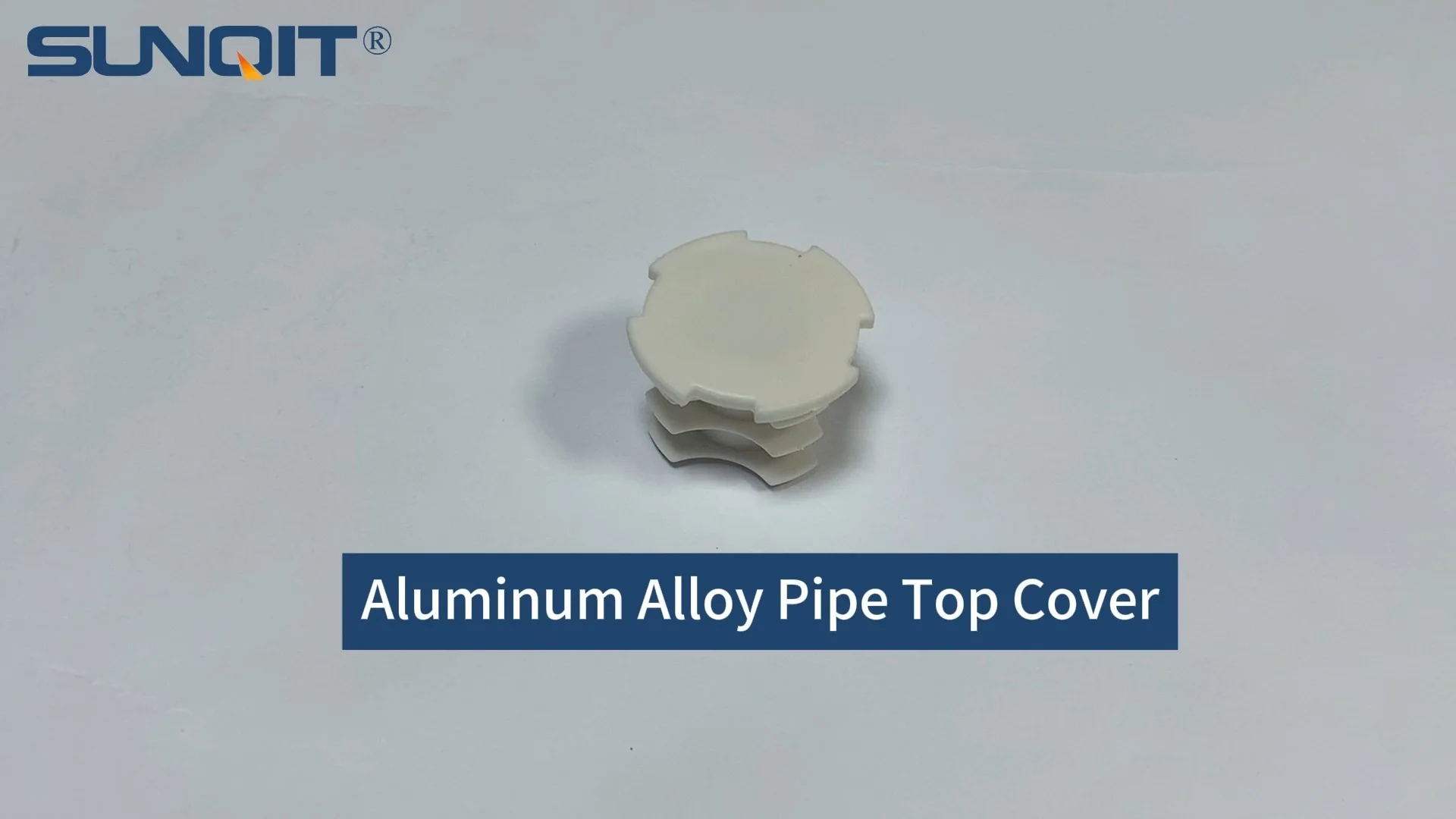
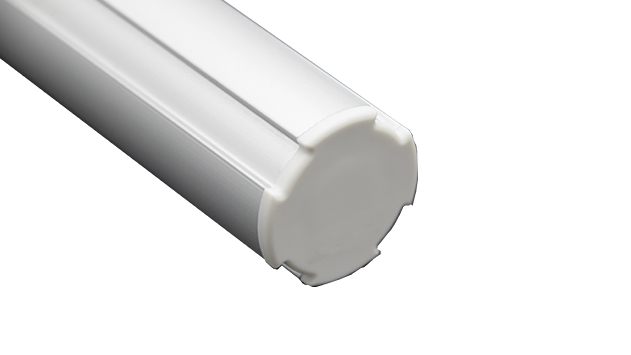
Plastic pipe cover to cover dia 28MM aluminum pipe end at workbench, flow rack, to prevent metal surface scratch material or worker.
In the fast-paced world of computer peripheral manufacturing—where every second counts and precision is non-negotiable—even the smallest components play a pivotal role in keeping assembly lines running smoothly. Keyboards, mice, monitors, and printers may take center stage, but behind the scenes, tools like plastic pipe covers quietly ensure efficiency, safety, and reliability. From guiding materials along roller tracks to protecting lean pipe structures, these unassuming accessories are the unsung heroes of modern assembly plants. Let's dive into how plastic pipe covers, particularly plastic roller track guide rails, are transforming operations in these high-stakes environments.
Understanding Plastic Pipe Covers: More Than Just "Covers"
At first glance, plastic pipe covers might seem like simple protective sleeves, but their design and functionality are tailored to the unique demands of manufacturing. Typically made from durable materials like polyvinyl chloride (PVC) or polyurethane, these covers are engineered to withstand the rigors of factory floors—resisting oils, chemicals, abrasion, and impacts. What sets them apart is their versatility: they come in various shapes, sizes, and colors, each suited to specific tasks. Among the most widely used are plastic roller track guide rails, which act as "traffic controllers" for materials moving along assembly lines, and lean pipe covers, which shield modular workbench structures from wear and tear.
Colors matter too. In busy plants, visual cues are critical for organization. Plastic roller track guide rail yellow , for example, is often used in high-traffic or safety-sensitive areas, where its bright hue alerts workers to moving parts or designated material paths. Plastic roller track guide rail grey , on the other hand, is a staple for standard operations, blending into neutral workspaces while still providing clear guidance for materials. These color-coded solutions reduce errors, speed up training, and minimize accidents—proving that even aesthetics serve a functional purpose.
Key Applications in Computer Peripheral Assembly
Computer peripheral assembly lines are a symphony of moving parts: circuit boards glide along conveyors, casings are sorted into bins, and finished products are packaged for shipping. Plastic pipe covers integrate seamlessly into this chaos, solving specific challenges at every stage.
1. Guiding Materials with Roller Track Guide Rails
Roller tracks are the backbone of material handling in these plants, transporting everything from small keyboard components to large monitor frames. Without proper guidance, items can shift, jam, or fall off the track—halting production and risking damage. This is where plastic roller track guide rails shine. Mounted along the edges of roller tracks, they create a "lane" for materials, ensuring they move in a straight line and align correctly with workstations.
Take keyboard assembly, for instance. Tiny rubber domes or keycaps are often transported in small trays. A misaligned tray could spill components, leading to lost parts and cleanup delays. By installing plastic roller track guide rail yellow along the track, plant managers create a visual and physical barrier that keeps trays centered. The yellow color also makes it easy for workers to spot misalignments at a glance, even in dimly lit areas. For less critical paths—like moving empty bins— plastic roller track guide rail grey offers the same functional guidance without drawing unnecessary attention, keeping the workspace streamlined.
2. Protecting Lean Pipe Structures
Modern assembly plants rely heavily on lean pipe systems—modular, customizable structures made from metal pipes and joints that form workbenches, material racks, and flow racks. These systems are prized for their flexibility (they can be reconfigured in hours) and cost-effectiveness, but their metal surfaces are prone to scratches, dents, and corrosion from daily use. Plastic pipe covers act as a protective shield, extending the lifespan of lean pipe structures and reducing maintenance costs.
Imagine a workbench where workers assemble printer cartridges. The constant sliding of tools, parts bins, and finished products against the lean pipe frame would quickly wear down the metal. A thin PVC cover wraps around the pipes, absorbing impacts and preventing scratches. Some covers even have textured surfaces, adding grip to reduce slippage of tools or bins. For food-grade or cleanroom environments, specialized covers made from FDA-approved plastics ensure compliance with hygiene standards—another example of how these covers adapt to diverse needs.
3. Enhancing Workbench Safety and Ergonomics
Workbenches are the heart of assembly operations, where workers spend hours piecing together components. Safety and comfort here directly impact productivity and employee well-being. Plastic pipe covers play a subtle but vital role in both. Sharp edges on metal workbench frames, for example, can cause cuts or snag clothing. Soft, flexible plastic covers round off these edges, turning hazards into safe, smooth surfaces.
Ergonomics matter too. Adjustable workbenches—common in plants where tasks vary in height—often use lean pipes with plastic covers. The covers dampen noise when the workbench is repositioned, reducing workplace distractions. They also provide a non-slip surface for workers to rest their arms during repetitive tasks, reducing fatigue. In one plant we visited, workers reported less wrist strain after covers were added to their workbench edges—a small change with a big impact on morale.
Plastic vs. Metal vs. Rubber: Why Plastic Pipe Covers Stand Out
Manufacturers have options when it comes to pipe covers—so why choose plastic? Let's break down how it compares to other materials:
- Metal covers are durable but heavy, expensive, and prone to rust in humid or wet environments. They also conduct heat and electricity, posing risks in electronics assembly.
- Rubber covers offer good grip and shock absorption but degrade quickly under oil or chemical exposure—common in factories using cleaning agents or lubricants.
- Plastic covers strike a balance: they're lightweight (reducing installation effort), resistant to corrosion and chemicals, and cost significantly less than metal. They're also flexible, making them easy to install on curved or irregularly shaped pipes—unlike rigid metal covers.
For computer peripheral plants, where precision and cost-efficiency are paramount, plastic's versatility is a game-changer. Whether you need a bright yellow guide rail for high-visibility tracking or a grey sleeve for general protection, plastic can be tailored to the task without breaking the bank.

Comparing Plastic Roller Track Guide Rails: Yellow vs. Grey
To better understand how these guide rails fit into real-world operations, let's compare the two most popular types: yellow and grey. The table below highlights their key features and ideal applications:
| Feature | Plastic Roller Track Guide Rail Yellow | Plastic Roller Track Guide Rail Grey |
|---|---|---|
| Material Composition | PVC with UV-resistant additives | Standard PVC |
| Primary Color | Bright yellow (RAL 1023) | Neutral grey (RAL 7035) |
| Visibility Level | High—stands out in busy or low-light areas | Moderate—blends into standard workspaces |
| Typical Applications | High-traffic roller tracks, safety zones, critical material paths (e.g., circuit board transport) | Standard material handling, non-critical paths (e.g., empty bin return, packaging stations) |
| Chemical Resistance | Resistant to oils, solvents, and mild acids | Resistant to oils and water; limited resistance to strong solvents |
| Durability | High—thicker wall (2.5mm) for heavy use | Moderate—standard wall (2mm) for light to medium use |
| Cost (per meter) | Slightly higher ($8–$10) | More economical ($5–$7) |
Case Study: How Yellow Guide Rails Boosted Efficiency at TechWorks Peripherals
TechWorks Peripherals, a mid-sized manufacturer of wireless keyboards, was struggling with bottlenecks on their final assembly line. Workers reported frequent jams when moving keyboard trays along the roller track, leading to 15–20 minutes of downtime daily. The culprit? Misaligned trays veering off the track, often due to poor visibility of the track edges in the plant's dim lighting.
The plant manager decided to test plastic roller track guide rail yellow along the 20-meter track. Within a week, the results were striking: jams decreased by 70%, and workers noted that the bright yellow guides made it easier to align trays from a distance. Over three months, the line's throughput increased by 8%, and maintenance costs dropped as fewer trays were damaged. "It's amazing how a simple color change made such a big difference," the manager noted. "We're now rolling out yellow guides to all our critical tracks."

Installation and Maintenance Tips for Long-Lasting Performance
To get the most out of plastic pipe covers, proper installation and maintenance are key. Here's what plant managers and technicians should keep in mind:
Installation Best Practices
- Measure twice, cut once: Plastic covers can be easily trimmed with a utility knife, but accurate measurements ensure a snug fit. Loose covers may slip or bunch, reducing effectiveness.
- Clean the pipe first: Wipe down lean pipes or roller tracks with a degreaser to remove oil, dust, or debris. This helps the cover adhere better and prevents mold growth.
- Use clips for high-movement areas: In roller tracks where materials slide constantly, secure covers with plastic clips to prevent shifting. For static lean pipes, friction alone often suffices.
Maintenance Guidelines
- Inspect monthly: Check for cracks, tears, or discoloration—signs the cover may need replacement. Pay extra attention to high-wear areas like workbench edges or roller track curves.
- Clean with mild soap and water: Avoid harsh chemicals that can degrade the plastic. A soft cloth or sponge is usually enough to remove dirt or oil buildup.
- replace in sections: If only part of a cover is damaged, cut and replace just that section instead of the entire length—saving time and money.
Future Trends: What's Next for Plastic Pipe Covers?
As manufacturing evolves, so too will the tools that support it. For plastic pipe covers, two trends are emerging:
Sustainability: With plants prioritizing eco-friendly practices, manufacturers are developing covers made from recycled plastics or biodegradable materials. These options maintain durability while reducing environmental impact.
Smart covers: Imagine covers embedded with RFID tags or sensors that track wear and tear, alerting maintenance teams when replacement is needed. Early prototypes are being tested in automotive plants, and we could see them in computer peripheral assembly within the next five years.
Customization will also grow—plants may soon order covers in brand colors or with company logos, turning functional tools into subtle branding opportunities.
Final Thoughts: Small Tools, Big Impact
In the grand scheme of computer peripheral manufacturing, plastic pipe covers may not grab headlines, but their contribution to efficiency, safety, and cost savings is undeniable. From guiding delicate components along roller tracks with plastic roller track guide rail yellow to protecting lean pipe workbenches, these versatile accessories prove that success lies in the details. As plants continue to chase higher productivity and lower costs, investing in quality plastic pipe covers isn't just a smart choice—it's a necessary one.
So the next time you see a bright yellow guide rail or a smooth plastic-wrapped workbench, take a moment to appreciate the quiet workhorse keeping the line moving. After all, in manufacturing, the smallest parts often make the biggest difference.