- Company Articles
- Products and Technology
- Product knowledge
- Plastic Pipe Cover Color Coding Best Practices for Warehouse Organization

Plastic Pipe Cover Color Coding Best Practices for Warehouse Organization
Related Product
Plastic Pipe Cover
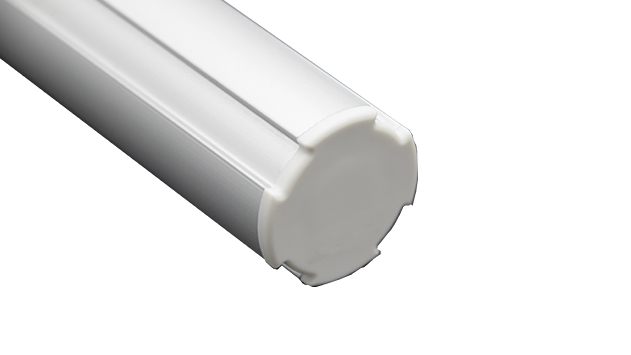
Plastic pipe cover to cover dia 28MM aluminum pipe end at workbench, flow rack, to prevent metal surface scratch material or worker.

Walk into any bustling warehouse, and you'll quickly realize that organization isn't just a nicety—it's the backbone of productivity. From the hum of conveyors to the steady flow of materials on flow racks, every second counts. But when tools, bins, and workstations blend into a sea of metal and plastic, even seasoned workers can waste precious time searching for the right item. This is where plastic pipe cover color coding steps in: a simple, cost-effective solution that transforms chaos into clarity, aligning perfectly with lean system principles to streamline operations.
At first glance, plastic pipe covers might seem like accessories. But when paired with intentional color coding, they become powerful visual cues that guide workflow, reduce errors, and boost safety. Whether you're managing a small workshop with a few workbenches or a sprawling facility with miles of conveyors, color coding turns your warehouse into a space where everyone—from new hires to veterans—can navigate with confidence.
Why Color Coding Matters in Warehouse Organization
Warehouses thrive on predictability. When processes are unpredictable, errors spike, deadlines slip, and frustration builds. Color coding addresses this by turning abstract information (like "this bin belongs to the assembly line") into something instantly recognizable—no manuals, no guesswork. Here's why it's a game-changer:
- Speed: Instead of reading labels or scanning barcodes, workers can identify materials at a glance. A study by the Material Handling Institute found that color-coded systems reduce pick times by up to 35% in high-volume facilities.
- Accuracy: Misplacing a part on a flow rack or sending a bin to the wrong conveyor can derail an entire shift. Color coding minimizes these errors by creating visual boundaries—if a red bin ends up on a yellow flow rack, it's immediately obvious.
- Safety: Busy warehouses are full of hazards, from moving machinery to heavy loads. Color coding helps flag risks: red for emergency stops, yellow for caution zones (think plastic roller track guide rail yellow on high-traffic flow racks), and green for safe, finished goods areas.
- Scalability: As your warehouse grows, so does the complexity of your operations. Color coding scales effortlessly—adding a new product line? Simply assign it a new color and update your pipe covers. No overhauls, no confusion.
Best Practices for Effective Plastic Pipe Cover Color Coding
Color coding isn't just about slapping random colors on pipes. To work, it needs to be intentional, consistent, and intuitive. Here are the key principles to follow:
1. Start with a Clear Color Psychology Framework
Colors evoke universal emotions and associations—use this to your advantage. For example:
| Color | Typical Application | Benefits | Example Products |
|---|---|---|---|
| Yellow | Active workflow zones (picking, assembly) | High visibility; signals "attention" without alarm | Plastic roller track guide rail yellow on flow racks |
| Blue | Raw materials or incoming inventory | Calming; indicates "in progress" | Conveyor rails for unprocessed goods |
| Green | Finished goods or quality-approved items | Signals "go" or "complete" | Workbench edges for inspected products |
| Red | Hazardous materials or emergency stops | Immediate danger awareness | Pipe covers near heavy machinery |
| Gray | Maintenance or storage areas | Neutral; indicates "inactive" or "stored" | Spare parts bins on utility racks |
Notice how plastic roller track guide rail yellow fits naturally here: its bright hue makes it perfect for flow racks where workers need to quickly spot picking lanes. Yellow's high contrast against metal also ensures visibility even in dimly lit corners.
2. Prioritize Consistency Across All Zones
Imagine a new hire learning that yellow means "picking" on the east side of the warehouse, but "reject" on the west. Chaos would ensue. To avoid this, standardize your color code across every area—from workbenches to conveyors to the last bin on the farthest flow rack. Document the system in a simple guide (laminated sheets by workstations work well) and ensure all shifts follow it. Consistency builds muscle memory, so workers don't have to think twice about what a color means.
3. Ensure Durability and Visibility
Warehouses are tough environments—pipes get bumped, racks get scraped, and covers take a beating. Choose plastic pipe covers made from high-quality, fade-resistant materials (like UV-stabilized polyethylene) to ensure colors stay vibrant for years. Avoid dull shades or pastels; opt for bold, saturated tones that stand out against metal, wood, or concrete. For example, plastic roller track guide rail yellow isn't just a color—it's a durable, purpose-built solution designed to withstand the daily grind of roller tracks and constant material flow.
Implementing Color Coding: A Step-by-Step Guide
Ready to roll out color coding in your warehouse? Follow these steps to ensure success:
1. Audit Your Current Workflow
Walk through your facility with a team of frontline workers and managers. Identify pain points: Where do errors happen most? Which areas feel disorganized? Note high-traffic zones (like conveyor junctions), frequently accessed tools (workbench setups), and problem spots (confusing flow rack sections). This audit will help you prioritize where color coding will have the biggest impact.
2. Design Your Color Code
Using the color psychology framework above, map colors to your specific needs. If you ship internationally, check for cultural color differences (e.g., red symbolizes luck in some countries, not danger). Keep it simple—stick to 5-7 colors max to avoid overwhelming workers. Test your code with a small group: Do they instantly understand what each color means? Adjust based on feedback.
3. Apply and Label
Once your code is finalized, start applying plastic pipe covers. Focus on high-visibility areas first: flow rack rails, conveyor edges, and workbench frames. For example, install plastic roller track guide rail yellow on your busiest picking flow racks to highlight active lanes. Add small, weatherproof labels near covers (e.g., "Yellow = Picking") for extra clarity, especially during the transition phase.
4. Train and Reinforce
Even the best system fails without training. Hold short, interactive sessions where workers practice identifying colors and their meanings. Use real examples: "Point to the yellow flow rack—where should this bin go?" Role-play common scenarios, like finding a misplaced red bin on a green conveyor. Reward teams that adopt the system quickly (a pizza lunch for the shift with the fewest color-related errors, for example).
5. Monitor and Adapt
Color coding isn't a "set it and forget it" solution. Check in after 30, 60, and 90 days: Are pick times improving? Have errors dropped? Are workers suggesting tweaks? Maybe the blue for raw materials is too similar to gray in low light—swap it for teal. Flexibility ensures your system stays effective as your warehouse evolves.

Case Study: From Chaos to Clarity with Color Coding
The Challenge:
A mid-sized electronics manufacturer was struggling with inefficiencies in their assembly line. Their 50,000 sq. ft. warehouse had 12 flow racks, 3 conveyors, and 8 workbenches, but materials were often misplaced. Workers spent 20% of their shift searching for parts, and mislabeled bins caused 15% of assembly errors. The team was stuck in a cycle of rework, and morale was low.
The Solution:
The warehouse manager decided to implement color coding as part of their broader lean system initiative. They started by auditing workflows and designing a code:
- Yellow: Picking zones (using plastic roller track guide rail yellow on flow racks)
- Blue: Raw circuit boards (conveyor rails)
- Green: Quality-checked components (workbench edges)
- Red: Defective parts (dedicated bins on utility racks)
They installed durable plastic pipe covers on all flow racks, conveyors, and workbenches, then held 30-minute training sessions for all shifts. A laminated guide was posted at each workstation, and supervisors did daily "color checks" to reinforce the system.
The Results:
Within 60 days, pick times dropped by 28%, and assembly errors fell by 32%. Workers reported feeling less stressed, and new hires were productive within their first week (down from 3 weeks prior). The plastic roller track guide rail yellow on flow racks became a favorite feature—"I can spot my lane from 20 feet away now," one picker noted. Best of all, the system cost less than $5,000 to implement, making it one of the most cost-effective improvements the warehouse had ever made.

Common Mistakes to Avoid
Even with the best intentions, color coding can fail if you skip key steps. Watch out for these pitfalls:
- Inconsistent colors: Using "sunflower yellow" on one flow rack and "mustard yellow" on another undermines clarity. Stick to a single shade per color (e.g., Pantone 109 for all yellow applications).
- Poor contrast: Light blue covers on white walls or gray pipes will blend in. Always test colors in your actual warehouse lighting before buying.
- Overcomplicating the code: Adding 10+ colors for niche categories (e.g., "light purple for left-handed tools") will confuse workers. Keep it simple and focus on high-impact zones.
- Ignoring feedback: If workers say the green for finished goods is hard to see, listen! They're the ones using the system daily.
Conclusion: Color Coding—Your Lean System's Secret Weapon
In the world of warehouse organization, it's often the smallest changes that make the biggest difference. Plastic pipe cover color coding is one of those changes: affordable, easy to implement, and instantly impactful. By turning pipes, racks, and rails into visual guides, you empower your team to work faster, safer, and smarter—all while aligning with lean system principles that drive long-term success.
So, grab a roll of plastic roller track guide rail yellow , map out your color code, and start transforming your warehouse today. Your workers (and your bottom line) will thank you.