- Company Articles
- Products and Technology
- Product knowledge
- Plastic Pipe Cover Colors: Coding for Efficient Workflow in Factories

Plastic Pipe Cover Colors: Coding for Efficient Workflow in Factories
Related Product
Plastic Pipe Cover
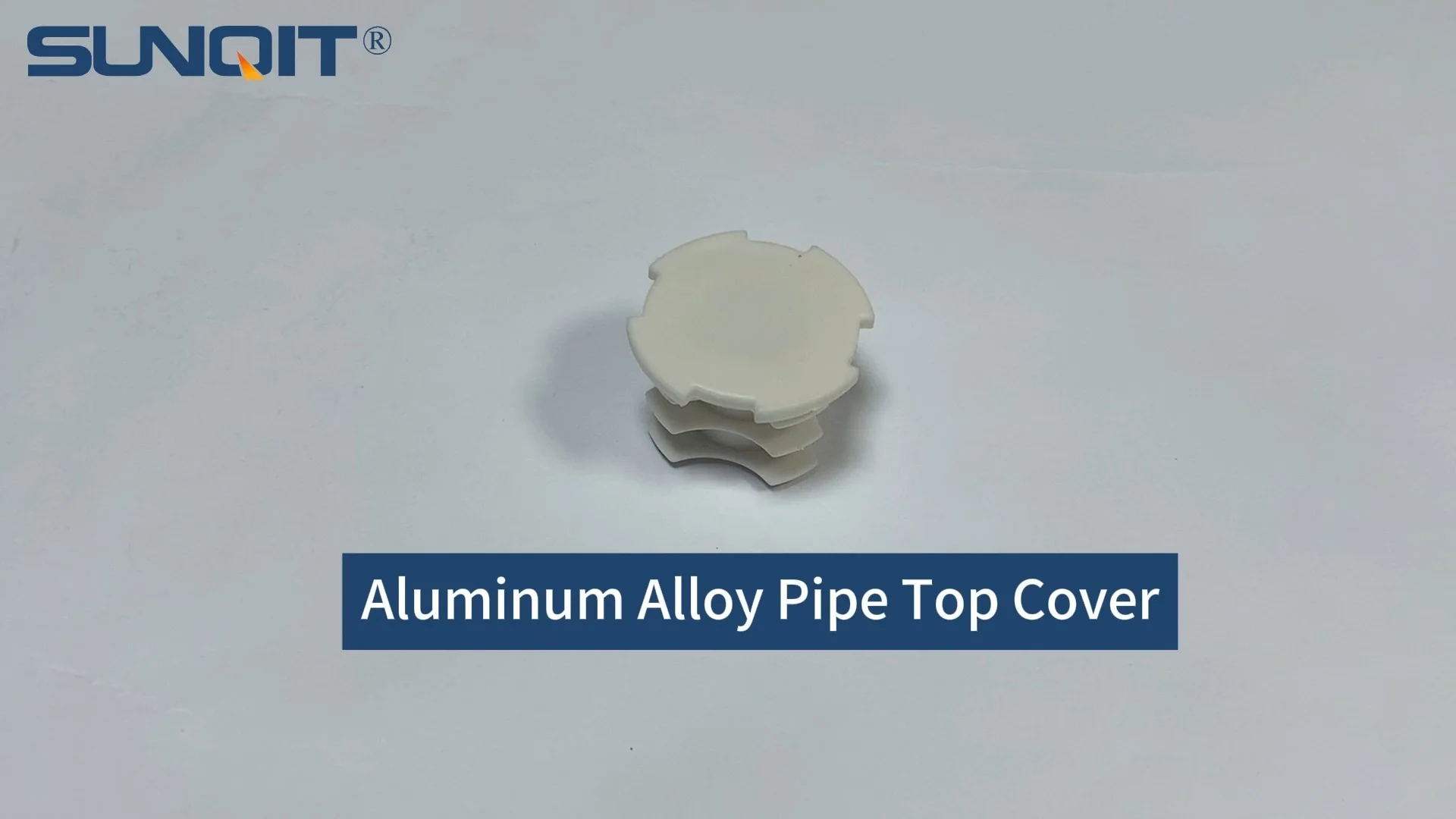
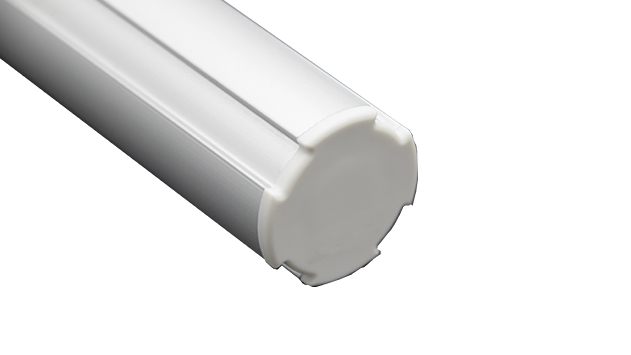
Plastic pipe cover to cover dia 28MM aluminum pipe end at workbench, flow rack, to prevent metal surface scratch material or worker.
Walk into any busy factory, and you'll notice a symphony of movement: workers assembling components, conveyors shuttling parts, and materials flowing from one station to the next. In the middle of this organized chaos, even the smallest details can make or break efficiency. One such detail—often overlooked but surprisingly impactful—is the color of plastic pipe covers. These unassuming sleeves, slipped over lean pipes, aluminum profiles, or roller tracks, do more than protect equipment; they're silent communicators, guiding workflows, reducing errors, and keeping operations running like a well-oiled machine. In the world of lean manufacturing, where every second and every action counts, color-coded plastic pipe covers aren't just accessories—they're essential tools for building a smarter, more efficient workplace.
The Unsung Heroes: Plastic Pipe Covers in Lean Systems
Before diving into colors, let's take a moment to appreciate the plastic pipe cover itself. If you've ever worked in a factory, you've seen them: flexible, durable sleeves that wrap around metal pipes, tubes, or profiles. They're typically made from high-density polyethylene (HDPE) or PVC, designed to withstand daily wear—scratches from tools, bumps from trolleys, even the occasional spill. But their real superpower? They're blank canvases, ready to be colored and coded to fit a factory's unique rhythm.
In a lean system, the goal is to eliminate waste—whether that's wasted time searching for tools, wasted motion moving between stations, or wasted resources due to errors. Plastic pipe covers, when color-coded, become visual cues that cut through the noise of the factory floor. Imagine a new employee walking up to a workbench for the first time. Without labels, they might fumble to figure out where to place finished parts or which tools belong in which slot. But if the workbench's frame is wrapped in yellow plastic covers, and the adjacent flow rack (stocked with incoming materials) is grey, that visual distinction tells them, "Yellow is for completed work; grey is for what's next." No training manual needed—just a glance.
This isn't just about convenience. It's about building muscle memory. When every workbench, conveyor, and flow rack speaks the same color language, workers don't have to think—they react. That split-second saved per task adds up to hours of productivity over a week. And in a lean system, where continuous improvement is king, those hours translate to real results: faster production cycles, fewer mistakes, and a team that feels more confident and in control.
Cracking the Color Code: Logic Meets Practicality
Color coding isn't random. It's a science, rooted in psychology and industry best practices. Certain colors trigger universal associations—red for danger, green for go, blue for calm—and factories leverage these instincts to create intuitive systems. Let's break down the most common color choices and what they communicate on the factory floor.
| Color | Primary Purpose | Typical Applications | Key Benefit |
|---|---|---|---|
| Yellow | Workflow Paths & Active Zones | Conveyors, Flow Racks (Fast-Moving Parts), Workbench Edges | High visibility to guide movement and prioritize tasks |
| Grey | General Use & Storage | Storage Racks, Turnover Trolleys, Non-Critical Workbenches | Neutral tone for everyday, low-priority areas |
| Red | Hazard Zones & Restrictions | Machine Guards, Electrical Enclosures, No-Go Areas | Immediate visual warning to prevent accidents |
| Green | Material Staging & Inventory | Raw Material Racks, Kanban Bins, Stock Rooms | Signals "ready for use" to streamline stock management |
| Blue | Utility & Support Systems | Electrical Conduits, Air Lines, Plumbing Pipes | Distinguish non-production infrastructure from workflow tools |
Of course, no two factories are identical. A electronics plant might use purple to mark ESD (Electrostatic Discharge) zones (critical for protecting sensitive circuit boards), while a food packaging facility could use white for sanitized areas. The key is consistency. Once a color is assigned a meaning, it needs to be applied universally—from the smallest roller track guide rail to the largest conveyor system. Mixed messages (like using yellow for both "active work" and "cleanup zones") confuse workers and undo the system's effectiveness.
Some suppliers even offer custom color matching, letting factories align pipe covers with their brand or existing safety protocols. For example, if a company's logo uses teal, they might adopt teal covers for quality control stations, turning brand identity into a functional tool. It's these small, intentional choices that turn a factory floor from a jumble of equipment into a cohesive, self-explaining environment.
Beyond the Surface: The Hidden Benefits of Color-Coded Covers
At first glance, color-coded plastic pipe covers might seem like a "nice-to-have." But ask any operations manager who's implemented them, and they'll tell you they're a "must-have." Let's dig into the tangible benefits that go beyond just looking organized.
1. Faster Onboarding, Less Training
Factories turn over staff, and temporary workers are common during peak seasons. Training a new hire on every nuance of the workflow can take days—time that could be spent producing. Color-coded covers shortcut that process. A temp assigned to pack products doesn't need to memorize which conveyor leads to shipping vs. QA; they just follow the yellow covers (shipping) vs. the purple ones (QA). One manufacturer we spoke to reported cutting new hire training time by 30% after rolling out color-coded workbenches and flow racks. "It's like giving them a map that's always in front of them," the plant manager noted.
2. Error Reduction (No More "Oops, Wrong Bin!")
Mistakes happen when workers are rushed or distracted. A assembler might accidentally place a defective part back into the "good" bin, or a picker might grab a low-priority component when a high-priority one is needed. Color coding creates a safety net. If the "defective parts" bin is in a red-cover rack and the "good parts" bin is in a green-cover one, that visual barrier makes it harder to mix them up. A study by the Lean Manufacturing Institute found that factories using color-coded visual cues saw a 22% reduction in material handling errors, directly boosting product quality and reducing rework costs.
3. Safety First (Red Means Stop—Literally)
Factory floors have hazards: moving conveyor belts, hot machinery, electrical panels. OSHA reports that 25% of workplace accidents in manufacturing are due to "failure to recognize hazards." Red plastic pipe covers act as a universal "stop sign." Wrapping the base of a machine's guard in red covers isn't just a suggestion—it's a command: "Stay back." Similarly, yellow covers on floor-level roller tracks warn workers to watch their step, preventing trips. One automotive plant reduced slip-and-fall incidents by 40% after outlining walkways and equipment edges with high-visibility yellow covers.
4. Scalability for Growing Factories
As a factory expands—adding new conveyors, workbenches, or product lines—keeping systems organized becomes harder. Color coding scales effortlessly. When a new production line is added, simply assign it a new color (say, orange) and train the team: "Orange is for the new widget line." No need to redesign layouts or rewrite manuals; the color does the talking. This flexibility is why color-coded covers are a staple in lean systems, which thrive on adaptability.

Putting It All Together: Real-World Applications
Let's step onto a hypothetical factory floor to see color-coded plastic pipe covers in action. Meet Acme Electronics, a mid-sized manufacturer of smartphone chargers. Acme recently adopted a lean system and invested in color-coded covers to streamline their workflow. Here's how they did it:
The Workbench Zone: Yellow for "Go"
Acme's assembly workbenches are the heart of production. Each workbench has a frame wrapped in bright yellow plastic covers. Why yellow? It's the most visible color in daylight, ensuring workers focus on these active zones. The workbench's top surface is divided into sections: a green bin (incoming components, placed on a grey flow rack adjacent to the bench) and a red bin (defective parts, on a small red-cover shelf under the bench). New assemblers quickly learn: "Green in, yellow work, red out." The result? Assemblers now spend 15% less time sorting parts and 10% more time actually assembling—boosting hourly output by 8%.
Flow Racks: Grey for "Steady," Yellow for "Urgent"
Acme uses flow racks to store components like USB ports and cables. Slow-moving parts (used in low-volume charger models) go on grey-cover flow racks, while fast-moving parts (standard USB-C ports) are on yellow-cover racks. Pickers, who restock workbenches, know to prioritize yellow racks first—ensuring high-demand parts never run out. Before color coding, pickers would often waste time checking all racks; now, they scan for yellow and refill those first. Stockouts of critical parts dropped by 50% in the first month.
Conveyors: Blue for "Support," Purple for "Final Check"
Once chargers are assembled, they move via conveyor to QA. The main conveyor, which carries untested chargers, has blue plastic covers (signaling "support system"). At the QA station, a smaller conveyor branches off—this one wrapped in purple covers. QA inspectors know purple means "inspect here"; once approved, chargers move to a yellow-cover conveyor leading to packaging. If a charger fails QA, it's placed on a red-cover conveyor that loops back to rework. This color chain—blue → purple → yellow (or red)—eliminates confusion about where each charger should go, cutting QA bottlenecks by 25%.
Acme's story isn't unique. From automotive plants to food processing facilities, color-coded plastic pipe covers are quietly transforming how factories operate. They turn abstract lean principles into something workers can see, touch, and trust.

How to Start: Implementing Color Coding in Your Factory
Ready to bring color coding to your factory? It's not about buying a rainbow of plastic covers and slapping them on everything. Success takes planning, input from your team, and a commitment to consistency. Here's a step-by-step guide to get you started:
Step 1: Audit Your Current Workflow
Walk your factory floor with a notebook (or better yet, bring a team of frontline workers—they know the pain points best). Ask: Where do delays happen? What tasks cause the most errors? Which areas confuse new hires? Jot down zones like "workbenches," "material storage," "conveyors," and "hazard areas." For example, if workers often mix up "incoming" and "outgoing" on the flow rack, that's a prime candidate for color coding.
Step 2: Assign Colors to Functions (Not Just Zones)
Resist the urge to color by department (e.g., "red for assembly, blue for packaging"). Instead, color by function: "green for materials," "yellow for workflow," "red for hazards." This way, if a department expands or rearranges, the color logic stays the same. Create a simple chart (like the one earlier) and share it with the team for feedback. Does anyone have color blindness concerns? (Red-green color blindness is common, so avoid pairing those two for critical tasks.) Can workers easily distinguish between the colors in your factory's lighting? Test a few samples under both bright overhead lights and dimmer corners.
Step 3: Start Small, Then Scale
Don't overhaul the entire factory in one day. Pick a high-impact area—like the assembly workbenches or main flow rack—and pilot the color system there. Train the team, observe for 2-3 weeks, and adjust as needed. Maybe the yellow covers are too bright under the workbench lights, or the grey blends in with the concrete floor. Tweak, then expand to the next zone. This incremental approach keeps workers from feeling overwhelmed and lets you fix kinks before they become problems.
Step 4: Reinforce with Training (and Stickers!)
Even the best color system needs reinforcement. Hang posters of your color chart near workstations. Add small stickers to tools or bins that match the cover colors (e.g., a green sticker on a material bin that lives on a green-cover rack). During team meetings, celebrate wins: "Since we added yellow covers to the QA conveyor, we've cut rework by 12%!" Positive reinforcement makes the system feel like a team achievement, not just a top-down rule.
Step 5: Maintain and Evolve
Plastic covers fade over time, especially in sunlit areas or near heat sources. Schedule monthly checks to replace worn covers—faded yellow won't guide anyone. Also, as your factory grows, revisit your color chart. Adding a new product line? Maybe it needs its own color. Retiring an old conveyor? Recycle those covers (many are made from recyclable plastic) and repurpose the color elsewhere. A lean system is never static, and neither should your color coding.
The Future of Factory Efficiency: Color Coding Isn't Going Anywhere
As factories embrace automation and Industry 4.0—with robots, IoT sensors, and AI-driven analytics—you might wonder if "old-school" color coding will become obsolete. But here's the truth: even the smartest machines rely on human operators to thrive. And humans are visual creatures. A robot might use barcode scanners to sort parts, but the worker loading those parts still needs to know where to place them. Color-coded plastic pipe covers bridge the gap between technology and humanity, making even high-tech factories feel intuitive.
Some innovators are experimenting with "smart" covers—adding QR codes or RFID tags that link to digital work instructions. Scan a yellow cover on a workbench, and your tablet pulls up the assembly steps for that station. But even then, the color itself remains the first, fastest cue. It's a reminder that efficiency isn't just about fancy tools; it's about making work easier, clearer, and more human.
Final Thoughts: Small Covers, Big Impact
Plastic pipe covers might not be the flashiest part of a factory. They don't have the high-tech allure of a robotic arm or the sleek design of a new conveyor system. But in the quiet, day-to-day grind of manufacturing, they're heroes. They turn chaos into order, confusion into clarity, and new hires into pros. They're a testament to the lean philosophy that great systems are built on small, intentional choices.
So the next time you walk through a factory, take a closer look at those colored sleeves on the pipes and racks. They're not just covering metal—they're covering the path to a more efficient, safer, and human-centered workplace. And in the end, that's what lean manufacturing is all about: making work work better for the people who do it.