- Company Articles
- Products and Technology
- Product knowledge
- Plastic Pipe Cover Cost Breakdown: Material, Labor & Long-Term Savings

Plastic Pipe Cover Cost Breakdown: Material, Labor & Long-Term Savings
Related Product
Plastic Pipe Cover
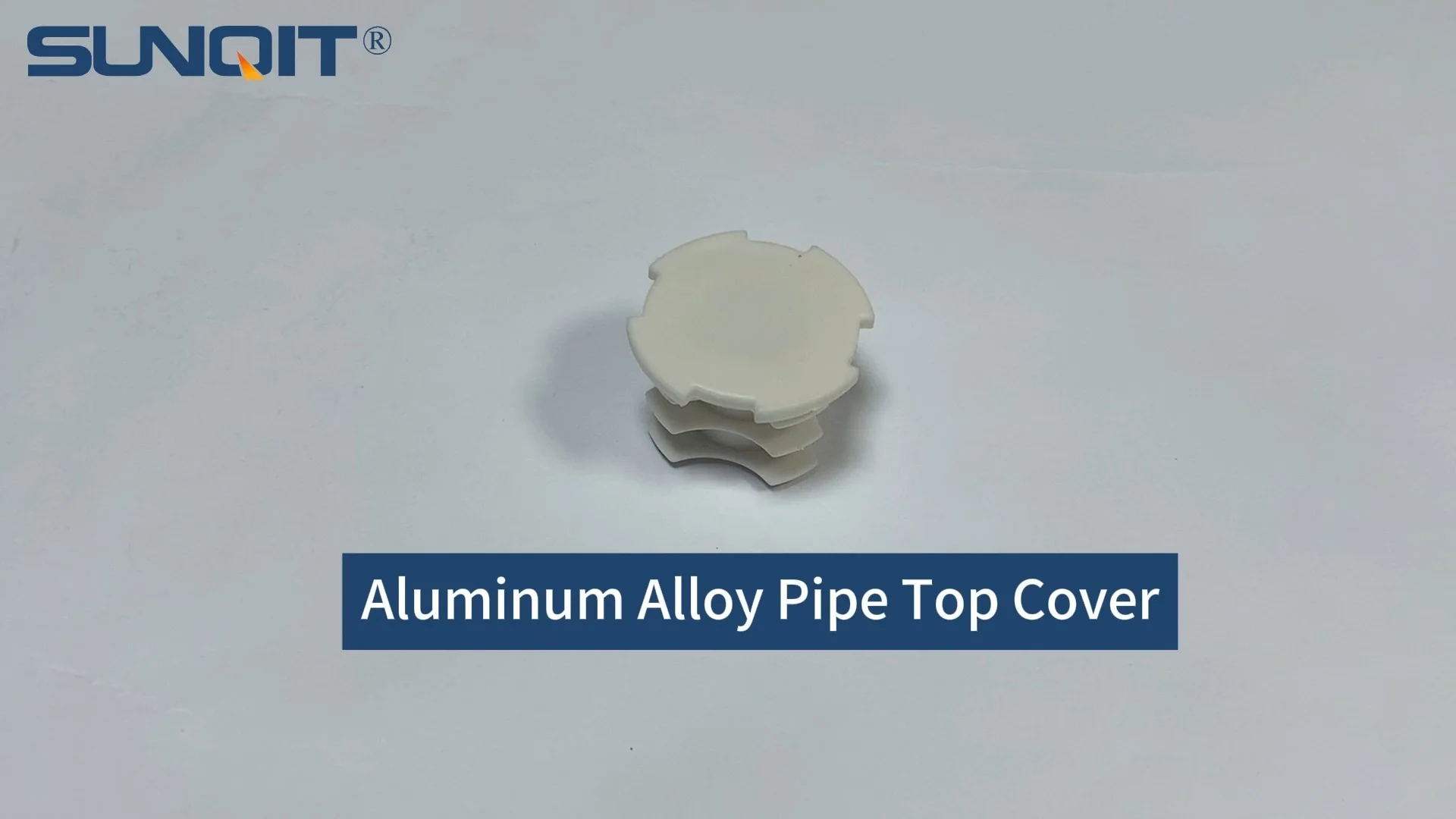
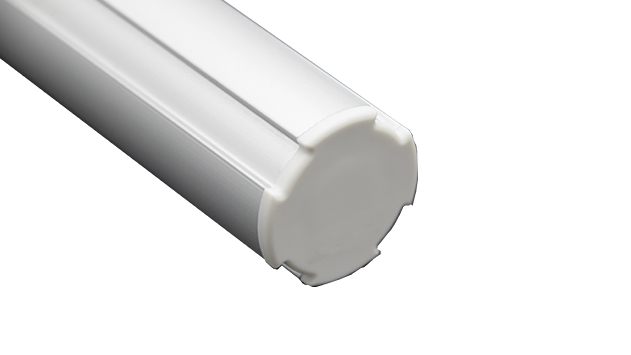
Plastic pipe cover to cover dia 28MM aluminum pipe end at workbench, flow rack, to prevent metal surface scratch material or worker.
In the world of manufacturing, warehousing, and workshop setups, every component—no matter how small—plays a role in keeping operations running smoothly. Take plastic pipe covers, for example. They might seem like a minor detail, but anyone who's worked with lean pipes, roller tracks, or workbenches knows: protecting those pipes isn't just about aesthetics. It's about protecting your investment, cutting down on maintenance headaches, and keeping your lean system efficient for years to come. In this article, we'll break down the real costs of plastic pipe covers—from the materials that go into making them to the labor required to install them—and, most importantly, how they save you money in the long run.
Understanding Plastic Pipe Covers: More Than Just "Caps"
Before we dive into costs, let's get clear on what we're talking about. Plastic pipe covers are protective sleeves, caps, or wraps designed to shield pipes from damage, corrosion, or wear. They come in all shapes and sizes, but one of the most common types you'll encounter is the plastic pipe end cap —those simple, often overlooked caps that fit snugly over the ends of pipes to seal them off. But they're not just for ends: you'll also find covers that wrap around the entire length of a pipe, especially in high-traffic areas like roller tracks or workbench frames made with lean pipes.
Why plastic? Well, plastic is lightweight, affordable, and resistant to rust and corrosion—perfect for environments where pipes might come into contact with moisture, chemicals, or daily bumps and scrapes. Compare that to metal covers, which can be heavy, prone to rust, or scratch the pipes they're supposed to protect. For lean systems, where efficiency and cost-effectiveness are king, plastic covers check a lot of boxes.
Let's put this in context. Imagine a small electronics assembly shop that uses lean pipes to build its workbenches and material racks. The lean system here is all about minimizing waste—whether that's time, materials, or money. But if the lean pipes on those workbenches aren't covered, they'll start to show wear quickly: paint chipping, dents from tools being set down, even cracks from accidental impacts. Over time, those small damages add up. A cracked pipe might need replacement, which means downtime while the workbench is disassembled, not to mention the cost of a new lean pipe. That's exactly the kind of waste a lean system aims to eliminate. Enter plastic pipe covers: a simple solution that prevents those small damages from ever happening.
Material Costs: What Goes Into a Plastic Pipe Cover?
When it comes to material costs, plastic pipe covers are pretty straightforward—but there are still factors that affect how much you'll pay. Let's break down the key elements that influence the price of the materials used in these covers.
Type of Plastic: Not All Plastics Are Created Equal
Most plastic pipe covers are made from one of three materials: PVC (polyvinyl chloride), polyethylene (PE), or polypropylene (PP). Each has its own pros, cons, and price tag.
- PVC: The most common choice for pipe covers, PVC is durable, rigid, and resistant to chemicals and UV light. It's also affordable, making it a go-to for general-purpose use. A standard PVC plastic pipe end cap for a 1-inch lean pipe might cost anywhere from $0.50 to $2.00 per unit, depending on the thickness and brand.
- Polyethylene (PE): Softer and more flexible than PVC, PE is great for covers that need to stretch or conform to irregular pipe shapes. It's also more impact-resistant, which is useful in high-traffic areas like roller tracks. PE covers tend to cost a bit more than PVC—maybe $0.75 to $2.50 per unit for similar sizes.
- Polypropylene (PP): Heat-resistant and chemical-resistant, PP is ideal for industrial environments where pipes might be exposed to high temperatures or harsh cleaning agents. It's the priciest of the three, with covers ranging from $1.00 to $3.00 per unit. But for specialized settings, the extra cost is worth it to avoid melting or warping.
Another factor here is thickness . A thin, flimsy cover might cost $0.50, but it won't last long in a busy workshop. A thicker, more durable cover—say, 2mm vs. 1mm—could cost $1.50, but it will stand up to more abuse. For lean systems that are in constant use, investing in thicker material upfront usually pays off.
Size and Customization: One Size Doesn't Fit All
Pipes come in all diameters, from small 0.5-inch tubes to large 4-inch industrial pipes. Unsurprisingly, larger covers cost more. A plastic pipe end cap for a 0.5-inch lean pipe might be as cheap as $0.30, while a cover for a 3-inch pipe could run $3.00 or more. If you're working with non-standard pipe sizes—like the aluminum profile or aluminum lean pipe often used in high-end workbenches—you might need custom covers, which can add 20-50% to the material cost.
Customization doesn't stop at size, either. Some covers come with added features: UV protection for outdoor use, anti-slip textures for handles, or even color-coding (yellow for hazard areas, grey for standard use). These extras can bump up the price, but they're often worth it for specialized needs. For example, a yellow plastic roller track guide rail cover (yes, covers can be used here too!) might cost $1.20 instead of $0.80, but the color makes it easier to identify workflow paths in a busy warehouse—another win for lean system efficiency.
Quantity Discounts: The More You Buy, the Less You Pay
Like most industrial supplies, plastic pipe covers are cheaper when bought in bulk. A single plastic pipe end cap might cost $1.50, but buy 100, and the price drops to $0.90 per unit. Buy 1,000, and you could pay as little as $0.60. For small workshops, buying in bulk might not be feasible, but for larger operations or suppliers who stock up, this is a easy way to cut material costs.
Let's put this into numbers. Suppose a mid-sized manufacturing plant needs 500 plastic pipe end caps for their lean pipe workbenches. If they buy them individually at $1.20 each, that's $600. Buy in bulk, and they might pay $0.70 each, totaling $350—a savings of $250 just on materials. That's a significant chunk of change that can be reinvested elsewhere in the lean system.
Labor Costs: How Much Does Installation Really Cost?
Material costs are only part of the equation. You also need to factor in labor—the time and effort required to install those plastic pipe covers. The good news? Compared to other industrial installations, pipe covers are usually quick and easy to put on, which keeps labor costs low. Let's break it down.
DIY vs. Professional Installation: Which is Cheaper?
For most plastic pipe covers—especially basic end caps or sleeves—installation is a DIY job. No special tools are needed: just slide the cover over the pipe, snap it into place, or secure it with a small clamp if it's a wrap-around style. A worker with no special training can install 20-30 covers per hour. If your team already has downtime or slack in their schedule, this labor might cost you nothing extra—just a few minutes of their time.
But what if you're installing covers on a large scale? Let's say you're outfitting an entire warehouse with roller tracks and lean pipe workbenches, requiring 10,000 covers. Suddenly, even a quick 2-minute installation per cover adds up. At that point, you might hire a temporary crew or outsource to a contractor. Professional installers typically charge $20-$30 per hour, and with experience, they can install 40-50 covers per hour. For 10,000 covers, that's 200-250 hours of work, costing $4,000-$7,500. That might sound steep, but compared to the cost of replacing damaged pipes later, it's a drop in the bucket.
Accessibility and Complexity: When Installation Gets Tricky
Not all installation jobs are created equal. If your pipes are in easy-to-reach places—like the legs of a workbench or the rails of a turnover trolley—installation is a breeze. But if the pipes are high up (on overhead racks), in tight spaces (between machinery), or already part of a complex aluminum profile structure, installation takes longer. A worker might need a ladder, a helper, or special tools, which can double or triple the time per cover.
For example, installing a plastic pipe end cap on a lean pipe that's 10 feet up on a material rack B (3 row and 3 floor) will take longer than installing one on a workbench at waist height. In these cases, labor costs can jump to $35-$45 per hour, as the job requires more skill and caution. It's a good idea to assess your workspace first: Are the pipes accessible? Will you need to disassemble any parts of the lean system to install the covers? Answering these questions upfront helps you budget accurately for labor.
The Hidden Labor Cost of Not Installing Covers
Here's a point many people miss: the labor cost of not installing covers. Without covers, pipes get damaged. A dented or cracked lean pipe might need to be replaced, which involves disassembling part of the workbench or roller track, sourcing a new pipe, and reassembling everything. That's hours of downtime and labor—easily $100-$200 per repair, not counting the cost of the new pipe. Multiply that by several repairs a year, and suddenly the $4,000-$7,500 for professional installation feels like a steal.

Long-Term Savings: The Real ROI of Plastic Pipe Covers
So far, we've talked about upfront costs: materials and labor. But the real value of plastic pipe covers lies in the long-term savings they generate. Let's crunch the numbers to see how much you can save over time by investing in these simple protective tools.
Preventing Pipe Damage: Avoiding Costly Replacements
Lean pipes, aluminum lean pipes, and roller track pipes aren't cheap. A standard 1.5mm PE coated lean pipe costs around $10-$15 per linear foot. If a 5-foot section gets damaged and needs replacement, that's $50-$75 per pipe, plus labor. Now, imagine a workshop with 100 lean pipe workbenches, each with 4 legs (5 feet each). That's 2,000 linear feet of pipe. Without covers, let's say 10% of those pipes get damaged each year—200 feet, costing $2,000-$3,000 in replacements alone.
With plastic pipe covers, damage drops dramatically. Let's assume covers reduce damage by 80% (a conservative estimate). Now, only 2% of pipes get damaged—40 feet, costing $400-$600. The annual savings here are $1,600-$2,400. If the covers cost $500 in materials and $500 in labor (total $1,000 upfront), you're already saving $600-$1,400 in the first year. By year two, you've more than recouped the initial investment.
Reducing Maintenance Time: Keeping the Lean System Running
Maintenance isn't just about replacing pipes—it's about cleaning, repairing, and adjusting. Uncovered pipes collect dust, dirt, and debris, which can gunk up joints (like the lean pipe joint or aluminum joint) and slow down roller tracks. A dirty roller track might jam, causing delays in production. Cleaning those pipes takes time—time that could be spent on more productive tasks.
Plastic covers act as a barrier, keeping pipes clean and reducing the need for frequent maintenance. A workbench with covered pipes might need cleaning once a month, while an uncovered one needs it weekly. At $20 per hour for a maintenance worker, that's 4 extra hours per month, $80 per month, $960 per year. Multiply that across multiple workbenches and roller tracks, and the savings add up fast.
Extending Equipment Lifespan: Getting More Bang for Your Buck
Lean systems are built to last, but they need care. A well-maintained lean pipe workbench can last 10+ years, while a neglected one might need replacement in 5. The difference often comes down to small protective measures like pipe covers. By extending the lifespan of your equipment, you delay the huge cost of replacing entire systems. A basic aluminum tube workbench costs $500-$1,000. If covers extend its life by 5 years, that's $100-$200 saved per year per workbench.
The Cost Comparison Table: With vs. Without Covers
To make this concrete, let's look at a 5-year cost comparison for a small workshop with 20 lean pipe workbenches and 10 roller tracks. We'll assume each workbench has 4 lean pipes (5 feet each) and each roller track has 10 feet of pipe, for a total of 500 linear feet of pipe.
| Cost Category | Without Plastic Pipe Covers | With Plastic Pipe Covers | 5-Year Savings |
|---|---|---|---|
| Initial Material Cost (Covers) | $0 | $500 (covers for 500ft pipe) | -$500 |
| Installation Labor | $0 | $1,000 (25 hours at $40/hr) | -$1,000 |
| Pipe Replacement (5 years) | $5,000 (100ft replaced at $50/ft) | $1,000 (20ft replaced at $50/ft) | $4,000 |
| Maintenance Labor (5 years) | $4,800 (40hr/year at $24/hr) | $2,400 (20hr/year at $24/hr) | $2,400 |
| Equipment Replacement (5 years) | $10,000 (replace 10 workbenches) | $5,000 (replace 5 workbenches) | $5,000 |
| Total 5-Year Cost | $19,800 | $8,900 | $10,900 |
As the table shows, even with the upfront cost of materials and labor, plastic pipe covers save this small workshop nearly $11,000 over 5 years. That's a return on investment (ROI) of over 1,000%—not bad for a product that costs less than $2 per unit.

Choosing the Right Covers: Tips for Maximizing Savings
Not all plastic pipe covers are created equal, and choosing the wrong ones can leave you with little to no savings. Here are a few tips to ensure you get the most bang for your buck:
Match the Cover to the Environment
Think about where the pipes are located. If they're outdoors, get UV-resistant covers to prevent fading and cracking. If they're in a wet area (like a food processing plant), opt for mold-resistant polyethylene. For high-heat areas, polypropylene is your best bet. Using the right material for the environment ensures the covers last as long as possible.
Don't Skimp on Thickness
Thin covers might be cheaper upfront, but they tear easily. Aim for at least 1.5mm thickness for most indoor uses, and 2mm+ for high-traffic or outdoor areas. The extra $0.50 per cover is worth it to avoid replacing them every few months.
Buy in Bulk (When Possible)
As we discussed earlier, bulk discounts can cut material costs by 30-50%. If you know you'll need covers for future projects, stock up. Most covers have a shelf life of 5+ years, so you won't have to worry about them going bad.
Consider Reusability
Some covers are designed to be reusable—they can be removed and reinstalled if you reconfigure your lean system (a common practice in lean manufacturing). Reusable covers cost a bit more upfront but save money if you frequently rearrange workbenches or roller tracks.
Final Thoughts: Small Investment, Big Returns
Plastic pipe covers might not be the most glamorous part of your lean system, but they're a classic example of how small investments lead to big savings. By protecting your lean pipes, roller tracks, and workbenches from damage, you cut down on replacement costs, reduce maintenance time, and extend the life of your equipment. When you break down the numbers—material costs, labor, and long-term savings—it's clear: these simple covers pay for themselves in a matter of months, and keep paying dividends for years.
So the next time you're setting up a new workbench, installing roller tracks, or maintaining your lean system, don't overlook the plastic pipe cover. It's not just a cap—it's a smart, cost-effective way to keep your operations running smoothly, efficiently, and affordably. After all, in lean manufacturing, every detail counts. And this is one detail that counts for a lot.