- Company Articles
- Products and Technology
- Product knowledge
- Plastic Pipe Cover Customization: Logo Printing & Branding Options

Plastic Pipe Cover Customization: Logo Printing & Branding Options
Related Product
Plastic Pipe Cover
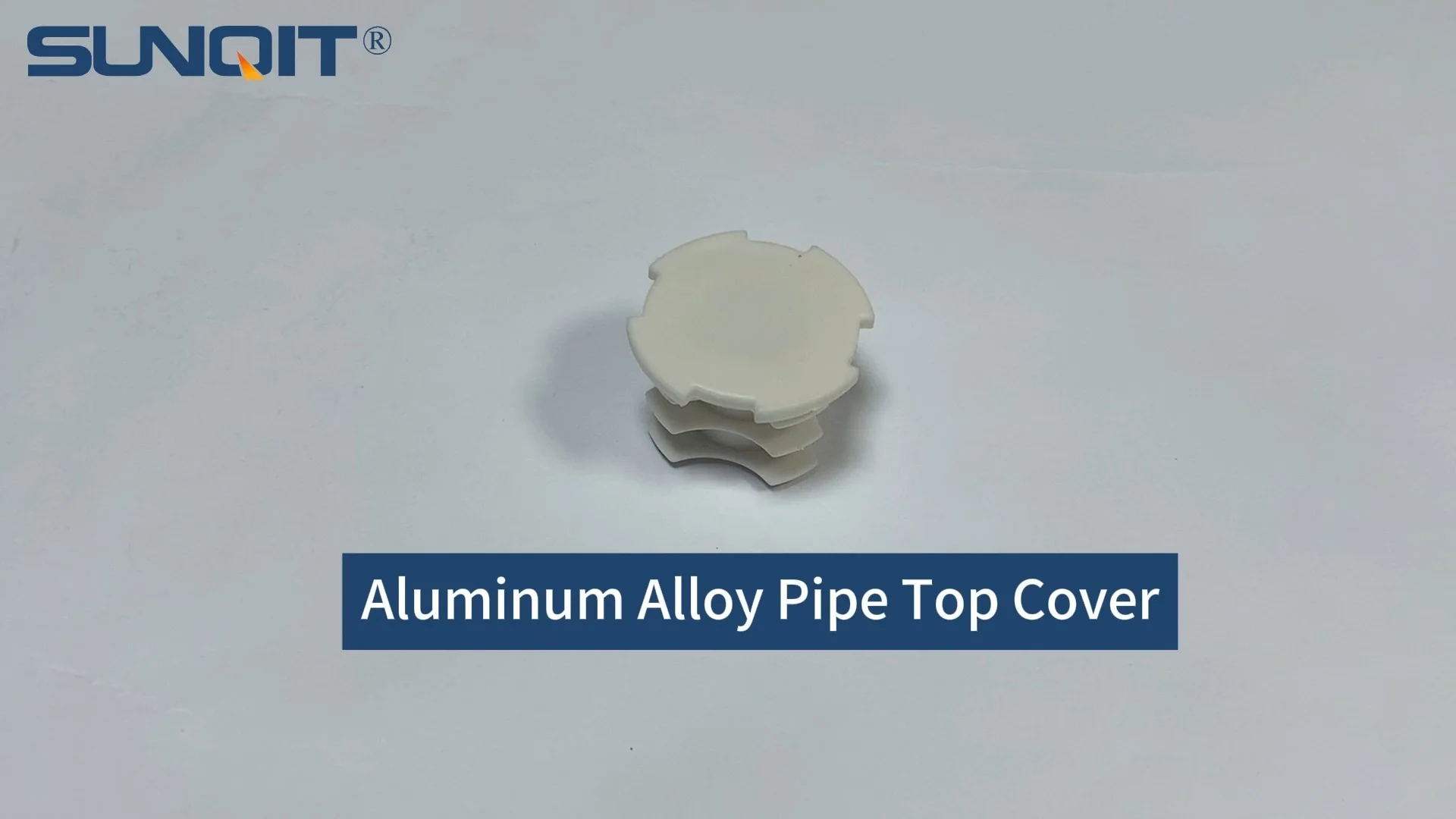
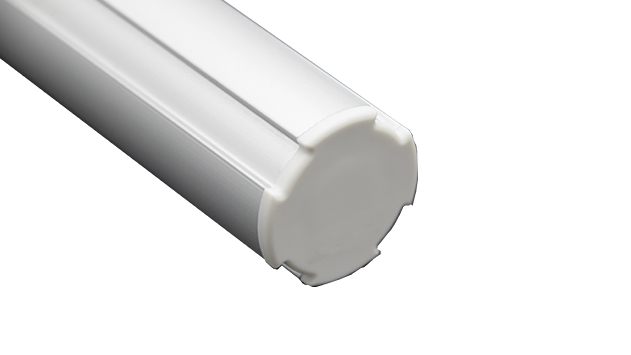
Plastic pipe cover to cover dia 28MM aluminum pipe end at workbench, flow rack, to prevent metal surface scratch material or worker.
In the world of lean manufacturing and efficient workflow systems, every component matters—even the smallest ones. Take plastic pipe covers, for example. These unassuming accessories, often used to protect and finish lean pipe structures, play a quiet but crucial role in both functionality and aesthetics. But what if they could do more? What if they could carry your brand's identity,, and leave a lasting impression on anyone who steps into your facility? That's where plastic pipe cover customization comes in. In this article, we'll explore how logo printing and strategic branding on plastic pipe covers can transform these simple components into powerful tools for brand recognition, professionalism, and operational pride—all while seamlessly integrating with your existing lean pipe systems, workbenches, turnover trolleys, and more.
The Unsung Hero: Why Plastic Pipe Covers Matter in Lean Systems
Before diving into customization, let's take a moment to appreciate the humble plastic pipe cover itself. In any lean pipe system—whether it's a workbench on the assembly line, a turnover trolley moving materials between stations, or a flow rack organizing inventory—lean pipes (often made of steel, aluminum, or stainless steel) form the backbone. These pipes are strong, versatile, and designed for quick assembly, but their raw edges or metal surfaces can be harsh. That's where plastic pipe covers step in: they soften edges to prevent scratches on products or injuries to workers, reduce noise when pipes rub against each other, and add a clean, finished look to otherwise industrial structures.
But beyond these functional benefits, plastic pipe covers are blank canvases. In a facility where every inch of space is optimized for efficiency, these covers offer a rare opportunity to inject brand personality without disrupting workflow. A lean system isn't just about reducing waste—it's about creating a cohesive, professional environment that reflects your company's values. Customized covers turn generic lean pipe structures into extensions of your brand, making your workspace feel intentional and unified.
Why Logo Printing & Branding on Plastic Pipe Covers Matter
You might be thinking: "Is branding really necessary for something as small as a pipe cover?" The answer is a resounding yes. Here's why:
1. Brand Recognition: Turn Every Structure into a Brand Ambassador
In manufacturing or warehouse settings, visitors, clients, and even potential partners often tour facilities. A workbench with your logo subtly printed on its pipe covers, or a turnover trolley with your brand colors rolling by, doesn't just look professional—it reinforces your brand. Over time, these small, consistent touches build recognition. Employees, too, feel a stronger connection to their workplace when they see the company logo integrated into their daily tools. It's a simple way to say, "We take pride in every part of our operation."
2. Professionalism: Elevate Your Facility's Image
A lean system is a testament to your commitment to efficiency, but a generic, unbranded setup can feel impersonal. Custom plastic pipe covers add a layer of polish. Imagine walking into two factories: one with plain metal pipes and mismatched covers, and another where every lean pipe structure—from the workbench to the material rack—features consistent branding. Which one feels more organized, reliable, and detail-oriented? The latter, of course. Branded covers signal that you care about the small things, which translates to trust in your products or services.
3. Operational Clarity: Color-Coding for Efficiency
Branding isn't just about logos—it's also about color. Many companies use custom-colored plastic pipe covers to differentiate work zones, departments, or product lines. For example, red covers might mark quality control workbenches, while blue covers indicate assembly lines. This visual cue reduces errors and speeds up training for new employees. When combined with a logo, it's a double win: operational efficiency and brand consistency.
The Customization Process: From Idea to Finished Cover
Customizing plastic pipe covers with logos and branding isn't a one-size-fits-all process. It requires careful planning, from material selection to printing technique. Let's break down the steps:
Step 1: Choose the Right Material
Plastic pipe covers are typically made from PVC, PE (polyethylene), or EVA (ethylene-vinyl acetate). Each material has its own benefits, and your choice will depend on your facility's needs:
- PVC: Durable, rigid, and resistant to chemicals—ideal for heavy-duty environments like automotive manufacturing.
- PE: Flexible, impact-resistant, and weatherproof—great for outdoor or high-traffic areas (e.g., loading docks with turnover trolleys).
- EVA: Soft, lightweight, and non-slip—perfect for workbenches where workers rest their arms or handle delicate products.
Your lean pipe supplier can help you select the best material based on your application. For example, if you need covers for an ESD workbench (electrostatic discharge), your supplier might recommend conductive PE covers to prevent static buildup—proving that functionality and branding can go hand in hand.
Step 2: Design Your Logo & Branding Elements
The key to effective logo printing is clarity. Pipe covers are often cylindrical or curved, so your logo should be simple enough to remain recognizable even when wrapped around a surface. Avoid intricate details—stick to bold fonts and minimal graphics. Consider the size, too: a logo that's too small will be unreadable, while one that's too large might look cluttered. A good rule of thumb is to keep the logo height between 10-20% of the cover's circumference.
Color contrast is another critical factor. If your cover is blue, a white or yellow logo will stand out more than a dark gray one. Work with your supplier to match colors to your brand's Pantone codes for consistency across all materials—from your website to your pipe covers.
Step 3: select a Printing Technique
Not all printing methods work equally well on plastic pipe covers. Here's a comparison of the most common techniques to help you choose:
| Printing Technique | Best For | Pros | Cons |
|---|---|---|---|
| Pad Printing | Curved surfaces (pipe covers, caster wheels) | Works on irregular shapes, durable, good color vibrancy | Higher cost for small batches, limited to 1-3 colors per print |
| Screen Printing | Flat or slightly curved covers, large logos | Cost-effective for large batches, bold colors, high durability | Not ideal for complex curves, setup costs for new designs |
| Heat Transfer | Intricate logos, multi-color designs | High detail, supports gradients and fine text | Less durable than pad/screen printing, may peel with heavy use |
| Digital Printing | Small batches, custom designs per unit | No setup fees, full-color printing, quick turnaround | Higher cost per unit for large orders, less scratch-resistant |
Step 4: Quality Control & Testing
Before finalizing your order, ask your lean pipe supplier for samples. Test the printed covers for:
-
Adhesion:
Rub the logo with a cloth or tape to see if it peels.
-
Colorfastness:
Expose the cover to sunlight or cleaning agents to check for fading.
-
Durability:
Bend or flex the cover (if using a flexible material) to ensure the print doesn't crack.
A reputable supplier will happily provide these tests to ensure the final product meets your standards.

Beyond Logos: Creative Branding Options for Plastic Pipe Covers
Logos are just the start. Here are other ways to brand your plastic pipe covers and make them work harder for your business:
1. Custom Colors: Match Your Corporate Palette
Most plastic pipe covers come in standard colors like black, gray, or yellow, but custom color matching lets you align with your brand's hues. For example, a tech company might use sleek silver and blue covers, while a food manufacturer could opt for clean white and green. This consistency ties your lean system to your marketing materials, uniforms, and packaging.
2. Embossing or Debossing: Add Texture & Depth
For a premium look, consider embossing (raising the logo) or debossing (recessing the logo) into the cover. This technique works well with simple logos and adds a tactile element—people notice when something feels high-quality. It's especially effective for brands aiming for a luxury or industrial-chic aesthetic.
3. QR Codes or Serial Numbers: Merge Branding with Functionality
Printing QR codes on pipe covers transforms them into interactive tools. Employees can scan codes to access work instructions for a nearby workbench, or maintenance teams can log repairs using serial numbers. It's a smart way to blend branding with lean principles like quick access to information.

Real-World Examples: How Businesses Use Custom Pipe Covers
Still not convinced? Here are two examples of companies that turned plastic pipe covers into branding assets:
Case Study 1: Automotive Assembly Plant
A leading car manufacturer wanted to enhance its facility's professionalism for client tours. They worked with their lean pipe supplier to customize pipe covers for all assembly line workbenches. The covers were printed with the company logo in their signature red and white colors, and QR codes linking to sustainability reports (a key brand value). Visitors now comment on the cohesive look, and employees report feeling prouder to work in a space that reflects the brand's identity.
Case Study 2: E-Commerce Fulfillment Center
A fast-growing online retailer struggled with cross-departmental confusion in its warehouse. They solved this by color-coding turnover trolleys and racks with custom plastic pipe covers: orange for electronics, green for apparel, and purple for home goods. Each cover also featured a small logo, reinforcing brand identity while making it easier for pickers to sort orders. The result? A 15% reduction in errors and faster onboarding for new staff.
Choosing the Right Lean Pipe Supplier for Customization
Not all lean pipe suppliers offer customization services, so it's important to choose one with experience in branding and plastic pipe accessories. Here's what to look for:
- Customization Expertise: Ask for examples of past branded projects—do they have experience with logo printing, color matching, or embossing?
- Material Quality: Ensure they use high-grade plastics that can withstand your facility's conditions (e.g., heat, chemicals, heavy use).
- Flexibility: Can they handle small batches for testing, or large orders for full facility rollouts?
- Communication: A good supplier will guide you through the design process, offer samples, and keep you updated on production timelines.
Final Thoughts: Small Covers, Big Impact
Plastic pipe covers might seem like an afterthought in the grand scheme of a lean system, but their potential for branding and functionality is huge. By investing in customization—whether through logo printing, color-coding, or creative textures—you're not just improving the look of your facility; you're reinforcing your brand's values, enhancing operational clarity, and creating a workspace that employees and visitors alike will remember. So the next time you're upgrading your lean pipe systems, workbenches, or turnover trolleys, don't overlook the power of a well-branded pipe cover. It's a small detail that delivers big returns.